Links & Quotes

The writer of the Book of Hebrews challenges Christians to learn how to better encourage others and spur them on to their very best. This means we have to go deeper in our relationships with people. Here’s one way not to do this. 

I have a lot of new video content on my YouTube channel every week. Please check it out and subscribe so you don’t miss anything.

T.M. Moore cautions us against having a “too small God” mindset. He writes, “We are short-changing the people of God unless our preaching and teaching fits them to seek the Kingdom of God and the restoration of the world in all our life and work. We do not expect to recreate the original conditions that existed before the fall, but to remember them, to recall them, to recover a measure of them for the life of the world and, by so doing, to point ahead to the new and better and fully remade world that is to come.”

More archeological evidence from the city of Jericho helps scholars date the exodus from Egypt more precisely as well. All of this reinforces the absolute historicity of the biblical accounts. 

“The Pentecostal movement emerged at the turn of the 20th century, resulting from a series of overlapping revivals that occurred around the world.” One of those revivals was in Wales. 

“Although [traditional scientists] feel certain that dinosaurs went extinct 66 million years ago, unremitting soft tissue discoveries from dinosaur fossils openly challenge such age options and validate the creation model.” Check out how the Raman spectroscopy tests are aligning paleontological discoveries with the biblical timeline of Creation.

Links & Quotes

It’s easy to get along with those we like. But God calls on Christians to do the hard—but rewarding—work of getting along with everyone! Check out this full sermon about the strength in Christian unity.

I have lots of new content every week, which you can check out on my YouTube channel.

“Dad always said you could fall off the same ladder you climbed up.” —Hank Aaron

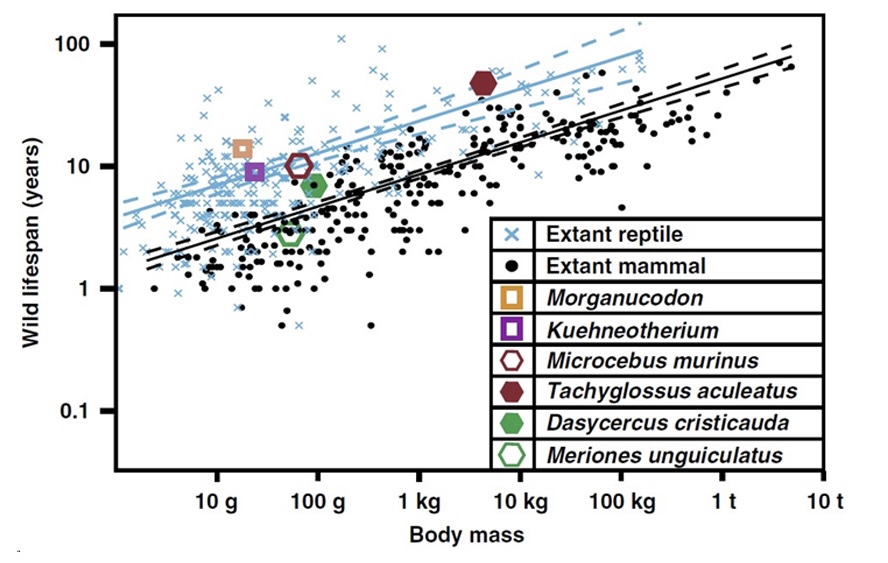
Paleontologists have noted that what Creationists would call pre-Flood mammals lived longer than similar mammals today. “This research should be of interest to Bible-believing Christians because, as chronicled in Genesis 5, humans in the pre-Flood world were experiencing much greater lifespans. Moreover, the advanced ages of the Genesis 5 patriarchs at the births of their sons strongly suggest delayed sexual maturation and possible delayed skeletal maturation, too. The Bible gives no hint that this amazing longevity was in any way supernatural.”

“If we leave our failure, we don’t learn from our failure. If we learn from our failure, we seldom have to leave because of our failure.” —John Maxwell 

Dr. Steve Nichols hosts a great podcast called 5 Minutes In Church History. In the episode this week, he talked about the church politics Jonathan Edwards had to confront when he first arrived in Stockbridge. It came to a head in a letter Edwards received: “All it did was go into, again, politics, accusing Edwards of mis-running the school, which wasn’t true, and deflecting the blame and the focus away from the Williams family. And now Edwards needs to vindicate himself. Well, all that to say, we think of these church history figures, and we see their portraits, we sometimes forget that they’re actually people, and they had to deal with challenges too.” These types of faultfinding accusations are what I address in my book When Sheep Bite.

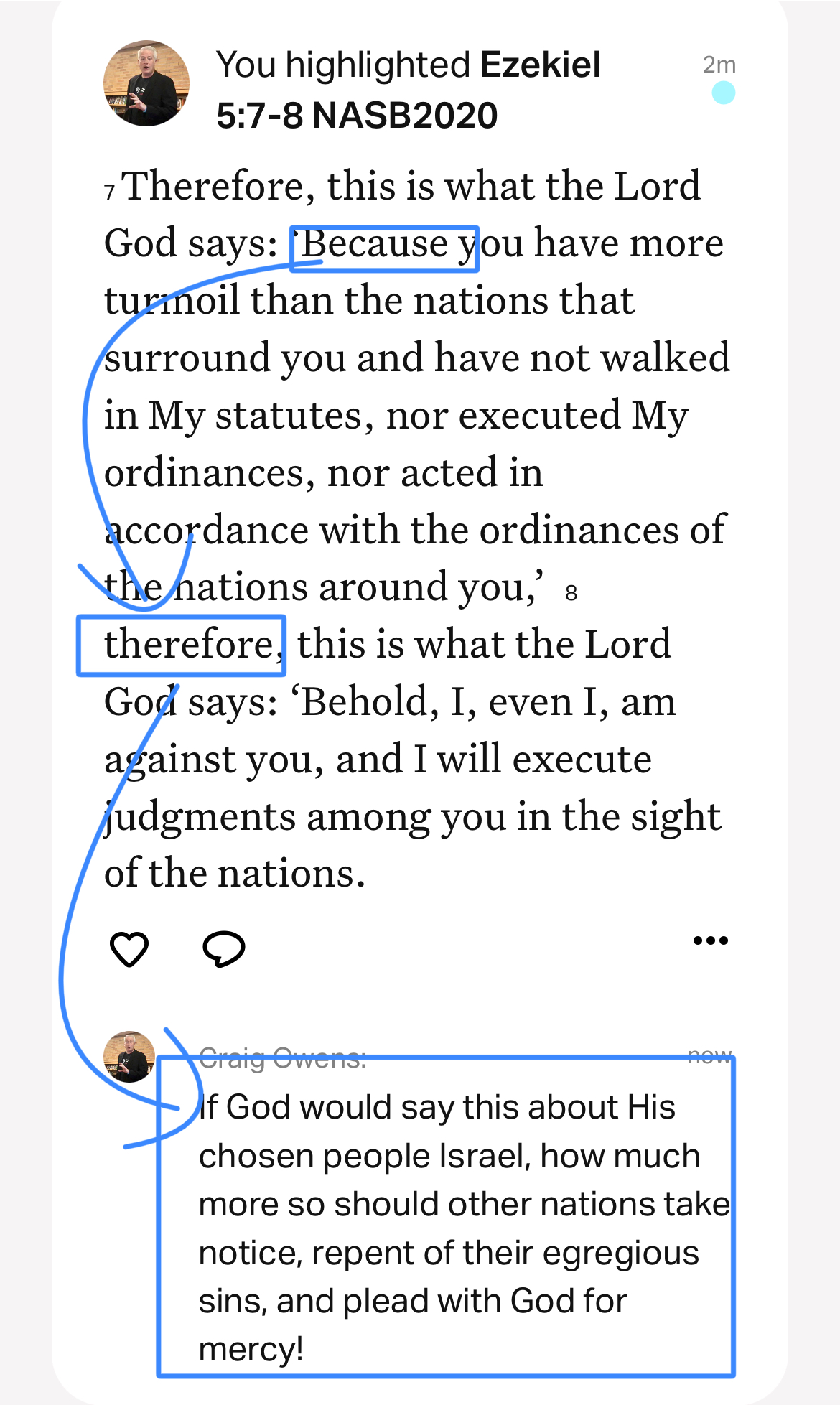
If God would say this (Ezekiel 5:7-9) about His chosen people Israel, how much more so should other nations take notice, repent of their egregious sins, and plead with God for mercy!

Hellbent

Listen to the podcast of this post by clicking on the player below, and you can also subscribe on AppleSpotify, or Audible. 

Here’s how God describes a wicked nation:

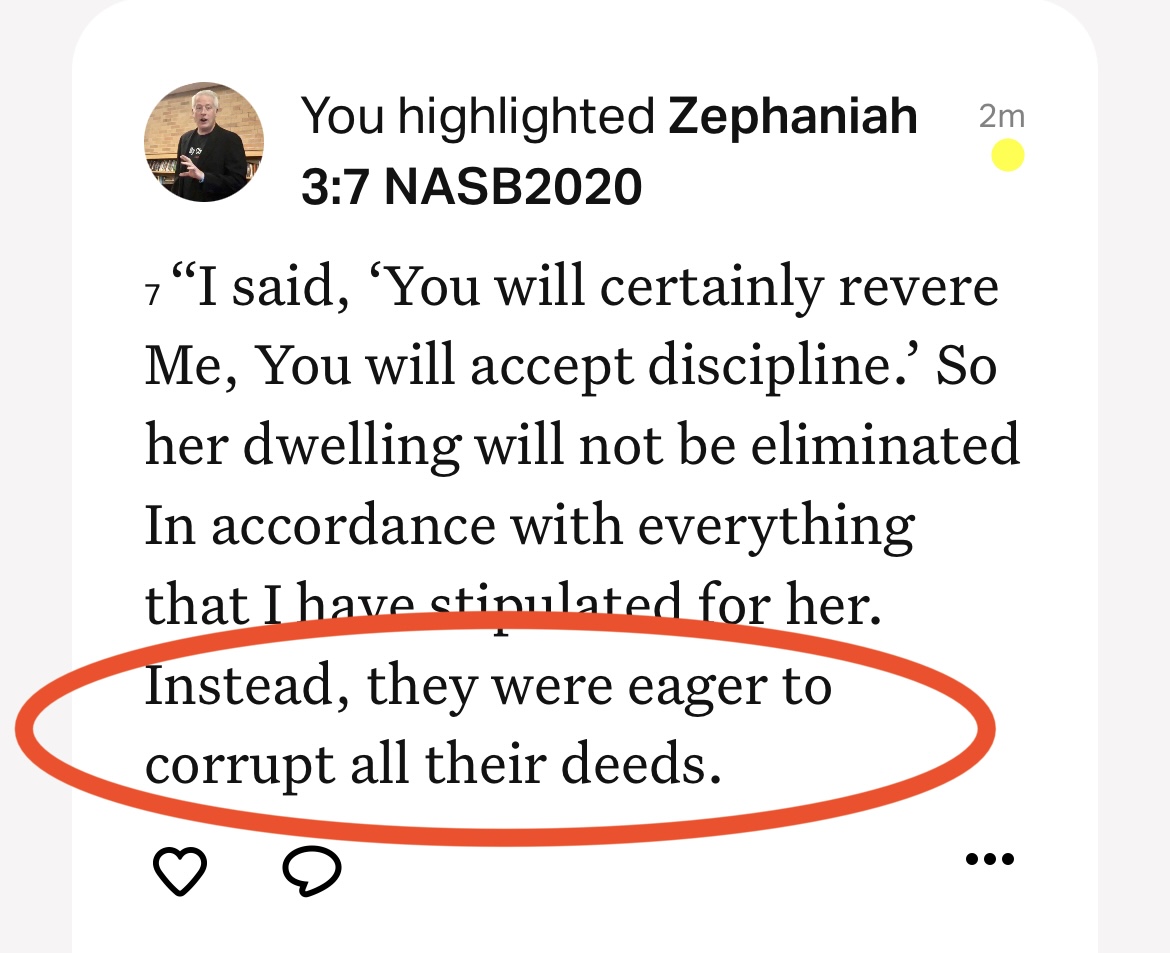
Woe to her who is rebellious and defiled, the oppressive city! She obeyed no voice, she accepted no discipline. She did not trust in the Lord, she did not approach her God. Her leaders within her are roaring lions, her judges are wolves at evening; they have no bones to gnaw in the morning. Her prophets are insolent, treacherous men; her priests have profaned the sanctuary. They have done violence to the Law. (Zephaniah 3:1-4)

These are people who were once so passionate for God and are hurtling toward His judgment on their sinful lifestyle—

  • thumbing their noses at their own civil laws 
  • calling their own justice system into question 
  • governed by leaders who are focused on flexing their power for themselves 
  • afflicted by judges ruling by the desires of those who give them “bones to gnaw” 
  • subject to preachers who twist and distort Scripture to suit their own desires 

These things can come from nothing but pride that says, “We know best. We don’t need some out-of-date, behind-the-times god telling us what to do!” 

These prideful people are hellbent on pursuing their sinful lifestyle—rejecting God’s warning of impending and certain judgment—because they have fooled themselves into believing there is no God! 

Our history books are filled with stories of other proud nations that thought this same way, but God both announced and carried out His righteous judgment on them. And still, we foolishly believe we are better than them, that we can avoid the inscrutable eyes of God. 

God is looking for one righteous man or woman who will hold to His righteous standard, and who will stand in the gap to intercede for rebellious, hellbent people (Ezekiel 22:30). 

Will you be that one?

►► Would you please prayerfully consider supporting this ministry? My Patreon supporters get behind-the-scenes access to exclusive materials. ◀︎◀︎

Selfish Pragmatism

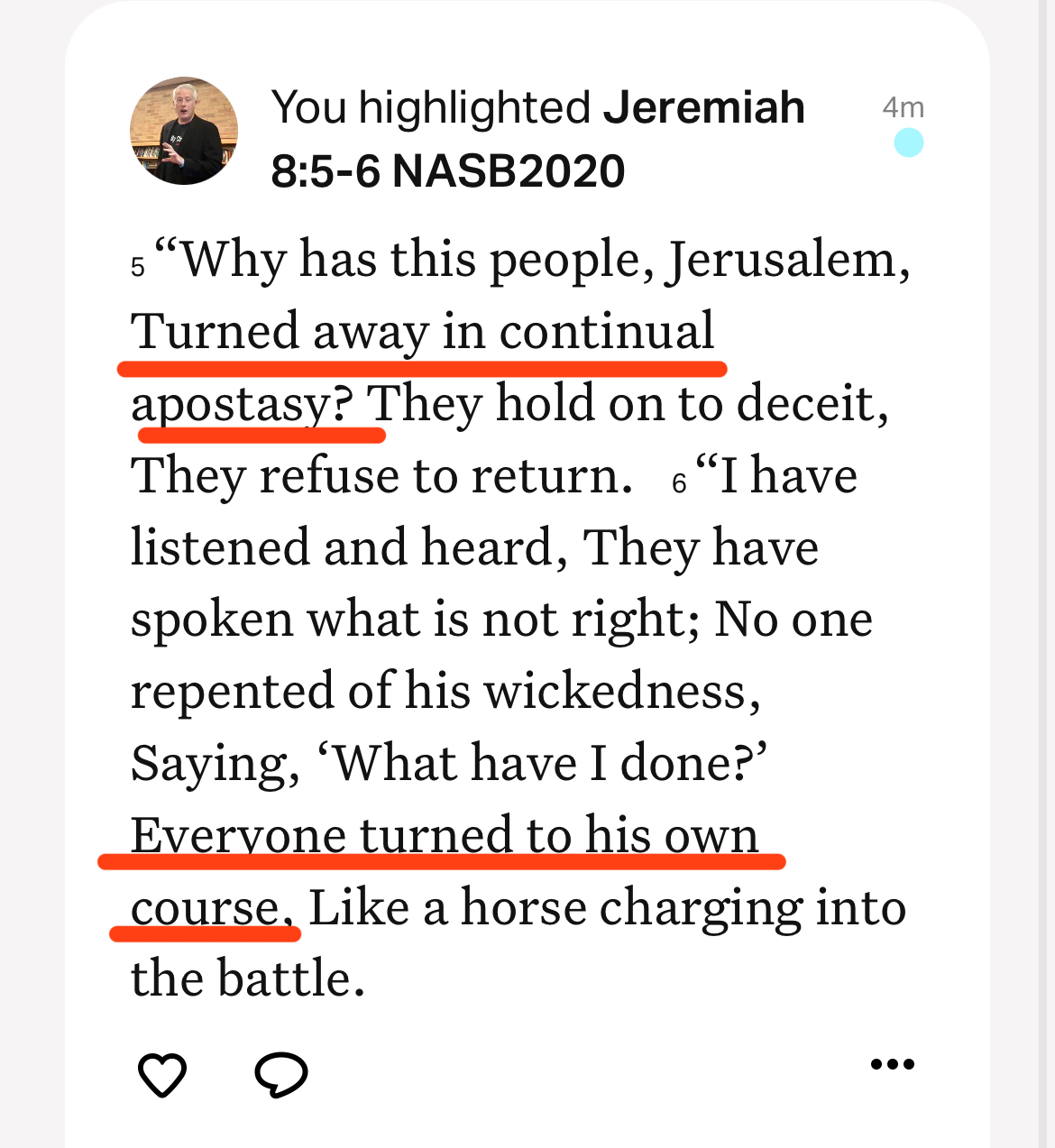
Why has this people, Jerusalem, turned away in continual apostasy? They hold on to deceit, they refuse to return. I have listened and heard, they have spoken what is not right; no one repented of his wickedness, saying, “What have I done?” Everyone turned to his own course, like a horse charging into the battle. (Jeremiah 8:5-6)

“Everyone turned to his own course” is the description of our culture today.

It’s selfish pragmatism—I can determine what’s right for me. This “continual apostasy” will be our undoing as individuals and as a nation unless we repent and turn wholeheartedly back to God and His righteous ways!

The Results Of Abandoning God

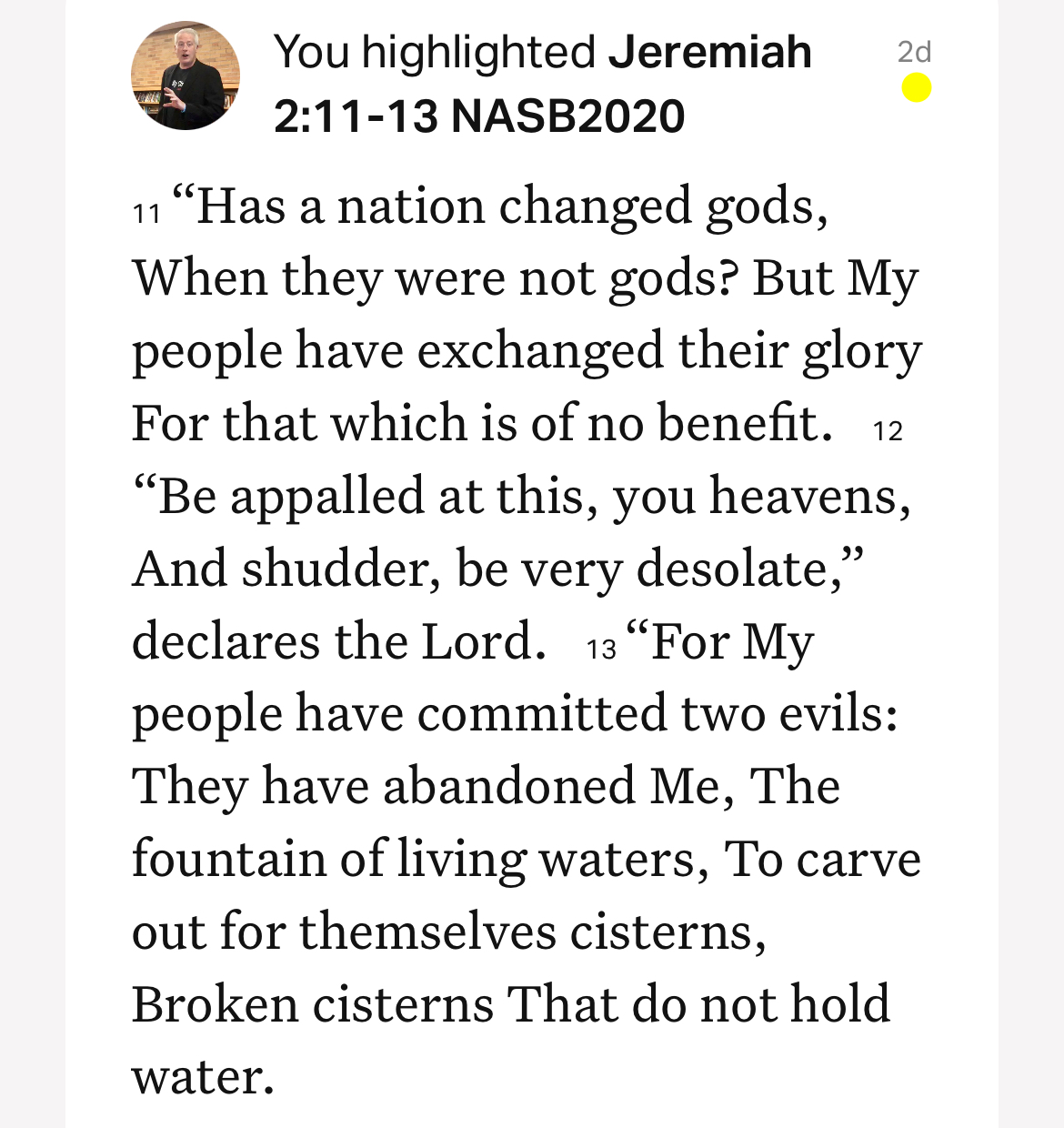
“Has a nation changed gods, when they were not gods? But My people have exchanged their glory for that which is of no benefit. Be appalled at this, you heavens, and shudder, be very desolate,” declares the Lord. “For My people have committed two evils: They have abandoned Me, the fountain of living waters, to carve out for themselves cisterns, broken cisterns that do not hold water. … Your own wickedness will correct you, and your apostasies will punish you; know therefore and see that it is evil and bitter for you to abandon the Lord your God, and the fear of Me is not in you,” declares the Lord God of armies. (Jeremiah 2:11-13, 19) 

This was true of Judah, and it’s just as true today in nations that used to regard the Word of God as their righteous standard. We have abandoned God and we have attempted to satisfy ourselves with things that are transient at best. 

God goes on to outline the results that we are already seeing in our homes, government, and cultures: “‘Your own wickedness will correct you, and your apostasies will punish you; know therefore and see that it is evil and bitter for you to abandon the Lord your God, and the fear of Me is not in you,’ declares the Lord God of armies” (Jeremiah 2:19). 

Here are some thoughts I shared earlier of how to spark a national revival 

You may also be interested in my posts that talk about our personal responsibility to spark a revival:

And I love this observation from Leonard Ravenhill’s exceptional book Why Revival Tarries.

How To See A National Revival

Listen to the podcast of this post by clicking on the player below, and you can also subscribe on AppleSpotify, or Audible. 

After making it up to the 11th step—so close to the top now—how could the psalmist be saying, “Out of the depths I cry to You, O LORD”? (Psalm 130:1) 

I think that the more we ascend in God, the more sensitive we should be to any semblance of sin in our lives that would offend Him. The mark of a maturing Christian is one who is constantly closing the gap between sin and confession. 

(You can check out all of the biblical references in this post by clicking here.)

I like the bridge in the song I Keep Falling In Love With Him

When I first fell in love with Jesus,
I gave Him all my heart
And I thought I couldn’t love him more
than I did right at the start.
But now I look back over the mountains,
and the valleys where I’ve been
And It makes me know I love Him so much
more than I did then


Out of the depths—Think how far we’ve come on this climb. In the first Song of Ascent, we were experiencing the woes of being in the valley (Psalm 120:5-7). But now in this song, the feelings of being in the depths are not from someone else’s sinful activity. 

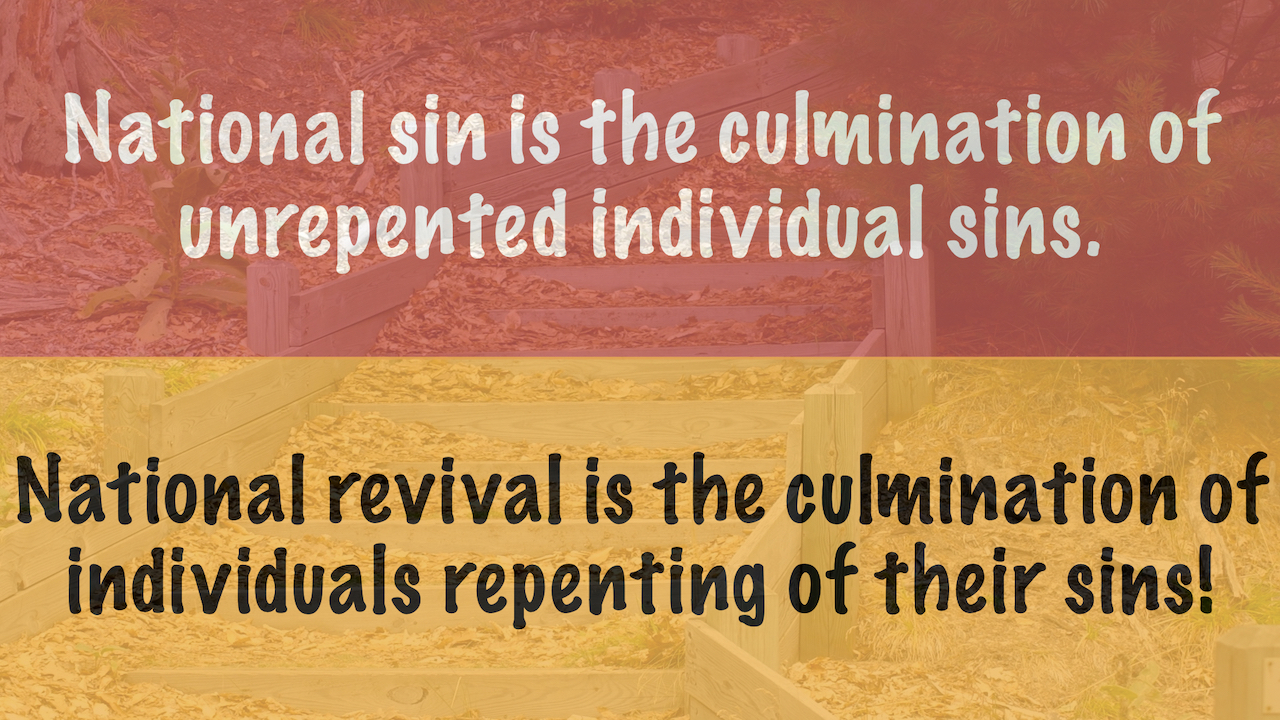
The psalmist is pointing out that national sin is the culmination of unrepented individual sins. God addressed this in Leviticus 20:22—Keep all My decrees and laws and follow them, so that the land where I am bringing you to live may not vomit you out.  

Even in these depths, the psalmist is confident that God will hear—let Your ears be attentive (v. 2). Nehemiah was confident too. Look how he joins his personal sin to the national sin after Israel had be vomited out of the land (Nehemiah 1:1-7). 

Our confidence comes from the rock-solid assurance that God completely forgives our sins and then forgets all that He forgives (vv. 2-3; Psalm 103:10-12). 

The middle verses (vv. 5-6) have the key words wait, watch, and hope. This middle part comes down to: (1) What I’m going to pay attention to, and (2) What God pays attention to. 

God is attentive to our cries for mercy, and He is watchful for our care, not for our punishment! 

We are called to wait and watch in hope because God has proven that He is all in for us. Look at this completeness:  

  • full forgiveness (v. 3) 
  • unfailing love (v. 7a) 
  • full redemption (v. 7b) 
  • all their sins (v. 8) 

Notice in v. 7 the phrase “all THEIR sins” is now corporate (not singular, personal as in the opening verses). 

We’ve gone FROM my voice, my cry TO your hope, O Israel and redemption of their sins. 

If national sin is the culmination of unrepented individual sins, then national revival is the culmination of individuals repenting of their sins! 

National revival starts with you and with me. 

If you’ve missed any of the Songs of Ascent we’ve looked at, you can find them all here. 

►► Would you please prayerfully consider supporting this ministry? My Patreon supporters get behind-the-scenes access to exclusive materials. ◀︎◀︎

It’s Not “Them,” It’s Us

This is God speaking—

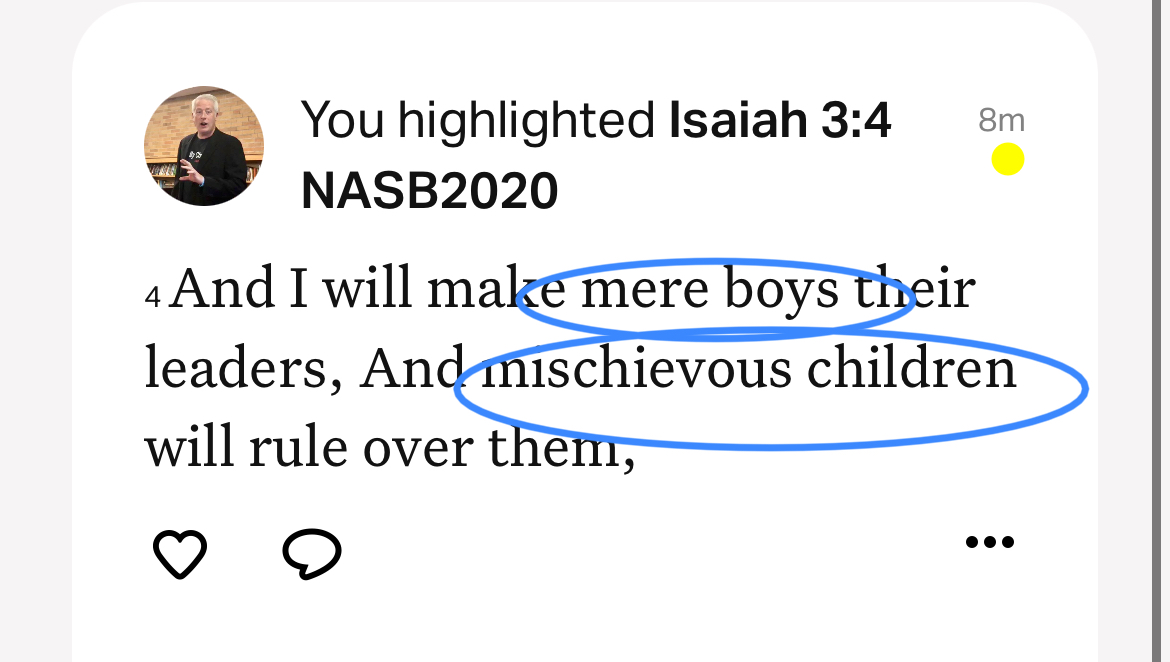
“And I will make mere boys their leaders, and mischievous children will rule over them, and the people will be oppressed, each one by another, and each one by his neighbor; the youth will assault the elder, and the contemptible person will assault the one honored.” (Isaiah 3:4-5)

God gives nations the “leaders” they deserve. They are leaders in that they occupy an office, but they don’t lead people nor care for the citizens—they don’t have wisdom to lead nor do they care about anyone but themselves. This is the inevitable result for a nation that turns its back on God! 

In Hebrew, “mere boys” and “mischievous children” are defined as arbitrary, unprepared, unskilled, immature people. The AMPC translation says, “And I will make boys their princes, and with childishness shall they rule over them with outrage instead of justice” (Isaiah 3:4). 

If we think our political and civic leaders are self-focused, unskilled, and childish, we should look in the mirror. We must be the leaders in confession and repentance if we want to see a change “downstream” in our governmental leaders. It’s not “them,” it’s us. We have to change—turning wholeheartedly to God—and only then God can change our leadership. 

You may also want to check out:

Links & Quotes

Shepherd leaders do know the voice of their sheep, and the sheep know the voice of their shepherd. Leaders, this is the value of regularly being around all the people on your team. Check out this full conversation Greg and I had on our leadership podcast. This idea is central to my book Shepherd Leadership.

I have lots of new content every week, which you can check out on my YouTube channel.

Alice Reynolds Flower (1890-1991), the wife of [Assembly of God] pioneer J. Roswell Flower, is a shining example of motherhood. Affectionately known as ‘Mother Flower,’ she preached, taught Sunday School, led prayer meetings, wrote articles, penned poetry, authored books, and lived a godly example in front of her six children and everyone she came in contact with. As Mother’s Day approaches, it is good to consider an article that Mother Flower wrote for the Pentecostal Evangel in May 1952.” Check out Alice Flowers’ article here.

Kenneth Blanchard discusses when it is and isn’t a good time for a leader to be a micromanager. He concludes this insightful post by saying, “The best leaders know how to continually adjust their leadership style to fit each situation, helping to develop individuals who will ultimately achieve each goal and perform well on each task with little direction or support.”

“The pre-Flood world had some truly massive dinosaurs, and the largest of them were in the group Sauropodomorpha. Within this group were titanosaurs, which include the gigantic Argentinosaurus that is estimated to have weighed over 100 tons.” Read more about titanosaurs here.

What is it about morality that points humans higher and higher to find the Source? J. Warner Wallace, in this video based on his book God’s Crime Scene, makes the case that objective, transcendent morality is good proof for God. This reminds me of C.S. Lewis’ similar argument: “My argument against God was that the universe seemed so cruel and unjust. But how had I got this idea of just and unjust? A man does not call a line crooked unless he has some idea of a straight line. What was I comparing this universe with when I called it unjust? If the whole show was bad and senseless from A to Z, so to speak, why did I, who was supposed to be part of the show, find myself in such a violent reaction against it?”

Pastors, listen to this call to revival from the pen of Jonathan Edwards. Let us seek in prayer for a revival in our day! “The Scripture gives us great reason to think, that when once there comes to appear much of a spirit of prayer in the church of God for this mercy, then it will soon be accomplished…Spiritual waters and rivers are explained by the apostle John, to be the Holy Spirit…It is now a time of scarcity of these spiritual waters; there are, as it were, none. If God’s people, in this time of great drought, were but made sensitive of this calamity, and their own emptiness and necessity, and brought earnestly to thirst and cry for needed supplies, God would, doubtless, soon fulfill this blessed promise.”

Links & Quotes

This is just one example of the power of a leader’s storytelling. Check the full conversation Greg and I had on The Craig And Greg Show. I have lots of new content every week, which you can check out on my YouTube channel.

“We are all born ignorant, but one must work hard to remain stupid.” —Benjamin Franklin

George Jeffreys was born with a limiting speech impediment, but with the empowering of the Holy Spirit, George and his brother Stephen led incredible Pentecostal revivals in England and Wales. They were said to be the greatest evangelists since George Whitefield and John Wesley. Someone asked Jeffreys how long a revival should last, and he responded, “Thank God, a revival started in my heart 30 years ago, and it has never stopped; it will never end.” He continued by saying, “As long as Jesus is kept in the front, and made the center of fellowship and blessing and unity, the revival will never end.” Check out this mini biography about his life.

John Stonestreet uses the example of C.S. Lewis’ Aslan to talk about how God can speak to us through our pain. John writes, “Pain is never the point of God’s plans, any more than it is the purpose of physical exercise. Never pushing ourselves to the point that it hurts means never improving our health. On the other hand, seeking pain is more likely to do harm than to aid our wellbeing. In and of itself, pain is not good, but it is meaningful. Pain indicates that something is wrong and needs to be addressed.”

“The best way to make a dream come true is to wake up.” —Dame Anna Wintour

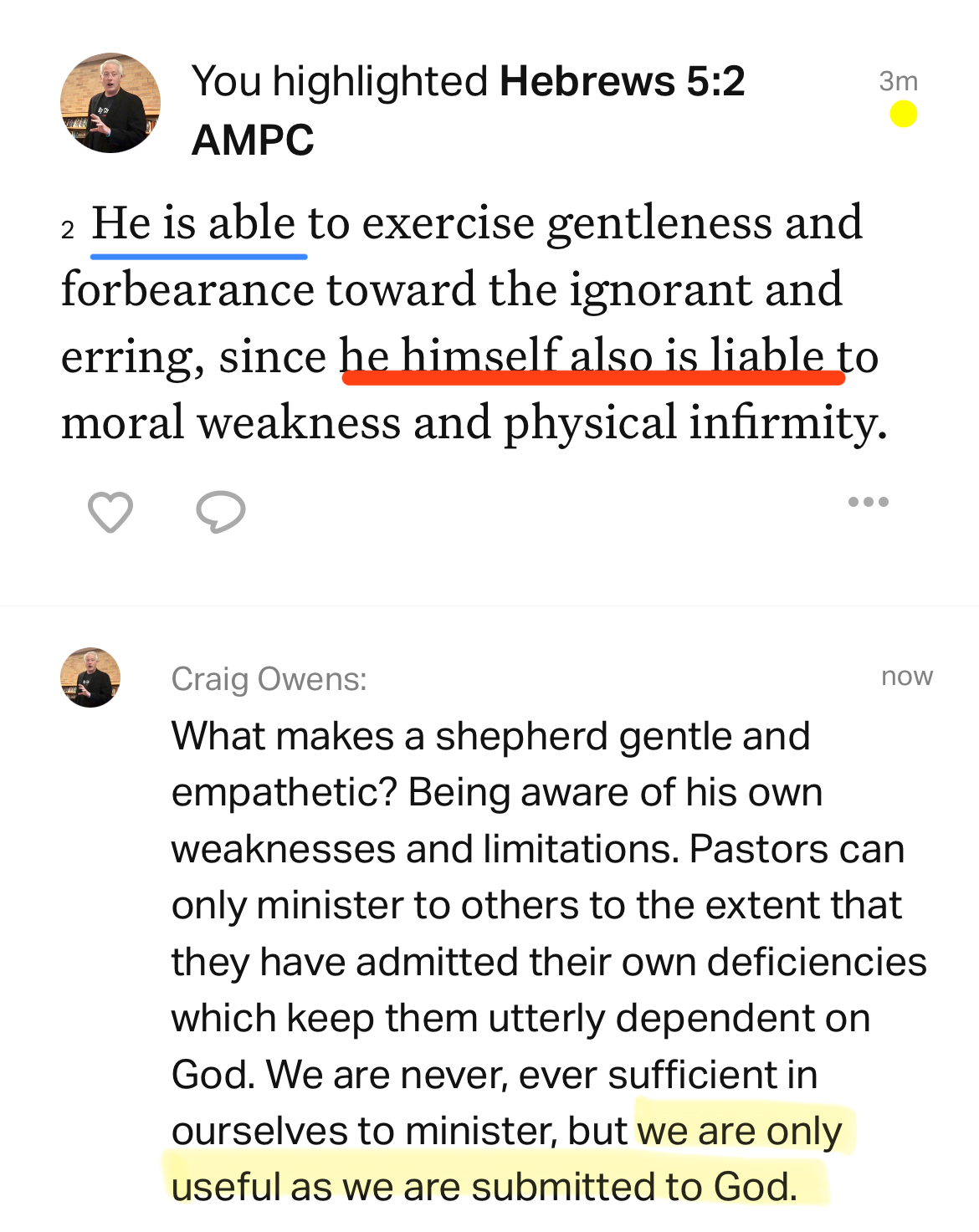
Because of the extensive prayer, research, and work I put into my book Shepherd Leadership, I am frequently drawn to passages of Scripture that reinforce the idea of pastors as shepherds. I was meditating on Hebrews 5:2 the other day, and I shared some of my thoughts with some of my pastor friends.

Links & Quotes

Salvation doesn’t arrive on Air Force One. This simple but profound reminder from Chuck Colson should send Christians to prayer instead of seeking a merely political solution. Check out my full message about trusting God vs. trusting the government hereI have lots of new content every week, which you can check out on my YouTube channel.

Matthew Walker, director of the Center for Human Sleep Science, says, “Sleep is the universal health care provider: whatever the physical or mental ailment, sleep has a prescription it can dispense.” It’s not just medical science, but the Bible also talks about the value of sleep, as Scott Hubbard explains in this post. I’ve also shared some posts about sleep here, here, and here.

Don’t you love the beautiful melody of songbirds? Being a percussionist, I’m attracted to the woodpeckers. Scientists have found that woodpeckers are the only non-songbird that share an identical genetic marker in their brains with songbirds. That means that the drumming of woodpeckers is actually a song!  Check out some additional fascinating insights about our drumming friends in this post. 

I love this story from the early 1900s! Small prayer meetings began to converge to become a Pentecostal revival in the Pacific Northwest. 

“What is the best thing in the world? To please its Creator. What is His will? To fulfill what He commanded, that is, to live rightly and dutifully to seek the Eternal; for duty and justice are the will of Him Who is dutiful and right. How do we seek this goal? By application. Then we must apply ourselves in duty and justice. What helps to maintain this practice? Understanding, which, while it winnows the remainder and finds nothing solid to rest in amongst those things which the world possesses, turns in wisdom to the one thing which is eternal.” —Columbanus

“Jesus taught us to pray that the Kingdom would come on earth in the same way that it exists in heaven. … Jesus made praying for the Kingdom the highest priority in our prayers after praising and honoring God. The Kingdom is more important than our daily needs. The Kingdom is more to be desired than that our sins should be forgiven or that we should be rescued through temptation [Matthew 6:9-13].” —T. M. Moore

Stephen O. Presley wrote, “If our modern world resembles the ancient one, perhaps we could glean some wisdom from the ways the early church navigated these murky waters. As Polycarp testifies, the Scriptures were essential to the early Christian apologetic. Passages such as Romans 13:1 and Matthew 22:21, alongside the examples of Old Testament figures such as Joseph and Daniel, guided the church’s vision for engaging the unbelieving world.” His post especially caught my eye after I shared a very similar message to my flock this past Sunday.

Sean McDowell sits down with an Old Testament professor to discuss 10 of the most bizarre OT passages (as selected by Sean’s X followers).