Thursdays With Spurgeon—Top Priority

This is a weekly series with things I’m reading and pondering from Charles Spurgeon. You can read the original seed thought here, or type “Thursdays With Spurgeon” in the search box to read more entries.

Listen to the podcast of this post by clicking on the player below, and you can also subscribe on AppleSpotify, or Audible. 

Top Priority

…For the mouth of the Lord has spoken (Isaiah 1:20).

     Every word that God has given us in the Bible claims our attention because of the infinite majesty of Him who spoke it. … See that you refuse not Him who speaks. O my hearer, let it not be said of you that you went through this life, God speaking to you in His book, and you refusing to hear! It matters very little whether you listen to me or not. But it matters a very great deal whether you listen to God or not. It is He who made you. In His hands is your breath. And if He speaks, I implore you, open your ears and be not rebellious. There is an infinite majesty about every line of Scripture, but especially about that part of Scripture in which the Lord reveals Himself and His glorious plan of saving grace in the Person of His dear Son Jesus Christ. …  

     For what He has spoken He still speaks to us, as freshly as if He spoke it for the first time. … 

     God’s Word has a claim, then, upon your attention because of its majesty and its condescension. But, further, it should win your ear because of its intrinsic importance. ‘The mouth of the Lord has spoken,’ so it is no trifle. God never speaks vanity. No line of His writing treats of the frivolous themes of the day. That which may be forgotten in an hour is for mortal man and not for the eternal God. When the Lord speaks, His speech is Godlike, and its themes are worthy of one who is dwelling in infinity and eternity. … 

     He speaks to you of great things that have to do with your soul and its destiny. It is not a vain thing for you, because it is your life. Your eternal existence, your happiness or your misery, hang on your treatment of that which the mouth of the Lord has spoken. … Treat not the Word of the Lord as a secondary thing that might wait your leisure and receive attention when no other work is before you. Put all else aside and hearken to your God.

From The Infallibility Of Scripture

Charles Spurgeon is so on-target with these words. Believe it or not, this sermon was actually delivered to his fellow pastors. But the words are true for all of us—we must make listening to God’s Word our first priority. 

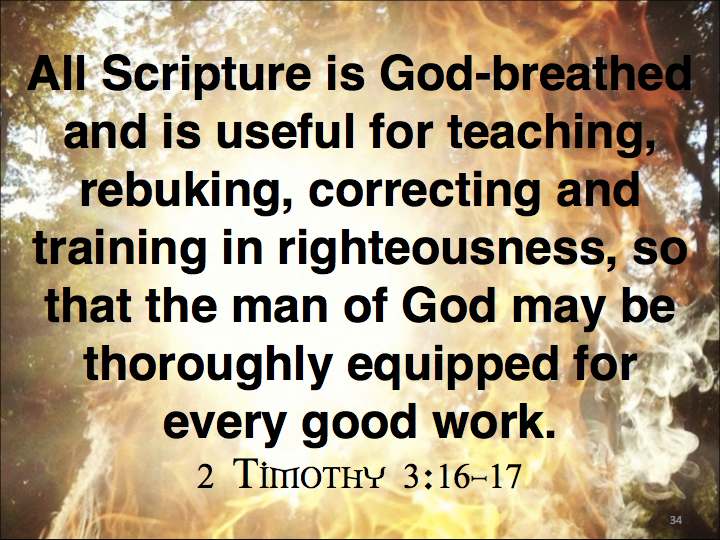
Every single word of Scripture is inspired by the Holy Spirit. And I do mean every single word. Even the order in which the words are listed is inspired. So when you read your Bible, ask the Holy Spirit—the Author of the text—to illuminate the words to you. Ask questions like:

  • What did that mean then? 
  • What does it mean now? 
  • What does it mean for me? 
  • Does something in my life need to change? 

If you make your time with God a priority, He will reveal more of Himself to you each time you open your Bible.

►► Would you please prayerfully consider supporting this ministry? My Patreon supporters get behind-the-scenes access to exclusive materials. ◀︎◀︎
Thursdays With Spurgeon—Encouragement For Preachers

This is a weekly series with things I’m reading and pondering from Charles Spurgeon. You can read the original seed thought here, or type “Thursdays With Spurgeon” in the search box to read more entries.

Listen to the podcast of this post by clicking on the player below, and you can also subscribe on AppleSpotify, or Audible. 

Encouragement For Preachers

…For the mouth of the Lord has spoken (Isaiah 1:20).

     We preach because ‘the mouth of the Lord has spoken.’ It would not be worth our while to speak what Isaiah had spoken if in it there was nothing more than Isaiah’s thought—neither should we care to meditate hour after hour upon the writings of Paul, if there was nothing more than Paul in them. … The true preacher, the man whom God has commissioned, delivers his message with awe and trembling because ‘the mouth of the Lord has spoken.’ … 

     Woe unto us if we dare to speak the Word of the Lord with less than our whole heart and soul and strength! Woe unto us if we handle the Word as if it were an occasion for display! If it were our own word, we might be studious of the graces of oratory. But if it is God’s Word, we cannot afford to think of ourselves. … Because the mouth of the Lord has spoken the truth of God, we therefore endeavor to preach it with absolute fidelity. …  

     Believing that ‘the mouth of the Lord has spoken,’ it is my duty to repeat God’s Word to you as correctly as I can after having heard it and felt it in my own soul. It is not mine to amend or adapt the gospel. …  Again, dear friends, as ‘the mouth of the Lord has spoken,’ we speak the divine truth with courage and full assurance. Modesty is a virtue, but hesitancy when we are speaking for the Lord is a great fault. …  

     We preach not the gospel by your leave. We do not ask tolerance nor court applause. We preach Christ crucified, and we preach boldly as we ought to speak because it is God’s Word not our own. … We cannot use ‘ifs’ and ‘buts,’ for we are dealing with God’s ‘shalls’ and ‘wills.’ If He says it is so, it is so. And there is the end of it. Controversy ceases when Jehovah speaks [Jeremiah 1:17-19].

From The Infallibility Of Scripture

Preaching God’s Word is not for the faint of heart. It takes one who is confidently humbled—confident that God has spoken and humbled that He would choose someone like me to speak His Word to His people. 

In my book Shepherd Leadership: The Metrics That Really Matter I wrote: 

Check this out: “Now Moses was a very humble man, more humble than anyone else on the face of the earth” (Numbers 12:3). Who wrote the book of Numbers? If you answered “Moses,” you are correct. Doesn’t that sound a bit brash to declare that you are more humble than anyone else on the earth? Yet, God allowed Moses to pen those words, making that a Holy Spirit-inspired statement of fact. Humility is a double-edged sword: it can serve a leader well when it is balanced with appropriate confidence, but it is a detriment to an organization’s health if it is self-de-basing humility that undercuts a leader’s credibility. 

The God-honoring preacher gets his message from the mouth of the Lord, and then confidently endeavors “to preach it with absolute fidelity.” Whether others praise of criticize, the humble leader says, “I am only God’s servant speaking God’s Word.” 

Preachers, let’s make sure that everything we confidently and humbly share from our pulpits is the whole counsel of what has been spoken by the mouth of the Lord.

►► Would you please prayerfully consider supporting this ministry? My Patreon supporters get behind-the-scenes access to exclusive materials. ◀︎◀︎
Thursdays With Spurgeon—The Final, Authoritative Word

This is a weekly series with things I’m reading and pondering from Charles Spurgeon. You can read the original seed thought here, or type “Thursdays With Spurgeon” in the search box to read more entries.

Listen to the podcast of this post by clicking on the player below, and you can also subscribe on AppleSpotify, or Audible. 

The Final, Authoritative Word

…For the mouth of the Lord has spoken (Isaiah 1:20).

     It would not be worth our while to speak what Isaiah had spoken if in it there was nothing more than Isaiah’s thought—neither should we care to meditate hour after hour upon the writings of Paul, if there was nothing more than Paul in them. … 

     It is not mine to amend or adapt the gospel. What? Shall we attempt to improve upon what God has revealed? The Infinitely Wise to be corrected by creatures of a day? Is the infallible revelation of the infallible Jehovah to be shaped, moderated, and toned down to the fashions and fancies of the hour? God forgive us if we have ever altered His Word unwittingly. … 

     One Word of God is worth more than libraries of human lore. ‘It is written’ is the great gun which silences all the batteries of man’s thought.

From The Infallibility Of Scripture

As Solomon neared the end of his writings in the Book of Ecclesiastes, he made this observation, “Of making many books there is no end, and much study wearies the body” (12:12). How true that is. Have you walked through a bookstore lately?! There is no end to the opinions that people want to share with you. 

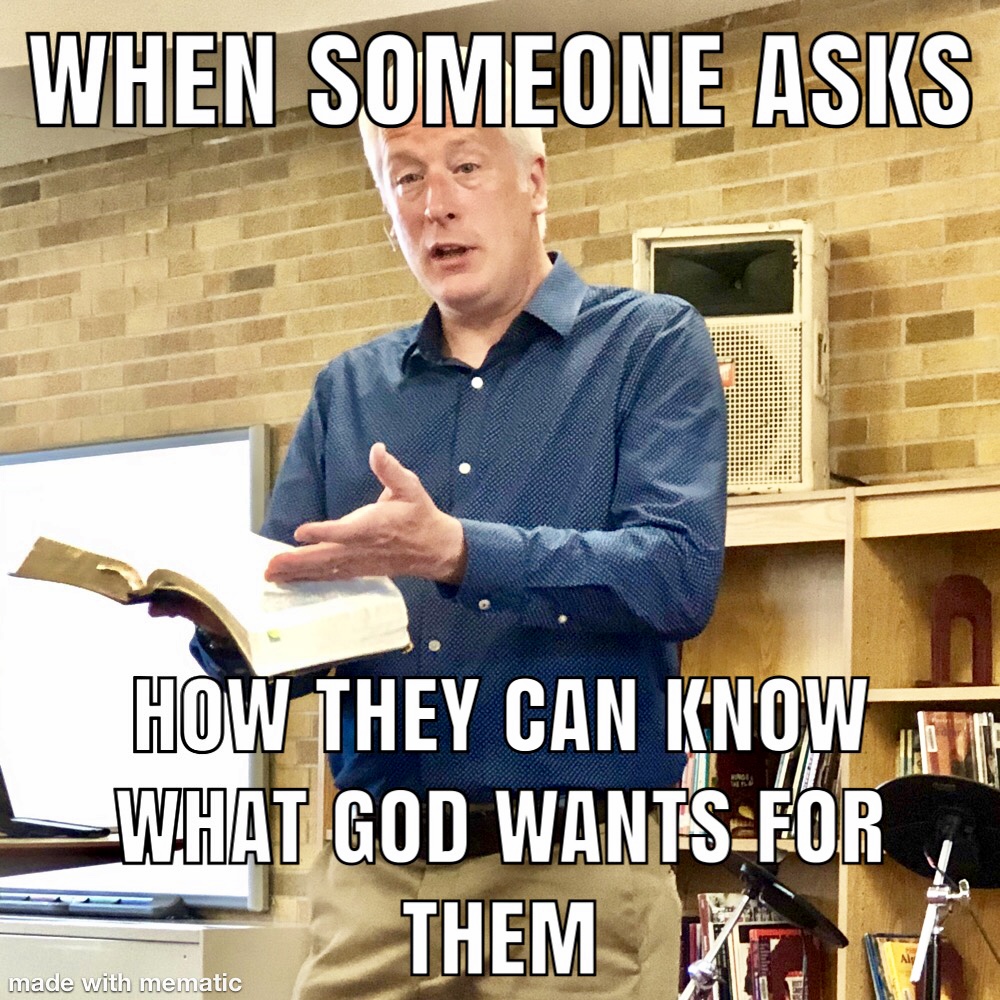
But there is one thing that all of the books in all of the bookstores and all of the libraries have in common: not one of them is given to us by “the mouth of the Lord.” 

There are certainly many, many books that are saturated in Scripture, but they are still the opinions of man. We need to make sure that everything we read, or every wise person that we listen to, or even every conversation that we have with ourselves are all proven to be true or false based on what God has spoken.

Jesus told us that the Holy Spirit would remind us of everything God’s mouth had spoken to us (John 14:26), and that He would guide us into all truth (John 16:13). 

So go ahead and search out wise, godly books and wise, godly counselors. But remember that their word is not the final word—only the words that come from the mouth of the Lord are the authoritative words you should apply to your life.

►► Would you please prayerfully consider supporting this ministry? My Patreon supporters get behind-the-scenes access to exclusive materials. ◀︎◀︎

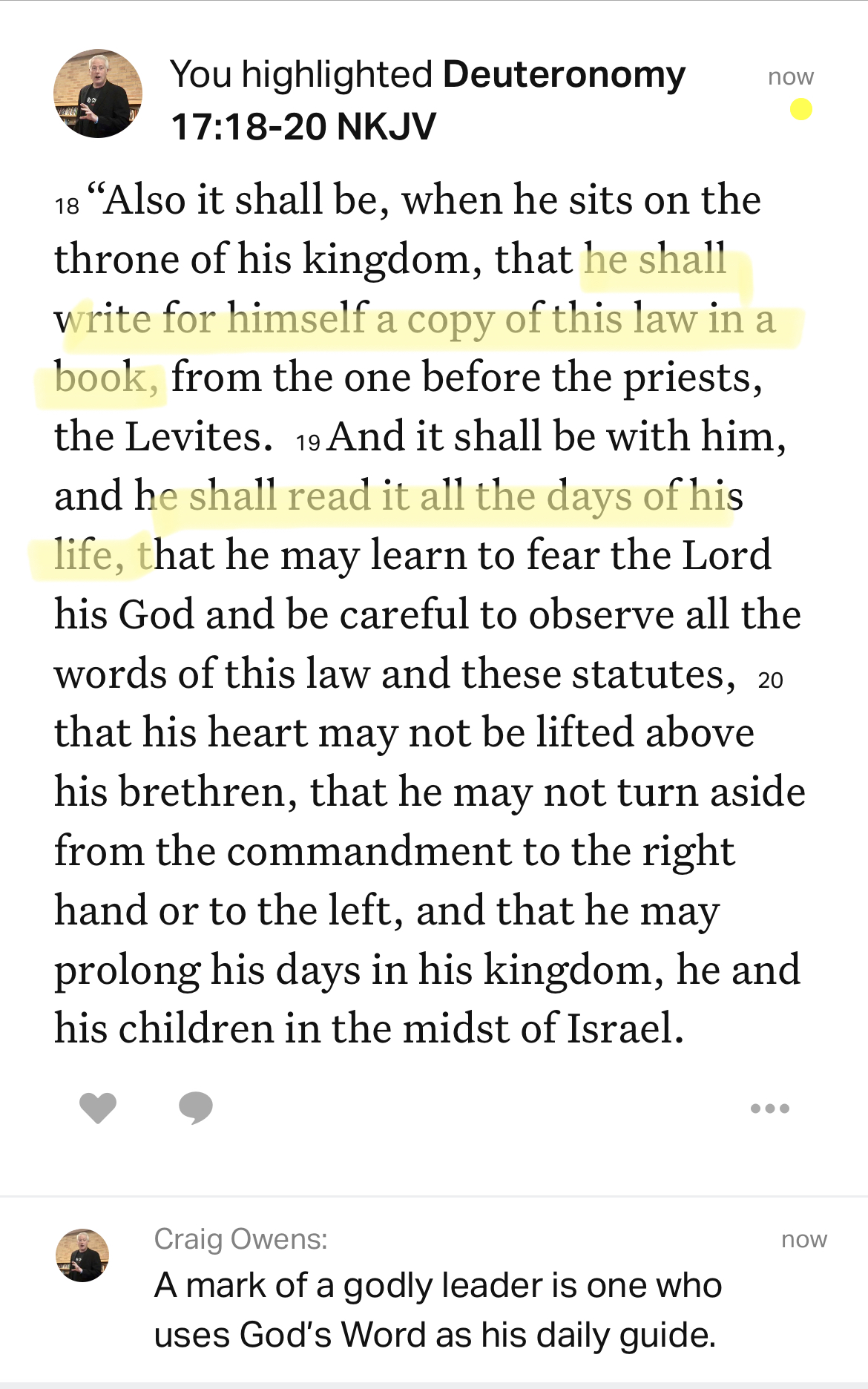
A Leader’s Daily Guide

Listen to the podcast of this post by clicking on the player below, and you can also subscribe on AppleSpotify, or Audible. 

Sometimes it’s best just to let the Bible speak for itself. 

As Moses was preparing the Israelites for life in the land God has promised them, he had these words for them about their leaders—

When you enter the land the Lord your God is giving you and have taken possession of it and settled in it, and you say, “Let us set a king over us like all the nations around us,” be sure to appoint over you a king the Lord your God chooses. … When he takes the throne of his kingdom, he is to write for himself on a scroll a copy of this law, taken from that of the Levitical priests. It is to be with him, and he is to read it all the days of his life so that he may learn to revere the Lord his God and follow carefully all the words of this law and these decrees and not consider himself better than his fellow Israelites and turn from the law to the right or to the left…. (Deuteronomy 17:14-15, 18-20) 

A mark of a godly leader is one who uses God’s Word as his daily guide.

This is part 64 in my series on godly leadership. You can check out all of my posts in this series by clicking here. 

►► Would you please prayerfully consider supporting this ministry? My Patreon supporters get behind-the-scenes access to exclusive materials. ◀︎◀︎
Poetry Saturday—For Fear Of Feeble Man

Listen to the podcast of this post by clicking on the player below, and you can also subscribe on AppleSpotify, or Audible.

Shall I, for fear of feeble man,
The Spirit’s course in me restrain?
Or, undismayed, in deed and word
Be a true witness for my Lord?

Awed by a mortal’s frown, shall I
Conceal the Word of God Most High?
How then before Thee shall I dare
To stand, or how Thine anger bear?

Shall I, to soothe the unholy throng,
Soften Thy truths, and smooth my tongue,
To gain earth’s gilded toys, or flee
The Cross, endured, my God, by Thee?

What then is he whose scorn I dread,
Whose wrath or hate makes me afraid?
A man! an heir of death! a slave
To sin! a bubble on the wave!

Yea, let men rage, since Thou wilt spread
Thy shadowing wings around my head;
Since in all pain Thy tender love
Will still my sure refreshment prove.

Savior of men, Thy searching eye
Doth all my inmost thoughts descry;
Doth aught on earth my wishes raise,
Or the world’s pleasures, or its praise?

The love of Christ doth me constrain
To seek the wandering souls of men;
With cries, entreaties, tears, to save,
To snatch them from the gaping grave.

For this let men revile my name.
No cross I shun, I fear no shame,
All hail, reproach, and welcome, pain!
Only Thy terrors, Lord, restrain.

My life, my blood, I here present,
If for Thy truth they may be spent,
Fulfill Thy sovereign counsel, Lord!
Thy will be done, Thy Name adored!

Give me Thy strength, O God of power;
Then let winds blow, or thunders roar,
Thy faithful witness will I be:
’Tis fixed; I can do all through Thee! —Johann Joseph Winckler (translated by John Wesley)

►► Would you please prayerfully consider supporting this ministry? My Patreon supporters get behind-the-scenes access to exclusive materials. ◀︎◀︎
Thursdays With Spurgeon—The Mouth Of The Lord Has Spoken

This is a weekly series with things I’m reading and pondering from Charles Spurgeon. You can read the original seed thought here, or type “Thursdays With Spurgeon” in the search box to read more entries.

Listen to the podcast of this post by clicking on the player below, and you can also subscribe on AppleSpotify, or Audible. 

The Mouth Of The Lord Has Spoken

…For the mouth of the Lord has spoken (Isaiah 1:20).

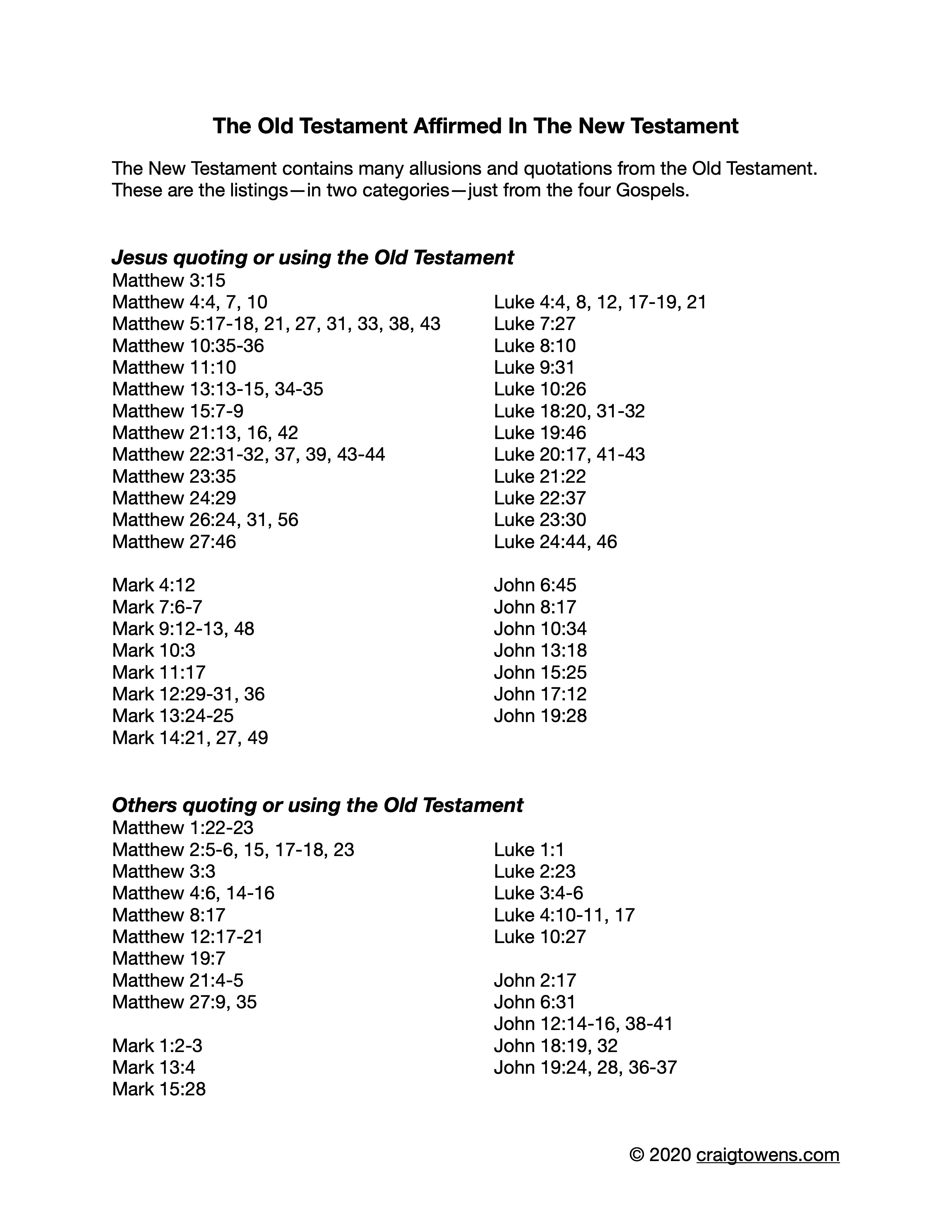
     However this sacred Book may be treated nowadays, it was not treated contemptuously, nor negligently, nor questioningly by the Lord Jesus Christ, our Master and Lord. It is noteworthy how He reverenced the written Word. The Spirit of God rested upon Him personally, without measure, and He could speak out of His own mind the revelation of God, and yet He continually quoted the Law, and the Prophets, and the Psalms…. I am sure, brethren, we cannot be wrong in imitating the example of our divine Lord in our reverence for that Scripture, which cannot be broken. … 

     The New Testament writers sit reverently down before the Old Testament and receive God’s words as such without any question whatever. You and I belong to a school that will continue to do the same, let others adopt what behavior they please. As for us and for our house, this priceless Book will remain the standard of our faith and the ground of our hope so long as we live.

From The Infallibility Of Scripture

As I have discussed before, the 39 books of the Old Testament were called “Scripture” by Jesus and those living in that same era. The New Testament writers saw Jesus as the fulfillment of those Old Testament Scripture, and what they wrote for us then became Scripture also (Luke 4:18-21; 24:27, 44-45; John 2:22, 17:12; Acts 1:16, 8:35; Galatians 3:8, 16, 22; James 2:8, 23, 4:5-6; 1 Peter 2:6; 2 Peter 3:16). 

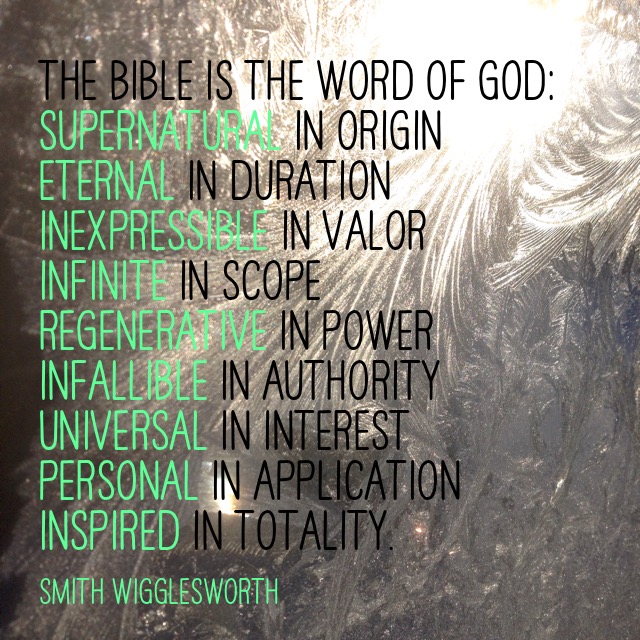
When we read the Bible, we are reading words from the mouth of God Himself! 

This Book is the measure of truth, the guide for our lives, and the blessed assurance we need as we anticipate the second advent of Jesus. We need to be much in this Sacred Book!

►► Would you please prayerfully consider supporting this ministry? My Patreon supporters get behind-the-scenes access to exclusive materials. ◀︎◀︎

Poetry Saturday—I Have Made Thy Word My Choice

Listen to the podcast of this post by clicking on the player below, and you can also subscribe on AppleSpotify, or Audible.

Lord, I have made Thy Word my choice,
My lasting heritage;
There shall my noblest pow’rs rejoice,
My warmest thoughts engage.

I’ll read the histories of Thy love,
And keep Thy laws in sight;
While through Thy promises I rove,
With ever fresh delight.

’Tis a broad land of wealth unknown,
Where springs of life arise,
Seeds of immortal bliss are sown,
And hidden glory lies.

My faith and love and every grace
Fall far below Thy Word, 
For perfect truth and righteousness
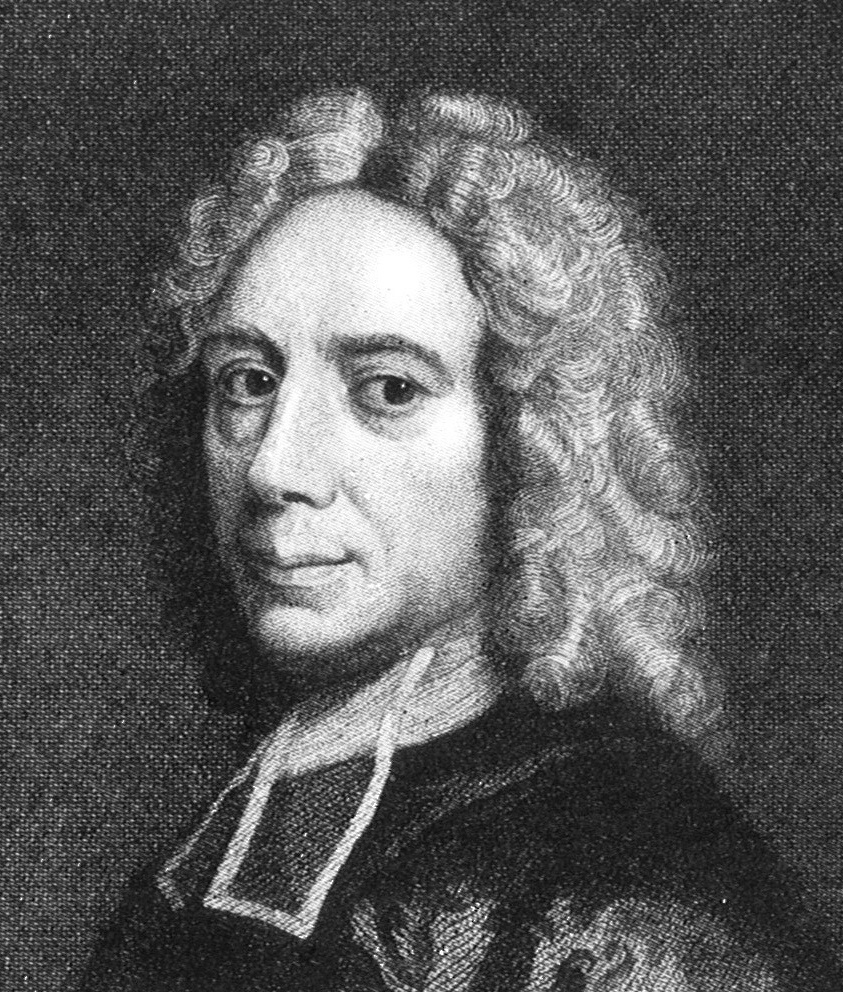
Dwell only with the Lord. —Isaac Watts

►► Would you please prayerfully consider supporting this ministry? My Patreon supporters get behind-the-scenes access to exclusive materials. ◀︎◀︎
The Proper Value Of Words

Listen to the podcast of this post by clicking on the player below, and you can also subscribe on AppleSpotify, or Audible. 

I once knew a businessman who was one of the most silver-tongued talkers I have ever met! He could persuade just about anyone to join him in one of his “can’t miss” business ventures. 

And even after they did miss (which was all of them that I was aware of) he could still convince many of his backers to continue. I never knew him to fulfill what he had promised. 

Eventually, this caught up with him. And so did the law, and he ended up serving a prison term. 

It has always been intriguing to me how much value we put on the words of leaders. It seems as if they can “talk a good game,” we feel a need to exalt them to a higher level. It’s not the one who gets things done, or the one who has the best ideas, or the one who can bring increased efficiency or effectiveness, but the one who can talk the most convincingly. 

I think about in my own profession as a pastor. Churches will select a pastor based on how he sounds from the platform. And yet the sermon is only a tiny fraction of a pastor’s work each week. 

The danger comes when the leader thinks that his highest value to the organization is the words he speaks. Inevitably, then, he will put more effort into what he says than into what he does. He will spend a lot of time figuring out the right words to say, and how to move people’s hearts. 

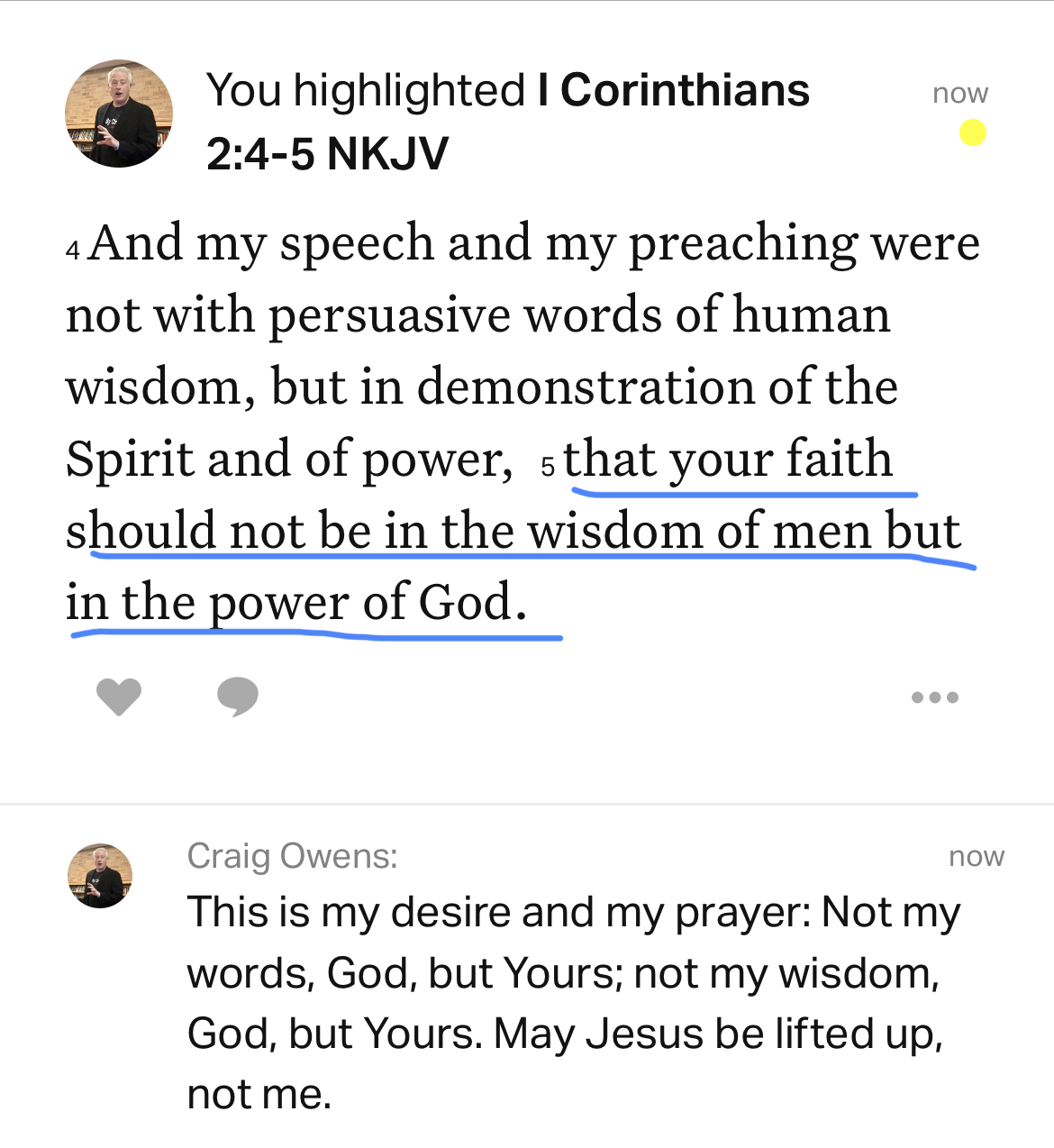
The apostle Paul told the Christians at Corinth, “My speech and my preaching were not with persuasive words of human wisdom” (1 Corinthians 2:4). And he told the Christians at Thessalonica, “For you remember what we taught you by the authority of the Lord Jesus” (1 Thessalonians 4:2), not Paul’s own authority. 

I don’t want people to be impressed with me. I don’t want my authority to come from my vocabulary. I simply want to be known for speaking the Word of God, and then living a life that matches the Word of God. 

As King Solomon said, “A truly wise person uses few words” (Proverbs 17:27). The wisest words are not mine but God’s. Then “your faith [is] not in the wisdom of men but in the power of God” (1 Corinthians 2:5). 

Words do have their place. But let’s always make sure that that place isn’t in place of God’s Word. 

►► Would you please prayerfully consider supporting this ministry? My Patreon supporters get behind-the-scenes access to exclusive materials. ◀︎◀︎
Thursdays With Spurgeon—Logical Conclusions

This is a weekly series with things I’m reading and pondering from Charles Spurgeon. You can read the original seed thought here, or type “Thursdays With Spurgeon” in the search box to read more entries.

Listen to the podcast of this post by clicking on the player below, and you can also subscribe on AppleSpotify, or Audible. 

Logical Conclusions 

     Every doctrine of the Word of God has its practical bearing. … Hence you will find the apostle Paul very full of ‘therefores.’ … I marvel that our excellent translators should have divided the argument from the conclusion by making a new chapter where there is least reason for it. 

From The Watchword For Today: “Stand Fast”


The Bible is the most practical, applicable, and timeless Book I know! In order for this Book to be of both immediate and eternal help to us, it has to be a book that is logical. The Bible is a logical book, but far too many readers miss the logic unfolding right before their eyes. 

In this particular sermon, Charles Spurgeon takes his text from Paul’s letter to the Philippians, so let me use that epistle as an example. There are three logic signposts that I would ask you to look for: therefore, so that, and if…then. 

Let’s start with “therefore.” I have trained myself—and I endeavor to train the folks in my church—to ask this question every time they come to the word “therefore” in the Bible: What’s that there for? Therefore always signals a logical conclusion to a set of premises that are constructing the argument. As Spurgeon mentioned, sometimes the verse and chapter breaks can obscure this, so we must always go back from the “therefore” to see what the argument was. 

I find the word “therefore” used three times in this letter in the New International Version: 

  • Therefore God exalted Him [Jesus] to the highest place and gave Him the name that is above every name (2:9). What’s it there for? Because Jesus was obedient, therefore God exalted His name. 
  • Therefore, my dear friends, as you have always obeyed—not only in my presence, but now much more in my absence—continue to work out your salvation with fear and trembling (2:12). What’s it there for? Because Jesus has conquered death and purchased our salvation, therefore this is how Christians should now live. 
  • Therefore, my brothers and sisters, you whom I love and long for, my joy and crown, stand firm in the Lord in this way, dear friends! (4:1). What’s it there for? Because our citizenship is in Heaven, we must stand firm in that hope. 

A second logical statement to watch for when you’re reading is “so that.” This logical phrase, much like “therefore,” is telling us what comes next in light of what came before. I see this phrase multiple times in Philippians (1:10, 13, 20, 26; 2:15, 19, 28; 3:21). 

Finally, watch for those “if…then” statements. These also follow the logical argument of, “If you do this, then this will happen” or “If you ignore or disobey this, then you can expect this to follow.” I see this quite clearly in Philippians 2:1-2 and 4:8-9. 

Don’t rush through your Bible reading time. Slow down and watch for these very logical and practical arguments—the Bible is absolutely full of them! By reading your Bible this way, you will be getting your doctrine directly from the Holy Spirit, which is the best way to know the heart of God. 

If you’re interested in digging deeper into this, I’ve shared some other Bible studies you can try:

►► Would you please prayerfully consider supporting this ministry? My Patreon supporters get behind-the-scenes access to exclusive materials. ◀︎◀︎
Thursdays With Spurgeon—Three Keys To Effective Prayer

This is a weekly series with things I’m reading and pondering from Charles Spurgeon. You can read the original seed thought here, or type “Thursdays With Spurgeon” in the search box to read more entries.

Listen to the podcast of this post by clicking on the player below, and you can also subscribe on AppleSpotify, or Audible. 

Three Keys To Effective Prayer 

     Why is this extraordinary power of prayer given to those who abide in Christ? May what I have to say encourage you to make the glorious attempt to win this pearl of great price! Why is it, that by abiding in Christ and having His words abide in us, we get to this liberty and prevalence in prayer? … 

     I answer, first, because of the fullness of Christ. … I see clearly enough why the branch gets all it wants while it abides in the stem, since all it wants is already in the stem and is placed there for the sake of the branch. What does the branch want more than the stem can give it? If it did want more, it could not get it. For it has no other means of living but by sucking its life out of the stem. O my precious Lord, if I want anything that is not in You, I desire always to be without it. I desire to be denied a wish that wanders outside of You. But if the supply of my desire is already in You for me, why should I go elsewhere? You are my all, where else should I look? … 

     The next reason for this is the richness of the Word of God. … The best praying man is the man who is most believingly familiar with the promises of God. After all, prayer is nothing but taking God’s promises to Him and saying to Him, ‘Do as You have said.’ … If the Word of God abides in you, you are the man who can pray because you meet the great God with His own words…. 

     A man will succeed in prayer when his faith is strong. And this is the case with those who abide in Jesus. It is faith that prevails in prayer. The real eloquence of prayer is a believing desire. ‘All things are possible to him who believes’ (Mark 9:23). A man abiding in Christ, with Christ’s words abiding in him, is eminently a believer and consequently eminently successful in prayer.

 From The Secret Of Power In Prayer

God Himself has told us, “Call to Me and I will answer you and tell you great and unsearchable things you do not know” (Jeremiah 33:3). Not “I might answer you,” but “I will answer you.” 

God also tells us how to receive what we ask in prayer:

  1. Abide in Jesus. Desire nothing else but to know His heart more intimately. 
  2. Know God’s Word. The Bible isn’t just a Book to be read through, but it’s a Book to be prayed through. 
  3. Stretch your faith. A desperate father said to Jesus, “If You can, please help us.” Jesus admonished that father—and all of us too—to believe that Jesus is able to accomplish what we ask of Him. And then comes this great exclamation from that same desperate father: “I do believe; help me overcome my unbelief!” The God that wants us to have faith in Him for answered prayers is the same God Who imparts that faith to us. How? By abiding in Jesus and taking God at His Word. 

Don’t give up, my friend. Keep praying. There is no other way to learn to pray more effectively than to keep on abiding in Jesus, keep on claiming the biblical promises, and keep on stretching your faith to present your prayer request to Him again.

►► Would you please prayerfully consider supporting this ministry? My Patreon supporters get behind-the-scenes access to exclusive materials. ◀︎◀︎