Links & Quotes

We are to love the sinner but hate the sin. This is hard to do, especially when the sin they are doing is directed at us and making us angry! Jesus gave us a great example in these times of high anger: withdraw. Check out my full message “A Christlike Response to Skeptics.” I have lots of new content every week, which you can check out on my YouTube channel.

“In many pagan religions the purpose of worship is to placate the gods—to keep them happy and to stay on their good side, lest they mess with, you know, the harvest or procreation or whatever. Worship is thus a work pagans do to earn or keep the favor of their deity. Christians don’t worship to placate God or earn His favor. We don’t worship to make God happy or bring Him pleasure. God is all-satisfied, all-happy, and all-pleased in Himself alone. We add nothing to Him when we come together to worship. At the same time, as we worship, God adds Himself to us. He deigns to commune with us, inhabits our praises, and brings us into His presence and joy in ways that transform all we are, think, feel, value, say, and do. … In worship, rightly conceived and conducted, our minds and imaginations expand beyond their everyday thoughts and dreams, stretched and molded to fill up with the glory of the heavenly throne room, to be conformed to the mind of Christ, and to see the world as He does (1 Corinthians 2:16).” —T.M. Moore

J. Warner Wallace shares two reasons why we can still consider the Bible relevant today.

My grandpa had honey bees on his farm, and I’ve been intrigued by them ever since that time. In fact, honey bees were subject of my semester-long research project in my ecology class. So I’m always fascinated to read more discoveries about these amazing insects!
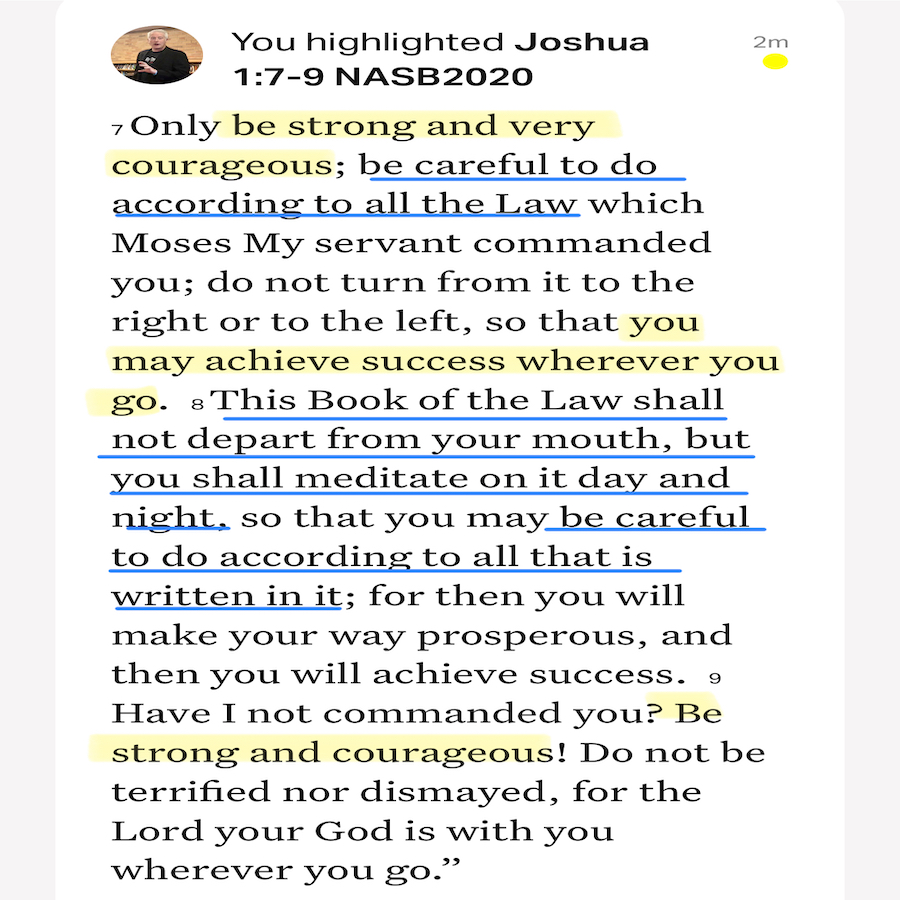
The level of a leader’s strength and courage is directly tied to the leader’s meditation upon God’s word. God’s wisdom transforms a leader’s heart and sharpens his thoughts. This is what gives the leader the necessary courage to lead people in a God-honoring way. I have a whole series of posts on godly leadership where I expand more on these thoughts. 
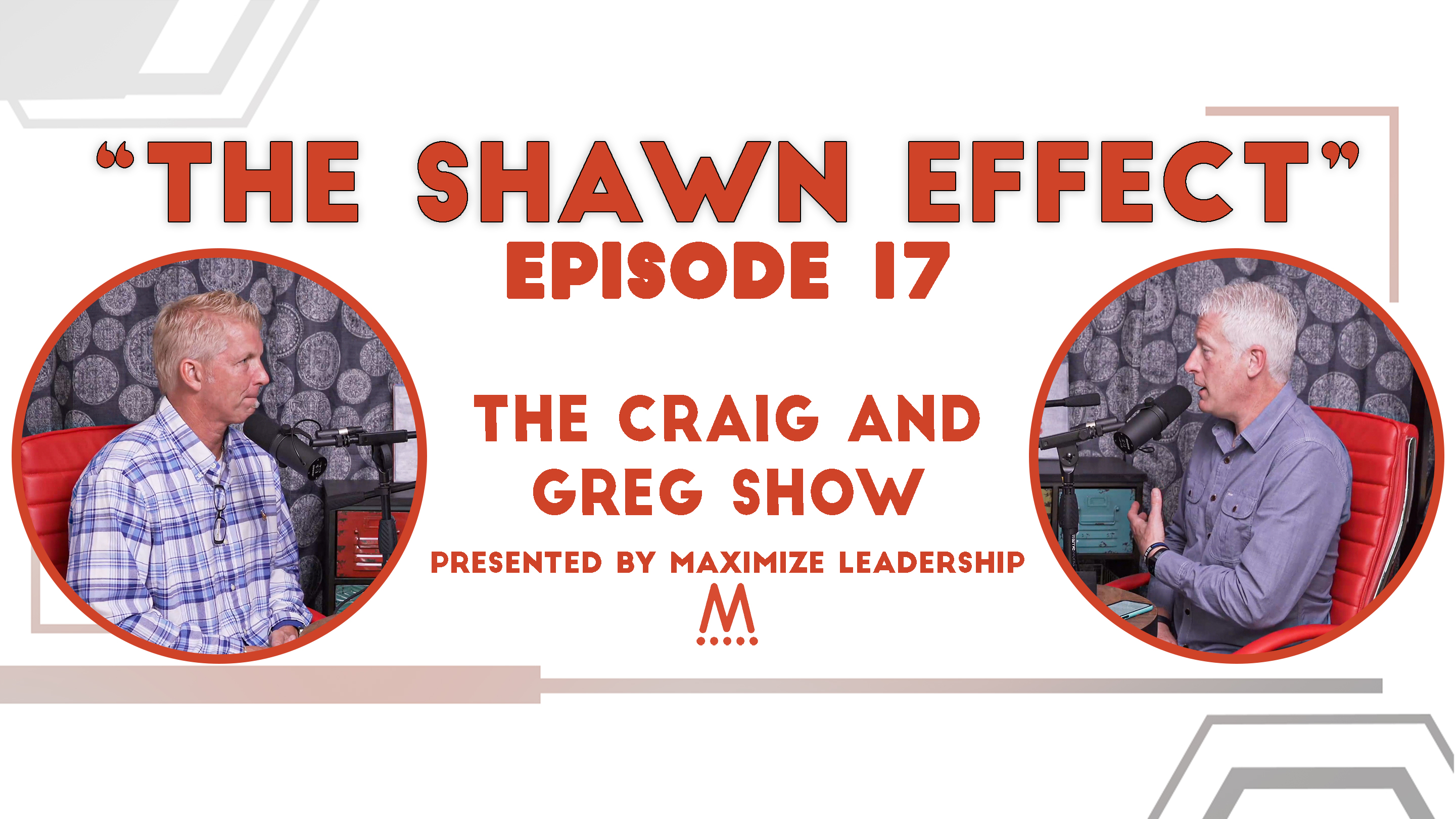
The Craig And Greg Show: Talking About “The Shawn Effect”

On this episode of “The Craig And Greg Show” we talk about: 

  • Greg’s booked called The Shawn Effect
  • what leaders look like [1:14] 
  • leaders make friends easily [2:53]
  • how you can get a free copy of The Shawn Effect [3:53]
  • Shawn’s parents set him up for success [5:15]
  • leaders get informed so they can interact with others and stay relevant [6:28]
  • Shawn demonstrated chivalry and trained young men to be gentlemen [7:53]
  • leaders don’t need a platform or a big following to be an influencer [8:40]
  • Shawn shows how leaders love [10:33]
  • leaders are encouragers [11:37]
  • leaders are readers and appliers [12:27]

Check out this episode and subscribe on YouTube so you can watch all of the upcoming episodes. You can also listen to our podcast on Spotify and Apple.

Thursdays With Oswald—Jeremiah 25-26

Oswald ChambersThis is a weekly series with things I’m reading and pondering from Oswald Chambers. You can read the original seed thought here, or type “Thursdays With Oswald” in the search box to read more entries.

Jeremiah 25-26

[These are notes from Oswald Chambers’ lecture on Jeremiah 25-26.] 

     The prophets were holy men, not mechanisms; they were “moved by the Holy Ghost” [2 Peter 1:21] to say what they did. Each prophet had a distinct characteristic of his own, they were not all “moved” in the same way. We are not meant to be “channels only,” we are infinitely more responsible than “channels.” …

     Jeremiah continually warned the people that if they did not repent and come up to God’s standard for them, He would blight all that they possessed, including Jerusalem and the Temple. That was what enraged them against Jeremiah. They said he used his prophetic right to tell an untruth; for, they argued, God would never destroy His own holy city or the Temple in which He was worshiped (26:11). Any position before God based on a foundation other than living in the light of God and depending upon Him, is doomed to destruction.

From Notes On Jeremiah

God’s Word is still as viable and applicable to us today as it was in the days that Jeremiah and the other prophets spoke, and in the days the New Testament authors penned their words. 

J.C. Ryle issued this warning to us, “Let us beware of despising the Old Testament under any pretense whatever. Let us never listen to those who bid us throw it aside as an obsolete, antiquated, useless book. The religion of the Old Testament is the embryo of Christianity. The Old Testament is the Gospel in the bud. The New Testament is the Gospel in full flower. The Old Testament is the Gospel in the blade. The New Testament is the Gospel in full ear.” 

God’s Word IS speaking to us today. The question is—are you and I willing to obey what God says to us, or are we more interested in making arguments about its relevance? 

Be A Foolish Preacher

Pastor, do you realize how clever we try to be?

  • We come up with a catchy sermon series and add some stylish graphics.
  • Then we labor over sermon titles that sound so compelling.
  • As we write our sermons we try to dream up memorable patterns, like all three of our main points start with “S,” or we spell out the word “P.E.A.C.E.”

When the truth of the matter is, what we’re saying is foolishness.

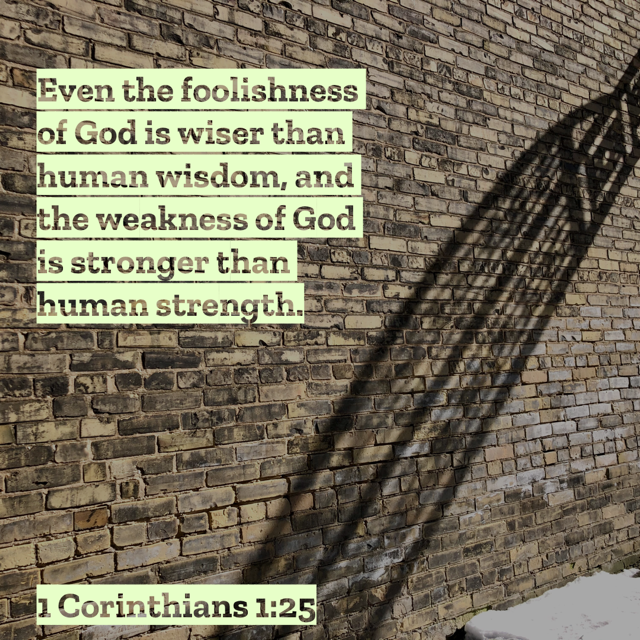
Where is the wise man? Where is the scholar? Where is the philosopher of this age? Has not God made foolish the wisdom of the world? For since in the wisdom of God the world through its wisdom did not know Him, God was pleased through the foolishness of what was preached to save those who believe. Jews demand miraculous signs and Greeks look for wisdom, but we preach Christ crucified: a stumbling block to Jews and foolishness to Gentiles, but to those whom God has called, both Jews and Greeks, Christ the power of God and the wisdom of God. For the foolishness of God is wiser than man’s wisdom, and the weakness of God is stronger than man’s strength. (1 Corinthians 1:20-25)

You don’t have to try to make God’s Word clever. It is already profound!

You don’t have to try to make it memorable. The Holy Spirit makes it memorable (John 14:26)!

You don’t have to make the Bible relevant. It is the most relevant, applicable wisdom that humanity has ever known! 

D.L. Moody said it this way:

“If God has given you a message, go and give it to the people as God has given it to you. It is a stupid thing for a man to try to be eloquent. Make your message, and not yourself, the most prominent thing. Don’t be self-conscious. Set your heart on what God has given you to do, and don’t be so foolish as to let your own difficulties or your own abilities stand in the way.”

Don’t try to be clever. Just be Spirit-led and you will utter the most profound, compelling, and memorable words ever spoken by a preacher!