Perfect Tactics

Listen to the podcast of this post by clicking on the player below, and you can also subscribe on AppleSpotify, or Audible. 

In the mid-1930s, a German who fought in World War I as a lieutenant colonel published his book Infantry Attacks. This book recounted his heroic and innovative tactics that earned him battlefield success throughout that war. As World War II loomed, the popularity of this officer and his book compelled Adolf Hitler to appoint him field commander, even though he didn’t come from the prestigious family lines that were typical of other German officers. 

This field commander began adapting the tactics he had used with his infantry in WWI to the tanks that were now under his command in WWII. His success was so swift and noteworthy in northern Africa that he quickly earned the nickname “the Desert Fox.” This is Edwin Rommel. 

In Infantry Attacks, Rommel describes how his shock troops used speed, deception, and deep penetration into enemy territory to surprise and overwhelm. He used innovative tactics like assigning a small team of men to approach enemy lines from the direction in which his enemy expected the attack, which was really just concealing the bulk of his troops who were sneaking to the flanks and rears of the defenders to take them by surprise. These tactics usually intimidated his enemies into surrendering, which helped him avoid unnecessary risks to his supply lines and soldiers. 

But were these tactics truly innovative? If we look back in history we will discover a masterful tactician that used these maneuvers with his troops 3000 years before Rommel did! 

Joshua was the renown field commander of the Israelite army as they moved into the Promised Land. See if some of his tactics sound similar to those Rommel employed. 

  • A fake frontal assault to distract the enemy from the concealed special forces—Joshua 8:1-7, 18-19 
  • An early-morning surprise attack after an all-night march—10:7-10 
  • A divide-and-conquer campaign: the southern campaign was a relentless push (10:29-38, 41-42); the northern campaign relied on a surprise attack (11:1-9) 

(Check out all of the Scriptures in this post by clicking here.) 

Joshua knew God’s voice (Exodus 33:11) and we see it in his tactics. Notice how many times we read about Joshua hearing God’s voice (8:1, 18; 10:8, 10, 42; 11:6, 8). In fact, “The Lord said” appears 15 times in the Book of Joshua! 

The only time Joshua experienced any casualties at all was when he attacked the little town of Ai after their major victory at Jericho without getting God’s tactics first (7:1-12). In this case, Joshua made his tactics based on what “they said.” 

Presumption is so dangerous! We should never think, “This is how God did it last time, so I’ll just copy-and-paste that same prayer and that same tactic in this situation.” After the Israelites repented of their sin, God did give them the precise tactics to defeat Ai, which is what we already saw in Joshua 8. 

The next update we read about Joshua’s troops is, “The whole army then returned safely to Joshua in the camp at Makkedah” (Joshua 10:21). That isn’t miraculous, but it is the expected outcome because all of Joshua’s tactics were from God Himself.

The United States had a general who matched wits with Rommel in WWII. General George Patton wrote this in his diary, “In forty hours I shall be in battle, with little information, and on the spur of the moment will have to make the most momentous decisions. But I believe that one’s spirit enlarges with responsibility and that, with God’s help, I shall make them, and make them right.” 

General Patton was half-right: God will give directions, but we don’t have to wait until we’re in the heat of the battle; God can give us perfect tactics before the battle begins. 

This reminds me of what God said through the prophet—“Whether you turn to the right or to the left, your ears will hear a Voice behind you, saying, ‘This is the way; walk in it’” (Isaiah 30:21). This is foretelling what Jesus said the Holy Spirit would do for us (John 14:26, 16:13). God’s Voice must be the one and only Source of guidance in our spiritual warfare. 

Remember what God told Joshua in Joshua 1:7-8 that he should read and meditate on God’s word at every moment. The writer of Hebrews addresses the same idea about God’s Voice that is heard through His Word, and how this is to be our weapon and Source of strategy as well (Hebrews 4:1-12). 

The perfect tactic for every situation, every conversation, every attack, every opportunity is found in the inspired Word of God. Never presume you know what to do, but let the Holy Spirit illuminate the perfect tactic to you for each unique situation. 

If you have missed any of the messages in our series called The Lord’s Army, please click here. 

►► Would you please prayerfully consider supporting this ministry? My Patreon supporters get behind-the-scenes access to exclusive materials. ◀︎◀︎
God Is Always Revealing Himself

There the angel of the Lord appeared to Moses in a blazing fire from the middle of a bush. (Exodus 3:2 NLT) 

Chris Quilala said, “Throughout history God has revealed Himself in many different ways, leaving those touched by Him forever changed. … God’s miraculous display is never without purpose.” 

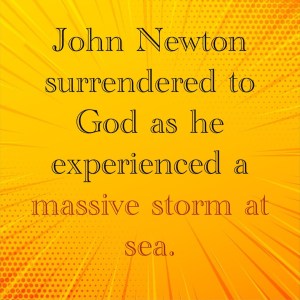
Even outside the Bible, William Wilberforce was convinced of God’s creative power by watching a spider weave her web; C.S. Lewis believed in God’s presence by watching the wind swirl some leaves; John Newton fell to his knees in surrender on board a ship as he experienced God’s awesome power in a massive storm at sea. 

God is always revealing Himself—always speaking to us.

Are you open to hearing His voice in both miraculous and everyday ways? 

I pray am.

Is That God’s Voice?

Listen to the podcast of this post by clicking on the player below, and you can also subscribe on AppleSpotify, or Audible. 

How can we tell if God is trying to get our attention through the words of somebody else? Let’s unpack that on this episode of The Podcast. 

The Scriptures I reference in this episode—Numbers 22:21-30; 2 Chronicles 35:20-24; 2 Kings 18; James 1:19; Genesis 3:1-5; Matthew 4:1-10.

You may also want to check out my blog post and video The Value of Journaling where I talk about how I capture thoughts, prayers, conversations from others, Scripture verses and more when I’m facing a big decision. 

►► Would you please prayerfully consider supporting this ministry? My Patreon supporters get behind-the-scenes access to exclusive materials. ◀︎◀︎

Control What You Can Control

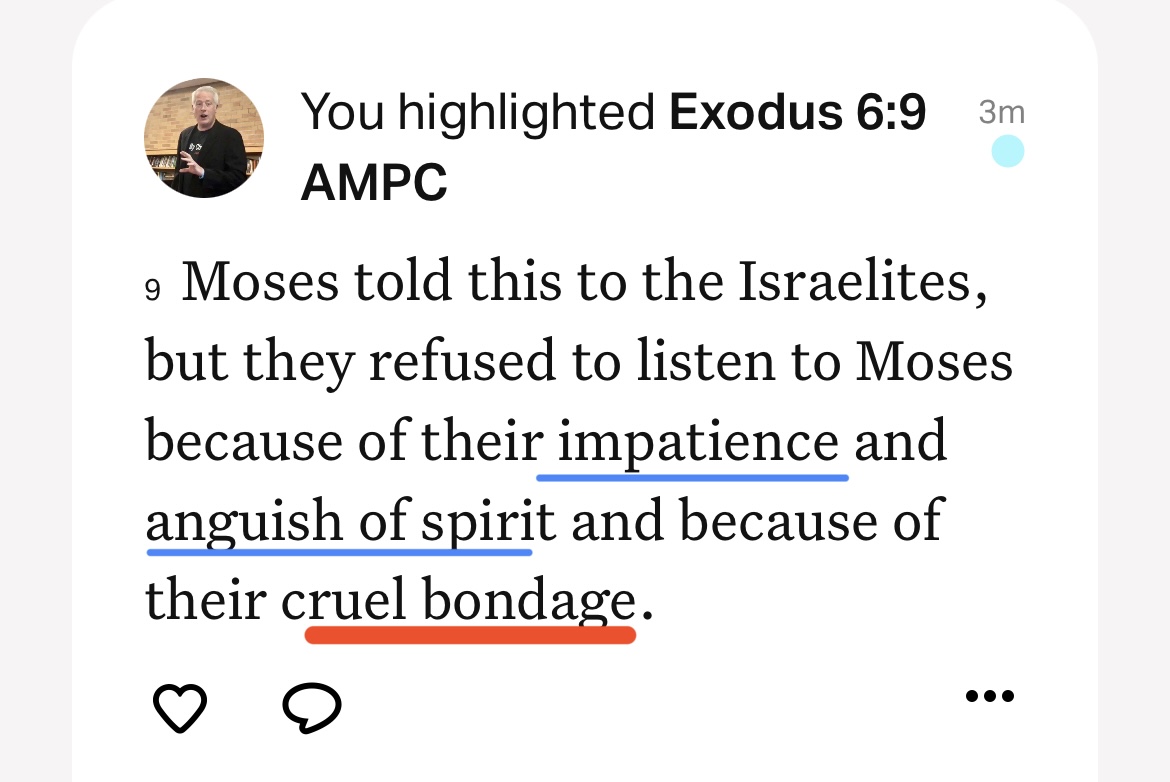
And I will take you to Me for a people, and I will be to you a God; and you shall know that it is I, the Lord your God, Who brings you out from under the burdens of the Egyptians. And I will bring you into the land concerning which I lifted up My hand and swore that I would give it to Abraham, Isaac, and Jacob; and I will give it to you for a heritage. I am the Lord [you have the pledge of My changeless omnipotence and faithfulness]. Moses told this to the Israelites, but they refused to listen to Moses because of their impatience and anguish of spirit and because of their cruel bondage. (Exodus 6:7-9) 

We may not be able to do anything about our external circumstances (“cruel bondage”), but can make sure that we are addressing what we can control. Both “impatience and anguish of spirit” are internal attitudes that we can change.

If we don’t remove these impediments, we will not be able to hear the message God is trying to speak to give us encouragement.

You Don’t Have To Be The Answer Man

Listen to the podcast of this post by clicking on the player below, and you can also subscribe on AppleSpotify, or Audible. 

When I was younger—and so much more immature—I thought it would diminish my leadership if I ever answered, “I don’t know” to any question. As a result, I fired off very self-assured answers that probably weren’t well thought-out. 

They probably weren’t very God-honoring answers either. 

Once a leader is “on the record” with an answer, they will usually defend their stance even if it appears to be wrong. After all, they must save face at all costs. 

A downward slide continues when a leader then uses their position of authority to say something like, “Because I’m the leader and I said so!” With this stance, people are often repelled from that leader. 

How much better to to wait before giving an answer—to give up the need to always be “The Answer Man”! 

And better yet, let’s not give anyone our answer, but let’s seek God for HIS answer! Not only will this be the best answer, but God will defend Himself without us having to step in to “help” Him. 

With this stance, the people are not only drawn to this godly leader but they are drawn to God as well. 

Consider these examples from Moses:

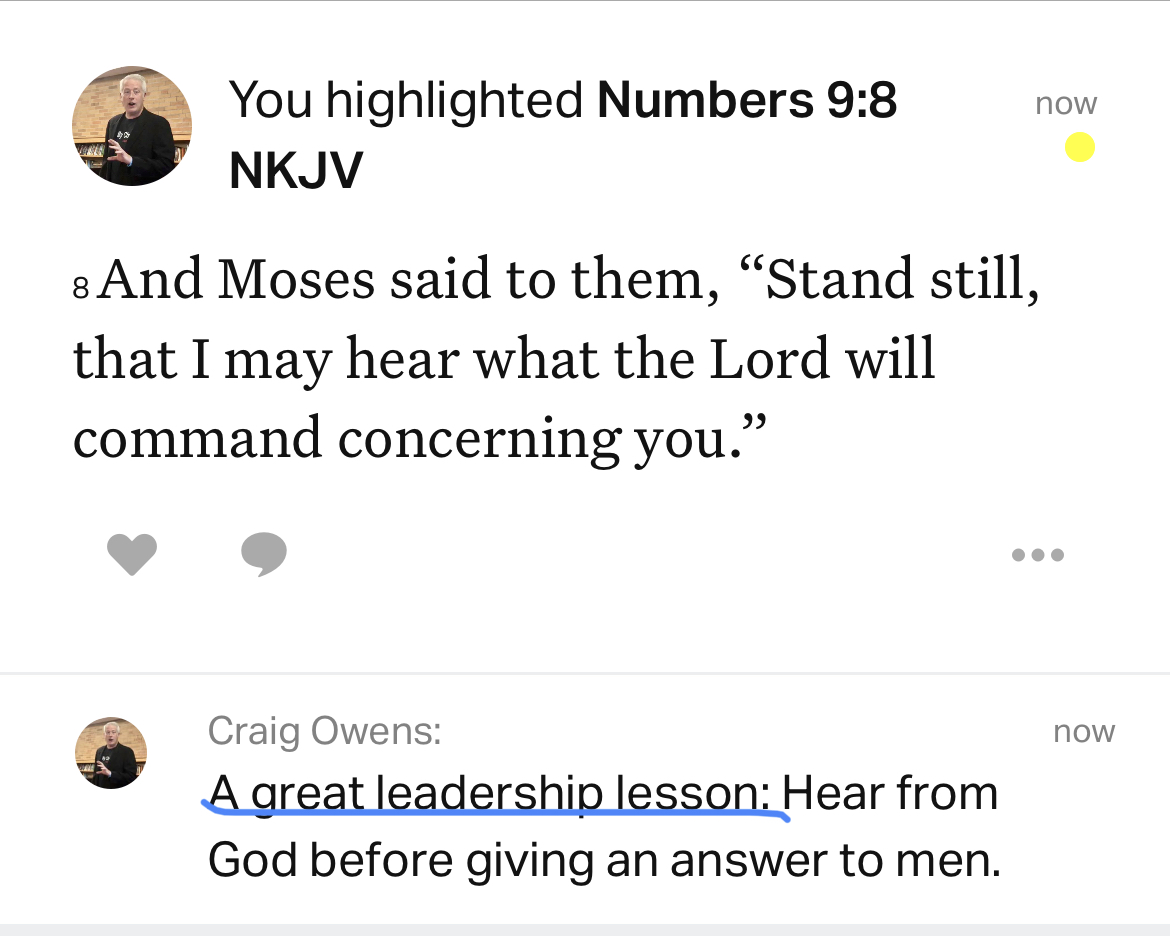
  • Stand still, that I may hear what the Lord will command concerning you. (Numbers 9:8)
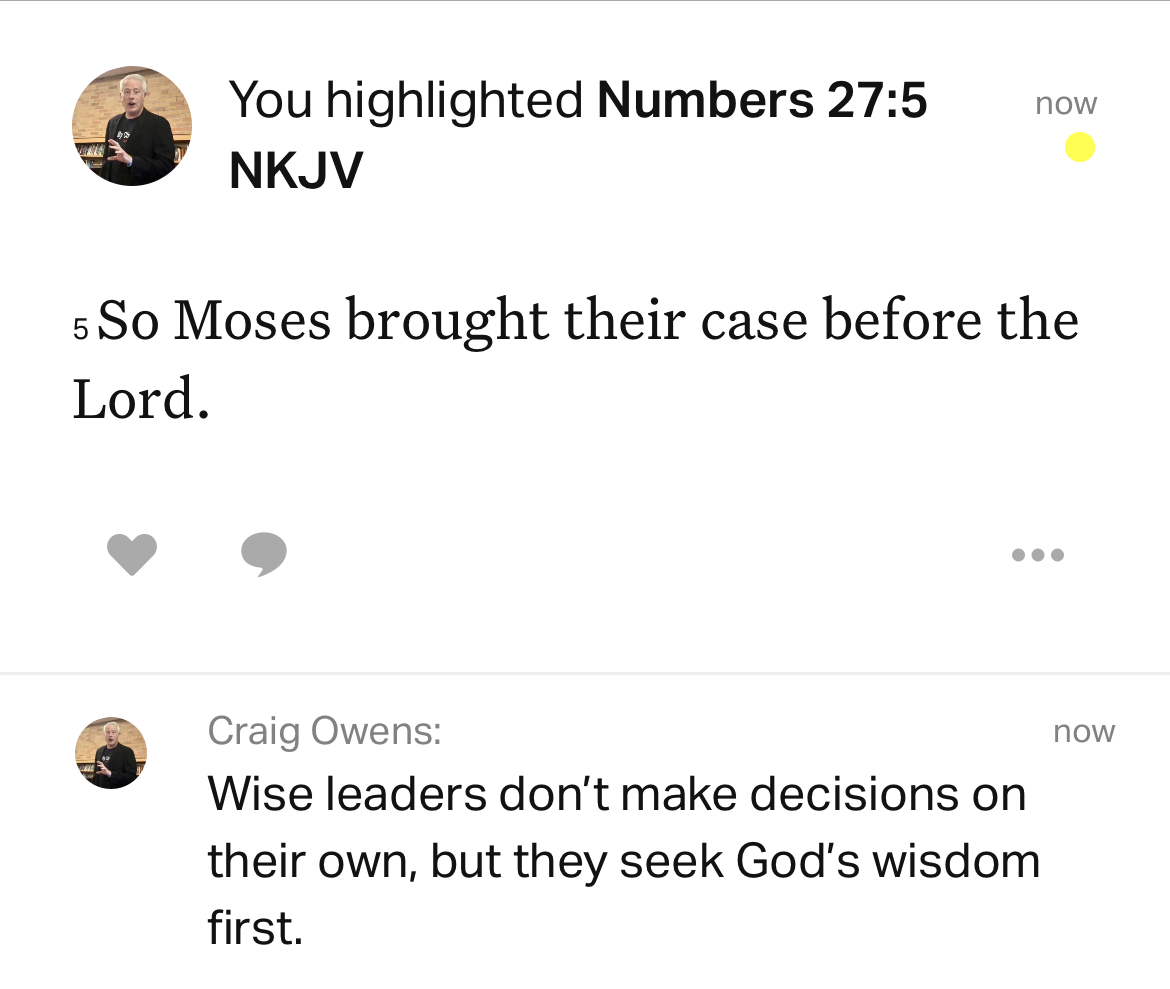
  • So Moses brought their case before the Lord. (Numbers 27:5)

A mark of a godly leader is one who hears from God before answering men. 

So the next time someone asks your opinion, pause. Remember that it’s okay to say, “I’m not sure how to answer you on that one. I need to hear what God has to say about this.” Let’s give up the desire to be “The Answer Man” for everything. Instead we can simply announce the answer that God has given. 

This is part 69 in my series on godly leadership. You can check out all of my posts in this series by clicking here.

►► Would you please prayerfully consider supporting this ministry? My Patreon supporters get behind-the-scenes access to exclusive materials. ◀︎◀︎

God Chose Me For This

Listen to the podcast of this post by clicking on the player below, and you can also subscribe on AppleSpotify, or Audible. 

Did God really call me to this position? Did I hear God correctly when I made that big decision? Now that times are tough, is that an indication that it may be time for me to move on, or am I supposed to persevere through this? 

I have experienced this myself, and I have walked with many other leaders who have experienced this same thing. A situation arises in your organization that makes you question whether you are truly the leader for this time, or whether it may be time for someone else to step in. 

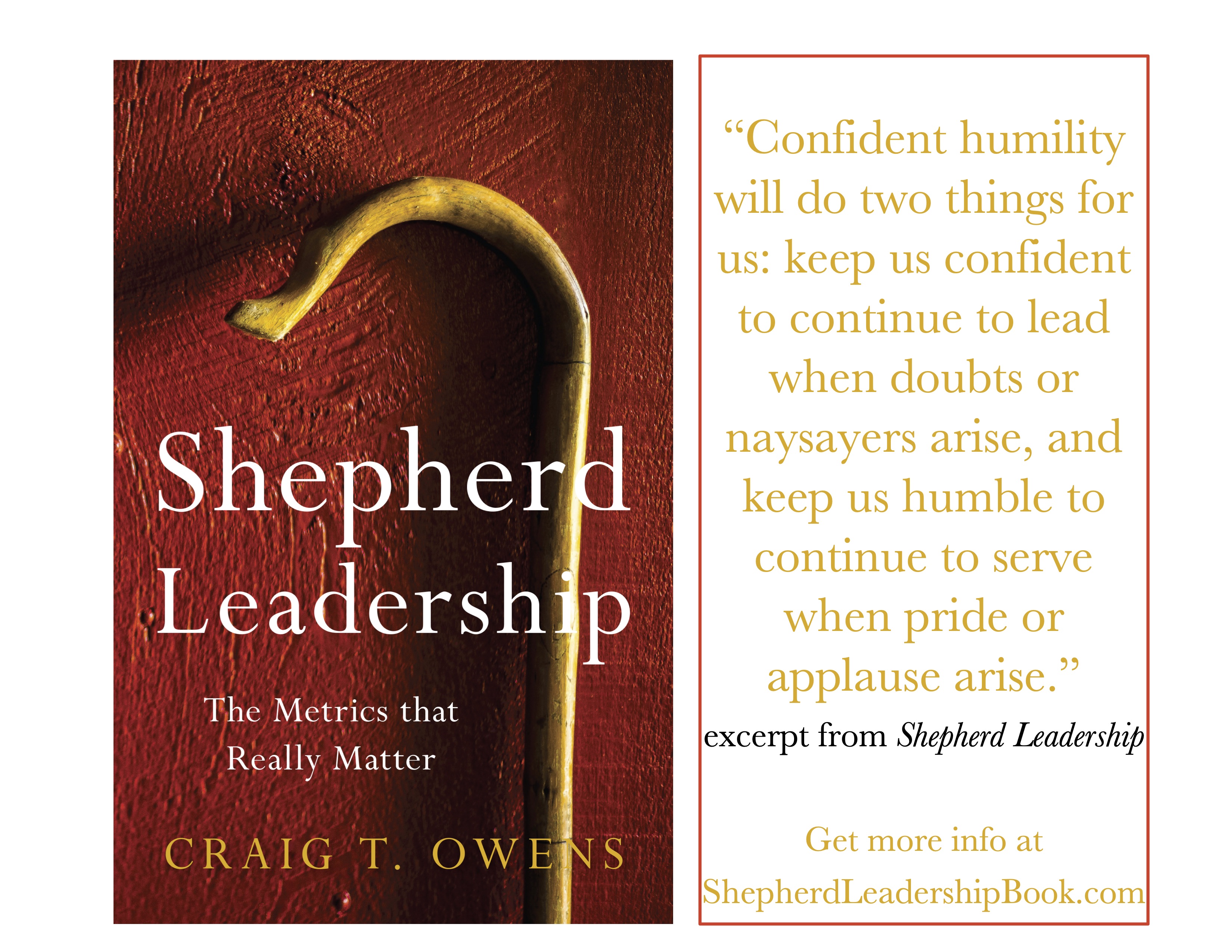
In my book Shepherd Leadership, I share a story from my leadership journey where I had to wrestle with the thought of whether I truly heard from God or not. Check out how I shared my story with some ministry interns…

Because of this incident, and many like it, I am a huge proponent of journaling. I have found it so comforting to be able to return to thoughts, answered prayers, Scriptures that have been revealed to me, and confirmations from friends. To read what God spoke to me on specific dates has helped to renew my confidence in His call for my life. I would highly recommend that you take up this discipline of journaling as well, especially during the times that you are contemplating a big decision.

I would also humbly recommend that you check out Shepherd Leadership, particularly two chapters where I talk about a leader’s confidence and a leader’s humility. When these are correctly balanced, we can make much better decisions during the questioning times. My book is available in print or ebook and as an audiobook.

►► Would you please prayerfully consider supporting this ministry? My Patreon supporters get behind-the-scenes access to exclusive materials. ◀︎◀︎

Listening To Obey

Listen to the podcast of this post by clicking on the player below, and you can also subscribe on AppleSpotify, or Audible. 

Have you ever been confronted by someone claiming, “The Bible is full of contradictions”? 

How about this one: God says, “I tested you at the waters of Meribah” (Psalm 81:7) vs. at Meribah…[the Israelites] tested the LORD (Exodus 17:7)? 

Whenever we see a possible contradiction, remember this: Context is king. We have to look at these two accounts in their proper context. 

In the Exodus account, the Israelites have just been delivered out of slavery in Egypt and crossed the Red Sea on dry ground. The pursing Egyptian army tried to follow them, but the waters closed back over them and they drowned. Three days later we find the Israelites grumbling over a lack of drinkable water, which God miraculously supplies. A month after that they are complaining about their food supply, which God miraculously supplies. And right on the heels of that they are again complaining about not having water to drink, which God miraculously supplies (see Exodus 15-17). 

It is after this second miraculous supply of water that we read that phrase we are considering: the Israelites tested God. The Hebrew word for “tested” is nasa which equates to, “Oh yeah? Prove it!” or “I’ll believe it when I see it!” or as The Message paraphrase puts it, “Is God here with us, or not?” 

In Psalm 81, God Himself is speaking in vv. 6-16, so He is the One who claims, “I tested them at Meribah.” The Hebrew word for “tested” in this instance is bahan. This means to investigate closely, to spot and bring out the impurities in fine metals. God not only makes the claim, “I tested them,” but He is also the One who tells us to Selah—pause and calmly consider. 

Consider what? After the first instance of grumbling about water in Exodus 15, we read, “There the Lord made a decree and a law for them, and there He tested them. He said, ‘If you will listen carefully to the voice of the Lord your God and do what is right in His eyes, if you pay attention to His commands and keep all His decrees, I will not bring on you any of the diseases I brought on the Egyptians’” (Exodus 15:25-26). 

Notice the words decree, law, and commands. Asaph says something similar in Psalm 81:4, “This is a decree for Israel, an ordinance of the God of Jacob. He established it as a statute for Joseph when He went out against Egypt.” 

God is talking about laws before the Ten Commandments are given. What is the law He desires to be obeyed above all else? In a word: Listen. 

  • If you will listen carefully to the voice of the Lord your God and do what is right in His eyes (Exodus 15:25). 
  • I tested you at the waters of Meribah. Selah. Hear, O My people, and I will warn you—if you would but listen to Me, O Israel! (Psalm 81:7-8) 

God brings us to these moments of tests to see how we will respond. He doesn’t need to know, but we need to know how we will respond. When we find ourselves wringing our hands, or grumbling, or saying, “Is God here with us, or not?”, what does that tell us about our own heart? He wants us to be wholly His, so He has to bring out the impurities. That same word bahan is used when God speaks this word: “I will refine them like silver and test them like gold. They will call on My name and I will answer them; I will say, ‘They are My people,’ and they will say, ‘The Lord is our God’” (Zechariah 13:9). 

Asaph uses the Hebrew word for “listen” five times in Psalm 81. This word means listening with an attitude to obey. In order for us to hear God’s voice, we have to listen with an attitude toward obedience. This is not, “Oh yeah? I’ll believe it when I see it!” but “Oh yeah! I will obey it so I will see it!” 

As I pondered this, the Holy Spirit dropped these questions on my heart which I encourage you to ponder as well: 

  • God is always speaking to me. Am I making quiet time to listen to His voice?  
  • God sometimes has to discipline me. Am I open to His purifying? 
  • God has wise counsel for me. Am I obeying it?
  • God knows the best path for me. Am I walking in it?
  • God wants to subdue my enemies. Am I asking Him to do it?
  • God has abundant blessings for me. Am I listening to obey?

God will only speak a new word to me when I have obeyed His previous word to me.

When I am in distress, I need to train myself to Selah so that I can say, “God has brought me to this test, what do I need to learn? Am I listening to God’s voice with an attitude to obey?” 

May our heart’s posture always be, “Speak, Lord, for Your servant is listening and ready to obey whatever You speak to me.” 

If you’ve missed any of the messages in our Selah series, you can access the full list by clicking here. 

►► Would you please prayerfully consider supporting this ministry? ◀︎◀︎

Soul-Calming Peace

Listen to the podcast of this post by clicking on the player below, and you can also subscribe on Apple or Spotify.

…the Lord blesses His people with peace (Psalm 29:11). 

Please forgive me for the use of so many exclamation points in this post, but it’s the only way I can even begin to come close to portraying the awesomeness of our God!  

What brings peace to God’s people? David says it is the glimpse of God’s awesome power—

  • the God of glory thunders! 
  • His voice is powerful! 
  • His voice is majestic! 
  • His voice splits cedar trees! 
  • lightning and thunder cannot compare to His voice! 
  • His voice shakes the deserts! 
  • His voice twists oak trees and strips forests! 
  • He is enthroned as the King over all forever and ever!

Count all of the ways God is awesome! Give Him praise that is equally great! Tremble at His weighty, majestic holiness! Be filled with the awe of His strength! And let this bring you peace.

Why? 

Because this awesome, glorious, omnipotent, majestic, powerful, unrivaled, holy God wants to be in a relationship with you! He cares about you! He will unleash His power against any enemy that comes against you! What brings peace to your trembling soul? A glimpse of this awesome God! 

The awesome strength of your God IS your soul-calming peace! 

►► Would you please prayerfully consider supporting this ministry? ◀︎◀︎

Knowing God’s Will

My dear friends Josh and Judy are moving. They feel like God has been calling them to Nebraska, and I affirm that God is directing them into this new chapter for their lives. I will miss them dearly, but I know God has indeed called them. 

During times like this many people will often ask, “How do I know that God is directing me?” 

In the Bible we see God speaking to people in several ways: 

  • An audible voice 
  • Through His prophets 
  • Sending an angel 
  • In a dream or vision 
  • One time God’s finger wrote a message on a wall
  • One time God spoke through a donkey 

But most often God speaks through the inner voice of the Holy Spirit.

The Holy Spirit is a Person. He is described as having a mind, a will, and emotions. Although He doesn’t have a physical body, He is still a Person. Just like any person you could get to know, you can get to know the Holy Spirit more and more personally, becoming increasingly more acquainted with His voice. 

All of us are unique individuals. God has never, ever duplicated a person. Your combination of genes, talents, personality, and personal experiences make you a one-of-a-kind in all of human history. That means that God speaks uniquely to each of us. 

Even though the exact manner God will speak to us will be unique, there are some clear principles that we can know from the Bible. 

1. Humbly listen for God’s voice.

Solomon wrote, “Trust in the Lord with all your heart and lean not on your own understanding; in all your ways acknowledge Him, and He will make your paths straight” (Proverbs 3:5-6). Let me unpack three key phrases:

  • lean not on your own understanding really means humbly exchanging an “I know best” posture for a “God, You know best” posture. 
  • acknowledge Him is the Hebrew word yada. This word means knowledge that comes from personal experience. This is where you act on something you think the Holy Spirit is saying to you and then evaluate it. It’s how you get to know the Person of the Holy Spirit better and better. 
  • He will make straight your paths might be better stated, “He will make your paths agreeable to His will.” In other words, you begin to feel in-sync with the Holy Spirit. The opposite of this would be grieving the Holy Spirit, where you feel out-of-step with God. 

2. Consult with godly friends. 

In Acts 16, the apostle Paul and his companions are attempting to go into new territories to share the good news about Jesus but Luke records twice that the Holy Spirit wouldn’t allow them. Perhaps they felt out-of-sync with the Spirit when they attempted to make their plans. Ultimately, God did open a door for them to move forward and Luke writes, “Concluding that God had called us.” Notice that word “us.” Paul shared his heart with his godly friends and they affirmed God’s voice, much as I affirmed the call on Josh and Judy’s lives in their move. 

3. Don’t be overly concerned about making a mistake. 

In Romans 8, Paul reminds us that God is working all things together for your good and for His glory. “All things” means even your mistakes—like not noticing that the Spirit was prompting you to move, or perhaps temporarily heading down a wrong path. The Holy Spirit can help you look back and see how these experiences have prepared you for your present moment. Even those missteps can be used for God’s glory. But most importantly, those missteps have never diminished God’s love for you! 

Your journey will be unique from everyone else’s journey, but these three principles are applicable to everyone who wants to walk in the paths God has set for them. 

The Closed Ear

“How much we lose by the closed ear! … Other speakers may win the ear of the multitude, but it is to God the Lord that the saint listens. His voice is powerful. Its tones are penetrating; its words attractive. God speaks as One entitled to be heard, expecting to be heard. He speaks with authority, waiting for our obedience to the heavenly voice.

A saint then is one who has listened to God; who has heard the words of peace from His lips; who has believed them; who has been reconciled; and who knows that he is so. Therefore he seeks to be holy. He hates his former folly. He does not return to it. He does not make his free pardon a reason for returning to it.

“Brethren, be consistent! Beware of sin, folly, unholiness of every kind. Be Christians out and out. Show that the peace you have received is a holy peace.” —Horatius Bonar, in Light & Truth—The Old Testament