


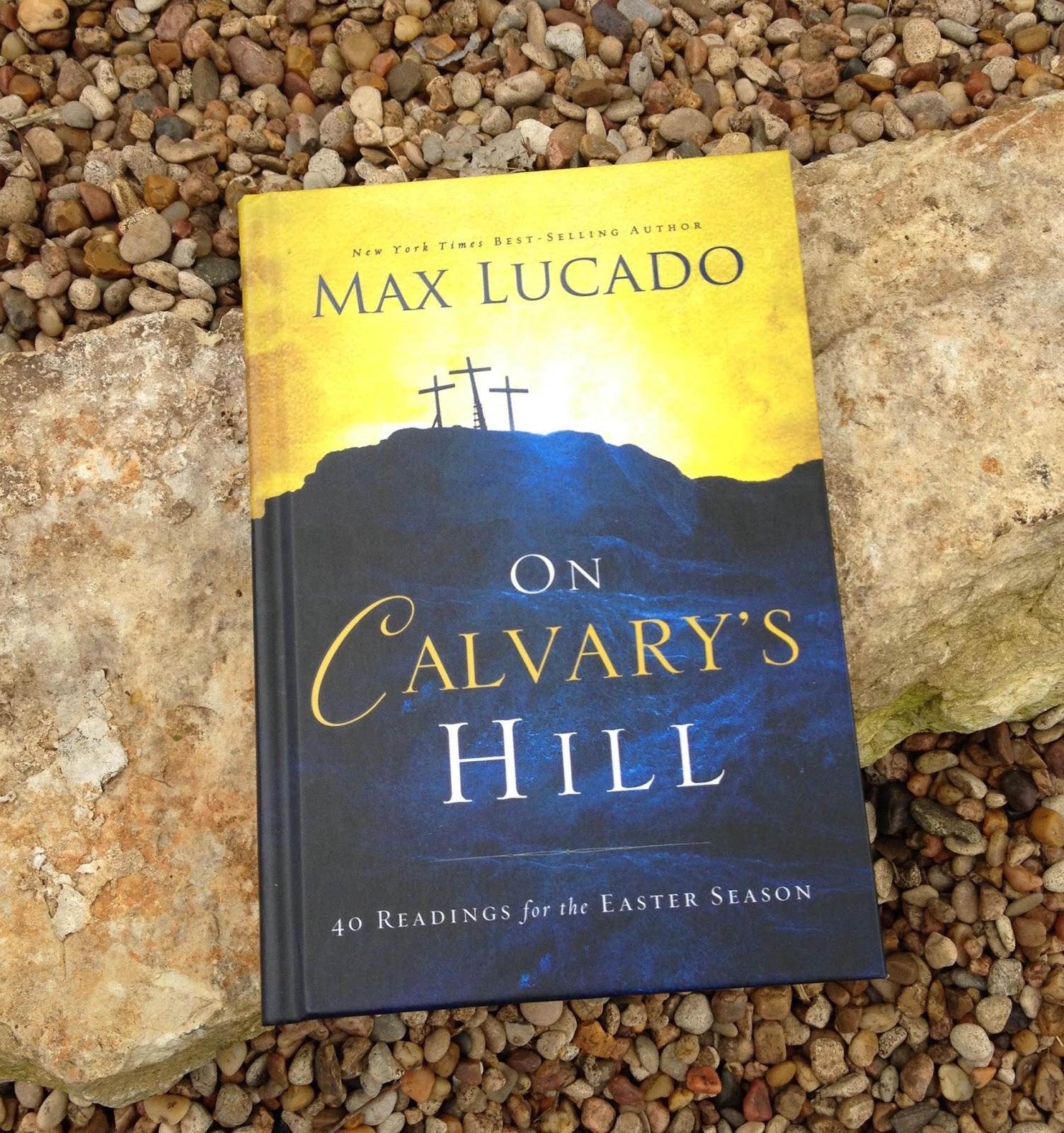
 “Want to know the coolest thing about the Incarnation? Not that the One who played marbles with the stars gave it up to play marbles with marbles. Or that the One who hung the galaxies gave it up to hang doorjambs to the displeasure of a cranky client who wanted everything yesterday but couldn’t pay for anything until tomorrow. Not that He, in an instant, went from needing nothing to needing air, food, a tub of hot water and salts for His tired feet, and, more than anything, needing somebody—anybody—who was more concerned about where He would spend eternity than where He would spend Friday’s paycheck. Or that He resisted the urge to fry the two-bit, self-appointed hall monitors of holiness who dared suggest that He was doing the work of the devil. Not that He kept His cool while the dozen best friends He ever had felt the heat and got out of the kitchen. Or that He gave no command to the angels who begged, ‘Just give the nod, Lord. One word and these demons will be deviled eggs.’ Not that He refused to defend Himself when blamed for every sin of every slut and sailor since Adam. Or that He stood silent as a million guilty verdicts echoed in the tribunal of heaven and the Giver of light was left in the chill of a sinner’s night. Not even that after three days in a dark hole He stepped into the Easter sunrise with a smile and a swagger and a question for lowly Lucifer—‘Is that your best punch?’ That was cool, incredibly cool. But the coolest thing about the One who gave up the crown of heaven for a crown of thorns: He did it for you. Just for you.” —Max Lucado, On Calvary’s Hill
What Jesus Did Because He Loved You
April 2, 2018 — Craig T. OwensPoetry Saturday—In Christ
March 31, 2018 — Craig T. Owens In Christ I feel the heart of God.
Saturday In The Psalms—Happy!!
March 24, 2018 — Craig T. Owens…happy are the people whose God is the Lord! (Psalm 144:15).
 Happy indeed are people who have learned that there is only One God, and have also acknowledged Him as the Lord of their life.
David lists some fabulous blessings for those have made God their Lord…
- …are equipped by God for victory
- …experience His lovingkindness
- …are intimately known by God
- …know that God bends heaven and earth to help those who love Him
- …are protected from evil people
- …have new songs to sing
- …experience God’s miraculous deliverance and rescue
- …see blessings on their children and their work and their home
- …are used as peacemakers and unity-restorers
Happy, happy, HAPPY!
Thursdays With Oswald—Isaiah 1
March 22, 2018 — Craig T. Owens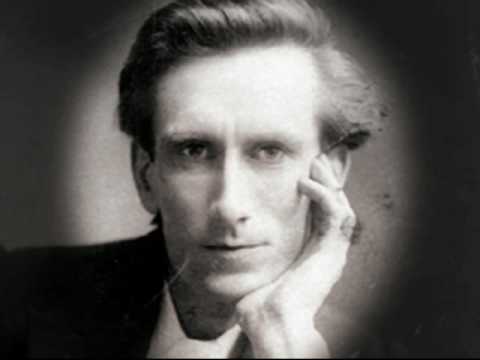 This is a weekly series with things I’m reading and pondering from Oswald Chambers. You can read the original seed thought here, or type “Thursdays With Oswald” in the search box to read more entries.
Isaiah 1
[These are notes from Oswald Chambers’ lecture on Isaiah 1.]
There is no such thing as fate; a human being always has the power to do the incalculable thing. There are fatal issues, not fate. When God’s decrees come to pass it is because men will not turn. God’s will is supreme, but God never fights against us; it is self-will that fights against God. …
If God were love according to our natural view of love He ought never to cause us pain, He ought to allow us to be peaceful; but the first thing God does is to cause us pain and to rouse us wide awake. He comes into our lives all along with ideals and truths which annoy and sting us and break up our rest, until He brings us to the one point, that it is only moral and spiritual relationships which last. That is why God looks cruel judged from the human sentimental standpoint; He loves us so much that He will not prevent us being hurt. …
Many a life is paralyzed because this is not realized—“I know God has forgiven me, I know I am right with God, but every now and again I remember the things I did that damaged other lives.” If I put the wrong right with my fellow men, have I become right with God? No, get right with God and He will put you on the way to be right with your fellow men.
From Notes On Isaiah
Isaiah 1 opens with God taking His people to task for merely going through the motions of worship, with their hearts being far away from Him. Chambers reminds us that this self-will that fights against God will often bring its own pain. Why? Because God loves us too much to let us go unmolested down the path to eternal destruction. Instead, God longs for us to turn our hearts unreservedly to His love and purpose for our lives.
A Crime To Be Weak
March 20, 2018 — Craig T. Owens “The devil would like us to believe that we are in a losing battle; nothing of the sort! We are ‘more than conquerors,’ hilariously more than victors, ‘through Him that loved us’ [Romans 8:31-37].
“No power on earth or in hell can conquer the Spirit of God in a human spirit; it is an inner unconquerableness. If you have the whine in you take it out ruthlessly. It is a positive crime to be weak in God’s strength.” —Oswald Chambers, in Run Today’s Race
“When Your Prayer Life Is Active And Full…
February 25, 2018 — Craig T. Owens …when you are communing daily with God, you will begin to see others as God sees them. The next time you find yourself angry, frustrated, or disappointed with someone, I challenge you to pray, ‘Lord, help me to see this person as You see him.’ The next time you are compelled to harbor bitterness or respond in anger, pause and soak in the gravity of God’s unconditional love for you.” —Jack Graham
10 Quotes From “Jesus’ Terrible Financial Advice”
February 21, 2018 — Craig T. Owens I loved the financial insights that John Thornton presented in Jesus’ Terrible Financial Advice. The advice is “terrible” in that it flies in the face of conventional financial wisdom and puts it in the proper biblical light. Check out my full review of this book by clicking here.
“As God waits patiently to receive our all, wonder, and appreciation for all He is and does, an idol steps in to accept our applause. Like an insidious illusionist, the idol misdirects our attention to itself. … What does an idol do? Nothing. That’s all an idol can do. Nothing. Nothing but steal God’s glory.”
“Jesus is not trying to impoverish us when He tells us to store up treasures in heaven.”
“Here is where some people mistakenly make it about the money. They wrongly conclude that rich people can’t make it to heaven, but poor people can. This is a grave error. In truth, no one can enter the kingdom of heaven, rich or poor, without God.”
“If we are seeking heaven because our life here is so good that we don’t want it to end, or simply because we don’t want to go to hell, we’ve missed the point. We’ve made the same mistake this young man made [Mark 10]. So doing what Jesus always did, He redirected the young man to the right thing. The greatest good. He redirected the young man to God. Jesus clarifies that no one is good but God Himself. … What makes eternal life good isn’t the length. It’s the company. God Himself is what is good about heaven [John 17:3].”
“Regardless of how much of a blessing of wealth has the potential to be, it becomes a curse for us when it separates us from the love of God.”
“Don’t wrongfully conclude that rich people can’t make it, but poor people can. Or that poor people are godly, but rich people are not. If we do this, we miss the point entirely. We think that Jesus is just calling out rich people. We think He is talking about people’s financial position, when He’s really talking about our heart condition. … At the end of the day, answer to the question ‘Does Jesus want you rich or poor?’ is obvious. The answer is yes! Jesus wants you. And the answer is all about God’s goodness, not ours.”
“The number one theme related to wealth in the Bible is that it is a blessing from God.”
“Whenever we conclude that the plans we have for our lives are better than the plans God has for us, or that the gifts we have for ourselves are better than His gifts, the false master Money steps up. Money promises to put us in charge. With it, we can smooth the way or save the day. Don’t worry. Be happy. But God has a better plan for our lives. We were made to live for so much more. And He is more. God wants us to understand and know Him, His ‘kindness, justice and righteousness,’ for in these He delights (Jeremiah 9:24). God’s plan is to complete us.”
“Wealth becomes a curse for us when we choose it over God.”
“In a society where we have taken independence, individual freedom, and self-love to cult status, submission is taboo. We want to be our own master. Money offers us what we want, so we love it or fear it, trading in the true God for a false one. But Jesus shows us we have it all wrong. He shows us that submission to His Father is the only way to be truly free. Free to live life to the full. The only way to live a life that matters is to find our sole purpose in Him.”
We Usually Believe The Opposite
February 14, 2018 — Craig T. Owens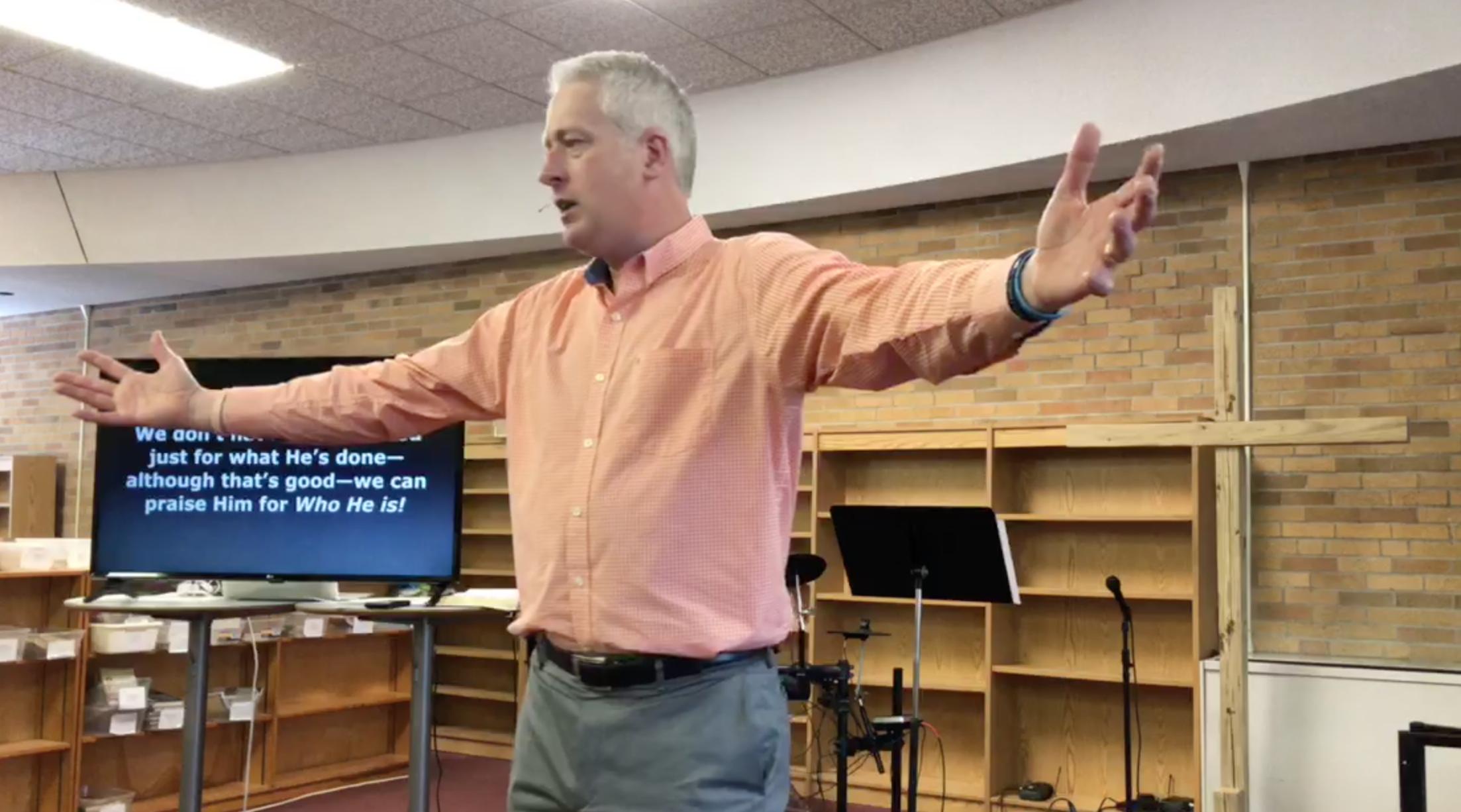 The Lord is gracious and compassionate, slow to anger and rich in love. (Psalm 145:8)
Let those words sink in because most of us live like the exact opposite is true. Check out this 2-minute explanation …
7 Quotes From “The Pastor In Prayer”
February 7, 2018 — Craig T. Owens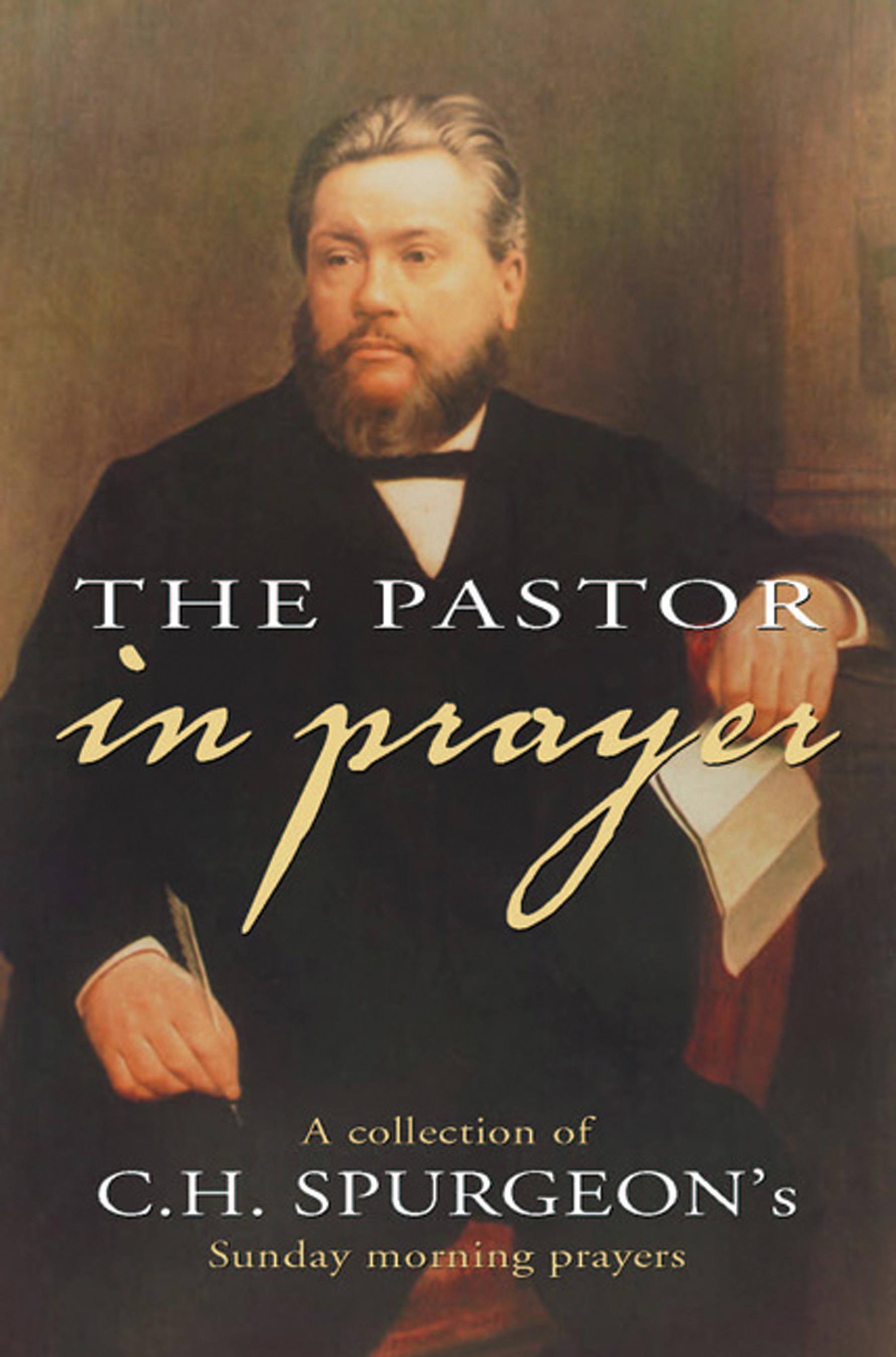 In The Pastor In Prayer we discover that Charles Spurgeon is not only the prince of preachers, but the prince of pray-ers as well. Check out my review of this fabulous book by clicking here.
“Thy grace must give us even to know our need of grace. We are not willing to confess our own sinfulness until Thou dost show it to us. Though it stares us in the face our pride denies it, and our own inability is unperceived by us. We steal Thy power and call it our own till Thou dost compel us to say that we have no strength in ourselves.”
“Thy grace has almost out-graced itself, Thy love has reached its height love to rebels; so to love that even Thy Son could not be spared. O God, we are afflicted in our hearts to think we do not love Thee more after such love as this.”
“O God, we beseech Thee bring men away from all their false trusts to rest in the great sacrifice of Thy dear Son.”
“Oh that we might live so near to the great Shepherd as to be familiar with His voice, to know its tones, that so a stranger we may not follow, for we know not the voice of strangers.”
“Thou art good when Thou givest, and Thou art good when Thou takest away. Thou art good when the night gathers heavy about us. Thou art good when the sun shineth and gladdeneth our pathway. Thou art always good and doest good, and blessed be the name of the Lord from the rising of the sun unto the going down thereof, and through the night watches let His praise be still celebrated.”
“And truly since we have received so many mercies at Thy hand, we do feel that Thou wilt never forsake us in any darkness which may be in our path in the future. Thou hast done too much for us to desert us now. We have cost Thee so much—Oh wondrous price that Thou hast paid for us—and Thou hast spent so much of wise thought, and gracious act upon us, that we are persuaded Thou wilt go through with the work which Thy wisdom has undertaken. But give us faith to believe this when the stormy times come, let us not doubt.”
“Lord, while we work for Thee, always keep us sitting at the feet of Jesus. Let our faith never wander away from the simplicity of its confidence in Him. Let our motive never be anything but His glory; may our hearts be taken up with His love, and our thoughts perpetually engaged about His person.”
Love Is Really Love
December 26, 2017 — Craig T. Owens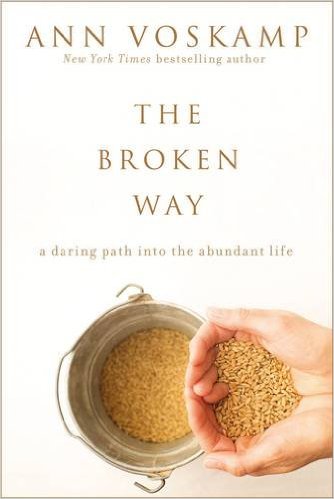 “Love is really love—when we are loving the unlovable.
“Forgiveness is really forgiveness—when we are forgiving the unforgivable.
“Repentance is really repentance—when we let our wrong loves be broken by the rightness of God’s unbreakable love.
“Faith is really faith—when we believe God for the unbelievable.” —Ann Voskamp, in The Broken Way
My most-viewed posts


