Thursdays With Spurgeon—God Means What He Says

This is a weekly series with things I’m reading and pondering from Charles Spurgeon. You can read the original seed thought here, or type “Thursdays With Spurgeon” in the search box to read more entries.

Listen to the podcast of this post by clicking on the player below, and you can also subscribe on AppleSpotify, or Audible. 

God Means What He Says

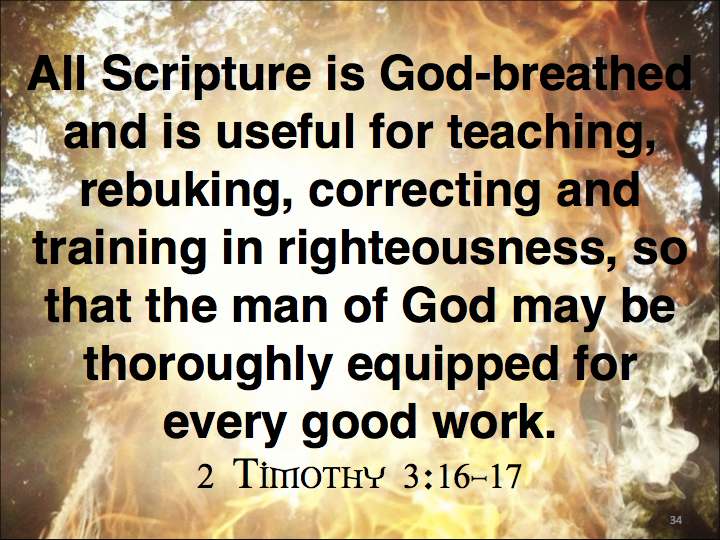
…For the mouth of the Lord has spoken (Isaiah 1:20).

     You talk about God as being ‘love,’ and if you mean by this that He is not severe in the punishment of sin, I ask you what you make of the destruction of Jerusalem? Remember that the Jews were His chosen nation and that the city of Jerusalem was the place where His temple had been glorified with His presence. Brethren, if you roam from Edom to Zion and from Zion to Sidon and from Sidon to Moab, you will find, amid ruined cities, the tokens that God’s words of judgment are sure. Depend on it, then, when Jesus says, ‘These will go away into everlasting punishment’ (Matthew 25:46), it will be so. When He says, ‘If you do not believe that I am He, you will die in your sins’ (John 8:24), it will be so. … 

     It is of no avail to sit down and draw inferences from the nature of God and to argue, ‘God is love, and therefore He will not execute the sentence upon the impenitent.’ He knows what He will do better than you can infer. He has not left us to inferences, for He has spoken pointedly and plainly. He says, ‘He that believes not shall be damned’ (Mark 16:16), and it will be so, ‘for the mouth of the Lord has spoken.’ Infer what you like from His nature. But if you draw an inference contrary to what He has spoken, you have inferred a lie and you will find it so. …

     I know why you do not believe in the terrible threats. It is because you want to be easy in your sins. … Yet if you do not believe its loving warnings nor regard its just sentences, they are true all the same. If you dare its thunders, if you trample on its promises, and even if you burn it in your rage, the Holy Book still stands unaltered and unalterable. ‘The mouth of the Lord has spoken.’ Therefore, I pray you, treat the sacred Scriptures with respect and remember that ‘these are written that you may believe that Jesus is the Christ, the Son of God, and that believing you might have life through His name’ (John 20:31).

From The Infallibility Of Scripture

Spurgeon delivered this sermon on March 11, 1888. Nearly 2000 years earlier, Asaph delivered a similar message from God—

“Call upon Me in the day of trouble; I will deliver you, and you shall glorify Me.” But to the wicked God says: “What right have you to declare My statutes, or take My covenant in your mouth, seeing you hate instruction and cast My words behind you? When you saw a thief, you consented with him, and have been a partaker with adulterers. You give your mouth to evil, and your tongue frames deceit. You sit and speak against your brother; you slander your own mother’s son. These things you have done, and I kept silent; you thought that I was altogether like you; but I will rebuke you, and set them in order before your eyes. Now consider this, you who forget God, lest I tear you in pieces, and there be none to deliver: Whoever offers praise glorifies Me; and to him who orders his conduct aright I will show the salvation of God.” (Psalm 50:15-23) 

Commenting on this passage from Psalm 50, T.M. Moore wrote, “Surely, this is the most fundamental error of thinking humans ever make: To think of God, spiritual things, worship, human life, the world, and everything else from our vantage point rather than His. … Asaph could see what was happening. And even though the nation was safe, strong, and surfeited with wealth, he knew that, spiritually, things were going awry. The people had persuaded themselves that God was just like them, that He thought like they did, and so was agreeable to their doing things their own way, indulging all their base desires, and pursuing their schemes for success—all the while continuing an outward show of faith.”

Let us take the Bible as what it truly is: Words the mouth of God has spoken. Let us not play games with them, changing the message to words we like. But if the Word of the Lord makes us uncomfortable, let us repent and return to Him. It is those who accept God’s Word as His Word, and obey it, that will see the salvation of God.

►► Would you please prayerfully consider supporting this ministry? My Patreon supporters get behind-the-scenes access to exclusive materials. ◀︎◀︎
Thursdays With Spurgeon—Accepting It For What It Is

This is a weekly series with things I’m reading and pondering from Charles Spurgeon. You can read the original seed thought here, or type “Thursdays With Spurgeon” in the search box to read more entries.

Listen to the podcast of this post by clicking on the player below, and you can also subscribe on AppleSpotify, or Audible. 

Accepting It For What It Is

…For the mouth of the Lord has spoken (Isaiah 1:20).

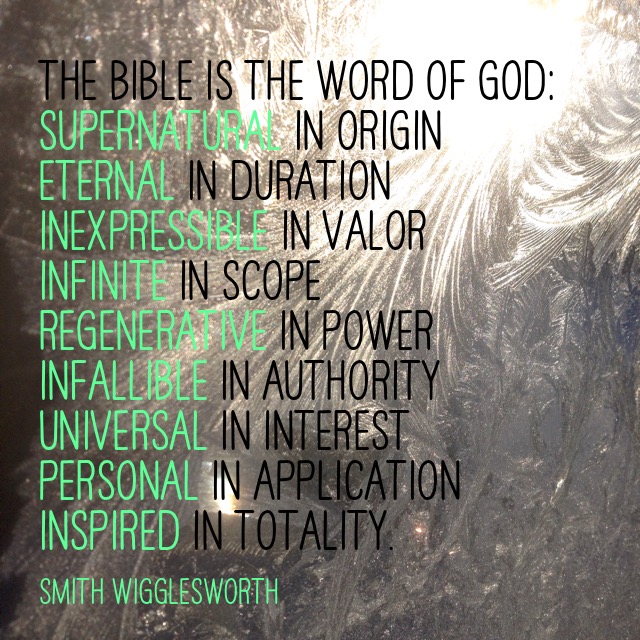
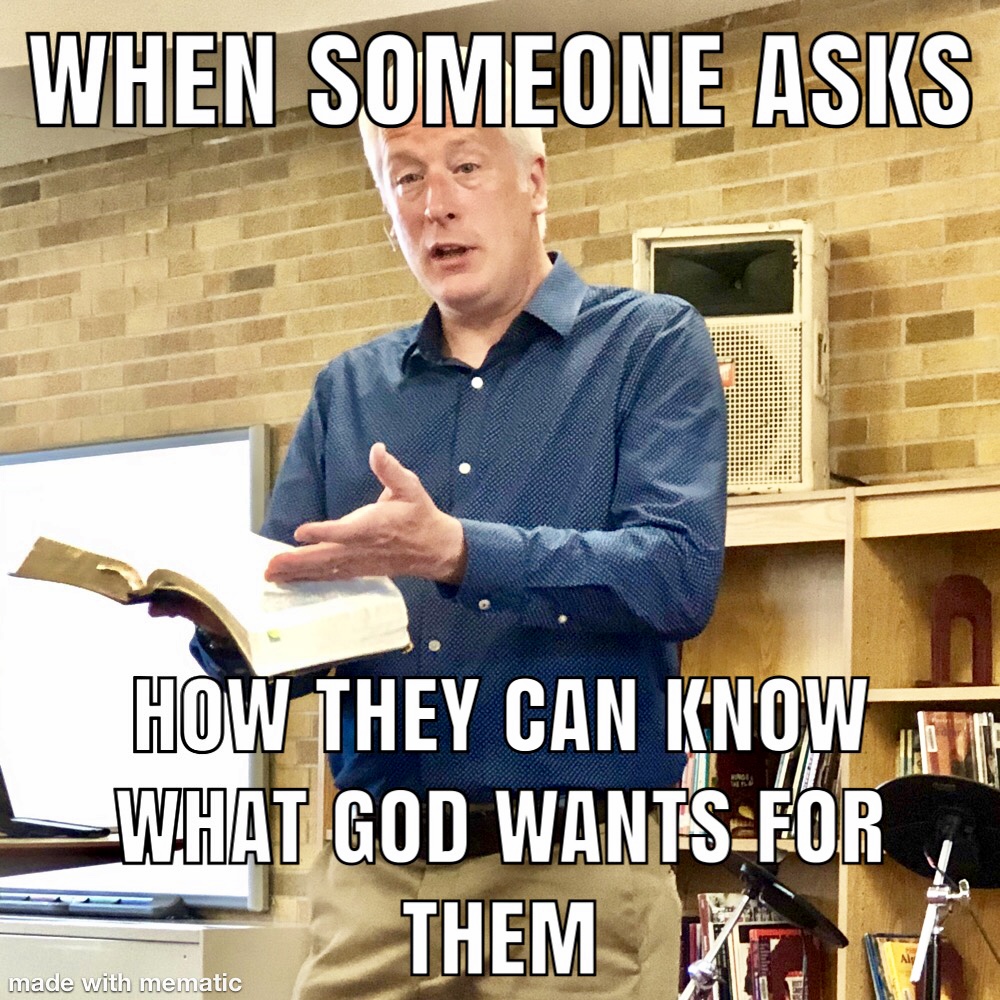
     In the Word of God the teaching has unique dignity. This Book is inspired as no other book is inspired, and it is time that all Christians avowed this conviction. …  

     Where are we if our Bibles are gone? Where are we if we are taught to distrust them? If we are left in doubt as to which part is inspired and what is not, we are as badly off as if we had no Bible at all. I hold no theory of inspiration. I accept the inspiration of the Scriptures as a fact.

From The Infallibility Of Scripture

I, too, accept the inspiration of the Scriptures as a fact. Every single word is perfectly inspired by the Holy Spirit. Even the order in which the words are spoken.

During the summer months, I like to lead my congregation through a study of the Book of Psalms. Currently, we are looking at the psalms that contain the word Selah. 

It is distressing to me to see how many “modern” translations of the Bible either relegate the word Selah to a footnote (like the NIV which says, “The Hebrew has Selah [a word of uncertain meaning] here”), or completely disregard this word (e.g. The Message, The Contemporary English Version, and The Living Bible, to name a few). 

Why? Do we think we are so much smarter now that we know which words the Holy Spirit truly inspired, and which ones we can leave out?

Once we start down this path, what is to stop us from modifying any word in the Bible? Many liberal-minded people want to tell us “what God really meant” in some passages, or to water down the inspiration so much to try to make it “culturally relevant” that they end up destroying its very meaning. This is not only a slippery slope, but it is something that God has already warned us against doing: 

I warn everyone who hears the words of the prophecy of this scroll: If anyone adds anything to them, God will add to that person the plagues described in this scroll. And if anyone takes words away from this scroll of prophecy, God will take away from that person any share in the tree of life and in the Holy City, which are described in this scroll. (Revelation 22:18-19)

Let us accept the Word of God for what it is: Words that the mouth of Almighty God has spoken, not words that we think can be modified, improved, or eliminated. 

►► Would you please prayerfully consider supporting this ministry? My Patreon supporters get behind-the-scenes access to exclusive materials. ◀︎◀︎
Thursdays With Spurgeon—Top Priority

This is a weekly series with things I’m reading and pondering from Charles Spurgeon. You can read the original seed thought here, or type “Thursdays With Spurgeon” in the search box to read more entries.

Listen to the podcast of this post by clicking on the player below, and you can also subscribe on AppleSpotify, or Audible. 

Top Priority

…For the mouth of the Lord has spoken (Isaiah 1:20).

     Every word that God has given us in the Bible claims our attention because of the infinite majesty of Him who spoke it. … See that you refuse not Him who speaks. O my hearer, let it not be said of you that you went through this life, God speaking to you in His book, and you refusing to hear! It matters very little whether you listen to me or not. But it matters a very great deal whether you listen to God or not. It is He who made you. In His hands is your breath. And if He speaks, I implore you, open your ears and be not rebellious. There is an infinite majesty about every line of Scripture, but especially about that part of Scripture in which the Lord reveals Himself and His glorious plan of saving grace in the Person of His dear Son Jesus Christ. …  

     For what He has spoken He still speaks to us, as freshly as if He spoke it for the first time. … 

     God’s Word has a claim, then, upon your attention because of its majesty and its condescension. But, further, it should win your ear because of its intrinsic importance. ‘The mouth of the Lord has spoken,’ so it is no trifle. God never speaks vanity. No line of His writing treats of the frivolous themes of the day. That which may be forgotten in an hour is for mortal man and not for the eternal God. When the Lord speaks, His speech is Godlike, and its themes are worthy of one who is dwelling in infinity and eternity. … 

     He speaks to you of great things that have to do with your soul and its destiny. It is not a vain thing for you, because it is your life. Your eternal existence, your happiness or your misery, hang on your treatment of that which the mouth of the Lord has spoken. … Treat not the Word of the Lord as a secondary thing that might wait your leisure and receive attention when no other work is before you. Put all else aside and hearken to your God.

From The Infallibility Of Scripture

Charles Spurgeon is so on-target with these words. Believe it or not, this sermon was actually delivered to his fellow pastors. But the words are true for all of us—we must make listening to God’s Word our first priority. 

Every single word of Scripture is inspired by the Holy Spirit. And I do mean every single word. Even the order in which the words are listed is inspired. So when you read your Bible, ask the Holy Spirit—the Author of the text—to illuminate the words to you. Ask questions like:

  • What did that mean then? 
  • What does it mean now? 
  • What does it mean for me? 
  • Does something in my life need to change? 

If you make your time with God a priority, He will reveal more of Himself to you each time you open your Bible.

►► Would you please prayerfully consider supporting this ministry? My Patreon supporters get behind-the-scenes access to exclusive materials. ◀︎◀︎

Thursdays With Spurgeon—Encouragement For Preachers

This is a weekly series with things I’m reading and pondering from Charles Spurgeon. You can read the original seed thought here, or type “Thursdays With Spurgeon” in the search box to read more entries.

Listen to the podcast of this post by clicking on the player below, and you can also subscribe on AppleSpotify, or Audible. 

Encouragement For Preachers

…For the mouth of the Lord has spoken (Isaiah 1:20).

     We preach because ‘the mouth of the Lord has spoken.’ It would not be worth our while to speak what Isaiah had spoken if in it there was nothing more than Isaiah’s thought—neither should we care to meditate hour after hour upon the writings of Paul, if there was nothing more than Paul in them. … The true preacher, the man whom God has commissioned, delivers his message with awe and trembling because ‘the mouth of the Lord has spoken.’ … 

     Woe unto us if we dare to speak the Word of the Lord with less than our whole heart and soul and strength! Woe unto us if we handle the Word as if it were an occasion for display! If it were our own word, we might be studious of the graces of oratory. But if it is God’s Word, we cannot afford to think of ourselves. … Because the mouth of the Lord has spoken the truth of God, we therefore endeavor to preach it with absolute fidelity. …  

     Believing that ‘the mouth of the Lord has spoken,’ it is my duty to repeat God’s Word to you as correctly as I can after having heard it and felt it in my own soul. It is not mine to amend or adapt the gospel. …  Again, dear friends, as ‘the mouth of the Lord has spoken,’ we speak the divine truth with courage and full assurance. Modesty is a virtue, but hesitancy when we are speaking for the Lord is a great fault. …  

     We preach not the gospel by your leave. We do not ask tolerance nor court applause. We preach Christ crucified, and we preach boldly as we ought to speak because it is God’s Word not our own. … We cannot use ‘ifs’ and ‘buts,’ for we are dealing with God’s ‘shalls’ and ‘wills.’ If He says it is so, it is so. And there is the end of it. Controversy ceases when Jehovah speaks [Jeremiah 1:17-19].

From The Infallibility Of Scripture

Preaching God’s Word is not for the faint of heart. It takes one who is confidently humbled—confident that God has spoken and humbled that He would choose someone like me to speak His Word to His people. 

In my book Shepherd Leadership: The Metrics That Really Matter I wrote: 

Check this out: “Now Moses was a very humble man, more humble than anyone else on the face of the earth” (Numbers 12:3). Who wrote the book of Numbers? If you answered “Moses,” you are correct. Doesn’t that sound a bit brash to declare that you are more humble than anyone else on the earth? Yet, God allowed Moses to pen those words, making that a Holy Spirit-inspired statement of fact. Humility is a double-edged sword: it can serve a leader well when it is balanced with appropriate confidence, but it is a detriment to an organization’s health if it is self-de-basing humility that undercuts a leader’s credibility. 

The God-honoring preacher gets his message from the mouth of the Lord, and then confidently endeavors “to preach it with absolute fidelity.” Whether others praise of criticize, the humble leader says, “I am only God’s servant speaking God’s Word.” 

Preachers, let’s make sure that everything we confidently and humbly share from our pulpits is the whole counsel of what has been spoken by the mouth of the Lord.

►► Would you please prayerfully consider supporting this ministry? My Patreon supporters get behind-the-scenes access to exclusive materials. ◀︎◀︎
Don’t Be An Unloving Pastor

Listen to the podcast of this post by clicking on the player below, and you can also subscribe on AppleSpotify, or Audible. 

In my personal devotional time, I have been reading and thinking my way through the book of Amos. 

This minor prophet especially resonates with me because we have a similar background. Amos was a farmer and a businessman when God called him to be a preacher (Amos 1:1, 7:14-15). My story is quite similar, as I was a businessman when God called me to follow Him along a path that eventually culminated in me becoming a pastor. 

Amos’ calling was a heavy one: He had to speak to God’s people who had strayed away from God and were on the brink of God’s righteous judgment. It wasn’t a time for Amos to play games, water down the message, or shrink back from making God’s message perfectly clear. To be certain, it wasn’t a popular message. In fact, one of the priests of Bethel brought a message from King Jeroboam that basically said, “Stop preaching this way or I will have you killed!” (Amos 7:10-13). 

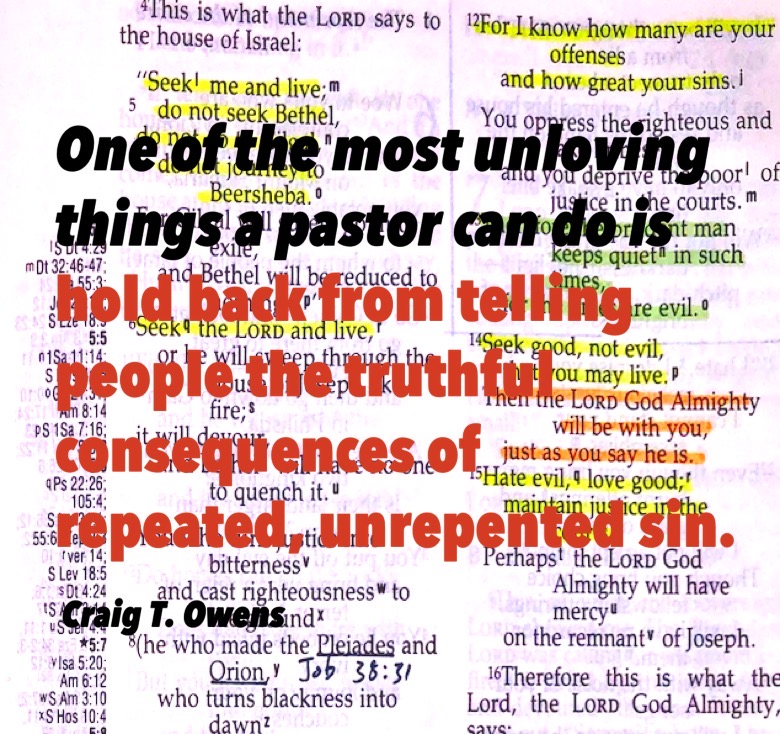
But the most unloving thing any pastor or preacher could ever do is hold back from telling people the truthful consequences of repeated, unrepented sin. 

The Holy Spirit confronted me with the words recorded in Amos 3. After I had pondered these words for myself, I felt I needed to share them with my fellow pastors. I pray that you will prayerfully consider these words. 

My friend, I’m praying for you that God will give you loving boldness to speak His truth to whomever He sends you. I pray that the Holy Spirit will anoint His words as you deliver them so that Jesus will be exalted. 

►► Would you please prayerfully consider supporting this ministry? My Patreon supporters get behind-the-scenes access to exclusive materials. ◀︎◀︎
6 Quotes From “Voice Of A Prophet”

Listen to the podcast of this post by clicking on the player below, and you can also subscribe on Apple or Spotify.

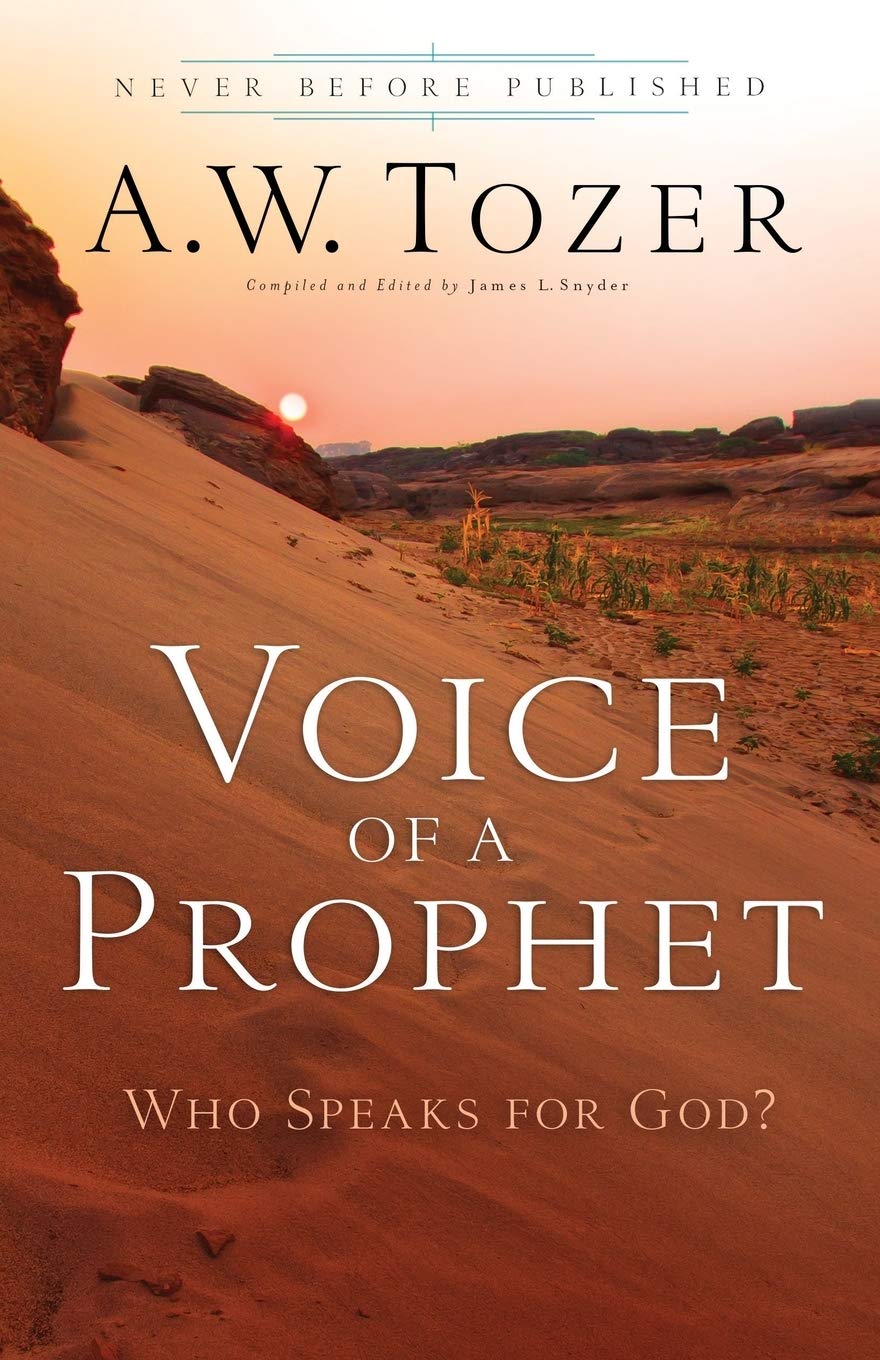
A.W. Tozer pulls no punches in the way he confronts modern-day preachers (those he calls “sons of the prophets”). He challenges pastors to return to the Scriptures, hit their knees in prayer, and do some serious soul searching on where they may be falling short of the standard set by the biblical prophets. You can read my full book review of Voice Of A Prophet by clicking here. 

“It is not the messenger, it is the message that needs to be proclaimed. If you study the Old and New Testaments you will discover that no prophet can ever be a celebrity. The most significant thing about the prophet is the message he conveys, and that message had better by rooted in the heart of God.” 

“The responsibility of the prophet is not to come up with his own message, but to faithfully deliver the message—the warning—that is coming from God.” 

“The song of the prophet is, ‘Thus saith the Lord.’ Any other song will never do for God’s man to be God’s voice to his generation.” 

“God takes so much delight in us that He will go to any length to bring us back to that delight.” 

“Jesus said that our problem is a spiritual danger, not a physical danger, and our visible enemies are rarely our real enemies. The man who comes at you with a gun is not your real enemy, though his intention may be to kill you. Your real enemy is that enemy within you that makes you vulnerable to him. Esau was Jacob’s enemy because of what Jacob had done to him, but Esau was not Jacob’s real enemy. Jacob was Jacob’s enemy. The crookedness in Jacob’s heart was against Jacob, and when God straightened that out, Esau was not his enemy anymore.” 

“Well do I know, Thou God of the prophets and the apostles, that as long as I honor Thee Thou will honor me. Help me therefore to take this solemn vow to honor Thee in all my future life and labors, whether by gain or by loss, by life or by death, and then to keep that vow unbroken while I live. … Save me from the error of judging a church by its size, its popularity or the amount of its yearly offering. Help me to remember that I am a prophet—not a promoter, not a religious manager, but a prophet. Let me never become a slave to crowds.” 

Would you please prayerfully consider supporting this ministry?

Voice Of A Prophet (book review)

Listen to the podcast of this post by clicking on the player below, and you can also subscribe on Apple or Spotify.

I’ve always appreciated A.W. Tozer’s prophetic voice. By that I mean, his unabashed call for Christians to live up to the Christlike standard given to us in the Scriptures. But in Voice Of A Prophet, Tozer hits a little closer to home for me (and for all of us who are in ministry positions) as he specifically calls on pastors to live up to the prophetic standard given to us in the Bible. 

Sometimes people misunderstand the title “prophet” to be one who foretells future events. At times, that is the function of a prophet, but primarily the prophet is more of a forthteller than a foreteller. The prophet is called upon to boldly proclaim God’s truth and tell forth where godly people are falling short. Prophets are God’s messengers to God’s people, usually sent to reawaken His people to truths that they have forgotten or strayed from. 

Tozer calls modern-day pastors and preachers—those he calls “the sons of the prophets”—to look to the prophetic fathers of the Scripture. He calls us to live up to the God-fearing standard of the prophets like Elijah, Isaiah, John the Baptist, and Jesus. He forthtells how too many have succumbed to the voice of culture instead of adhering to the voice of their Lord, and how they have traded “Thus saith the Lord” for “Thus saith me.” 

The opening chapter of Voice Of A Prophet reprints a prayer that Tozer wrote out when he was ordained in 1920. Part of that prayer for himself should remain a prayer for all who are called by God to be pastors today: “Let me stand before the great or minister to the poor and lowly; that choice is not mine, and I would not influence it if I could. I am Thy servant to do Thy will, and that will is sweeter to me than position or riches or fame and I choose it above all things on earth or in heaven.”

Voice Of A Prophet is an important read for those in pastoral ministry. FAIR WARNING: You will be challenged and convicted by Tozer’s timeless words! But if you will heed those words, God will be pleased to bless your efforts. I would also recommend this book to anyone who would like to know how they can better support and pray for their pastor, as I think they will find valuable insights in this book. 

Would you please prayerfully consider supporting this ministry?

Standing In The Gap

Listen to the podcast of this post by clicking on the player below, and you can also subscribe on Apple or Spotify.

Pastors and other Christian leaders, this is from the Maxwell Leadership Bible and it’s well worth your time to contemplate. 

“God contrasts the poor leader with the godly leader in Ezekiel 22. The poor leader oppresses and destroys his or her followers, while the godly leader ‘stands in the gap’ on behalf of the land and the people. These leaders represent God to the people, and represent the people to God. They serve as ‘middle-men,’ serving God and serving the needs of the people. This text describes ten traits of the leader God affirms:

    1. Consecration: They set themselves apart and remain committed to their call.
    2. Discipline: They do what is right even when it is difficult.
    3. Servanthood: They model a selfless life, lived for the benefit of others.
    4. Vision: They see what God sees and live off the power of potential.
    5. Compassion: Love for their cause and their people moves them to action.
    6. Trustworthiness: They keep their word regardless of what others do.
    7. Decisiveness: They make good decisions in a timely manner.
    8. Wisdom: They think like God thinks and avoid impetuous moves.
    9. Courage: They take risks for what is right.
    10. Passion: They demonstrate enthusiasm for their divine calling.” —John Maxwell

Check out what God Himself says:

“Your princes plot conspiracies just as lions stalk their prey. They devour innocent people, seizing treasures and extorting wealth. They make many widows in the land. Your priests have violated My instructions and defiled My holy things. They make no distinction between what is holy and what is not. And they do not teach My people the difference between what is ceremonially clean and unclean. They disregard My Sabbath days so that I am dishonored among them. Your leaders are like wolves who tear apart their victims. They actually destroy people’s lives for money! And your prophets cover up for them by announcing false visions and making lying predictions. They say, ‘My message is from the Sovereign Lord,’ when the Lord hasn’t spoken a single word to them. Even common people oppress the poor, rob the needy, and deprive foreigners of justice. I looked for someone who might rebuild the wall of righteousness that guards the land. I searched for someone to stand in the gap in the wall so I wouldn’t have to destroy the land, but I found no one.” (Ezekiel 22:25-30 NLT)

Pastor, will you be that righteous one who will stand in the gap? Will you stand strong against the onslaught of sin and a compromising culture? Will you be a leader that God can use?

Would you please prayerfully consider supporting this ministry?

Things That Diminish Pastoral Ministry

Horatius Bonar pulls no punches when he talks to pastors! Words To Winners Of Souls is a compilation of sermons Bonar preached to fellow pastors. 

These are a list of things that Bonar said would diminish a pastor’s ministry: 

“Seldom in secret prayer with God, except to fit for public performance; and even that much neglected, or gone about very superficially. 

“Glad to find excuses for the neglect of duties. 

“Neglecting the reading of Scriptures in secret, for edifying ourselves as Christians; only reading them in so far as may fit us for our duty as ministers, and oft-times neglecting that. 

“Not given to reflect upon our own ways, nor allowing conviction to have a thorough work upon us. …

“Not guarding nor wrestling against seen and known evils, especially our predominants. … 

“Not praying for men of a contrary judgment, but using reservedness and distance from them; being more ready to speak of them than to them or to God for them. …  

“The matter we bring forth is not seriously recommended to God by prayer, to be quickened to His people. 

“Neglect of prayer after the Word is preached, that it may receive the first and latter rain; and that the Lord would put in the hearts of his people what we speak to them in his name. … 

“Choosing texts whereon we have something to say, rather than those suited to the conditions of souls and times, and frequent preaching of the same things, that we may not be put to the pains of new study. … 

“Not making all the counsel of God known to His people. … 

“Continual employment in the most solemn duties of our office, such as dealing with souls in private about their immortal welfare, or guiding the meditations and devotions of God’s assembled people, or handling the sacramental symbols—this, gone about often with so little prayer and mixed with so little faith, has tended grievously to divest us of that profound reverence and godly fear which ever ought to possess and pervade us.” —Horatius Bonar 

To my fellow pastors, may we especially heed Bonar’s fourth warning and ask the Holy Spirit to help us “reflect upon our own ways” and if necessary to allow Him to bring a “conviction to have a thorough work upon us.” 

11 Ways To Be A Good Minister

© Lori Oxford Photography

Here are 11 ways to “be a good minister of Christ Jesus” (1 Timothy 4:6)—

  1. Know the Scripture well enough to point out false doctrines (vv. 1-6a)
  2. Be a good teacher (v. 6b)
  3. Train myself to be godly (v. 7)
  4. Take care of my physical health (v. 8)
  5. Put my hope solidly in God (vv. 9, 10)
  6. Set an example worth following (vv. 11, 12)
  7. Use the Scriptures in everything I preach (v. 13)
  8. Turn my God-given gifts into strengths (v. 14)
  9. Have a good work ethic (v. 15a)
  10. Be consistently growing (v. 15b)
  11. Carefully and prayerfully evaluate my doctrine (v. 16)