Pastoral Submission

What do you think of when you hear those words pastoral submission?

We may not be on the same page about this yet. I don’t mean people in a congregation submitting to a pastor. I mean something deeper than that.

Allow me to start with an unusual verse for this topic. Paul wrote,

When Peter came to Antioch, I opposed him to his face… (Galatians 2:11).

First of all, this is the proper way to handle an issue like this. Paul didn’t talk to others, nor run to the leaders in Jerusalem, but he went one-on-one with Peter.

Consider Paul’s relationship to Peter if there was a “corporate flowchart” for the First Century Church—Peter would have been Paul’s superior. Yet, Peter not only received this correction from Paul but continued to speak highly of Paul.

Beginning in the first chapter of Galatians we see Paul’s level of accountability. He answered to God, but he also submitted to other church leaders. Not only that, but this passage (Galatians 2:7-9) tells us that other church leaders submitted to Paul.

When I know God has called me, and I am doing my work for His approval alone, and when I know God has called others, and they too are ministering only for His approval then we can mutually submit to one another.

It’s not a top-down hierarchy in the church, except for Jesus being the Head and all others are below Him. All others (clergy and congregation) in the Body of Christ are on equal standing—no one is more important than any other. Therefore, as we submit to Christ’s Headship, we can also mutually submit to others in the Body.

What keeps us from doing this? Pride! We say, “What will others think of me if I submit?” Pastors think, “If I submitted to someone in my congregation, how could I ever lead this church? People will take advantage of me! No one will ever listen to me again!”

Not true!

When I am fully submitted to Christ, there is no stronger grounds for SERVANT leadership.

I don’t pastor to lead; I pastor to serve. 

I’m not building my church; I’m building Christ’s church. 

I’m not growing my followers; but followers of Jesus. 

Holy God, help me to know who I am in You. You have called me to pastor, so I am Your servant. Help me kill my pride! Help me serve and submit. Help me to build Your Church.

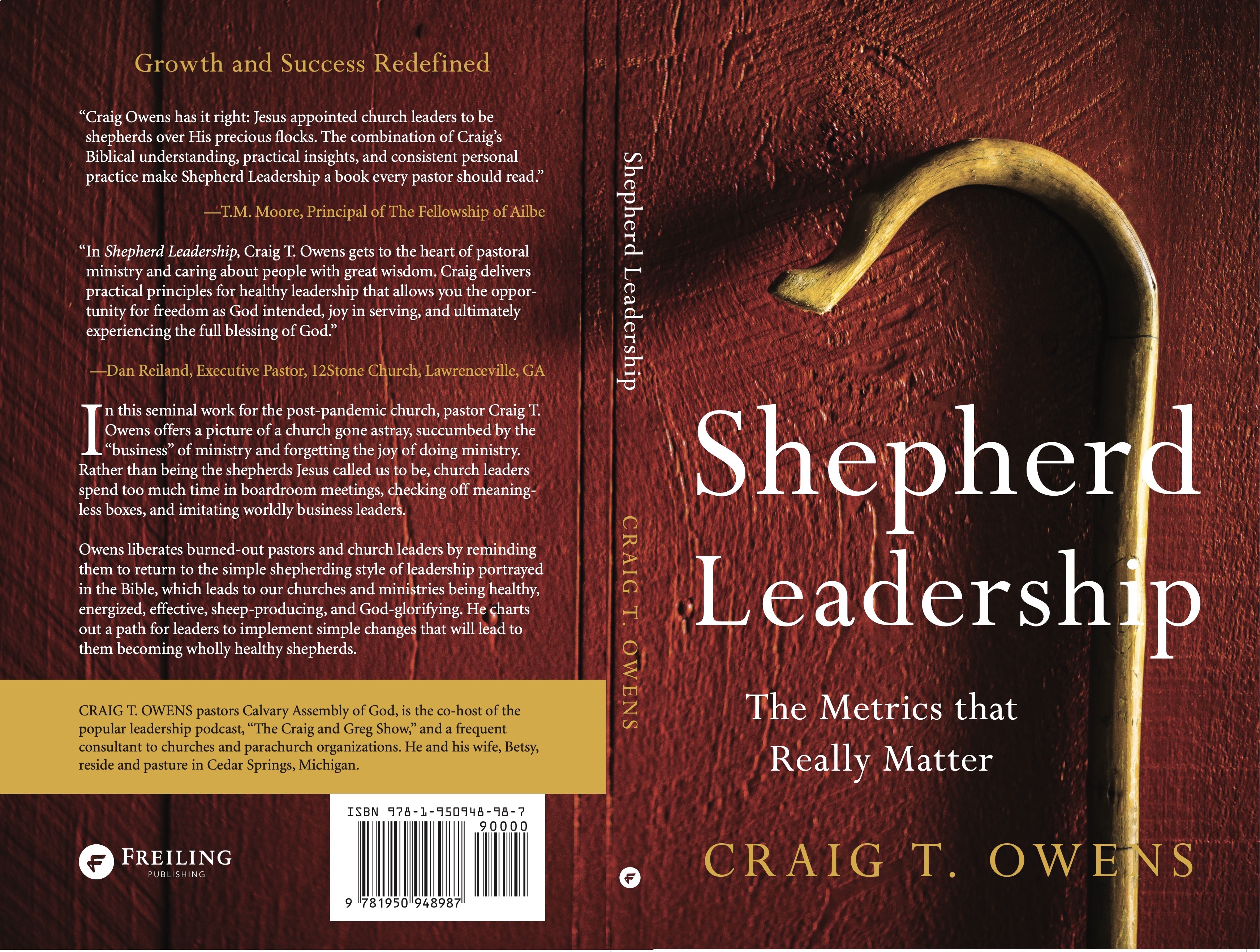
UPDATE: This post was one of the seed thoughts that went into fashioning my book Shepherd Leadership: The Metrics That Really Matter.
Miserable

The Apostle Paul asked the Christians in Galatia an important question:

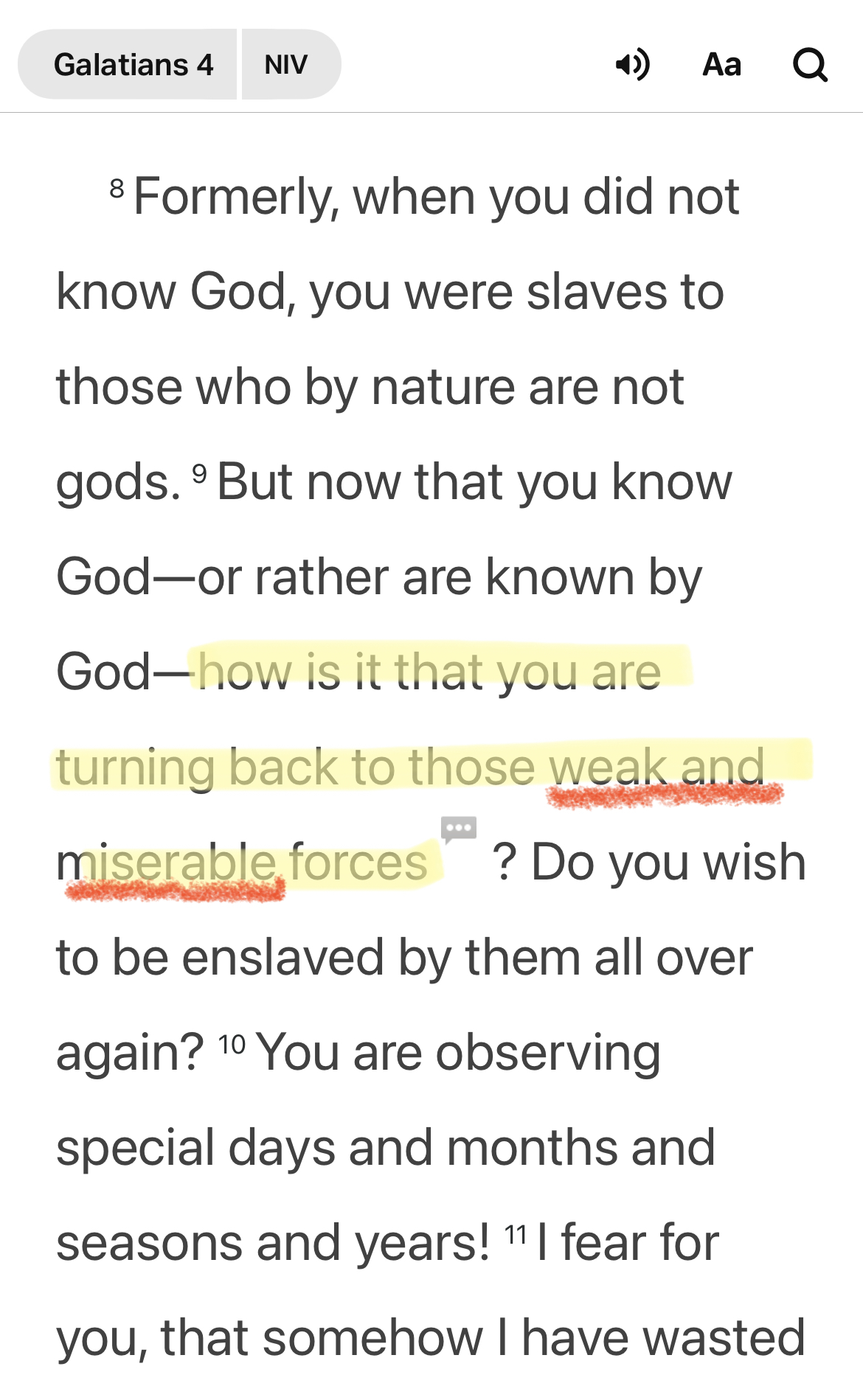
How is it that you are turning back to those weak and miserable principles? (Galatians 4:9)

The two words together in the Greek—weak and miserable—imply things that impoverish us and reduce us to lowly paupers and beggars. That’s not a pretty picture!

Look at the contrast between the princely life and the pauper’s life.

Those who follow Christ:

  • Are called sons of God (Galatians 4:6a)
  • Experience Abba Father’s favor (4:6b)
  • Are heirs to God’s Kingdom (4:7)

Those who don’t follow Christ:

  • Live as slaves (4:7)
  • Are separated from God’s favor (4:1-3)
  • Live as miserable beggars (4:9)

Why would anyone choose the miserable beggar’s life?

Here’s the principle: Everyone serves someone! I will either serve God and be called His son, or I will serve myself (my desires, my passions, my way of doing things) and be called a stranger to God.

Do I want to be in control, or do I want to let God be in control? When I try to control my own life, not only am I not in control, but I actually become a slave to my own passions. Ironic, isn’t it?

The choice is simple, but the choice must be made every day. I must choose to serve God in every moment of every day. It’s the only way to avoid the miserable life, and live the blessed life God has for me.

Whose Reputation?

When I graduated from high school and began to look for a job, I had very little to put on my resume. Over time, however, I gained some experience, and began to accumulate some skills and accomplishments. Every once in awhile someone would even tell me, “That will look good on your resume!”

This might work fine in a job-hunting role, but it will never do as a disciple of Jesus Christ. In fact, Jesus told a pretty pointed story about a resume-building Pharisee in Luke 18. This man was described as one who was “confident of [his] own righteousness and looked down on everybody else.” He emphasized all his good qualities, and did his best to make himself look good at the expense of others (see vv. 11-12). Jesus said, this type of man who exalts himself, will be humbled by God.

Another man was praying at the same time as this reputation-conscious Pharisee. But this man didn’t try to make himself look good. Instead he prayed, “God, be merciful to me, a sinner” (v. 13). Jesus said this man “went home justified before God” (v. 14). As C.S. Lewis said,

“Humility is not thinking less of myself. Humility is thinking of myself less.”

I’m not trying to promote my accomplishments, but God’s accomplishments.

I’m not trying to put my skills in the spotlight, but God’s magnificence.

I’m not trying to make myself famous, I want God to be famous.

I don’t need to look good, but I certainly do want God to look good.

If you want to live this way, I challenge you to pray this prayer:

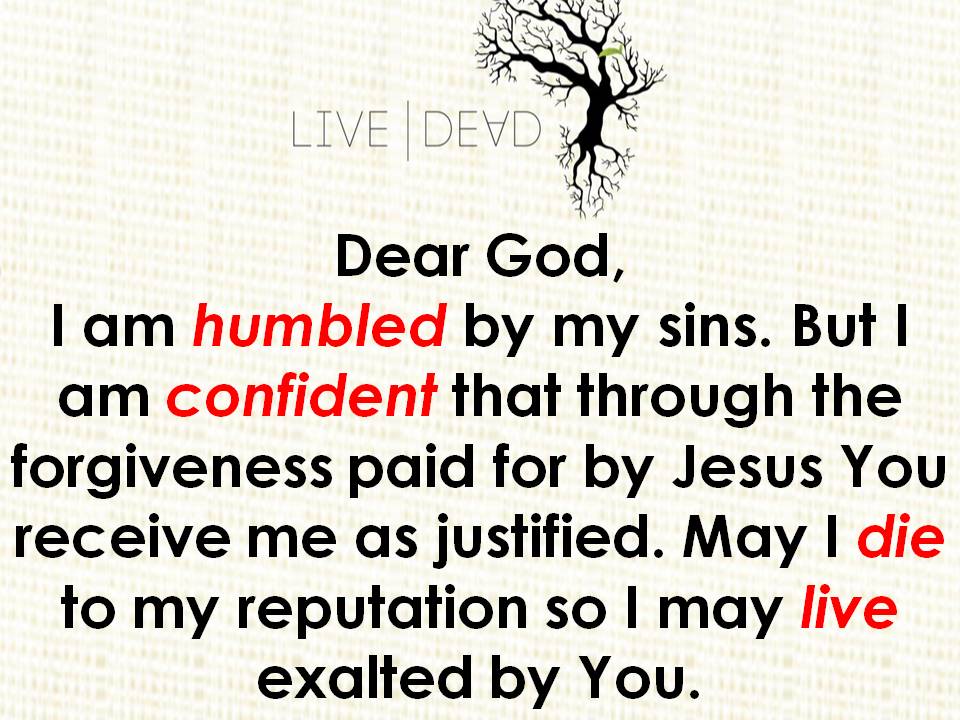
Dear God, I am humbled by my sins. But I am confident that through the forgiveness paid for by Jesus You receive me as justified. May I die to my reputation so I may live exalted by You.

To check out all of the messages in our Live Dead series, please click here.

Proper Preaching

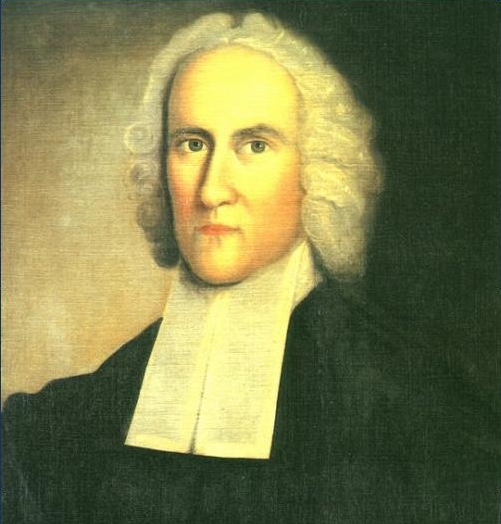
Jonathan Edwards was a brilliant man. His words here are spoken directly to preachers. I endeavor to handle my God-given responsibilities like this:

“Pure Christian humility has no such thing as roughness, or contempt, or fierceness, or bitterness in its nature; it makes a person like a little child, harmless and innocent, that none need to be afraid of, or like a lamb, destitute of all bitterness, wrath, anger, and clamor; agreeable to Ephesians 4:31. With such a spirit as this ought especially zealous ministers of the gospel to be clothed, and those that God is pleased to employ as instruments in His hands of promoting His work. They ought indeed to be thorough in preaching the word of God, without mincing the matter at all; in handling the sword of the Spirit, as the ministers of the Lord of hosts, they ought not to be mild and gentle; they are not to be gentle and moderate in searching and awakening the conscience, but should be sons of thunder. The Word of God, which is in itself sharper than any two-edged sword, ought not to be sheathed by its ministers, but so used that its sharp edges may have their full effect, even to the dividing asunder soul and spirit, joints and marrow. Yet they should do it without judging particular persons, leaving it to conscience and the Spirit of God to make the particular application. But all their conversation should savor of nothing but lowliness and good-will, love and pity to all mankind; so that such a spirit should be like a sweet odor diffused around them wherever they go. They should be like lions to guilty consciences, but like lambs to men’s persons. This would have no tendency to prevent the awakening of men’s consciences, but on the contrary would have a very great tendency to awaken them. It would make way for the sharp sword to enter; it would remove the obstacles, and make a naked breast for the arrow. —Yea, the amiable Christ-like conversation of such ministers in itself, would terrify the consciences of men, as well as their terrible preaching; both would co-operate to subdue the hard, and bring down the proud heart.”

Exhaustion Relief

I was reading and meditating on Matthew 11:28-30. These are the notes just as a jotted them down in my journal. I pray they will be as helpful for you as they were for me.

Come—without delay

to Me—Jesus is my only Source

all—no one is ever excluded from Christ’s call

you who are weary—I feel like I have been working hard, but gaining little ground

and burdened—and my conscience is bugging me because I feel I’m falling short of what God requires

and I will—only Jesus can do this

give you resta quiet, calm, patient expectation of a better future

Take—I need to apply what Jesus says to my life right now

My yoke upon you—Christ’s power to fulfill God’s requirements

and learn from Me—I must get in the habit of doing things His way

for I am gentle—strong enough to help me, but in a way that doesn’t overwhelm me

and humble in heart—He has the perfect attitude toward our Heavenly Father, and He can show me how to live this way too

and you will find rest—an intermission from my struggles

for your souls—the real me

For My yoke is easy—virtuous and pleasant

and my burden is light—relieving my conscience from worry and guilt

Why do I wait until I am wearied and burdened before I come to Christ? Why don’t I just take His yoke upon me daily? It’s my self-imposed burdens, from trying to do things my own way, that wear me out and beat me up! O stubborn pride! that keeps me toiling away, trying to do life my way. Submit and be free, O my soul!

Humbled Dad

If you heard a popping sound earlier today, that was probably my suit coat buttons! I attended the Cedar Springs Rotary Club luncheon today as an honored guest, because my son Brandon was a winner in the essay contest.

The essay contest is for the entire 5th grade in Cedar Springs, where they are asked to write about someone who shows integrity. I’ve known for a couple of weeks that Brandon was one of only five winner selected, but he has carefully guarded his essay. Today at lunch was the first time either Betsy or I heard it.

You can watch Brandon read his essay here…

…or you can read the essay for yourself here:

Dad

     “And that is why God sent Jesus to earth.” That’s my dad practicing his sermon. If you didn’t just catch that, my dad’s occupation is a pastor. Personally I think my dad shows tons of integrity. Here’s some ways my dad shows this as a pastor.

     My first reason I think my dad shows integrity is he speaks God’s word to the people every Sunday and Wednesday at church, so in a way he’s educating people in God’s word.

     My second reason I think my dad shows integrity as a pastor is that he goes out of his way to counsel people at the church and people having a hard time in life. When he goes to hospitals or homes to pray for people, he’s showing his care. Maybe someone needs some tips for staying a healthy Christian, my dad can help.

     My next thing on the list is my dad helping people even in not so good places. Sometimes my dad has to go to the people when they need help. My dad says, “Jesus went to parties and bad places to spread God’s grace and love.” Sometimes my dad has to go to bad restaurants or has to sit in the smoker’s area of a restaurant. But he does it to show God’s love.

     My last reason I think my dad shows integrity as a pastor is he helps the city with activities. He gets the youth group involved and will do what he can.

     My dad also shows integrity as a dad. Here are some things I would say about my dad. My dad is always there for his family. If someone is in need of a ride home, my dad can probably squeeze it in. If someone gets hurt, he’s there for sure. If anyone has a problem, he’ll be there to solve it.

     My second reason my dad shows integrity to the family is by setting a good example for me to follow. But he still lets me grow in my own way. Those are the reasons my dad shows integrity to the family.

     I try to be more like my dad because my dad is a role model to me. He shows me the right from wrong. He helps me grow as a person and will always keep me on the right path. My dad plays with me and shows me humor. He’ll tell me stories about things he did, motivating me to do the same thing. But the thing I look to my dad for the most is to be a better Christian. My dad tells me a small sermon every day. It’s not something you would hear at church, but it just helps me go through my day.

     This is why I believe my dad is a great person and I hope from this story that you can see my dad shows integrity to everybody.

I am one humbled and PROUD dad!

Manufactured Success

Listen to the podcast of this post by clicking on the player below, and you can also subscribe on AppleSpotify, or Audible.

Does success come from hard work, or does it have another origin? We can certainly manufacture success by doing some public relations, some spin, some creative promotion. And from the outside, it can look very successful. Someone may even do such a good job manufacturing their success that they begin to believe their own press releases.

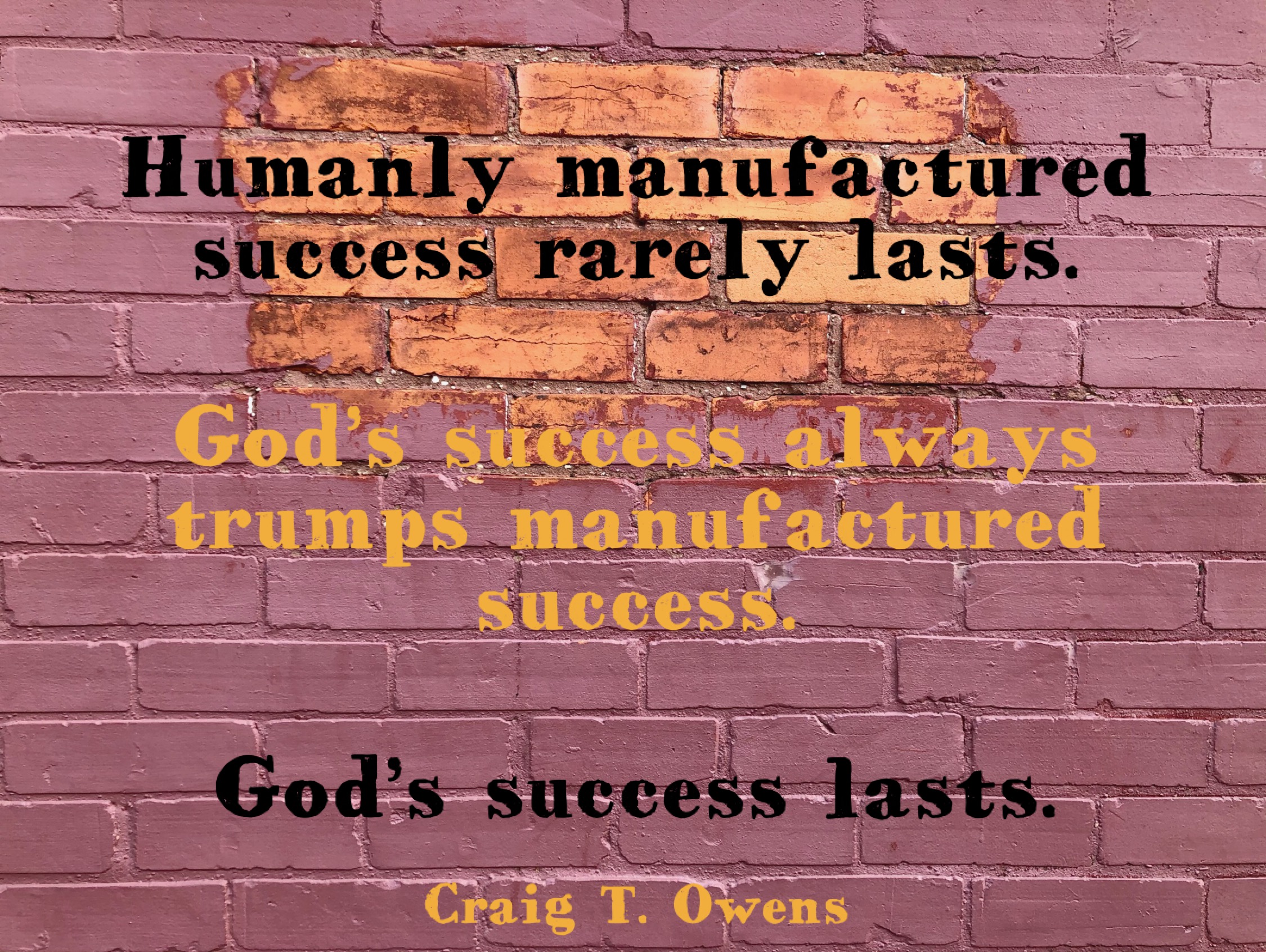
But humanly manufactured success rarely lasts.

Consider the case of a man named Adonijah. He was the heir-apparent in Israel. As the oldest living son of the famed King David, Adonijah was the odds-on favorite to be the next king. And so Adonijah began to manufacture a successful transfer of power for himself. He invited all the right people and ignored those who he knew wouldn’t go along with his plan. He set up everything just the way a prince ascending the throne should have it. His followers joined him for a party and began to raise their glasses in a toast: Long live King Adonijah!

Except God—and King David—had other plans. Just as God directed, David had his son Solomon anointed king. When the few followers that were toasting Adonijah heard this, they all bailed on him and ran away. Even Adonijah recognized that something else can trump manufactured success. Here’s what he said:

“As you know,  the kingdom was mine. All Israel looked to me as their king. But things changed, and the kingdom has gone to my brother; for it has come to him from the LORD.” (1 Kings 2:15)

Success has come to him from the Lord.God’s success always trumps humanly manufactured success.

Manufactured success leads to pride (the kingdom was mine). And pride over-exaggerates our self-worth and obscures reality (all Israel looked to me as their king). God’s success comes to the humble who recognize His lordship and their place in His Kingdom. God’s success lasts.

Although Adonijah eventually recognized this, he didn’t learn from it. In the next scene, he is again trying to manufacture a way to ascend to the throne. And this time he not only loses his position but his life as well.

Here’s what Jesus says: For whoever exalts himself will be humbled [manufactured success], and whoever humbles himself will be exalted [God’s success].

►► Would you please prayerfully consider supporting this ministry? My Patreon supporters get behind-the-scenes access to exclusive materials, like this recent Bible study tip from the Book of Ecclesiastes. ◀︎◀︎

Tiger Woods & I Have Something In Common

One part of Tiger Woods’ statement stood out to me this morning:

“I knew my actions were wrong, but I had convinced myself that normal rules did not apply … I thought only about myself…  I thought I could get away with anything I wanted to. … I thought I was entitled….”

This hits me right between the eyes. Because that sounds like… me.

And probably you, too.

I think the biggest stumbling points into sin are:

  • “This won’t hurt me.”
  • “I can handle it.”
  • “I deserve it.”

Tiger’s fame magnified what he did, but only in the eyes of our media and culture. In God’s eyes, my sins are just as painful as Tiger’s. In God’s eyes, my sins hurt my relationships with Him and with others as much as Tiger’s. But here’s the great truth for Tiger Woods, for me, and for you:

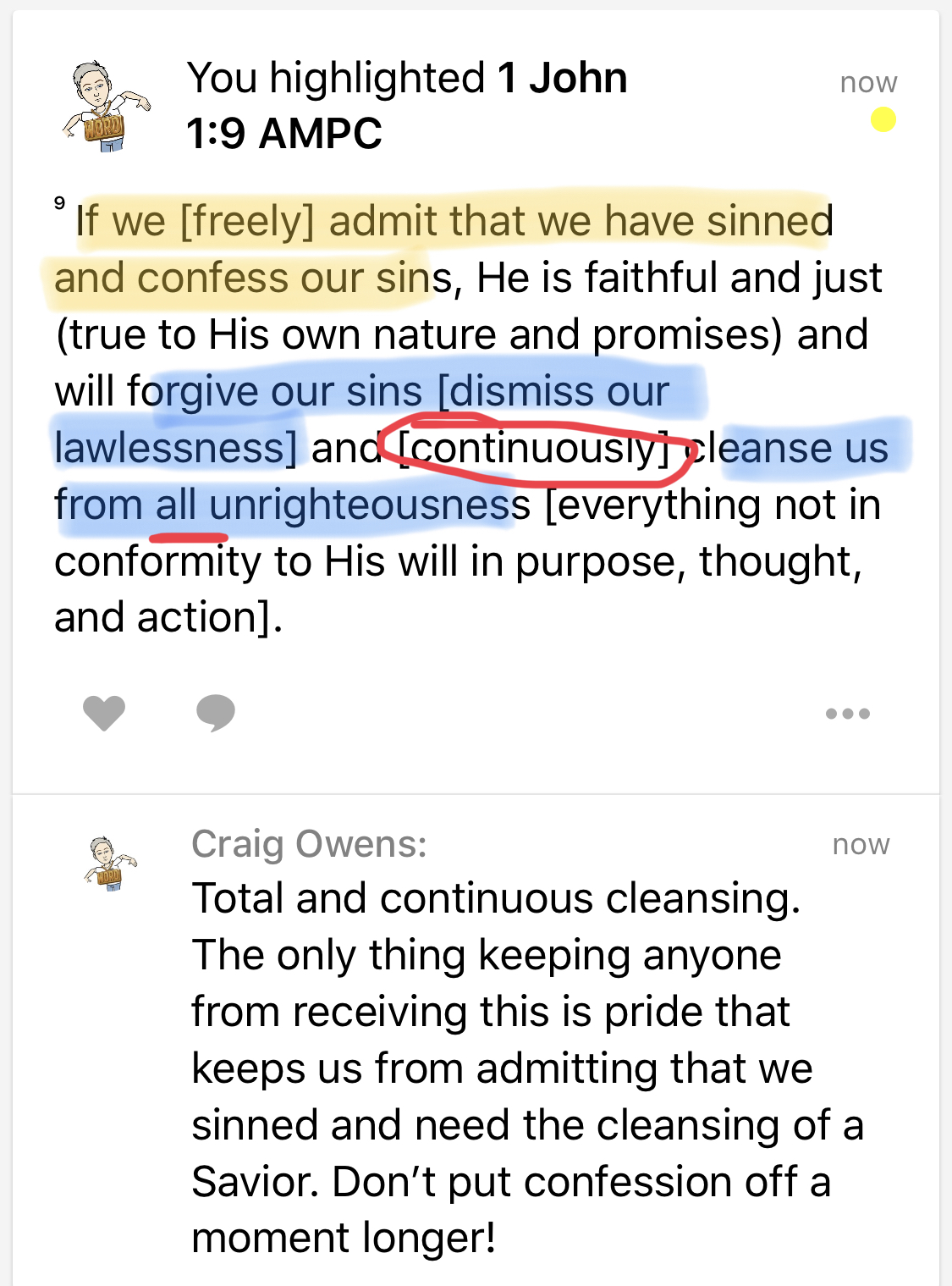
But if we confess our sins to Him, He is faithful and just to forgive us our sins and to cleanse us from ALL wickedness.

I’m glad that I can be forgiven!

Scarecrows In The Melon Patch

Think about the imagery: some old clothes stuffed with straw, perhaps a burlap bag with a funny face drawn on it, and maybe a raggedy hat on top. Then hang this creation on a wooden pole, arms all akimbo, in an attempt to scare away birds from a melon patch.

Are you scared? I certainly hope not!

Yet this is exactly the thing God used to describe the fear His people were experiencing

Like a scarecrow in a melon patch, their idols cannot speak; they must be carried because they cannot walk. Do not fear them; they can do no harm nor can they do any good.

The scarecrow doesn’t hurt anyone, but he doesn’t help either. God said His people were afraid of a scarecrow. But here’s the amazing part: they made their scarecrows!

These people had forgotten God—forgotten His goodness, forgotten His blessings, forgotten His mercy, forgotten His strength, forgotten His wisdom, forgotten His power. Since they had forgotten that He was the One in charge, that He was the One who could protect them, they tried to create their own protection. They built their own scarecrows, and then became afraid of what they created!

I think we have done the same thing today.

We have forgotten God’s goodness, forgotten His blessings, forgotten His mercy, forgotten His strength, forgotten got His wisdom, forgotten His power. To protect ourselves we have made scarecrows of economic systems, and governments, and elected officials, and medicines, and insurance companies. And just like scarecrows, they can do no harm nor can they do any good.

That’s why fear is so rampant in our hearts: We are looking to the scarecrows we have created instead of looking to the Creator who gave us life.

Are you fearful? Do you feel panicky? Does your future seem ominous? If so, perhaps there are a few scarecrows you need to dismantle. Rip them apart and scatter the straw to the wind. And then begin to read God’s Word. Jeremiah also records these words from God to us

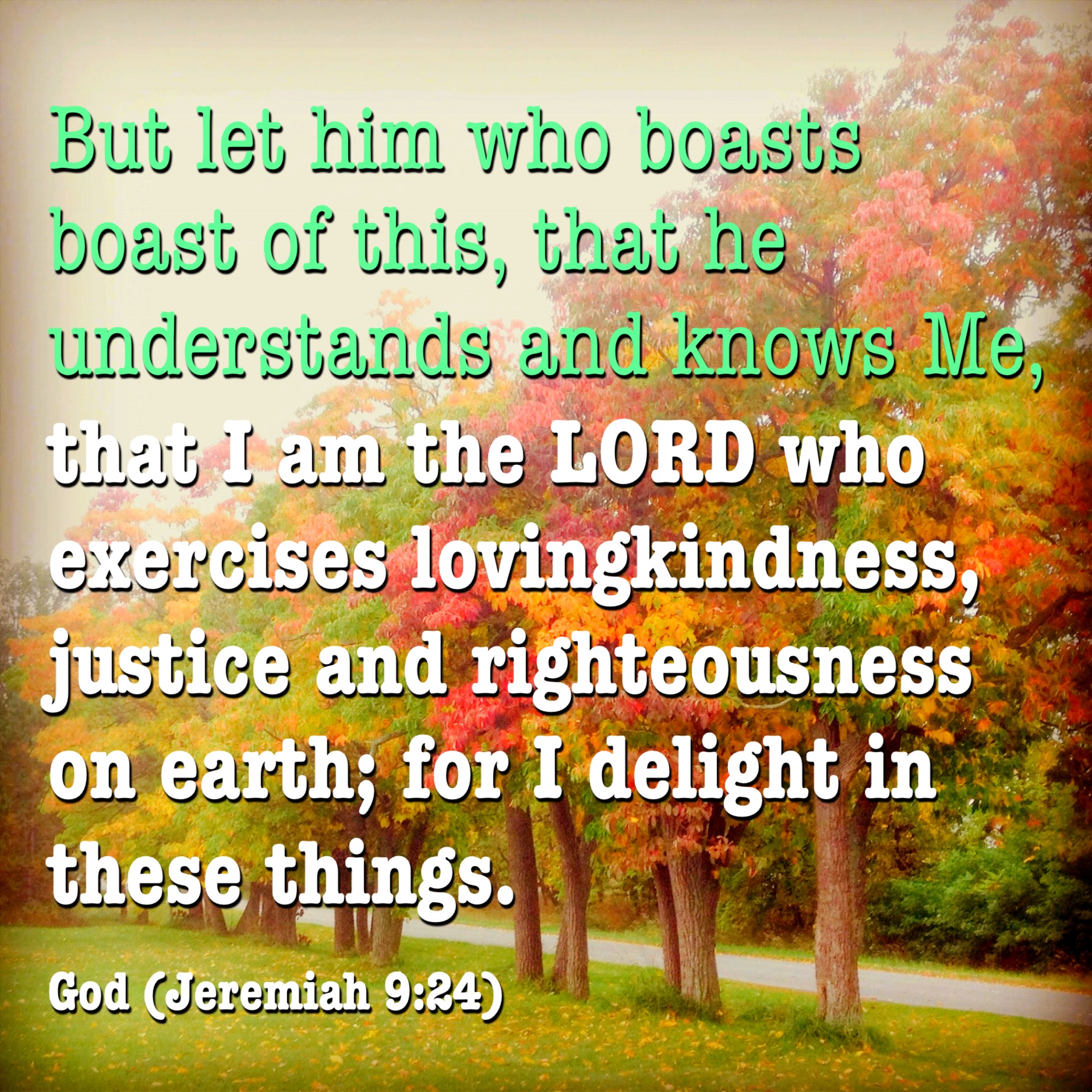
This is what the LORD says: “Let not the wise man boast of his wisdom or the strong man boast of his strength or the rich man boast of his riches, but let him who boasts boast about this: that he understands and knows Me, that I am the LORD, who exercises kindness, justice and righteousness on earth, for in these I delight,” declares the LORD.

Understanding and knowing God’s kindness, justice, and righteousness will destroy your scarecrows and set you free from fear. Get rid of those scarecrows today!