In the month of Kislev in the 20th year of the Israelites’ exile in Babylon, Nehemiah began to pray for favor when he spoke with King Artaxerxes. In the month of Nisan—four months later—Nehemiah was finally given the opportunity to speak with the king about his heart’s desire to travel to Jerusalem (Nehemiah 1:1–2:6).
Jeremiah dictated all of God’s words to Baruch in the 4th year of King Jehoiakim’s reign. Presumably, Baruch begin sharing these words immediately, but it wasn’t until the 9th month of the 5th year that these words appeared to hit home (Jeremiah 36:1-6, 8-9).
In the 3rd year of King Cyrus’ reign, Daniel was shown a vision from God and he began to pray for God to give him the meaning of the vision. Twenty-one days later and angel arrived with the answer (Daniel 10:1-12)
Zechariah and Elizabeth prayed and tried to get pregnant until Elizabeth became post-menopausal. Even after they stopped praying and stopped trying, Gabriel told them their prayer had been heard and Elizabeth became pregnant (Luke 1:5-25).
God’s timing is perfect!
What has God promised you? Are you still praying for it? Still believing for it? Are you still doing what you need to do to see it happen? If God spoke it to you, He has not forgotten you! Don’t believe the lie that the window of opportunity has closed!
If it seems slow in coming, wait patiently, for it will surely take place. It will not be delayed. (Habakkuk 2:3)
Controlling leaders shut down creativity among their teammates, which leads to higher turnover. If your team isn’t sharing their good ideas with you or if they are leaving you, that may be an indicator that you are too controlling. Check out the full conversation on The Craig and Greg Show
“As a fact, men only become greedily and gloriously material about something spiritualistic. … Take away the supernatural, and what remains is the unnatural.” —G.K. Chesterton
Astronomical technology like the James Webb Space Telescope (JWST) are providing breathtaking images. They are also creating problems for the scientific theories of the origins of our universe. University of California Santa Barbara physicist Caitlin Casey, said, “It makes sense—the Big Bang happens and things take time to gravitationally collapse and form, and for stars to turn on. There’s a timescale associated with that…. And the big surprise is that with JWST, we see roughly 10 times more galaxies than expected at these incredible distances.” There is a more straightforward answer found in Genesis 1:1, “In the beginning, God created the heavens and the earth.”
“Knowing where God wants people to be and taking the initiative to use God’s gifts and God’s methods to get them there, in reliance on God’s power through Christ, with God’s appointed people following.” —John Piper, giving his definition of godly leadership
The Bible records the names of five Persian kings. One of them called “Darius the Persian” in Nehemiah 12:22 requires some historical cross-referencing to identify. The Bible Archeology Report presents another one of their fascinating archeological biographies on this Persian king.
“The greatness of a leader is in his humility before God, not in his eloquence before men.” —Anonymous
The most viewed and downloaded resource on my blog is my chart of the kings of the united kingdom of Israel and the divided kingdoms of Israel and Judah. I was thrilled to discover this week that Jacob Edson at Biblegateway has taken my chart even deeper!
T.M. Moore has vital counsel for pastors, “Jesus must increase in us, and we must decrease. But that doesn’t just happen by carrying out whatever our ‘spiritual work’ requires of us week-in and week-out. Our ‘natural gifts’ cannot replace spiritual ones, and ‘mental powers’ are no match for the mind of Christ. It is a shepherd’s ‘duty’ to attend to the care and nurture of his soul, for unless we are diligent in this, we will not be able to lead the Lord’s sheep into a greater experience of our great salvation or a fuller realization of His Kingdom.”
Listen to the podcast of this post by clicking on the player below, and you can also subscribe on Apple, Spotify, or Audible.
Waiting for God to answer doesn’t mean sitting still and doing nothing. Sometimes we have to work, and plan, and strategize while we are praying. Check out this example from Nehemiah.
Check out more thoughts about using the Bible as our prayer guide in our series Our Prayer Book.
Listen to the podcast of this post by clicking on the player below, and you can also subscribe on Apple, Spotify, or Audible.
Last week I asked, “How long do we keep praying?” Answer: Until God answers or until He lifts our burden. In the meantime, the Bible encourages us to…
Keep asking with full confidence that God hears you
Keep expecting an answer
Keep worshiping God for Who He is
Keep trusting that your Heavenly Father wants to give you the very best!
With that in mind, let me ask you another question: What does this look like? How do we wait expectantly for God to answer? I’ve got three thoughts from the Scripture.
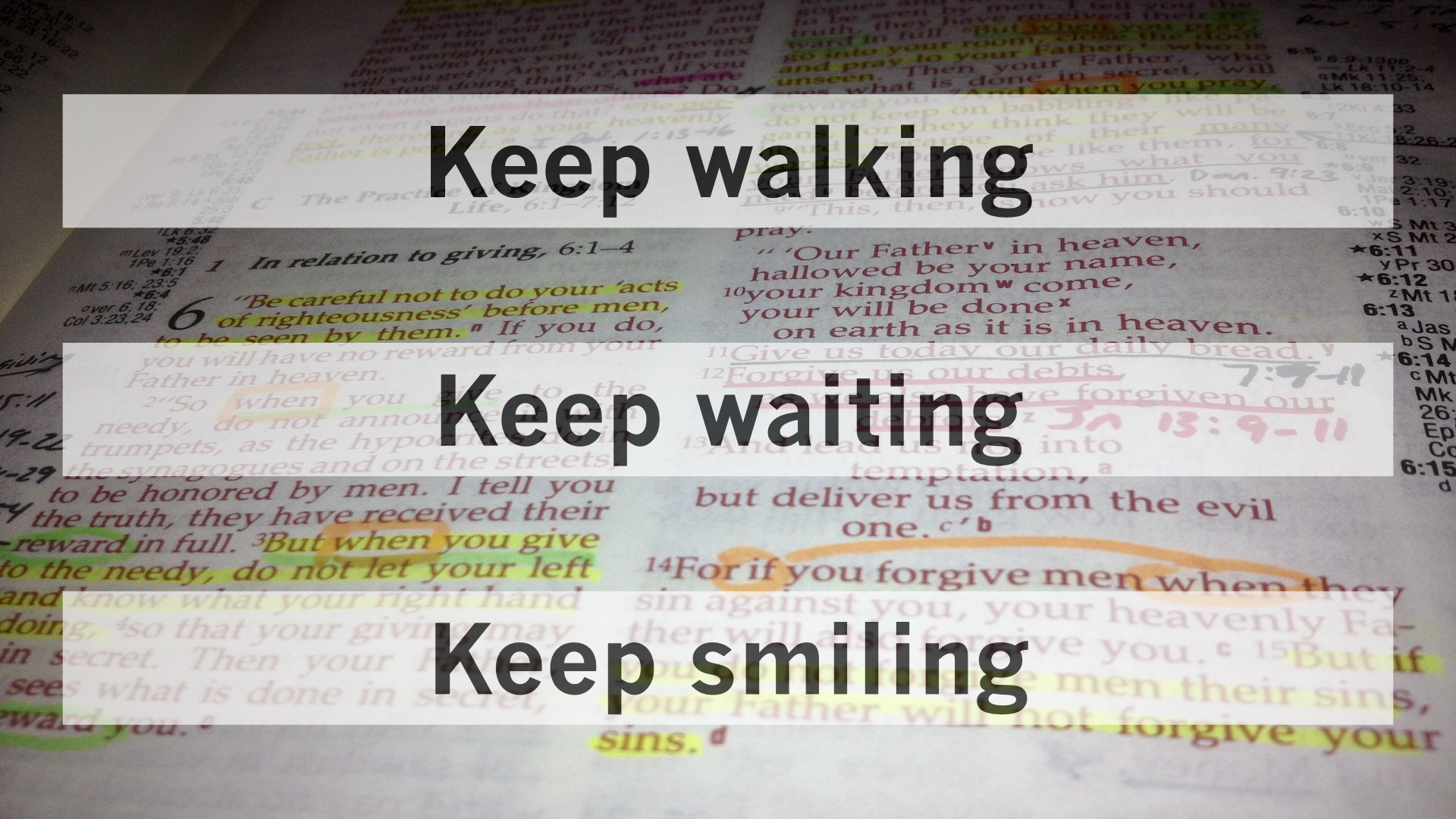
(1) Keep walking
Eliezer had a 300-mile journey which would have taken him about 10 days. Abraham prayed for him before he left and Eliezer prayed when he arrived (Genesis 24:7, 12, 15). His expectation that God would answer him kept him walking. The answer came after 10 days—before he even finished praying!
Nehemiah prayed for God’s favor with King Artaxerxes (Nehemiah 1:11) but then he had to keep walking to work every single day for at least 4 months (2:4). All the while he was praying, expecting, and planning, so when the king asked him what he wanted, Nehemiah was ready to answer.
A royal official met Jesus in Cana and asked Him to heal his son who was was sick in Capernaum. Jesus said, “Go! Your son will live,” and that father began walking his 20-mile journey home. Along the way, his servants met him to deliver the good news of the boy’s full recovery. When the father asked, he found out it was at the very moment Jesus had said, “Go” (John 4:46-53).
Faith takes Jesus at His word and starts walking toward the approaching miracle!
(2) Keep waiting
There are two Hebrew words in the Old Testament that frequently are translated “wait”:
qava = expecting in hope
yahal = guarding that hope
Check out how one psalmist linked hoping and waiting—
Out of the depths I cry to You, LORD; Lord, hear my voice. Let Your ears be attentive to my cry for mercy. … I wait for the LORD, my whole being waits, and in His Word I put my hope. I wait for the Lord more than watchmen wait for the morning, more than watchmen wait for the morning. (Psalm 130:1-2, 5-6)
And David wrote how he had learned to quiet himself in God’s loving presence: But I have calmed and quieted myself, I am like a weaned child with its mother; like a weaned child I am content (Psalm 131:2).
Then listen to the wait-hope-quiet link in Jeremiah’s prayer—
I say to myself, “The LORD is my portion; therefore I will wait for Him.” The LORD is good to those whose hope is in Him, to the one who seeks Him; it is good to wait quietly for the salvation of the LORD. (Lamentation 3:24-26)
In the New Testament, the idea is patience for an expected result is like a farmer who had prepared his field, planted good seed, watered it with his prayers, and is now assured of an abundant harvest (James 5:7-8; Galatians 6:9).
(3) Keep smiling
We put on a smile, not a show!
Contrast what Jesus said about the wrong way to pray and fast…
And when you pray, do not be like the hypocrites, for they love to pray standing in the synagogues and on the street corners to be seen by others. … And when you pray, do not keep on babbling like pagans … When you fast, do not look somber as the hypocrites do, for they disfigure their faces to show others they are fasting… (Matthew 6:5, 7, 16)
…with the God-honoring, God-trusting way—
But when you pray, go into your room, close the door and pray to your Father, who is unseen … But when you fast, put oil on your head and wash your face. (Matthew 6:6, 17)
It’s not a fake smile, but a smile that comes from the joy in our rock-solid expectation in God’s reply to our prayer (Psalm 28:6-7; 38:15)
Pray—then keep walking, keep waiting, and keep smiling in anticipation of what your Heavenly Father is doing on your behalf.
If you want to check out the other messages in this prayer series, please click here.
Listen to the podcast of this post by clicking on the player below, and you can also subscribe on Apple, Spotify, or Audible.
Charles Spurgeon said, “We too often rush into the presence of God without forethought or humility. We are like people who present themselves before a king without a petition, and what wonder is it that we often miss the end of prayer?” I hope you are starting to…
Spurgeon also asked an important question: “Do we not miss very much of the sweetness and efficacy of prayer by a want of careful meditation before it, and hopeful expectation after it?”
We talked about competing priorities, but also how Jesus made prayer the priority for His life. This means that some things we call important may have to temporarily be set aside.
Let’s look at the example of Jesus. He prioritized prayer over:
Training. In Luke 5:16 and 9:18 we see Jesus praying in private even though His disciples were right there with Him. This was so revolutionary to the disciples that it prompted them to ask Jesus how they could pray like He did (Luke 11:1-13).
Sleep. Mark 1:32-35 tells us Jesus was up after sunset ministering to the needs of people, and that He was up and praying while it was still dark. And Luke 6:12 tells us Jesus spent the whole night in prayer before making a big decision.
Strategizing. The big decision Jesus had to make was choosing the twelve men who would be His apostles—the ones He would spend the most time training and preparing. He didn’t hold strategizing sessions or interviews with the perspective candidates, but He spent the night praying for wisdom (Luke 6:12-13).
Ministering. People were looking for Jesus, but He guarded His prayer time so the Holy Spirit could guide Him into His ministry time (Mark 1:37).
Why did He treat prayer this way? Because He knew that God knows our day better than we do. He knows the people will encounter, the conversations that we need to have, the decisions that await us. So we must prayerfully entrust our days to Him (Proverbs 16:9, 3:5-6).
Remember that Spurgeon said “careful meditation” before prayer and then “hopeful expectation after it.” This is exactly what David said in Psalm 5:1-3 where he was expectant of God’s answers throughout the day.
We see this example throughout the Bible, but let me give you three quick examples:
Hagar’s eyes were opened to see the supply of water that was already there (Genesis 21:14-19)
Eliezer had success in finding a wife for Isaac by seeing a woman that was already at the well (Genesis 24:7, 12-15, 21, 27)
Nehemiah prayed for 4 months so he could pray in the moment that the king asked him what he needed to be successful (Nehemiah 1:4, 11; 2:1-4, 8)
I think this is what Paul meant when he told us to “pray continually “ (1 Thessalonians 5:17).
Jesus could announce that everything He did (John 5:19) and everything He said (John 12:49) was directed by the Father.
We can live like this too, if we will only make prayer the priority that sets the order for any other thing that we call a priority. Missionary Hudson Taylor said, “Do not have your concert first, and then tune your instrument afterwards. Begin the day with the Word of God and prayer, and get first of all into harmony with Him.”
If you have missed any of the messages in our series called Our Prayer Book, you can find them all by clicking here.
Listen to the podcast of this post by clicking on the player below, and you can also subscribe on Apple, Spotify, or Audible.
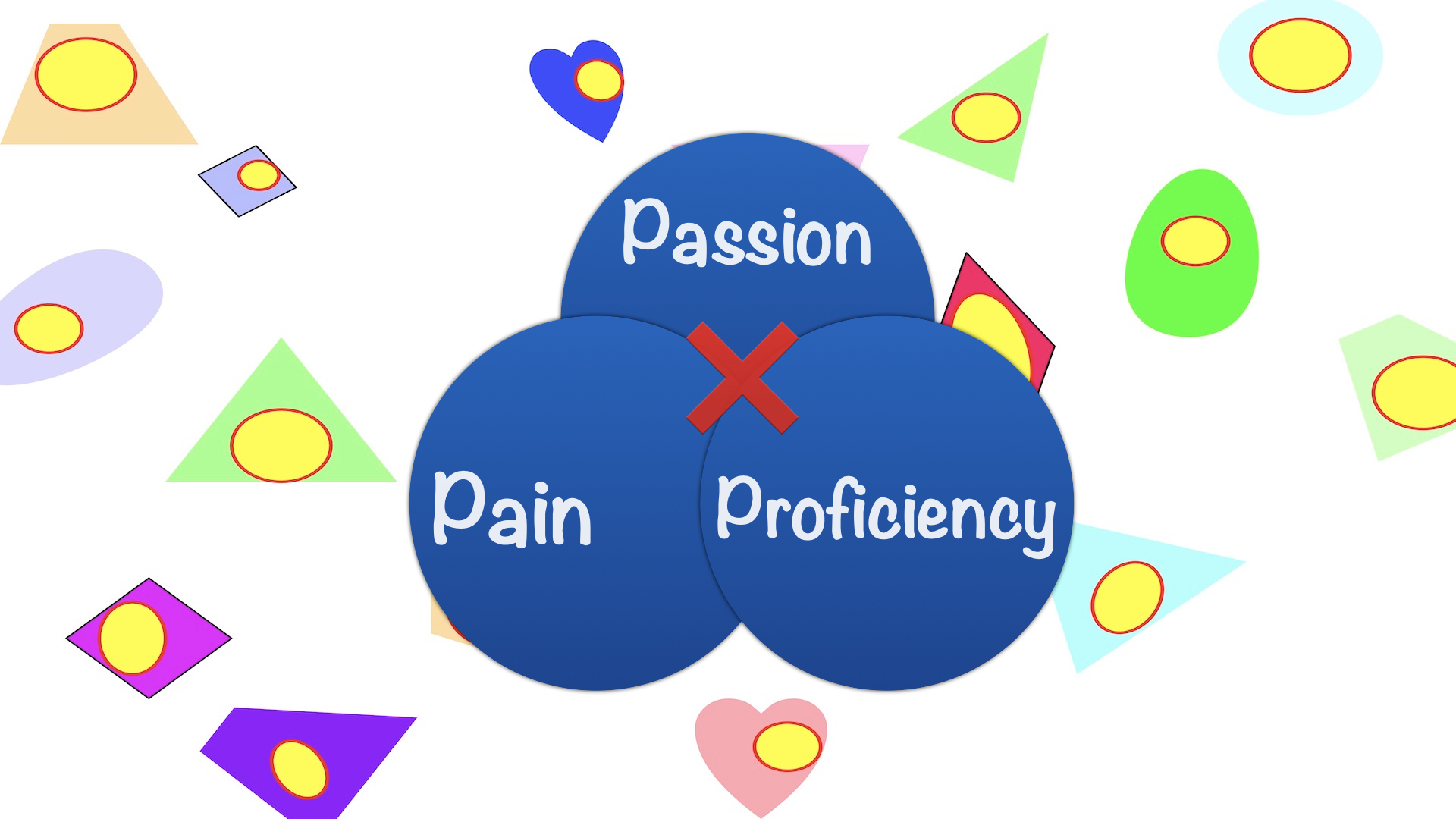
We have been learning about how God gifts us so that He can use us to build His kingdom. Discovering these gifts and then living in this gift zone is going to require us to stretch out of our comfort zone. So far, we’ve looked at two factors:
As you look back, the things that thrill you and kill you have probably remained consistent through your life. You may recall moments where implementing your gifts went very well and times when it didn’t go so well. The former makes us ready to try again and maybe expand a little further, but the latter tempts us to shrink back into our comfort zone. The key is to find out how we can be more consistent in using our gifts productively.
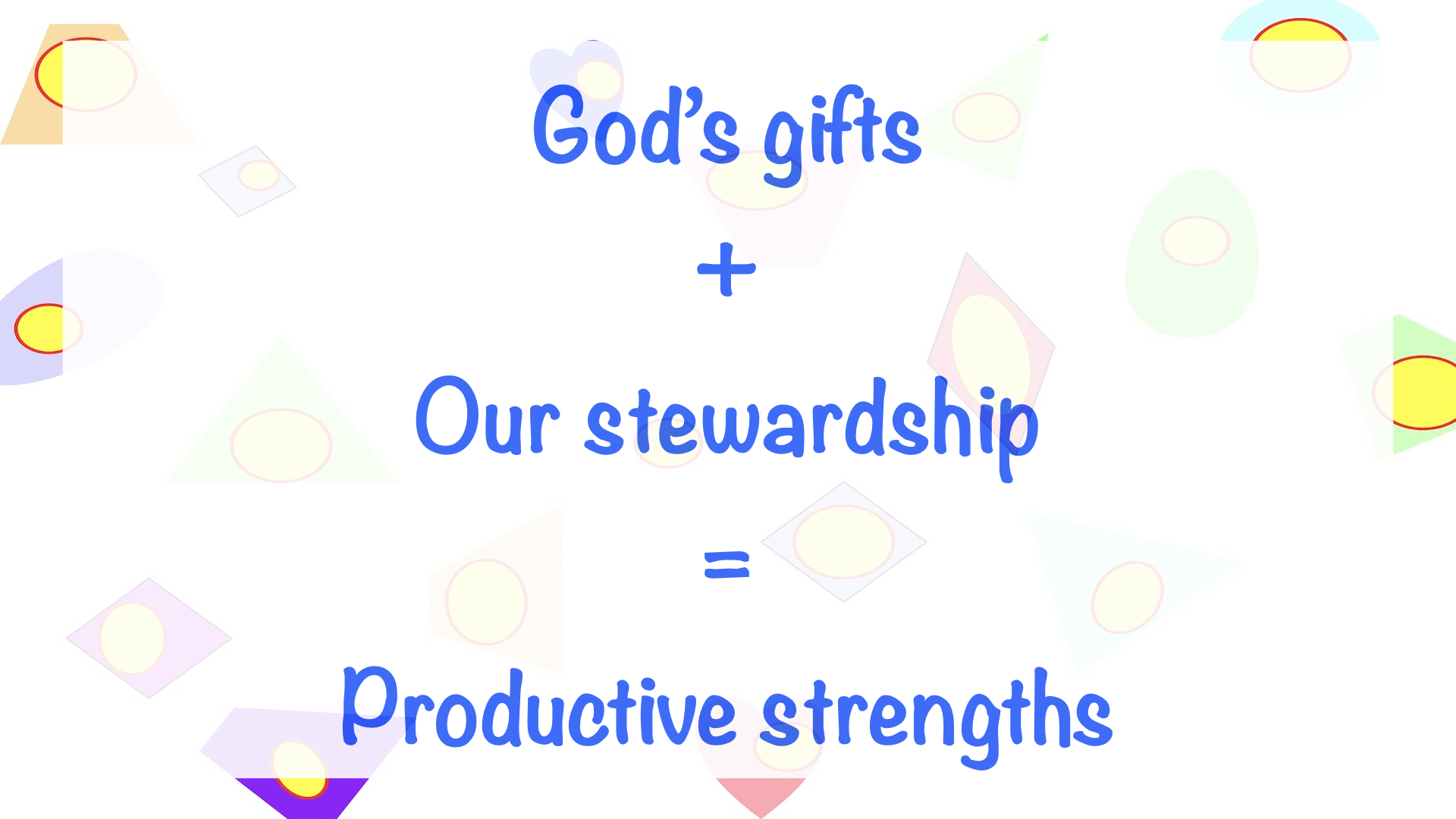
It looks like this: God’s gifts + Our stewardship = Productive strengths.
God gives the gifts as only He knows best (Psalm 139:16; Romans 12:6; 1 Corinthians 12:11) and then we steward these gifts into productive strengths.
The dictionary defines it as the responsible overseeing and protection of something considered worth caring for and preserving.
The Bible always portrays a steward as the one in charge of the precious things in a household—in our case, the Church.
Jesus makes the role of a steward very clear in his parable found in Matthew 25:14-27. Notice three important things:
The master gave gifts to everyone of his servants, but he gave “each according to his ability” (vv. 14-15).
The wise servants stewarded the master’s gift by that way they “put his money to work” (vv. 16-18)
The master demanded accountability of all of his servants. Two servants acknowledged “you entrusted me” with these gifts (vv. 19-23), while one said, “I was afraid” (vv. 24-27).
God created each of us on purpose and for a purpose. He gave us the gifts we need to accomplish that purpose. We will only find our fulfillment in life in stewarding those God-given gifts and opportunities in ways that glorify Him. Not only fulfillment here, but then eternal satisfaction when we hear our Savior say, “Well done, good and faithful servant! Enter into your Master’s happiness!”
The only servants that heard the “well done” from their master were those who realized it was “your money…entrusted” to me. I like how Eugene Peterson brings this out in his paraphrase:
Make a careful exploration of who you are and the work you have been given, and then sink yourself into that. Don’t be impressed with yourself. Don’t compare yourself with others. Each of you must take responsibility for doing the creative best you can with your own life. (Galatians 6:4-5 MSG)
So let’s add one more circle to the passion and pain circles, and that is the circle of proficiency. This is what fulfills us because we can do it so well; it feels so natural for us to be doing this. Proficiency is what really brings together the passion and the pain, and it helps us find the sweet spot.
Let me give you a couple of examples—one from the Old Testament and one from the New Testament.
Nehemiah was killed that Jerusalem was in shambles and the people were disgraced (Nehemiah 1:3-4)—that’s what killed him. Nehemiah didn’t go to wall-building school, but he effortlessly strategized, cast vision, organized, planned, procured, and adapted—that’s his proficiency. The wall was built in 52 days, Israel’s enemies were disgraced, and the people had a place to worship again (Nehemiah 6:15-16, 9:1-3)—that’s what thrilled him.
The apostles and the first deacons in the New Testament church saw that some of the widows were being overlooked in the food distribution (Acts 6:1)—this is what killed them. These new leaders didn’t go to food-distribution school, but they effectively strategized, cast vision, organized, planned, procured, and adapted (v. 3)—this is their proficiency. The widows were cared for, the Word of God spread, and more people became Christians (v. 7)—that’s what thrilled them.
God gives gifts—we feel that in what thrills us and what kills us. We steward those gifts into productive strengths—we stick with what we fulfilled in doing. Our productive strengths then glorify God as we strengthen and grow the Body of Christ.
Let me give you four things to consider about your area of proficiency:
What comes easily to me?
Where do I see both the steps and the completion before others do?
Where do I experience the greatest ROI of my time and efforts?
What do I do that thrills me because I ran to because it was killing me, and now it fulfills me to keep doing it?
With all three of these circles, please take some time to ponder what your sweet spot is. And if you’ve missed any of the messages in this series, you can find them all here.
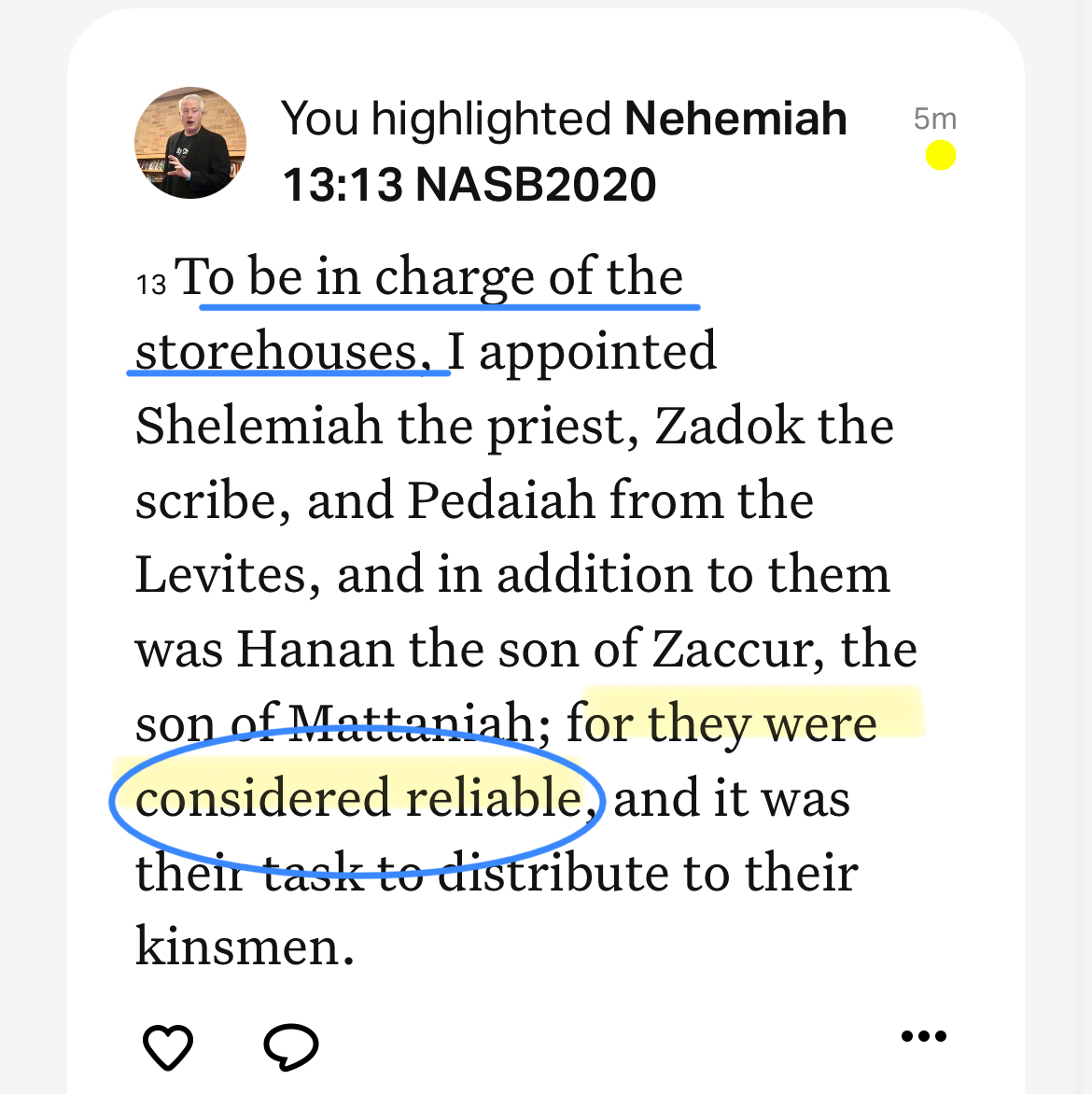
I also discovered that the portions of the Levites had not been given to them, so the Levites and the singers who performed the service had gone away, each to his own field. So I reprimanded the officials and said, “Why has the house of God been neglected?” Then I gathered them together and stationed them at their posts. All Judah then brought the tithe of the grain, wine, and oil into the storehouses. To be in charge of the storehouses, I appointed Shelemiah the priest, Zadok the scribe, and Pedaiah from the Levites, and in addition to them was Hanan the son of Zaccur, the son of Mattaniah; for they were considered reliable, and it was their task to distribute to their kinsmen. (Nehemiah 13:10-13)
According to the Hebrew definitions:
“considered” = accountable
“reliable” = trustworthy
Both words mean someone who has passed the test and someone who is still passing the test. These men were faithful leaders before they were given this important job, and then they continued to prove themselves faithful even as their work was carefully scrutinized.
A title doesn’t make you a leader, and a title doesn’t sustain you as a leader. Your faithful, God-honoring, trustworthy accountability makes you a leader—even if you never get the title, God sees you and He will reward you.
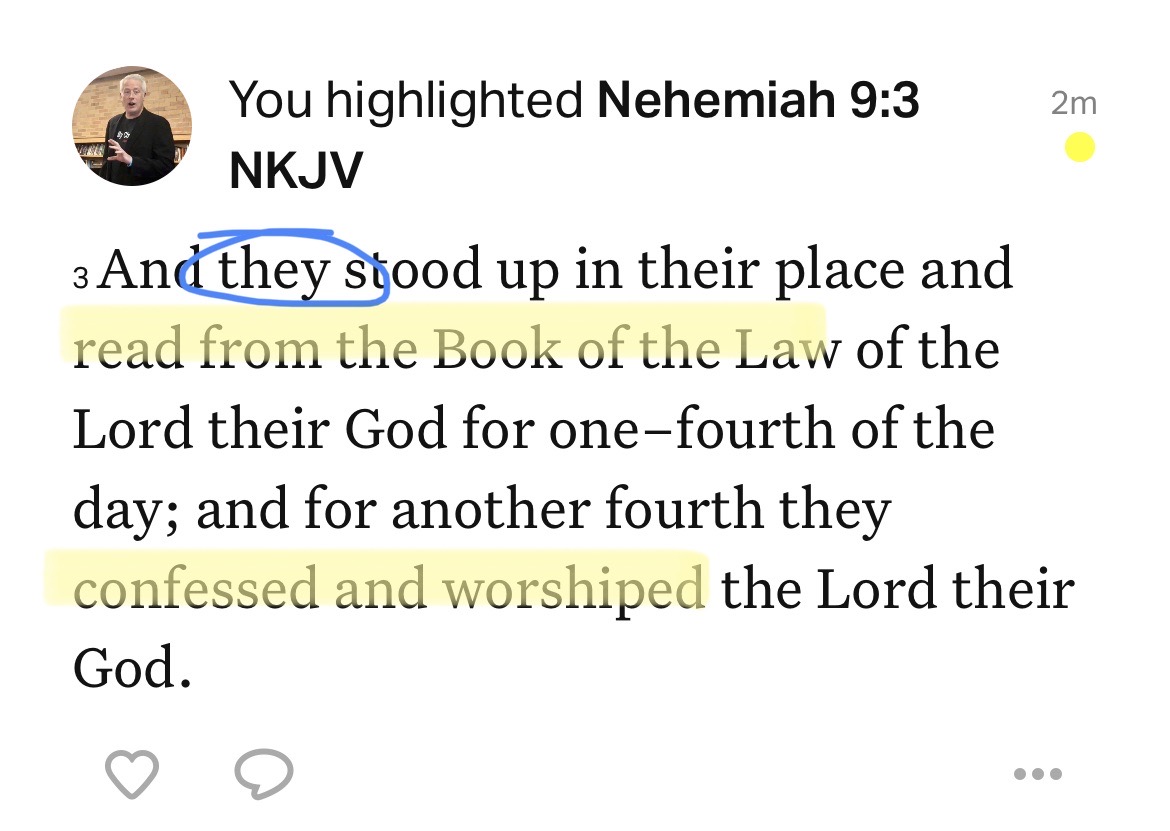
And they stood up in their place and read from the Book of the Law of the Lord their God for one-fourth of the day; and for another fourth they confessed and worshiped the Lord their God. (Nehemiah 9:3)
I have three takeaways from this verse—
(1) When we read God’s Word, the Holy Spirit illuminates it to us. Confession and worship should be normal responses to the Word and the Spirit.
I like the bridge in the song I Keep Falling In Love With Him—
When I first fell in love with Jesus, I gave Him all my heart And I thought I couldn’t love him more than I did right at the start. But now I look back over the mountains, and the valleys where I’ve been And It makes me know I love Him so much more than I did then
Out of the depths—Think how far we’ve come on this climb. In the first Song of Ascent, we were experiencing the woes of being in the valley (Psalm 120:5-7). But now in this song, the feelings of being in the depths are not from someone else’s sinful activity.
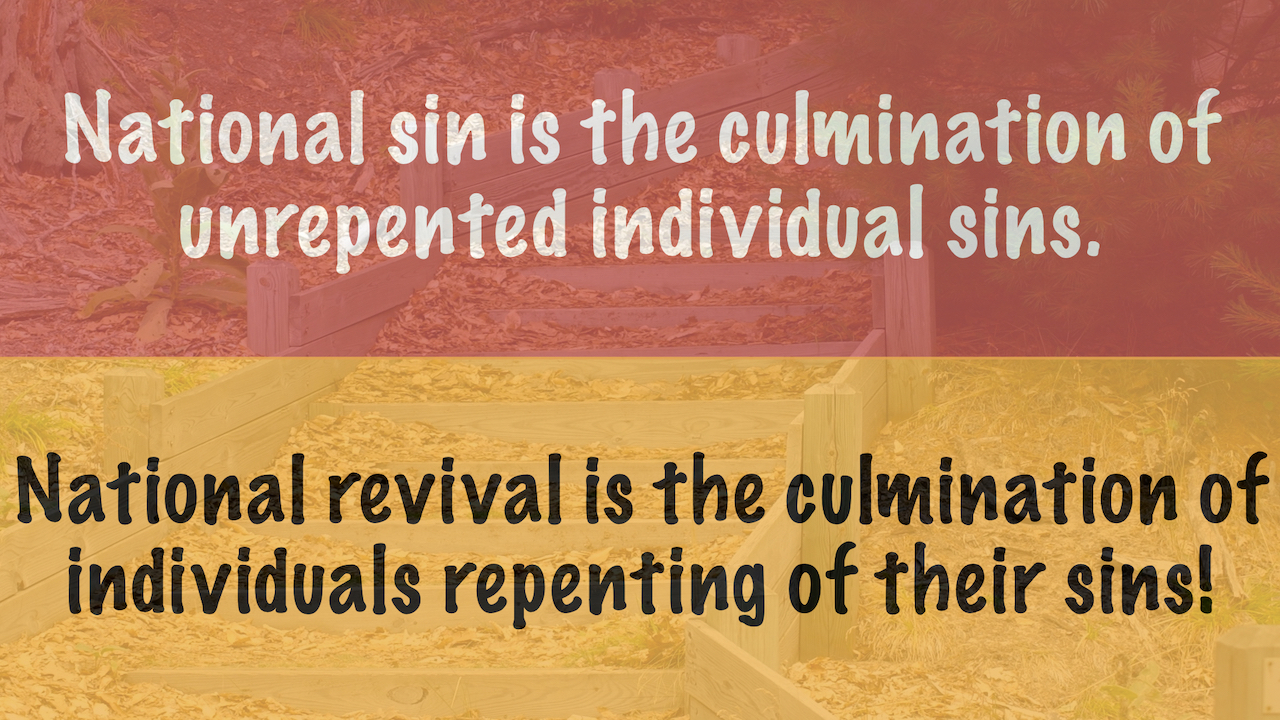
The psalmist is pointing out that national sin is the culmination of unrepented individual sins. God addressed this in Leviticus 20:22—Keep all My decrees and laws and follow them, so that the land where I am bringing you to live may not vomit you out.
Even in these depths, the psalmist is confident that God will hear—let Your ears be attentive (v. 2). Nehemiah was confident too. Look how he joins his personal sin to the national sin after Israel had be vomited out of the land (Nehemiah 1:1-7).
Our confidence comes from the rock-solid assurance that God completely forgives our sins and then forgets all that He forgives (vv. 2-3; Psalm 103:10-12).
The middle verses (vv. 5-6) have the key words wait, watch, and hope. This middle part comes down to: (1) What I’m going to pay attention to, and (2) What God pays attention to.
God is attentive to our cries for mercy, and He is watchful for our care, not for our punishment!
We are called to wait and watch in hope because God has proven that He is all in for us. Look at this completeness:
full forgiveness (v. 3)
unfailing love (v. 7a)
full redemption (v. 7b)
all their sins (v. 8)
Notice in v. 7 the phrase “all THEIR sins” is now corporate (not singular, personal as in the opening verses).
We’ve gone FROMmy voice, my cryTOyour hope, O Israel and redemption of their sins.
If national sin is the culmination of unrepented individual sins, then national revival is the culmination of individuals repenting of their sins!
Listen to the podcast of this post by clicking on the player below, and you can also subscribe on Apple, Spotify, or Audible.
If we are wise, we can learn invaluable leadership lessons even from those who fell short in their attempts. For example, consider Lot, the nephew of Abraham.
Lot was found “sitting at the gate” in Sodom. This was a place of leadership, the place where legal and business matters were discussed. That means Lot appeared to be accepted by the townsfolk (see Genesis 19:1-14).
But that also means Lot had compromised his values.
Lot didn’t walk right into this leadership role. The Bible tells us how Lot first lived in the vicinity of Sodom and Gomorrah, but then steadily moved closer and closer to the city, until eventually he compromised his values enough to be accepted into a civic leadership position.
Lot obviously did not live or speak according to God’s righteous standards because when he attempted to appeal to a depraved mob of Sodomites, they ridiculed him, reminding him that he was not one of them. And then when Lot tried to warn his future sons-in-law (men who were also Sodomites) about God’s impending judgment on the city, they only laughed at him.
Jesus warned us, “Woe to you when all men speak well of you, for so did their fathers to the false prophets” (Luke 6:26).
The Sodomites spoke well of Lot when he was in the city gate, going along with them, not standing up for righteousness.
So too for us: People of the world will appear to be your friend as long as you don’t make them uncomfortable by standing up and speaking up for the truth. As soon as Lot tried to stand for God, the Sodomites showed him their true colors.
On the other hand, look at the examples of Joseph, Mordecai, Esther, Daniel, and Nehemiah to see righteous people who didn’t compromise their commitment to God’s ways in order to achieve a leadership position in earthly governments. Instead, their righteousness was blessed by God, and He gave them favor.
Ironically, Lot compromised God-honoring values to try to earn favor with men, and in the end, lost favor with them. Those other godly leaders resolutely stood for God regardless of what anyone may have said about them and God gave those leaders favor with men.
A mark of an ungodly leader is one who compromises godly values to gain a leadership status in the world’s eyes.
This is part 76 in my series on godly leadership. You can check out all of my posts in this series by clicking here.










 Craig T. Owens