An Unimpressive But Praiseworthy Resume

Listen to the podcast of this post by clicking on the player below, and you can also subscribe on AppleSpotify, or Audible. 

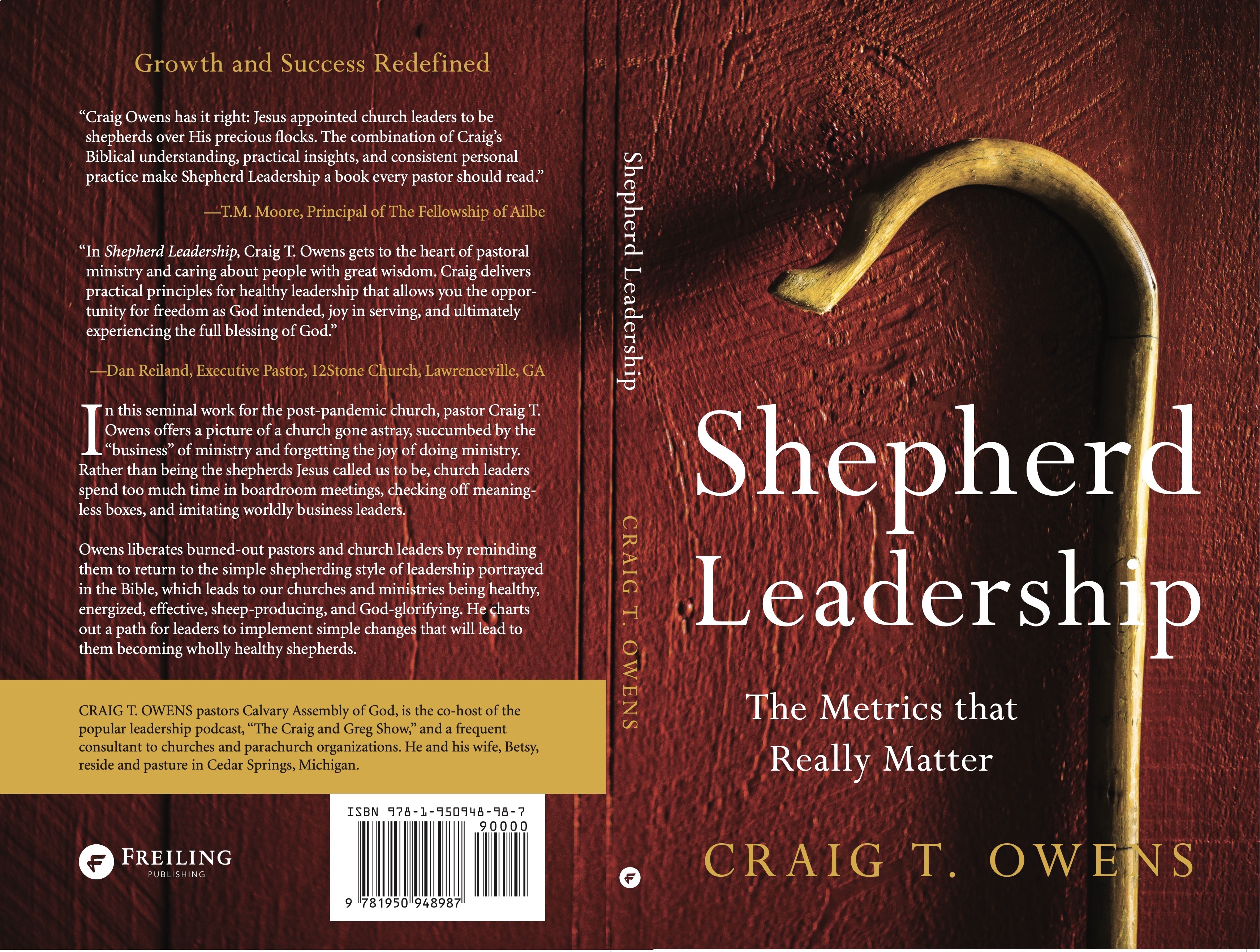
In my book Shepherd Leadership, I have a chapter entitled ‘The Wrong Ladder.’ Let me share two short paragraphs with you to set the stage—

Maybe, like many people, you’ve been working on a plan to climb your own ladder of success. You’ve been careful to get the best education, meet the right people, and put in the right amount of time on each level, all while keeping your eyes and ears open for the next “rung” of the ladder. 

Perhaps this is successful in the corporate world, but I wonder how this idea has crept into the ministry world. Make no mistake: this mindset is prominent in our churches and nonprofit organizations. We may dress it up in churchy language, but the attitude is still there. 

On the pages of Luke’s Gospel, we read a very unimpressive but praiseworthy resume of a vital ministry leader: John the Baptizer. 

His first ministry job begins when “the word of the Lord came to John son of Zechariah in the wilderness” (Luke 3:2). 

A word from God had already been spoken about John’s life that was pretty impressive (Luke 1:13-17, 76-77). From birth, John knew that he was to be the forerunner of the long-awaited Messiah. John could have walked around with quite an ego, but instead, we read, “And [John] grew and became strong in spirit; and he lived in the wilderness until he appeared publicly to Israel” (1:80).

No special education, no ladder-climbing positions, no getting to know all the right people who could open doors for him. He was simply alone with God in the wilderness for nearly 30 years! 

Then just as quickly as he burst on the scene, God took John off the scene (Luke 3:20; Matthew 14:3-11). John knew this would happen—that he was merely a herald, and that his ministry would decrease as Christ’s increased. John shows us that it’s not about how many people are in your church, how big of a budget you’ve raised, or how long you’ve been in a particular position. It’s about faithful obedience. 

It’s about being comfortable with anonymity, if that’s what God chooses. It’s about allowing God to place and remove him when and how He chooses. 

Listen to this observation from Dr. Henry Halley

Assuming that John began his ministry shortly before he baptized Jesus, it lasted about a year and a half. Thirty years in seclusion, one and a half years of public preaching, a year and four months in prison—and then the final curtain. 

This is the resume of the man who ushered in the Savior of the world, and of whom Jesus said there had not been born anyone greater (Matthew 11:11). 

In ‘The Wrong Ladder’ chapter, I concluded with this—

God frequently picks people we would consider the least qualified. He sometimes has one in an unglamorous position for years, and sometimes He catapults somebody immediately to the top. Sometimes God will keep His hand-selected individual in a prominent leadership position until death, and sometimes He will remove that person to a place of obscurity after only a short time. 

God’s ladder of success is nothing like ours! 

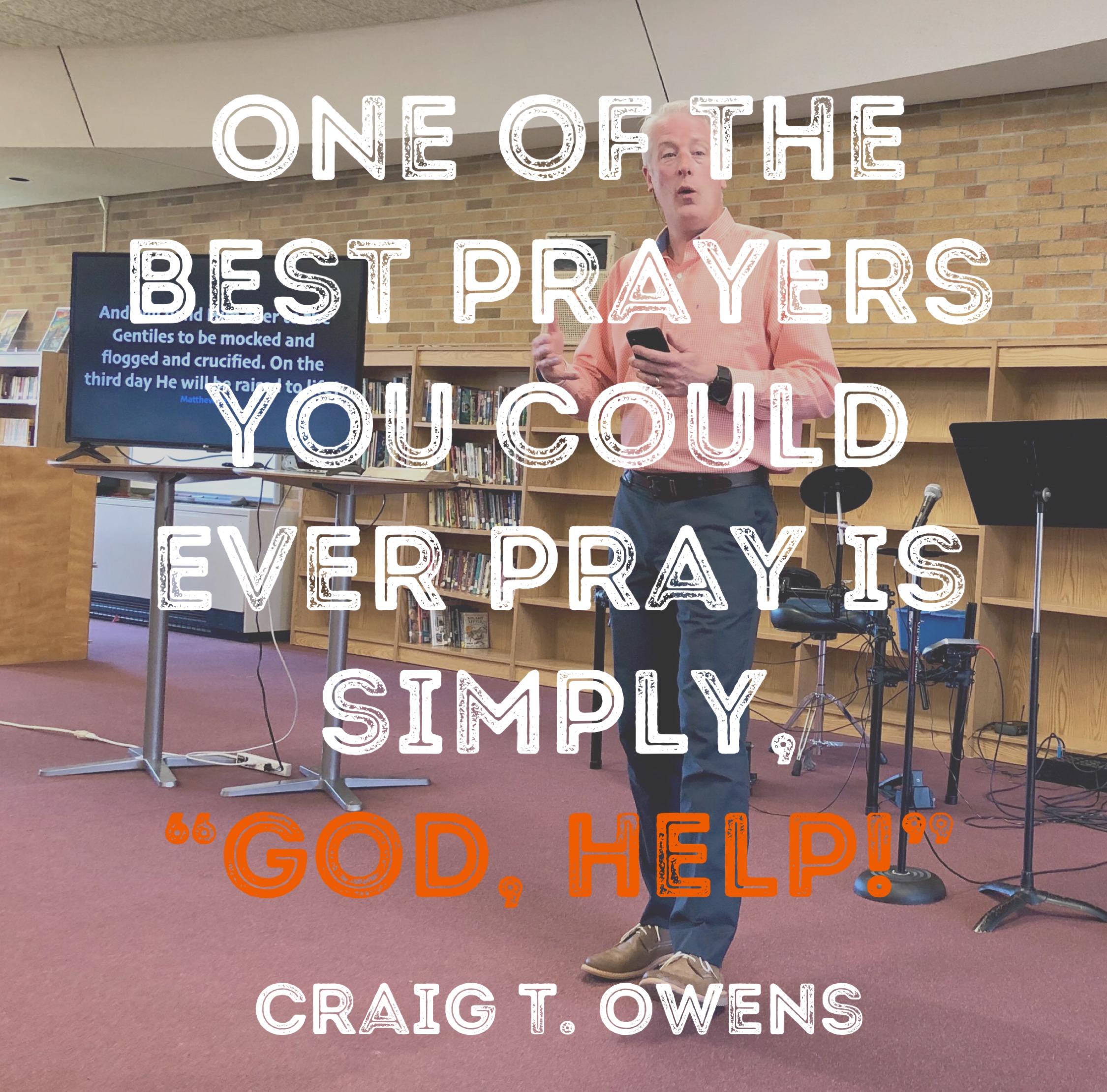
May all of us in leadership positions make this our prayer: Father, this is for Your glory, not my advancement. I’m not here to build my following, my resume, my fame. I only want to live and lead and minister for Your glory and for Your fame. Holy Spirit, help me keep this example of John at the forefront of my mind anytime I think about building my own resume. In the name of Jesus I ask. Amen.

►► Would you please prayerfully consider supporting this ministry? My Patreon supporters get behind-the-scenes access to exclusive materials. ◀︎◀︎
How Plungerman Taught Me Humility

Listen to the podcast of this post by clicking on the player below, and you can also subscribe on AppleSpotify, or Audible. 

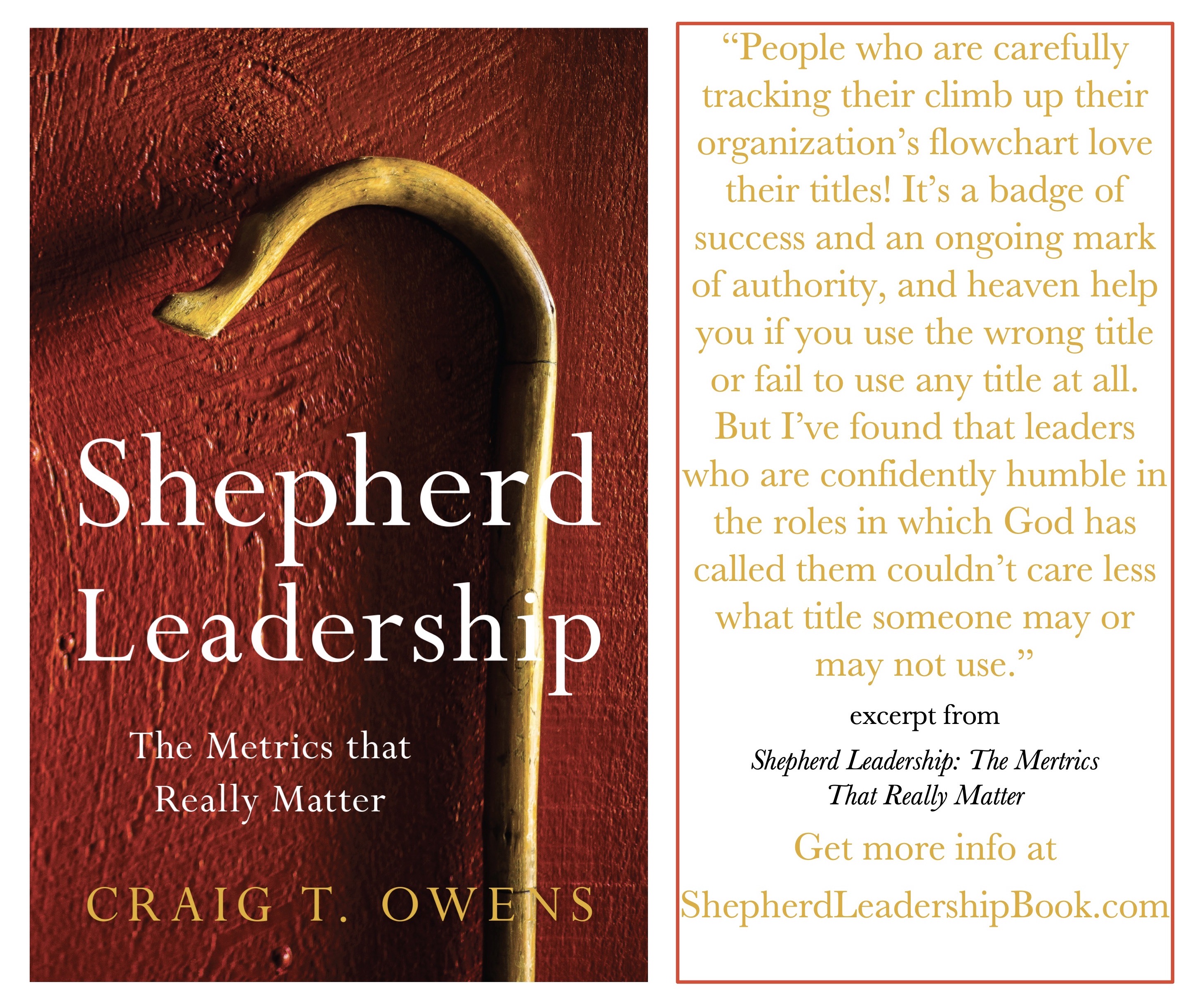
As I was being interviewed on the Leading From Alignment podcast, Jim Wiegand and John Opalewski were asking me about back-to-back chapters in my book Shepherd Leadership where I discuss how a leader’s confidence and humility should be in a healthy tension with each other. 

There is an alter-ego superhero I created to help me learn this lesson—his name is Plungerman! 

You can also check out more of my book Shepherd Leadership by clicking here. 

►► Would you please prayerfully consider supporting this ministry? My Patreon supporters get behind-the-scenes access to exclusive materials. ◀︎◀︎

Sacred Cultural Cows

Listen to the podcast of this post by clicking on the player below, and you can also subscribe on AppleSpotify, or Audible. 

Every organization has a culture and has some sacred cows. 

I define culture as the unwritten rules that everyone who’s been around for a while knows, but seldom thinks to share with any newcomers. Those newcomers usually don’t know they have broken one of those unwritten rules until they actually break one of those rules! 

Sacred cows are the untouchable things in every organization. Those things that have always been in place and can never be changed or removed. 

But what if you’re the new leader coming into an organization? How do you navigate the new culture? How do you keep from messing with those sacred cows? Greg and I discussed this on a recent episode of our leadership podcast. 

Check out the full episode this clip came from by clicking here. 

►► Would you please prayerfully consider supporting this ministry? My Patreon supporters get behind-the-scenes access to exclusive materials. ◀︎◀︎
Links & Quotes

Unhealthy leaders don’t admit their need for help, and as a result they put a lid on their leadership potential. Check out more of this message hereAnd be sure to check out all of my videos on my YouTube channel.

A prominent Chinese scholar, Dr. Wang Yun Wu (1888-1979), abandoned atheism in 1924 after he witnessed the miraculous healing of his sister’s eyesight. Dr. Wang later became Vice Premier of the Republic of China (Taiwan). Check out this miraculous story in the Pentecostal Evangel.

The Culture Translator weekly email from Axis had some helpful information for Mental Health Awareness Month.

What it is: May is mental health awareness month, making mental health and suicide prevention bigger topics than ever. #mentalhealthmatters has around 42 billion views on TikTok, and #mentalhealthawareness has racked up 20 billion.

Why the conversation is changing: The CDC’s Youth Risk Behavior survey showed that suicidal ideation, especially for teenage girls, is continuing on a concerning trajectory. In 2021, 30% of girls said that they had seriously considered suicide in the past year, and 24% said they had an actual plan to end their life. According to data published by Mental Health America, 16.4% of youth reported experiencing a major depressive episode within the last 12 months. This news comes at a time when adults are feeling so lonely that the US surgeon general has declared loneliness a public health emergency. Stigma around mental health topics appears to be eroding, but that isn’t necessarily leading to better mental health outcomes for teens and for the population at large.

Conversation Starter: What do you think are the biggest contributors to mental health issues for your generation? (Check out our new video series on Mental Health for more help having this conversation!)

One of the things contributing to the unhealthy mental state of many people (not just teens) is the negative impact of pornography. Fight The New Drug reports how watching porn hurts self-esteem.

“A pessimist is one who makes difficulties of his opportunities and an optimist is one who makes opportunities of his difficulties.” —Harry Truman

Is pain good or bad? Dr. Matthew Loftus makes the case that avoiding suffering undermines the role of medicine and also stunts our ability to feel and express compassion. Check out this full article and the thoughts John Stonestreet shared about them.

“What a sweetness lies in the little word ‘our’; how much is God’s glory endeared to us when we consider our interest in Him as ‘our Lord’ [Psalm 8:1].” —Charles Spurgeon, in Spurgeon and the Psalms

Healthy Leaders Ask For Help

Listen to the podcast of this post by clicking on the player below, and you can also subscribe on AppleSpotify, or Audible. 

Confidence can become a detriment to a leader’s growth when our confidence keeps us in a place where we refuse to ask for help. Nick Vujicic wisely noted, “An arrogant person does not ask for help and thus is helpless. An arrogant person claims to know everything and thus is clueless. A humble person attracts helpers and teachers.” 

Sadly, too many leaders think that if they admit they don’t know something, that will diminish their standing in the minds of those around them. I’ll be the first to confess that this is how I used to view myself in my leadership roles. 

But a huge breakthrough for me was in humbly admitting my need and seeing how others delighted to come alongside me to help. 

During a training time with some other pastors, I was asked what I thought about “self-help books.”  

There are many leaders that believe the lie that God helps those who help themselves. In reality, God delights in those who admit their need for help. The Bible says, “God opposes the proud, but shows favor to the humble” (James 4:6). Unhealthy or insecure leaders don’t admit their need for help, and as a result they put a lid on their leadership potential.

Swallow your pride … humbly admit your need for help … receive the help of God and others … and then watch your leadership influence grow! 

►► Would you please prayerfully consider supporting this ministry? My Patreon supporters get behind-the-scenes access to exclusive materials. ◀︎◀︎
Be Careful How You Arrive

Listen to the podcast of this post by clicking on the player below, and you can also subscribe on AppleSpotify, or Audible.

If you’ve been promoted to a new position, be very aware of how you arrive. If you come in overly confident, you could alienate your new teammates before you even get a chance to get started with them. We have an idea that will help you arrive well and make great connections right from the beginning. 

Check out this full conversation on The Craig And Greg Show by clicking here. 

Shepherd Leadership: The Metrics That Really Matter is available in print or ebook, and in audiobook through either Audible or Apple.

►► Would you please prayerfully consider supporting this ministry? My Patreon supporters get behind-the-scenes access to exclusive materials. ◀︎◀︎

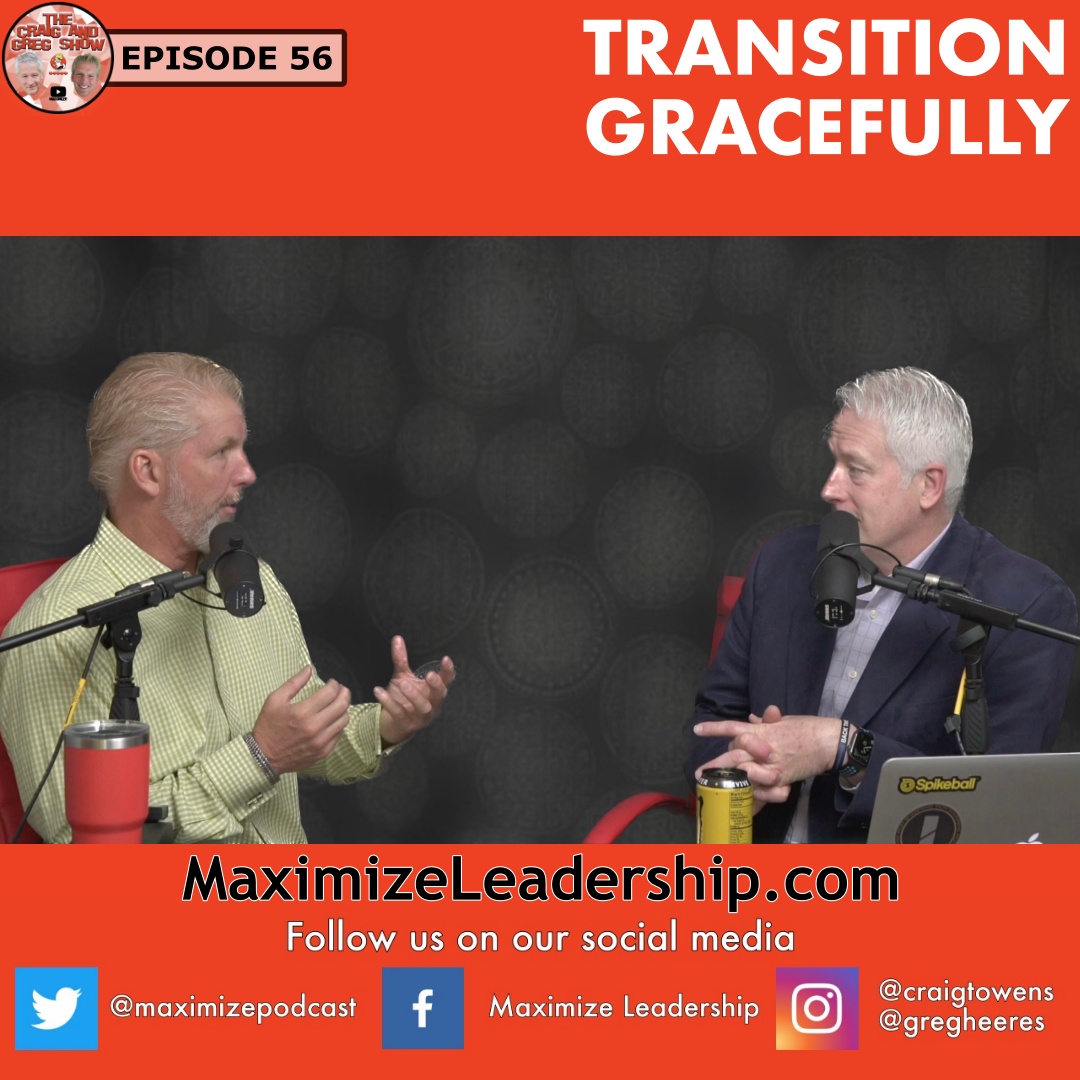
The Craig And Greg Show: Transition Gracefully

Listen to the audio-only version of this podcast by clicking on the player below, or scroll down to watch the video.

Accepting a new position is a very exciting experience! Whether it’s a promotion in your current organization or an opportunity elsewhere, it’s very tempting to want to immediately throw your full attention into the next project. In this episode, Greg and I discuss the necessity of maintaining a balance between that excitement and recognizing that the people on your team now still need your leadership. This might create more work for you in the short term, but the long-term benefits of transitioning well will be huge for you! 

  • [0:33] Any fresh starts for leaders have to be handled thoughtfully. 
  • [1:32] We need to work hard to make sure we are leaving our previous position well.
  • [2:44] Leaders of integrity give their best effort all the way to the end.
  • [4:08] How can we maintain a humble attitude when we have been selected to be promoted to a new position?
  • [6:08] There are different things to keep in mind when moving to a new position in the same organization vs. moving to a new organization.
  • [8:02] Both of us share stories about friends who benefitted by leaving their old organizations well, and they identify what the true litmus test for leaving well is.
  • [10:14] Greg also has a negative example to share.
  • [11:03] How do senior leaders handle coworkers who leave poorly?
  • [13:06] How do we keep ourselves from being distracted by our new position while we attempt to finish well in our old position?
  • [16:15] How do we arrive well in our new position?
  • [18:35] We need to always keep in mind that we are leaving or joining a team of many—we aren’t a team of one.
  • [22:57] Finishing well is a compliment to the organization you are leaving, and beginning well is a compliment to the organization you are joining.
  • [26:03] We would love to help coach you through these types of changes—whether you are the one leaving for a new position or you are the leader who is losing a team member

Check out this episode and subscribe on YouTube so you can watch all of the upcoming episodes. You can also listen to our podcast on Spotify and Apple.

Balanced Vision Casting

Listen to the podcast of this post by clicking on the player below, and you can also subscribe on AppleSpotify, or Audible. 

I had a great time on the Leading From Alignment podcast with Jim Wiegand and John Opalewski. 

On the heels of our discussion about leaders that are too confident or too humble, John asked a vital question: How is the balance between confidence and humility an asset to a leader’s vision casting?

In my book Shepherd Leadership, I talk about the simple three-word phrase that has helped me maintain this balance: God chose me. The fact that God did the choosing should give me the confidence to cast vision, but the humility that God chose me—out of all of the other people He could have chosen—should bring an appropriate humility that allows me to involve other leaders on my team. 

If you would like to watch this full interview on the Leading From Alignment podcast, please go here. And if you would like to check out other clips I’ve already shared, please click here. 

I’ll be sharing more clips from this interview soon, so please stay tuned. Shepherd Leadership: The Metrics That Really Matter is available in print or ebook, and in audiobook through either Audible or Apple. 

►► Would you please prayerfully consider supporting this ministry? My Patreon supporters get behind-the-scenes access to exclusive materials. ◀︎◀︎
Be An “Instead” Leader

Listen to the podcast of this post by clicking on the player below, and you can also subscribe on AppleSpotify, or Audible.

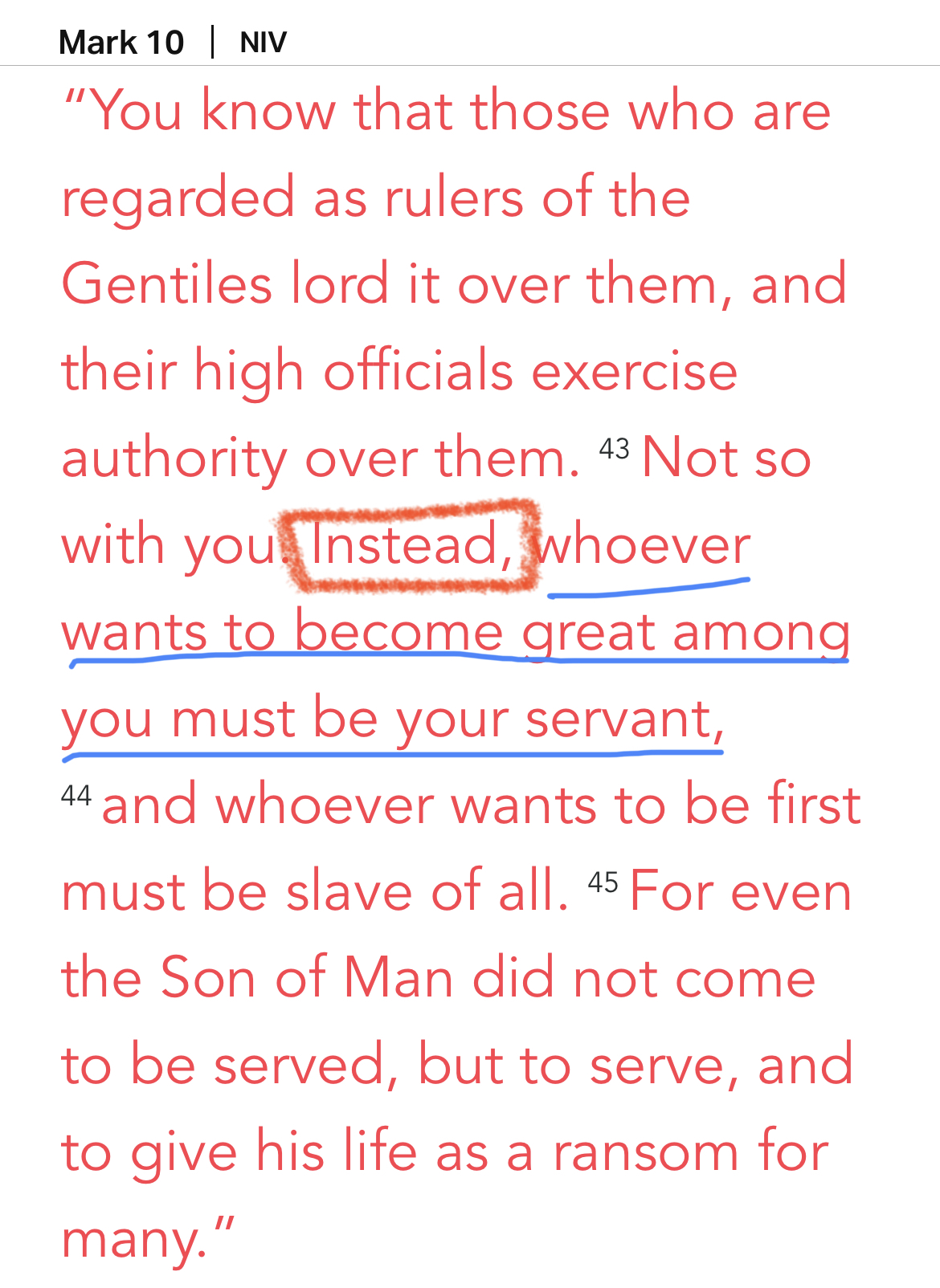
So Jesus called them together and said, “You know that the rulers in this world lord it over their people, and officials flaunt their authority over those under them. Not so with you. Instead…” (Mark 10:42-43).

A Christlike leader is an “instead” leader. 

Instead of exercising authority, exercising humility. 

Instead of being served, serving everyone else. 

Instead of being first in line, being last in line. 

Instead of seeking recognition, seeking anonymity. 

Instead of collecting titles, collecting calluses.

Instead of receiving, giving. 

Jesus, help me to be an “instead” leader—to strive to more consistently lead like You. 

►► Would you please prayerfully consider supporting this ministry? My Patreon supporters get behind-the-scenes access to exclusive materials. ◀︎◀︎
The Danger Of Being Too Humble

Listen to the podcast of this post by clicking on the player below, and you can also subscribe on AppleSpotify, or Audible. 

I had a great time on the Leading From Alignment podcast with Jim Wiegand and John Opalewski. 

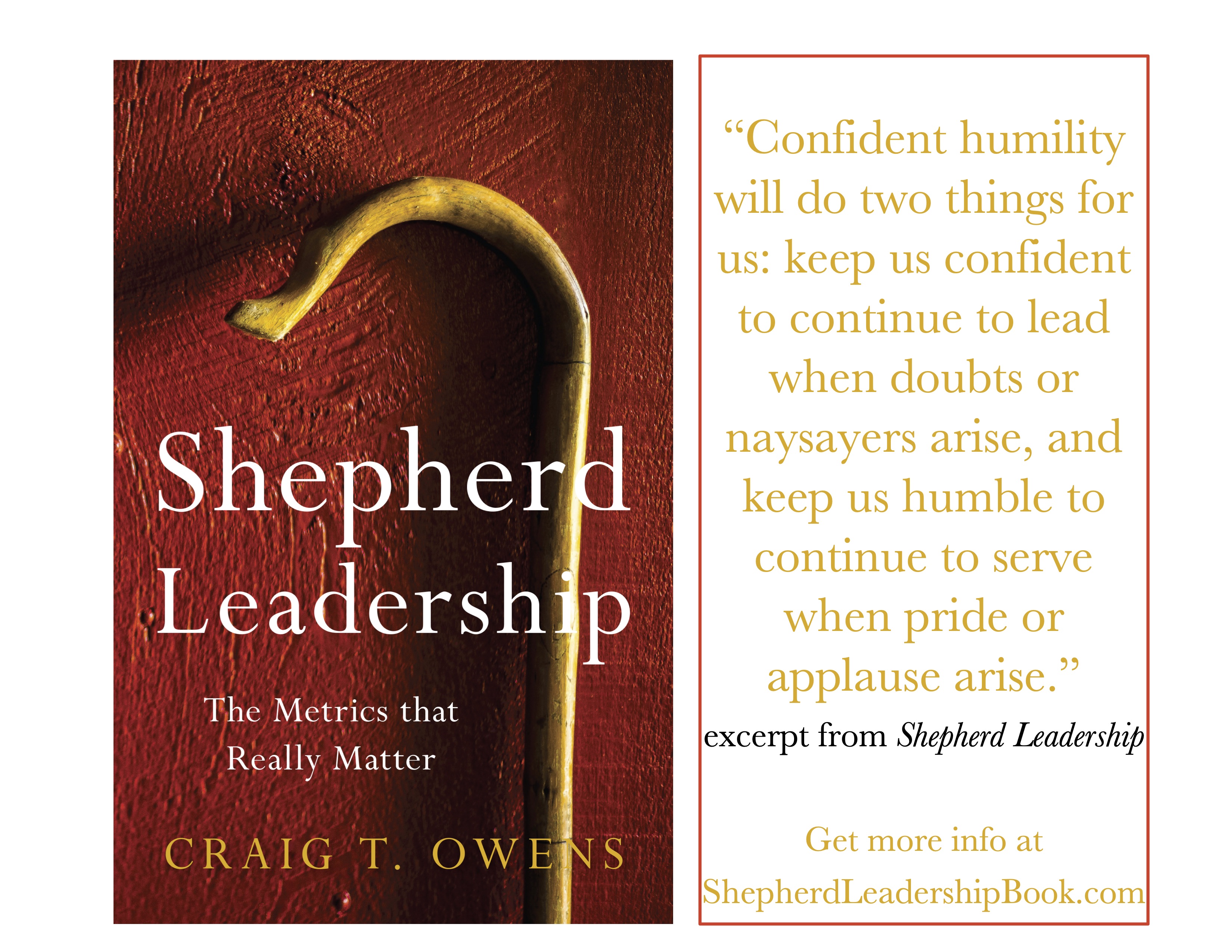
These co-hosts wanted to discuss two back-to-back chapters in my book Shepherd Leadership where I talk about the balance between leading confidently and leading humbly. Most of us are wired to lean toward one of these poles, but godly leaders are learning how to find the healthy tension between them. 

In this part of our conversation, we talked about leaders who haven’t learned to add confidence to their humility.  

I’ll be sharing more clips from this Leading From Alignment interview soon, so please stay tuned. Shepherd Leadership: The Metrics That Really Matter is available in print or ebook, and in audiobook through either Audible or Apple. 

►► Would you please prayerfully consider supporting this ministry? My Patreon supporters get behind-the-scenes access to exclusive materials. ◀︎◀︎