Listen to the podcast of this post by clicking on the player below, and you can also subscribe on Apple, Spotify, or Audible.
During a Bible study I was recently leading, I was asked how a pastor finds a day to set aside as a Sabbath day. This is tricky for pastors because Sunday is usually considered a “workday” for us. And even if we can take a “day off” there are still people who need to speak with us.
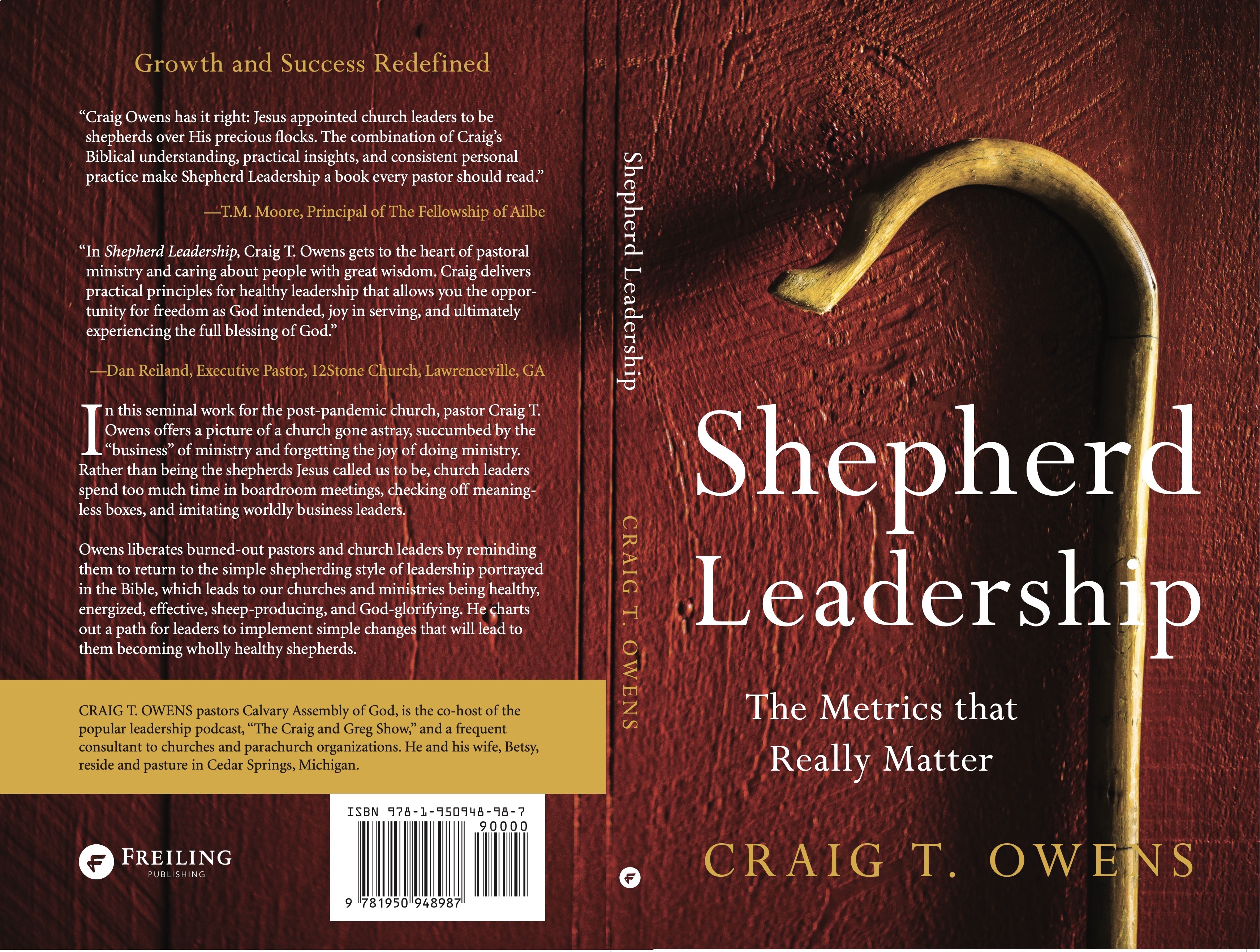
Being able to Sabbath is vital for all leaders, but especially for pastors. I spend five chapters in my book Shepherd Leadership talking about the mental, physical, spiritual, and relational health of pastors. If you are a pastor, I encourage you to pick up a copy of my book. If you love your pastor, please get a copy for him or her.
Listen to the podcast of this post by clicking on the player below, and you can also subscribe on Apple, Spotify, or Audible.
I just love it when science catches up with what God has already pronounced in the Bible!
I’ve blogged previously about psychology, archeology, and astronomy uncovering truths that have already been stated in the Bible, but there are also numerous recent medical discoveries that confirm what Scripture has already been telling us.
Like the fact that there is a healthy way to relieve stress, and that retaining the stress hormone cortisol in our bodies for too long has serious implications. The apostle Paul tells us to not “be anxious about anything” but to enjoy “the peace of God which transcends all understanding” (Philippians 4:4-7).
And then there is this finding that my YouVersion friend Shelly pointed out. “A happy heart is good medicine and a cheerful mind works healing, but a broken spirit dries up the bones” (Proverbs 17:22 AMP).
In a WebMD article, medical science confirms this truth of dried-up bones resulting from depression. They wrote, “Even mild depression may significantly increase a woman’s risk for developing osteoporosis. … The level of bone density loss attributed to depression in the study was similar to that previously associated with other well-known osteoporosis risk factors, including smoking cigarettes and getting little or no exercise. … Bone mineral density testing revealed that 17% of the depressed women showed evidence of bone thinning at a particularly vulnerable area of the thigh bone, compared to 2% of women who were not depressed.”
The Bible is God’s inspired Word to humankind, which means it is never out of date. The principles God has shared with us stand the test of time and are continually verified by the brightest scientific minds.
So here is my challenge to you: Take God at His Word, and apply the principles He has given you. I think you will find how much better your life will go when you live God’s way.
[5:40] Greg reminds leaders that there isn’t an award for not taking a vacation
[6:46] Greg has seen the fallout from overly-tired leaders, and I share some ideas for leaders to help themselves and their teammates de-stress
[9:31] How do leaders build playtime into their regular work schedule?
[11:10] Share your ideas with us!
[11:34] Greg shared some playtime activities he used in his organizations
[12:27] Why do leaders think they have to be so serious?
[15:15] Some thoughts for leaders to help their teams
[16:51] Greg emphasizes again the importance of self-care and they guys talk about how we can help other leaders practice self-care
[19:03] Our coaching huddles can help you grow your leadership
[20:02] Is it possible to find work-life balance?
Check out this episode and subscribe on YouTube so you can watch all of the upcoming episodes. You can also listen to our podcast on Spotify and Apple.
Listen to the podcast of this post by clicking on the player below, and you can also subscribe on Apple, Spotify, or Audible.
I had a great time on the Thriving In Ministrypodcast with Kyle Willis and Dace Clifton.
Their podcast is all about helping pastors avoid burnout. That’s definitely a message that resonates with my heart too! Long before I stepped into the pastorate, I was actively involved in encouraging pastors and helping protect them from the many slings and arrows that get thrown at them.
Pastors, we need to remain healthy. Only healthy shepherds can create a healthy environment for the sheep under their care. Jesus not only gave us the example for mental, physical, spiritual, and relational health, but the Holy Spirit wants to help us today to be that kind of wholly healthy leader.
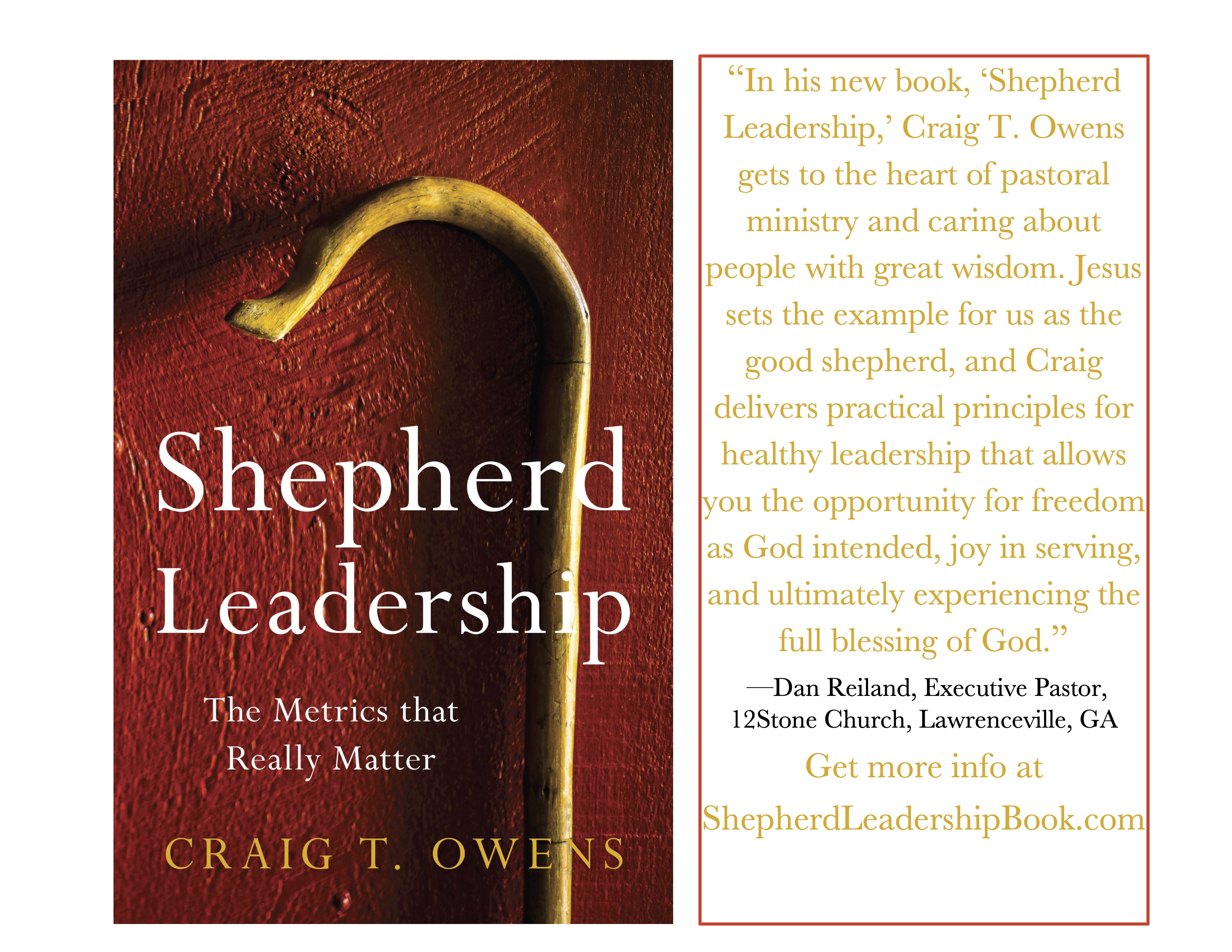
If you’re a pastor, I believe you will be energized by reading or listening to my book. Shepherd Leadership: The Metrics That Really Matter is available in print or ebook, and in audiobook through either Audible or Apple.
If you love your pastor, get a copy to give as a gift. If you believe that your pastor would benefit from reading my book, but you don’t have the funds available to purchase it at this time, please leave me a comment below and I’ll make sure I get a copy to you.
It takes everyone in the Body of Christ being actively involved for both the shepherd and sheep to remain healthy!
If you’ve missed any of the other clips I’ve shared from this interview, please check them out here:
Listen to the podcast of this post by clicking on the player below, and you can also subscribe on Apple, Spotify, or Audible.
I had a great time on the Ailbe Podcast with Rusty Rabon.
Rusty noted how I had used the description of the early life of Jesus from Luke’s Gospel—And Jesus grew in wisdom and stature, and in favor with God and man (Luke 2:52)—and then how I created a pyramid of health for shepherd leaders to follow.
I think that Dr. Luke, under the inspiration of the Holy Spirit, listed those four items in a very specific order. It begins with the growth of our mind, which helps us make healthy choices for our physical body, which allows us to concentrate on our spiritual growth. But ultimately the real proof of our God-honoring healthiness is seem in how we interact and react with other people.
In my book Shepherd Leadership: The Metrics That Really Matter I take five chapters to unpack the various aspects of a leader’s health, and I offer some practical first steps for anyone to address areas where their health is not at its best.
I’ll be sharing more clips from this interview soon, so please stay tuned. Shepherd Leadership: The Metrics That Really Matter is now available in print or ebook, and in audiobook through either Audible or Apple.
Listen to the podcast of this post by clicking on the player below, and you can also subscribe on Apple, Spotify, or Audible.
I had a great time on the Thriving In Ministrypodcast with Kyle Willis and Dace Clifton.
Kyle asked me a question about how I recharge myself mentally. A key verse in the Bible for me is 2 Corinthians 10:5 where the the apostle Paul counsels us to capture our thoughts. This is extremely hard to do when we are physically or mentally drained.
In my younger years, I used to try to “do nothing” as my recovery time. As I matured, I realized that top athletes had a different way to help their body recover, and I began to adapt those practices to my time of mental recovery. Dace also shares a very helpful tip for his mental recovery time.
In my book Shepherd Leadership: The Metrics That Really Matter I make the case that in order for the sheep to be healthy, the shepherd has to get healthy first. The principle is simple: You cannot give to others what you do not possess yourself. I hope you will pick up a copy of my book to learn how Jesus taught us to be wholly healthy leaders.
I’ll be sharing more clips from this Thriving In Ministry interview soon, so please stay tuned. Shepherd Leadership: The Metrics That Really Matter is available in print or ebook, and in audiobook through either Audible or Apple.
Have you ever heard someone describe Jesus as “healthy”?
Dr. Luke noticed how completely healthy Jesus was—mentally, physically, spiritually, and relationally—and then told us how we, too, can be wholly healthy.
Leaders, you cannot give to others what you do not possess yourself. If you want the people around you to be healthy, you must first get healthy yourself.
Listen to the podcast of this post by clicking on the player below, and you can also subscribe on Apple, Spotify, or Audible.
I had a great time on the Thriving In Ministrypodcast with Kyle Willis and Dace Clifton.
The guys asked me a question about how I keep myself healthy, and I pointed them to a principle I observed in the life of Jesus. Check out this excerpt from the chapter “A Healthy Leader’s Sabbath” in my book Shepherd Leadership: The Metrics That Really Matter—
Jesus had a human body just like ours. The demands of ministry caused stress on His body just as it does on our bodies. This is totally natural—this is the way God designed us. Our body helps us meet the demands of each day by releasing a hormone called cortisol. Cortisol helps us by managing how our body uses carbohydrates, fats, and proteins; keeping inflammation down; regulating blood pressure; controlling the sleep-wake cycle; and boosting our energy. …
Cortisol is naturally flushed from our bodies by a healthy on-and-off rhythm. God built this into His Creation by giving us daily rhythms of day and night, work and rest, and by providing a weekly Sabbath to rest and reflect. But as most shepherd leaders know, setting aside a consistent Sabbath day is extremely rare. Again, let’s look to Jesus: Do you see Him doing anything—or not doing anything—on the Sabbath day that He didn’t do the other days? On any day of the week, we see Him speaking in a synagogue, healing the sick, teaching crowds of people, giving instructions to His followers, correcting religious leaders, walking with friends, or stopping to eat at someone’s home.
Jesus had a healthy on-off rhythm: work-rest, minister-celebrate, expend-refresh. Jesus demonstrated that the Sabbath is not so much a day as it is an attitude of the heart. It’s listening to the Holy Spirit say something like, “You’ve been very busy this afternoon, so it’s time to take a nap” and then obeying that divine prompting. Resting and being refreshed—“sabbathing”—is not a luxury; it’s a necessity! That’s why, after a busy day of ministry, we see Jesus spending time in prayer, or taking a nap while crossing the lake when He didn’t have anyone to teach or heal, or finding time for a retreat with His disciples so they could rest and recuperate.
I have five chapters in Shepherd Leadership about a leader’s overall health, and two chapters in particular where I talk about practical ways that we can create the time to practice sabbathing.
I’ll be sharing more clips from this Thriving In Ministry interview soon, so please stay tuned. Shepherd Leadership: The Metrics That Really Matter is available in print or ebook, and in audiobook through either Audible or Apple.
Listen to the podcast of this post by clicking on the player below, and you can also subscribe on Apple, Spotify, or Audible.
I had a great time on the Thriving In Ministrypodcast with Kyle Willis and Dace Clifton.
Jesus demonstrated an important principle for all leaders: In order for us to lead effectively over a long period of time, leaders must be healthy. Jesus showed us His mental, physical, spiritual, and emotional health.
In my discussion with Kyle and Dace, we talked about the value of creating margins in our life to keep us at our full potential.
I’ll be sharing more clips from this Thriving In Ministry interview soon, so please stay tuned. Shepherd Leadership: The Metrics That Really Matter is available in print or ebook, and in audiobook through either Audible or Apple.
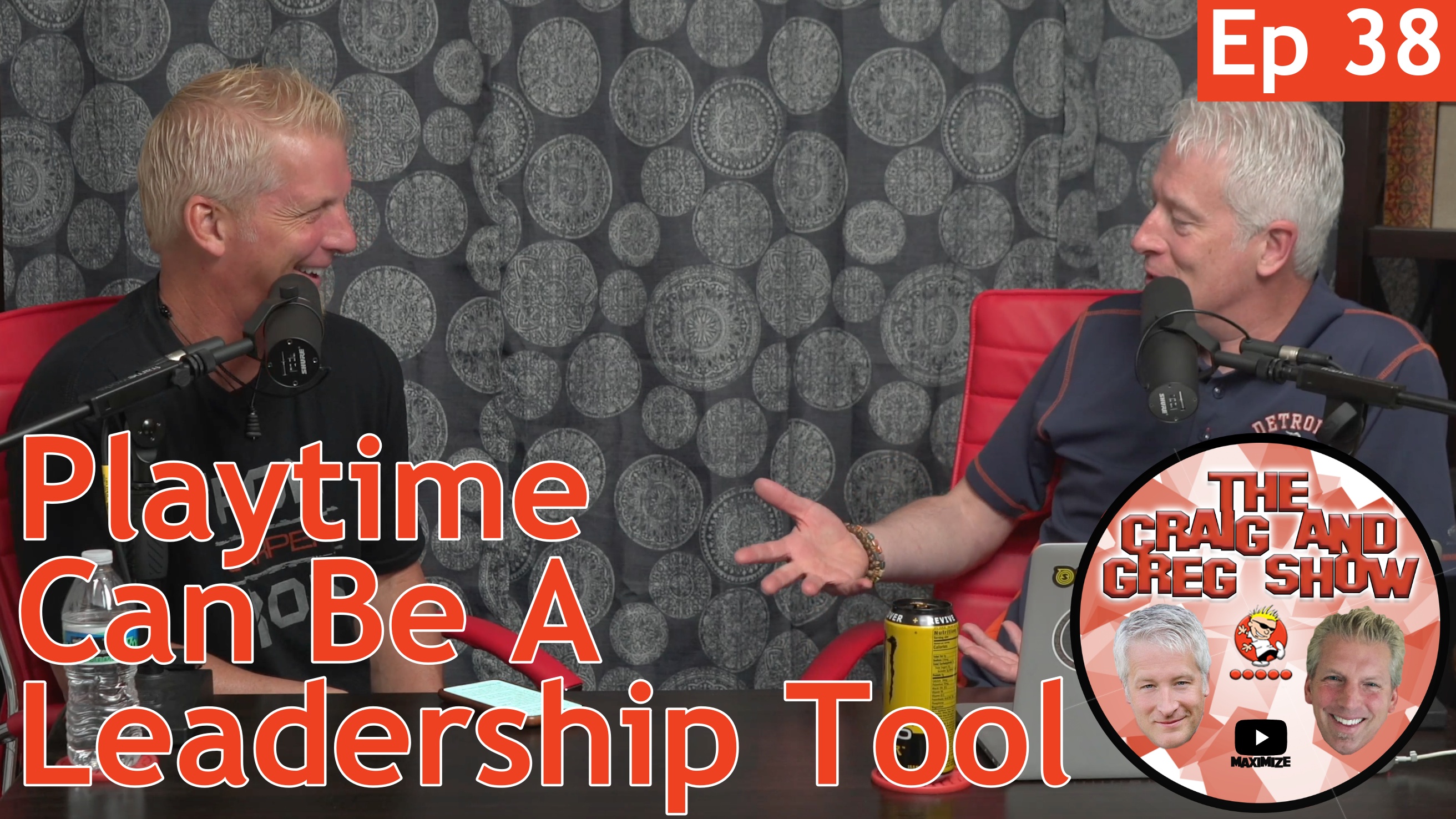
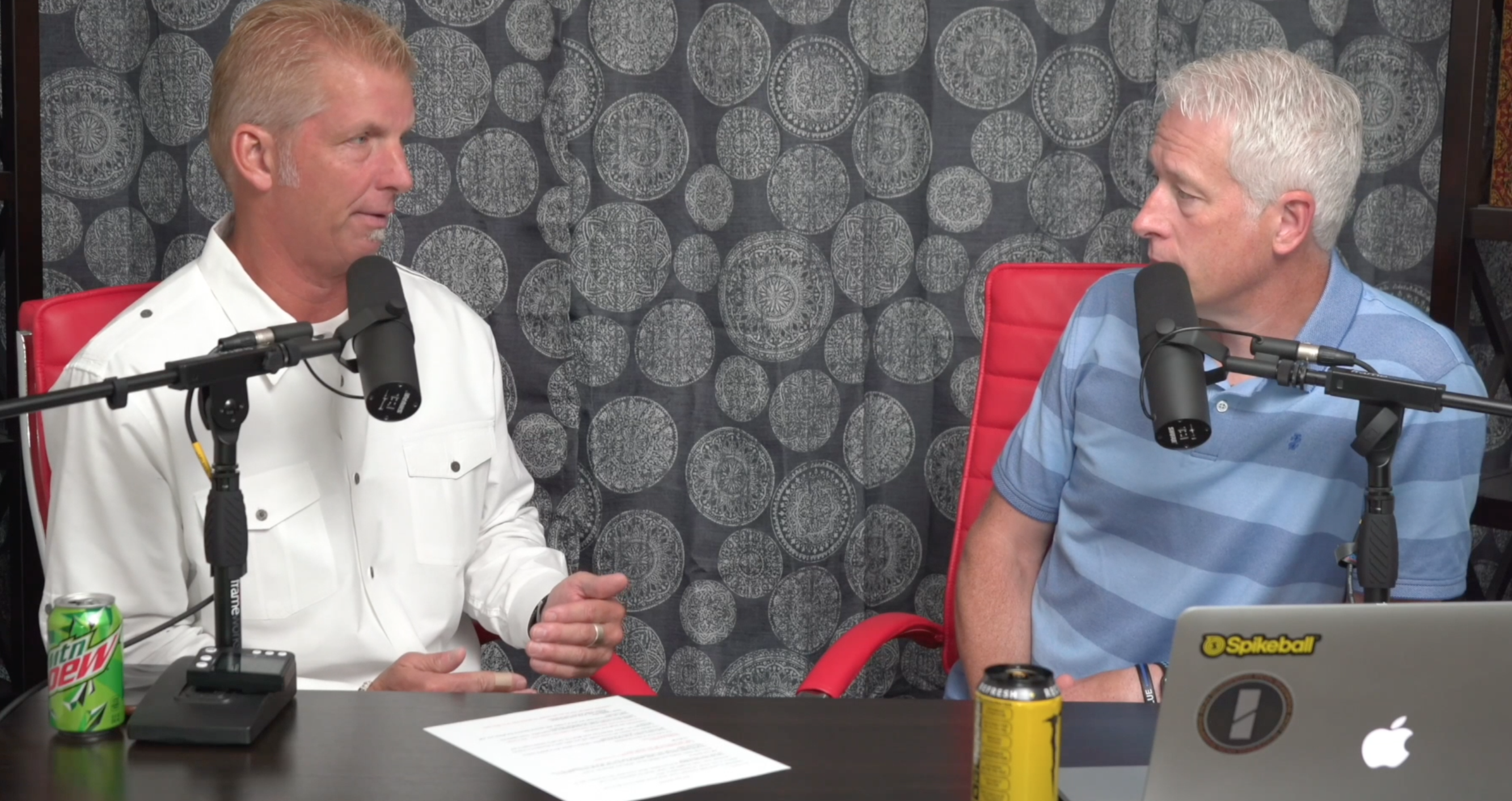
I have five chapters in my book to help ministry leaders get mentally, physically, spiritually, and relationally healthy. In this short clip, from “The Craig And Greg Show” leadership podcast, Greg Heeres and I talk about how important it is for leaders to self-care. To see the full episode, please click here.



 During a Bible study I was recently leading, I was asked how a pastor finds a day to set aside as a Sabbath day. This is tricky for pastors because Sunday is usually considered a “workday” for us. And even if we can take a “day off” there are still people who need to speak with us.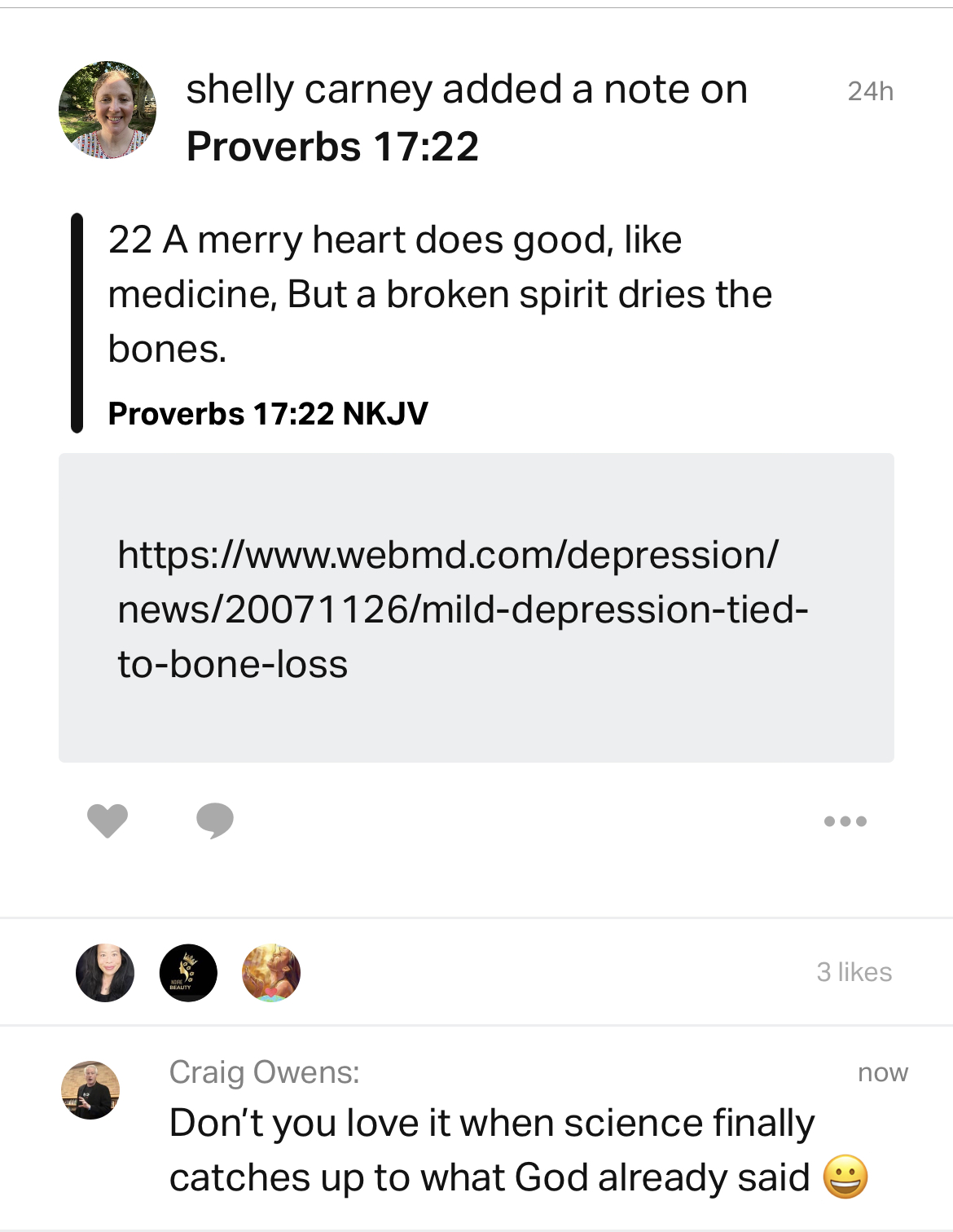



 Craig T. Owens