Responding To The Voice

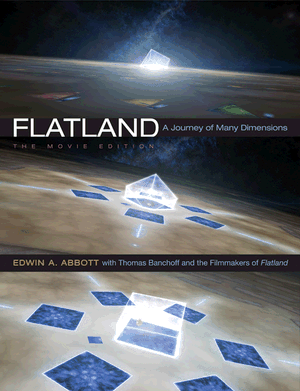
FlatlandIn 1880, Edwin A. Abbott wrote Flatland, a book that would later become a favorite of Albert Einstein. Abbott was a college-trained mathematician and a theologian; in fact he was actually better known for his theological writings than for Flatland. Later on Einstein would say that “things should be made as simple as possible, not simpler.” In other words, don’t dumb-down the concept, but state it on a level where more people can grasp it. That’s why, I believe, Einstein loved Flatland.

Flatland is told through the eyes of Square, a two-dimensional shape that lives in Flatland. Square has length and width, but no height. So the inhabitants of Flatland can move back-and-forth, and side-to-side, but not up-and-down. To get an idea of this, put your eye right on the level of a tabletop, and look at an item on the table. Imagine you can only see what is touching the tabletop (but nothing that rises any higher or lower than that), and you will get an idea of Square’s two-dimensional world.

One day Sphere visits Flatland. Sphere is three-dimensional, so he can move up-and-down. This means that Square can only see the part of Sphere that happens to be in his line of sight at that immediate moment. So he sees just a “slice” or “layer” of Sphere as Sphere moves through Flatland. Sometimes Sphere is nothing more than a disembodied voice when he is hovering above Flatland.

This gives us a little bit of an idea of how we perceive God. He exists in dimensions that we cannot fully comprehend, so we only see “slices” of Him as He passes though our line of sight. Sometimes He is just a disembodied Voice—or as the Bible calls Him, the Word of God.

But the Word of God compressed Himself into our dimension (John 1:14). All of the fullness—all of the other-dimension-ness—of His omnipotence, omnipresence, omniscience came to our “level” in the Person of Jesus Christ (Philippians 2:6-7). The Word was the complete and total fullness of God (John 1:1-3; Colossians 2:9). But unlike Square who couldn’t fully know Sphere, God is fully knowable in The Word—in Jesus Christ!

The question is: What are you going to do with The Word? The Word of God (the Bible) allows us to fully know The Word of God (Jesus). But we need to be willing to let the Holy Spirit strip away our puny, smaller-dimensioned, finite thinking of God.

Alvin TofflerAlvin Toffler wrote, “The illiterate of the future are not those who cannot read or write, but those who cannot learn, unlearn, and relearn.”

I would modify this to say, “Those illiterate of The Word (Jesus) are not those who cannot read The Word (the Bible), but those who won’t let the Holy Spirit help them learn, unlearn, and relearn who God is.” 

There is so much more to learn about The Word (Jesus), so let the Holy Spirit guide you in your reading of The Word (the Bible). I pray as Paul did that you will begin to experience more of the multi-dimensional-ness of God as revealed in The Word—

I pray that out of God’s glorious riches He may strengthen you with power through His Spirit in your inner being, so that Christ may dwell in your hearts through faith. And I pray that you, being rooted and established in love, may have power, together with all the Lord’s holy people, to grasp how wide and long and high and deep is the love of Christ, and to know this love that surpasses knowledge—that you may be filled to the measure of all the fullness of God. (Ephesians 3:16-19)

If you have missed any of the messages in this series called Who Is Jesus?, you can find them all here.

8 Quotes From “I Never Thought I’d See The Day”

I Never Thought I'd See The DayYou can read my book review of Dr. David Jeremiah’s I Never Thought I’d See The Day by clicking here. These are eight quotes that especially caught my attention in this book. Unless the quotes are otherwise attributed, they are from Dr. Jeremiah.

“I’ve shaken my fist in anger at stalled cars, storm clouds, and incompetent meteorologists. I’ve even, on one terrible day, that included a dead alternator, a blaring tornado-warning siren, and a horribly wrong weather forecast, cursed all three at once. I’ve fumed at furniture, cursed at crossing guards, and held a grudge against Gun Barrel City, Texas. I’ve been mad at just about anything you can imagine.

“Except unicorns. I’ve never been angry at unicorns.

“It’s unlikely you’ve ever been angry at unicorns either. We can become incensed by objects and creations both animate and inanimate. We can even, in a limited sense, be bothered by the fanciful characters in books and dreams. But creatures like unicorns that don’t exist—that we truly believe not to exist—tend not to raise our ire. We certainly don’t blame the one-horned creatures for our problems.

“The one social group that takes exception to this rule is atheists. They claim to believe that God does not exist and yet, according to empirical studies, tend to be the people most angry at Him.” —Joe Carter

“While the atheist arrogantly persists in the delusion that his reason is fully capable of figuring out all that there is, the religious believer lives in the humble acknowledgment of the limits of human knowledge, knowing that there is a reality greater than, and beyond, that which our senses and minds can ever apprehend.” —Dinesh D’Souza

“God brought two perfect, sinless people together in the Garden of Eden, a man and a woman who knew the perfect love of God. They did not get married to find love but to walk together in the unity and purpose God created them to fulfill: the primary task of birthing and raising the next generation. And in the process, love happened.”

“It is significant that while Adam was single, satan did not approach him or tempt him to disobey God. He waited until after Adam’s marriage to launch his attack. You would think it easier to attack one person instead of two, but by waiting he was able to attack not just an individual, but also God’s foundational building block for harmony and stability—marriage. By attacking marriage, he was able to create division and disharmony between humans themselves as well as between humans and God.”

“The oneness found in marriage is the same kind of oneness found in the Trinity.”

“We can be lulled into complacency by adopting uncritically the principle of submission to government on the assumption that the Christian history of our nation makes it safe to let our leaders do our thinking for us. But we cannot do this in our post-Christian nation where God’s Word is being marginalized. Nothing could be more dangerous for Christians and churches than to wander thoughtlessly down this path of increasing biblical indifference—a path that could well lead to a place where the Bible is not merely marginalized, but banned outrightly.”

“If the Church is being ignored because we preach the message of ‘Jesus Christ and Him crucified’ (1 Corinthians 2:2), or because the Gospel has become ‘a stumbling stone and rock of offense’ (Romans 9:33) to the world, that’s one thing. But if we are deemed irrelevant because we’re an anemic version of the world’s entertainment options or because we aren’t playing the world’s game nearly as well as the world does, then that’s another thing. That’s a tragedy.”

“William Tyndale wisely sought to avoid the confusion between ‘Church” and ‘church’ by translating ekklesia as ‘congregation’ instead of ‘church.’ …We must maintain a clean understanding of the difference between Church and church—and the priority of the former over the latter. Church buildings can necessitate huge investments of resources for construction and maintenance, and they are only temporary. Keeping the focus on people is the biblical priority and will result in the Church’s remaining relevant.”

I Never Thought I’d See The Day (book review)

I Never Thought I'd See The DayThe subtitle of Dr. David Jeremiah’s book is the most telling—I Never Thought I’d See The Day: Culture At The Crossroads. It is true that our American culture is at a crossroads, and decisions will have to be made now that could very well effect the direction of the church, and of this nation.

As a side note, I have a bit of an issue with the title of the book. To think we’d never see the day where our culture was sliding away from God’s standard is a bit of hyperbole. Any student of history knows that cultures have always gone through such things many, many times. What is true with American culture now has been true with other cultures, in other eras, on other continents. However, this by no means that Dr. Jeremiah has misdiagnosed where America is now.

Before a cure can be realized, a patient must first know he is sick. Then he must go to a doctor and be willing to follow the prescribed course of treatment. In many ways, Americans know something’s “not quite right” with our society, but have been unable to pinpoint the root cause. Dr. Jeremiah correctly diagnoses an American culture that has become increasingly humanistic, antagonistic toward Jesus, pluralistic, and obstinate toward the teachings of the Bible. In each chapter, Dr. Jeremiah diagnoses one symptom of our disease, and lays out a God-honoring cure.

Here’s the million dollar question: Will we follow the course of treatment?

In the last chapter, Dr. Jeremiah says,

I am pessimistic about man’s ability, independent from his Creator-God, to solve the problems he creates—especially problems of enormous scale such as those our nation and the world face today. I am, however, an optimist about God. And it is toward Him that we must turn our attention….

I Never Though I’d See The Day is a sobering read. Each chapter shows us just how far from God we’ve slid (that’s the pessimistic part), but then Dr. Jeremiah lays out a plan to bring us back to a God-fearing society (that’s the optimistic part). It’s a very interesting read which I especially think church leaders and God-fearing civic leaders must read.

I am a Faith Words book reviewer.

Check out some quotes from this book here.

17 Quotes From “Jesus”

Jesus A TheographyJesus: A Theography is one of those rare books that I gave a “must read” designation (you can read my full review by clicking here). It’s impossible to share with you all of the incredible thoughts that are in this book, but here are 17 of my favorite quotes from Jesus.

Unless otherwise designated, all the quotes are from Leonard Sweet and Frank Viola.

“In Jesus the promise is confirmed, the covenant is renewed, the prophesies are fulfilled, the law is vindicated, salvation is brought near, sacred history has reached its climax, the perfect sacrifice has been offered and accepted, the high priest over the household of God has taken His seat at God’s right hand, the Prophet like Moses has been raised up, the Son of David reigns, the kingdom of God has been inaugurated, the Son of Man has received dominion from the Ancient of Days, the Servant of the Lord has been smitten to death for His people’s transgressions and borne the sins of many, has accomplished the divine purpose, has seen the light after the travail of His soul, and is now exalted and made very high.” —F.F. Bruce

“Jesus is the Logos. He is the Word, or the self-utterance, of God. So when God speaks, it is Christ who is being spoken about. When God breathes, it is Christ who is being imparted. The Spirit of God’s breath (the words ‘Spirit’ and ‘breath’ are the same in both Hebrew and Greek). The Second Testament tells us clearly that the Holy Spirit’s job is to reveal, magnify, and glorify Christ, Thus, because the Bible is inspired, it all speaks of Jesus. Again, Jesus Christ is the subject of all Scripture.” [The authors refer to the two sections of the Bible as the First and Second Testaments, in place of the usual designations of Old and New Testaments]

“Every word of the God-breathed character of Scripture is meaningless if Holy Scripture is not understood as the witness concerning Christ.” —G.C. Berkouwer 

“Your salvation was established, completed, and sealed before creation itself. Your Lord wrapped it up, won it, and came out victorious before anything ever went wrong.”

“What did He finish? He finished the old creation and the Fall. He finished sin. He finished a fallen world system. He finished the enmity of the Law. He finished satan. He finished the flesh. He put you to death and finished you completely. The person you were in Adam was terminated, swallowed up in death. And then He finished His greatest enemy, the child of sin itself, death. If that isn’t enough, He did something else beyond the rest: He raised you up in resurrection and glorified you.

“In Genesis 2:15, God commanded Adam to cultivate and keep the garden. The Hebrew word for cultivate is abad, and the Hebrew word for keep is shamar. These same Hebrew words are used to describe how the priests cared for the tabernacle of Moses. (The tabernacle was a precursor to the temple of Solomon.) The priests were to cultivate (abad) and keep (shamar) the tabernacle. In addition, we are told that God walked in the garden (Hebrew, hawlak) during the cool of the day. God also walked (hawlak) in the midst of the temple. The meaning is clear. The garden was a temple for God. Like the temple, the garden was the joining together of God’s space and man’s space—the intersection of the heavenly realm and the earthly realm. For this reason, Isaiah called it ‘the garden of the Lord,’ and Ezekiel called it ‘the garden of God.’ …Jesus Christ is the reality of the temple. (In the Greek, John 1:14 says Jesus ‘tabernacled among us.’) He is also the reality of the garden. He is the real Tree of Life and a flowing river. In Christ, God’s space and man’s space are joined together.”

“There are 184 verses in the birth narratives of the Second Testament. These 184 verses presuppose or repeat the words of 170 verses from eighteen verses of the First Testament.” 

“Jesus is the three shepherds: the good shepherd, the great shepherd, and the Chief Shepherd. Jesus presented Himself as both sheep and shepherd, the good shepherd who lays down His life for the sheep. …Jesus died on the cross at the ninth hour (about three o’clock in the afternoon) when the Passover lamb would be sacrificed in the temple. Christ, the Paschal Lamb, was slain to atone for the sins of humanity and to open the gate of the true temple that promises God’s salvation for all people.”

“In the Second Testament, as the sacrificial sign of the new covenant, Jesus Himself becomes the sin offering of humanity. In fact, Jesus’ very words on the cross, ‘It is finished!’ (‘Kalah’), are the words used by a priest at the conclusion of the sacrificial offering in the temple. In the ancient days, when the Jewish priest had killed the last lamb of the Passover, he uttered the Hebrew word Kalah, ‘It is finished.’” 

“At His birth, Jesus received the myrrh. At His death, He rejected it. Jesus’ earthly ministry centered on alleviating human suffering. He was the personification of myrrh. In His crucifixion, however, He was bearing the full brunt of human pain, suffering, and agony on the cross. He bore our shame and sorrows. So He rejected the myrrh and the wine that came with it. Jesus took the full dose of suffering for sin on the cross so we wouldn’t have to. And He rejected the myrrh so we would be able to receive it.”

“When in a garden relationship with God, humanity had no need of the Torah, for we had the Tree of Life. The Torah was the Tree of Life reborn, and Jesus was the Torah reborn.”

“We need the whole Jesus. The complete Jesus. Everything He said. Every detail of what He did.” —Eugene Peterson

“The temptation of Jesus was a playback of two episodes in the First Testament. First, it’s a replay of the first temptation in the garden of Eden. John tells us that the three enemies of the Christian are ‘the lust of the flesh, the lust of the eyes, and the pride of life.’ Each of these temptations was in play in the temptation of Adam and Eve in the garden:

    • The fruit was ‘good for food’ = the lust of the flesh. 
    • The fruit was ‘pleasant to the eyes’ = the lust of the eyes. 
    • The fruit was ‘desirable to make one wise’ = the pride of life. 

“…The temptations that satan leveled at Jesus in the wilderness struck the same three chords. Here is the ordered presented in Luke 4 (paraphrased):

    • ‘Turn these stones to bread’ = the lust of the flesh. 
    • ‘I will give you the kingdom of the world and their glory’ = the lust of the eyes. 
    • ‘Cast yourself down from here and angels will protect you’ = the pride of life.” 

“The Second Covenant knows the First Covenant: the Second Testament quotes from the First Testament more than 320 times, and that does not include times when biblical writers, searching for the scriptural reference, were reduced to admitting that ‘somewhere’ it reads thus and so.”

“Theology is nothing more than the Holy Spirit making His way through our brains, as the Scriptures make their way through our hearts.” 

“In biblical prophesy, the coming of Jesus is viewed as one event separated by parentheses that stretch from the ascension to His royal appearing at the end of the age. We are now living in the parentheses, wherein we look back to His first coming and anticipate His second coming. Put another way, the kingdom has come and will come. Jesus’ first coming inaugurated the kingdom of God; His second coming will consummate it. So the coming of the Messiah is one event separated by two moments: Bethlehem and the end of the age.”

“As followers of Jesus, we have a task before us. That task is to work for the kingdom. To continue the ministry of Jesus in the power of the Holy Spirit… to bear witness to the sovereign lordship of Christ… to embody the message that Jesus is both Lord and Savior, not just of our personal lives but of the entire world. And to find creative ways to manifest that kingdom where we live and travel.” 

Praying The Word

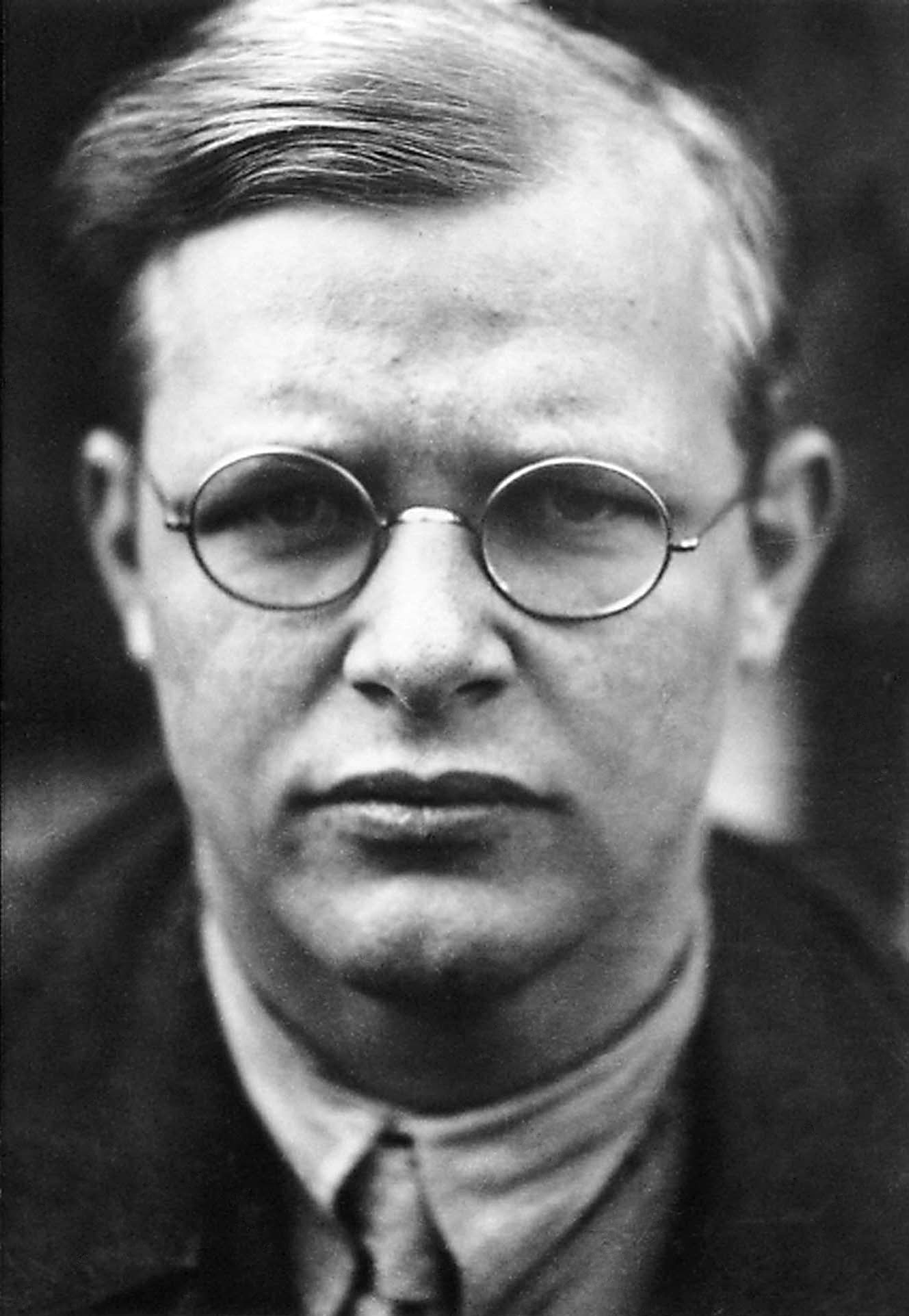
Dietrich BonhoefferI shared this quote from Dietrich Bonhoeffer this morning in my message—

“Meditation lets us be alone with the Word. …In our meditation we ponder the chosen text on the strength of the promise that it has something utterly personal to say to us for this day and for our Christian life, that it is not only God’s Word for the Church, but also God’s Word for us individually. We expose ourselves to the specific Word until it addresses us personally.”

Using the Bible as your prayer guide will take your prayers to a whole new level!

Counting Down 2012: #4 God’s Word Is…

I am counting down the top 5 posts that I wrote in 2012, as determined by the number of views during this year. The 4th most read post is: God’s Word Is….

“Never compare this Book with other books. Comparisons are dangerous. Never think or say that this Book contains the Word of God. It is the Word of God. It is supernatural in origin, eternal in duration, inexpressible in value, infinite in scope, regenerative in power, infallible in authority, universal in application, inspired in totality. Read it through. Write it down. Pray it in. Work it out. And then pass it on.” —Smith Wigglesworth

Showers Of Blessings

My Word will not return emptyAs the rain and the snow come down from heaven, and do not return to it without watering the earth and making it bud and flourish, so that it yields seed for the sower and bread for the eater, so is My word that goes out from My mouth: It will not return to Me empty, but will accomplish what I desire and achieve the purpose for which I sent it. (Isaiah 55:10-11)

Pastor, please carefully read these words from Oswald Chambers, written nearly a century ago, but still so relevant for us today—

“God’s Word is a seed. The ‘seed-thought’ idea is one that preachers and evangelists need to remember. We imagine we have to plough the field, sow the seed, reap the grain, bind it into sheaves, put it through the threshing machine, make the bread—all in one discourse. … 

The truth is we don’t believe God can do His work without us. We are so anxious about the word, so anxious about the people who have accepted the word; we need not be, if we have preached what is a word of God it is not our business to apply it, the Holy Spirit will apply it. Our duty is to sow the word, see that it is the word of God we preach, and not ‘huckster’ it with other things, and God says it will prosper in the thing whereto He sends it. …

“He says, ‘My word…will not return to Me empty.’ Every temptation to exalt the human, human experience, human interests and blessings, will fall short; the only thing that prospers in God’s hands is His own word.”

From God’s Workmanship, emphasis added

I need to be reminded of that again. Perhaps, my fellow pastor, you needed it to. This Sunday just preach the word God has given you, and then let the Holy Spirit take it from there. God WILL bring the harvest in His time.

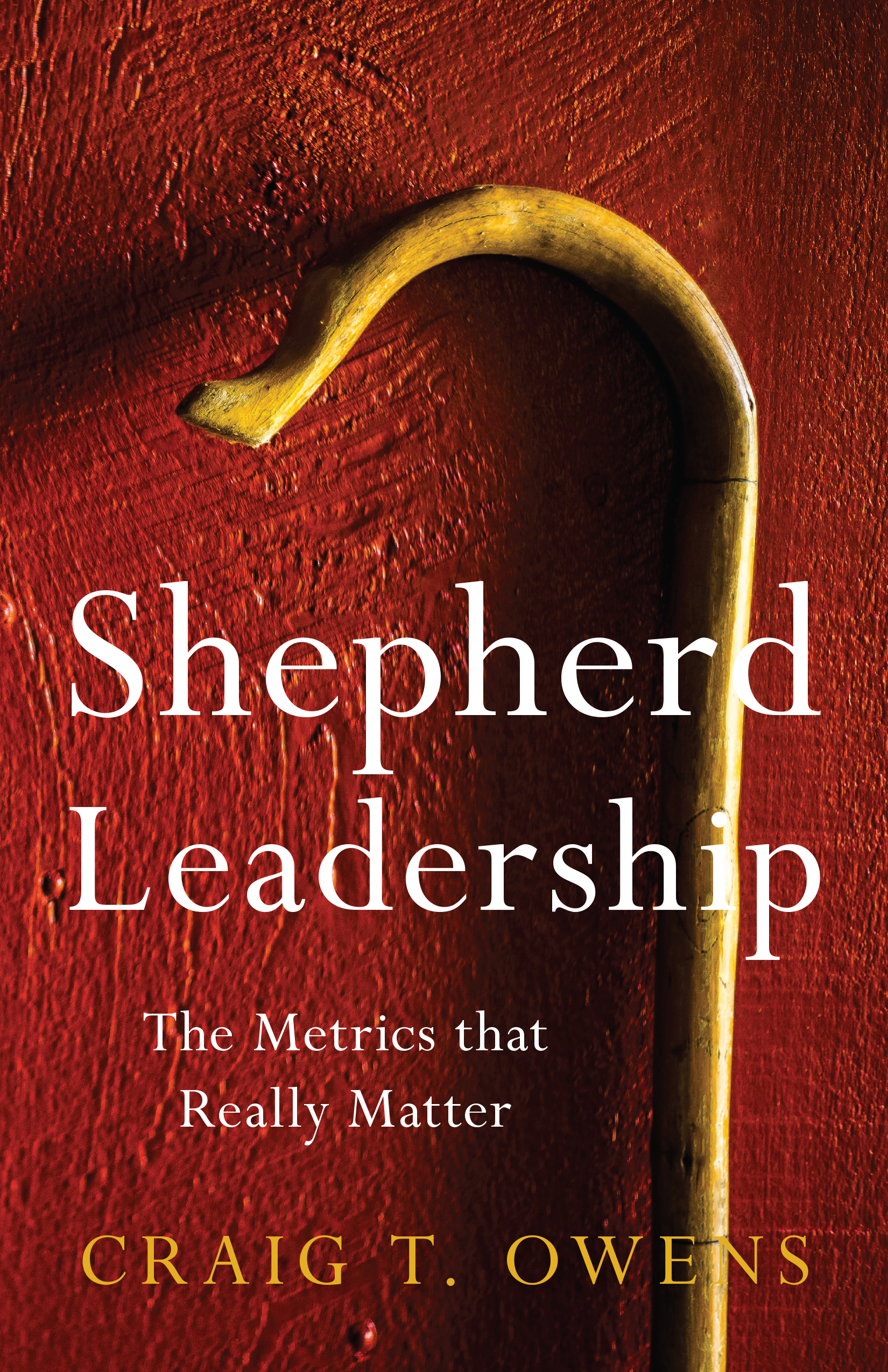
UPDATE: In the final chapter of my book Shepherd Leadership (a chapter entitled “Applause”) I wrote this:

      Did you catch that? Twice Paul reminds us that it is God who makes things grow [1 Corinthians 3:4-8]. God, not man. So is the only successful ministry the one that harvests? How did they harvest without someone watering the seed? What exactly were they watering if no one had planted any seeds? And even with everyone doing the work, it is still God who makes things grow. 

      According to Paul, what does God reward? It’s not numeric growth, but shepherds “will be rewarded for their own hard work … the work the Lord gave us.”

Watch Out For Pride

Listen to the podcast of this post by clicking on the player below, and you can also subscribe on AppleSpotify, or Audible.

This post is especially for my fellow pastors, but it would be thoughtful reading for anyone in a leadership position.

Let me state it simply: Pastor, you need to watch out for pride.

Listen to the words of A.W. Tozer—

“A clergyman is a man, and often he has a proud little kingdom of his own, a kingdom of position and often of pride and sometimes with power.”

Pride is so insidious that it can creep into the hearts of leaders at anytime.

  • When things are going well. We think to ourselves, “Look what I’ve done” or we even spiritualize it a bit to say, “Look what God’s done through me.”
  • When things are going poorly. Pride causes us to look out the window at others, instead of looking in the mirror at ourselves.
  • When we’ve successfully handled a situation. We think, “Wow, I’ve really got it!”
  • When we’ve dropped the ball and we make excuses instead of asking for forgiveness.
  • And on and on it goes….

One of the things that has helped me immensely is the thoughts Kenneth Blanchard and Phil Hodges shared in their book Lead Like Jesus. They point out that every leader has an ego. The issue is what kind of ego is it?

It can be negative: E.G.O. = Edging God Out 

It can be positive: E.G.O. = Exalting God Only

So what do we do to make sure we have the God-honoring E.G.O.?

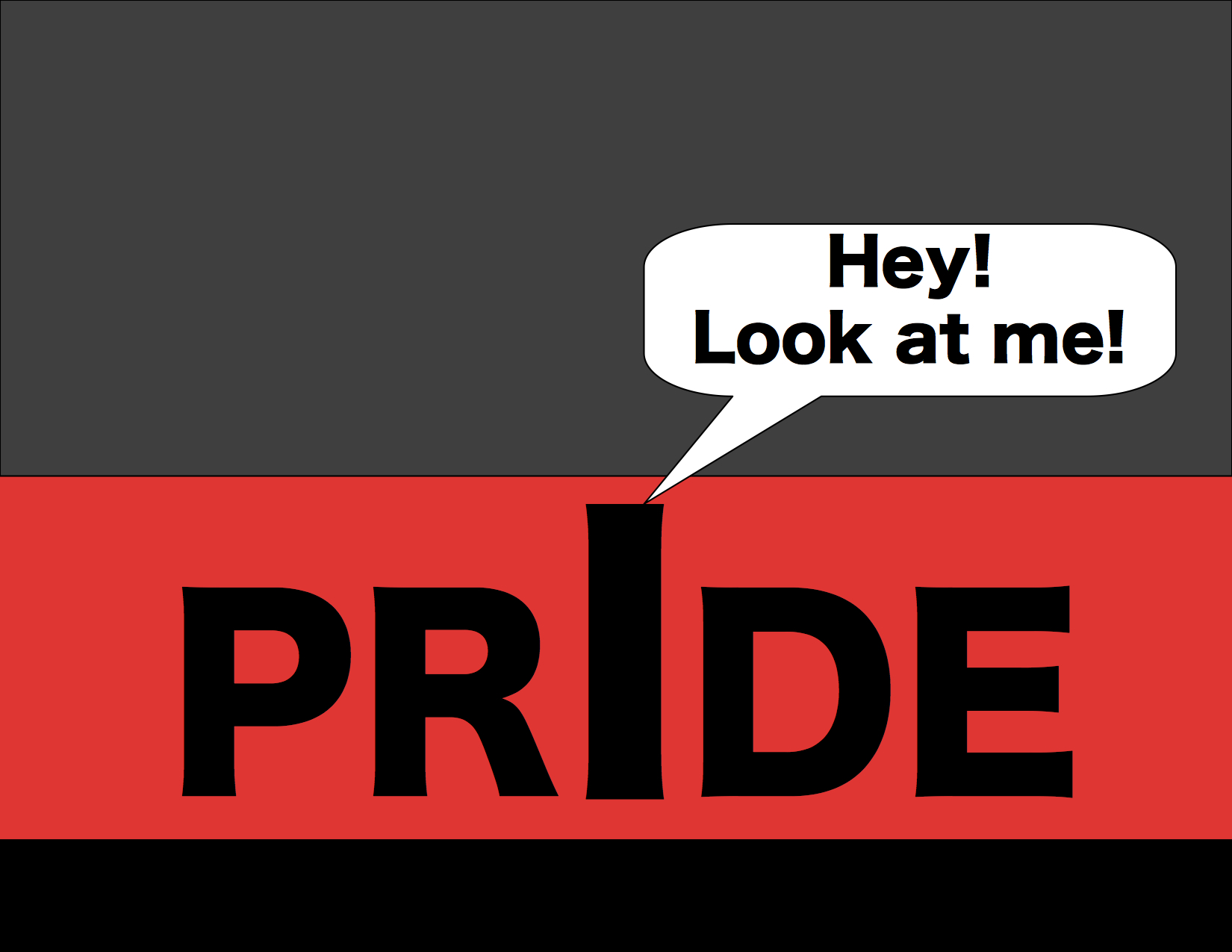
  • Look in the mirror. James says the Bible is the perfect mirror. So how does your life line up with the Scripture? Don’t sugarcoat it … Don’t make excuses … Say the words “Look at me” or “Wow, I’ve got it” out loud. Do you find those in God’s Word? If not, root it out!
  • Get some tough guys around you. You need some loving people around you that aren’t the ones writing your press releases. You need people around you that can boldly say, “Ahem! You appear to be getting off track.”
  • Monitor your gut-level responses. If you feel defensive, or if you feel the need to justify or make excuses, watch out because that’s pride’s signature.
  • Stay on your knees. Not only in prayer, but in service too. It’s awfully hard to get full of yourself when you’re washing feet, or scrubbing toilets. If you ever think any job is beneath you, watch out because you may have been infected by pride.

“Depth under depth of self-love and self-admiration. Pride! It was through Pride that the devil became the devil; it is the complete anti-God state of mind. Pride is essentially competitive in a way the other vices are not. Pride is a spiritual cancer. —C.S. Lewis

I have two companion chapters in my book Shepherd Leadership: The Metrics That Really Matter that dive deeper into this topic: “A confident leader’s attitude adjustment” and “A humble leader’s attitude adjustment.” I hope you will pick up a copy.

►► Would you please prayerfully consider supporting this ministry? My Patreon supporters get behind-the-scenes access to exclusive materials. ◀︎◀︎

Thursdays With Oswald—The Bible

This is a weekly series with things I’m reading and pondering from Oswald Chambers. You can read the original seed thought here, or type “Thursdays With Oswald” in the search box to read more entries.

The Bible

      The revelation of God’s will has been brought down to us in words. The Bible is not a book containing communications from God, it is God’s revelation of Himself, in the interests of grace; God’s giving of Himself in the limitation of words.

      The Bible is not a faery romance to beguile us for awhile from the sordid realties of life, it is the Divine complement of the laws of Nature, of Conscience and of Humanity, it introduces us to a new universe of revelation facts not known to unregenerate commonsense. The only Exegete of these facts is the Holy Spirit, and in the degree of our reception, recognition, and reliance on the Holy Spirit will be our understanding. …

      The Bible does not simply explain to us the greatest number of facts, it is the only ground of understanding of all the facts, that is, it puts into the hand of the Spirit-born the key to the explanation of all mysteries. …

      The Bible tests all experience, all truth, all authority, by our Lord Himself and our relationship to Him personally….

From God’s Workmanship

Quite simply: The only authoritative Source we need to understand all the facts of life is the Bible.

Are you reading it? Every day? If not, make it a habit to live on and live through. It is God’s Word to you!

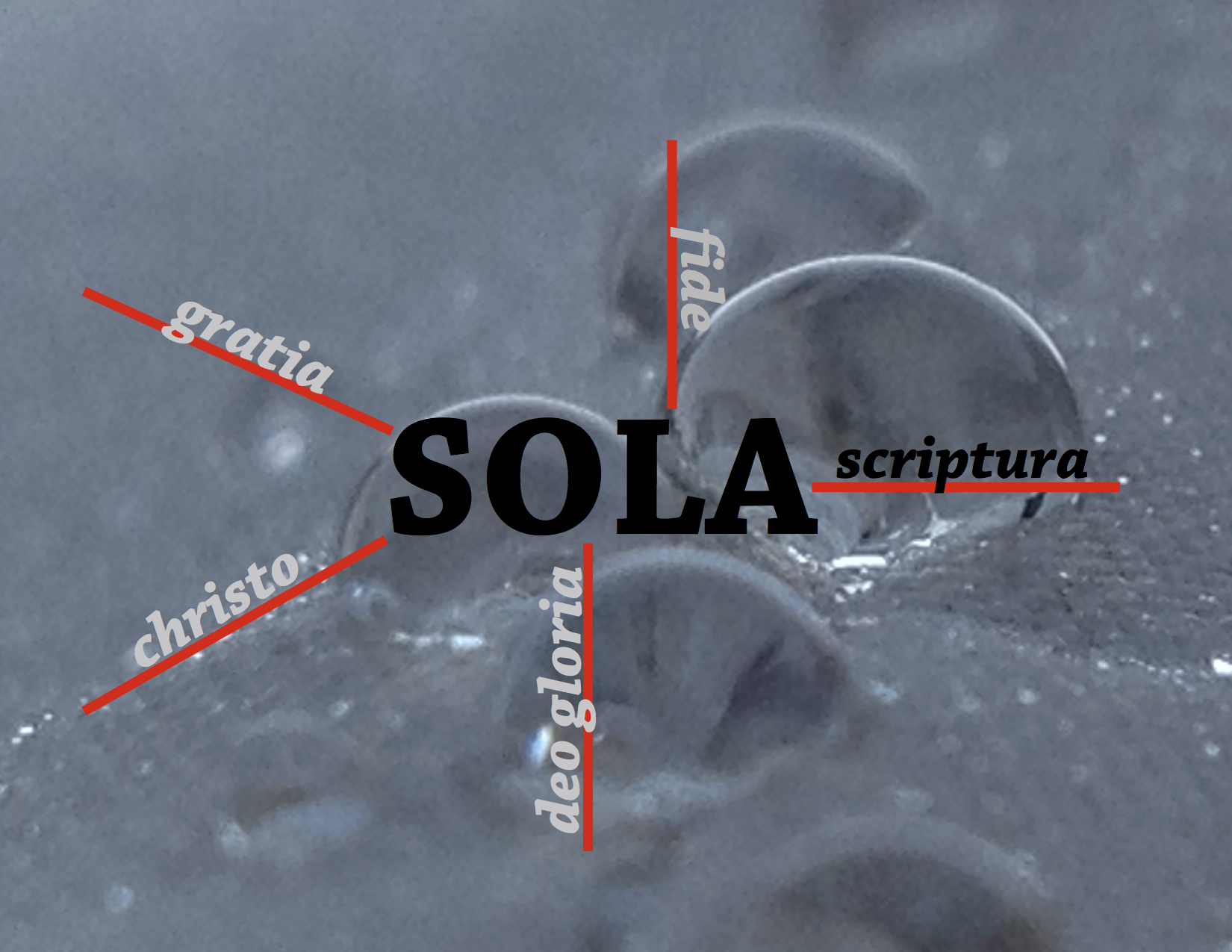
Sola Scriptura

Of all the other sola statements that came out of the Reformation, sola scriptura has to be one of the most foundational. Without a firm understanding of the truthfulness of God’s Word, all other doctrinal statements are without authority. Sola scriptura means that we use the Bible as our authoritative guide for everything in our lives.

Jesus confronted the religious leaders for their misuse and abuse of Scripture. The Sadducees had a tendency to ignore the parts of Scripture which didn’t fit their “theology.” The Pharisees, on the other hand, would over-exaggerate some Scriptures which would leave other passages dwarfed or forgotten.

In Matthew 23, Jesus took on both of these incorrect approaches. What I love is that Jesus didn’t share His opinion, He didn’t argue with them, He didn’t try to convince them to accept His viewpoint. Jesus just took them back to Scripture.

  • You are in error because you do not know the Scriptures or the power of God (23:29).
  • Have you not read what God said to you (23:31).
  • David, speaking by the Spirt…says(22:43).

When Jesus said, “You are in error,” the verb tense is the passive voice. This means it was something done to them, not something they did. These religious leaders were not purposely straying from Scripture, but by listening to men instead of God they allowed themselves to be lead astray.

That’s why this insight from Luke is so powerful:

Now the Bereans were of more noble character than the Thessalonians, for they received the message with great eagerness and examined the Scriptures every day to see if what Paul said was true. (Acts 17:11)

This is great counsel for all of us. We should all listen to pastors and teachers, or read authors, through the filter of Scripture. We need to make sure we aren’t passively straying, and we do this by examining the Scripture.

If you have missed any of the messages in this series, you can find them all here.