 Wow! We had an absolutely amazing service yesterday morning at Calvary Assembly of God! All throughout the service we could feel that the Holy Spirit was moving, and we were all blessed by His presence.
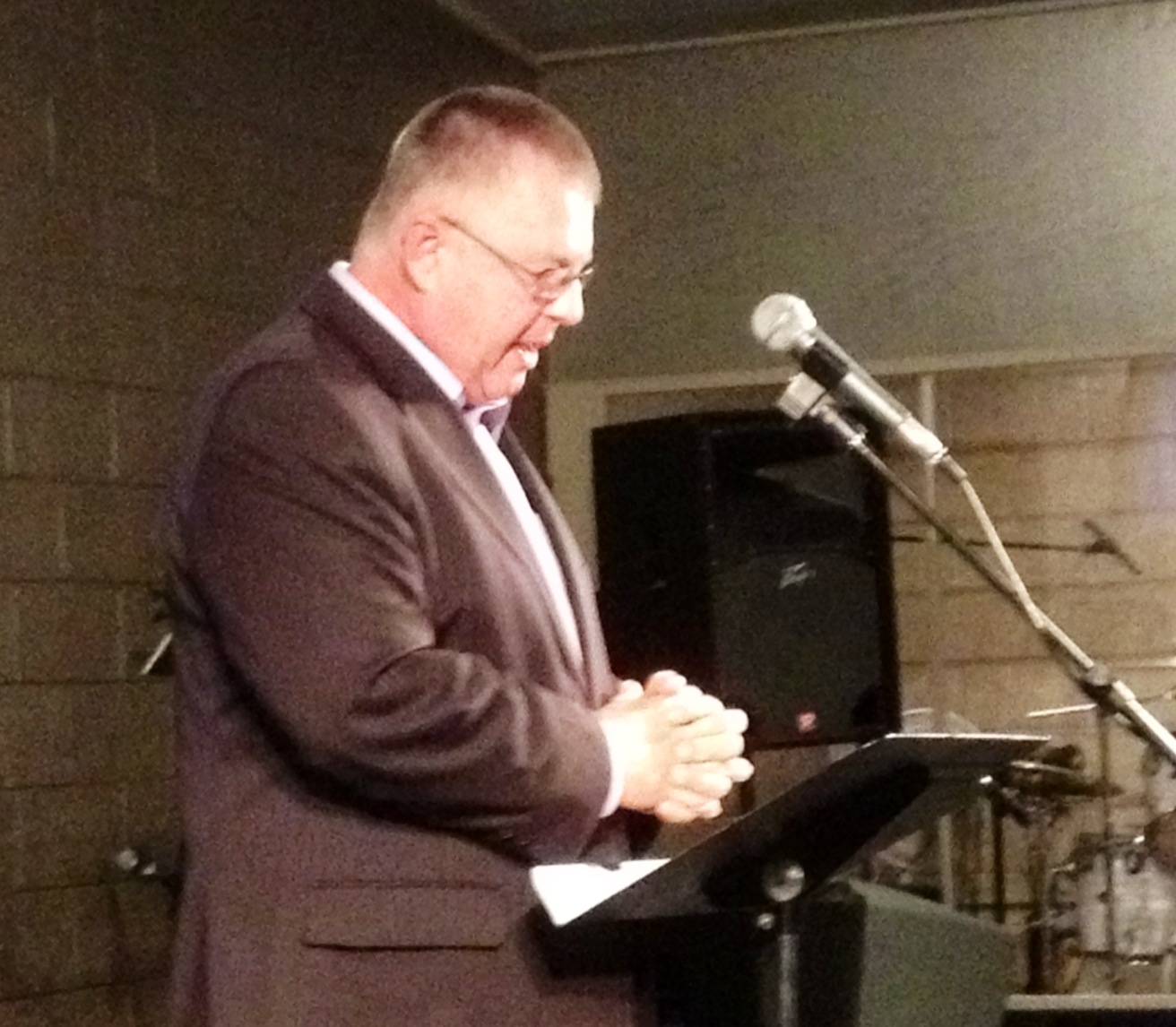
Pastor Bill Leach was our guest speaker, and he used Acts 2 as his text to talk about some of the misconceptions people have about the baptism in the Holy Spirit, and the correct biblical perspective of this empowerment for a Christian’s life. I tried to take notes as fast as I could, so below are the thoughts which especially caught my attention. Pastor Leach’s message was entitled “No, Virginia, Pentecostals Do Not Swing From Chandeliers.”
Our Pentecostal experience must be firmly established in the Word of God. Peter made this clear in his Day of Pentecost sermon (Acts 2:16, 25, 30, 34). This experience is not a fad, but we are involved in the eternal plan of God. So it is an important movement for us to be a part of (Acts 2:39).
When Jesus said “stay in the city until you have been clothed with power from on high” (Luke 24:49; Acts 1:4), He said it in the form of a command. Our Savior commands us to receive this Holy Spirit empowerment.
Luke describes the followers of Jesus as being “all together in one place” (Acts 2:1). In other words they were together together. This is a characteristic of followers of Jesus.
God’s temple is not a house, but people. Just as the fire was to be kept burning in King Solomon’s temple, God’s eternal fire fell on His followers on the day of Pentecost (Acts 2:3), symbolizing His abiding presence in Christians.
The whole Godhead continually points to and glorifies the other aspects of the Godhead—“This is My Son in Whom I am well pleased”; “The Holy Spirit will testify about Me; and “I have come to glorify the Father.” When man was created God said, “Let Us make man in Our image—worshiping along side Us and enjoying Us!” The baptism in the Holy Spirit empowers us to do this!
Impossible obstacles must give way to the Spirit-anointed trod of the Spirit-baptized Church.
Pentecostals do not swing from chandeliers, but they have yielded their lives to the Holy Spirit’s empowerment, to be Christ’s witnesses and to display God’s glory throughout His creation.
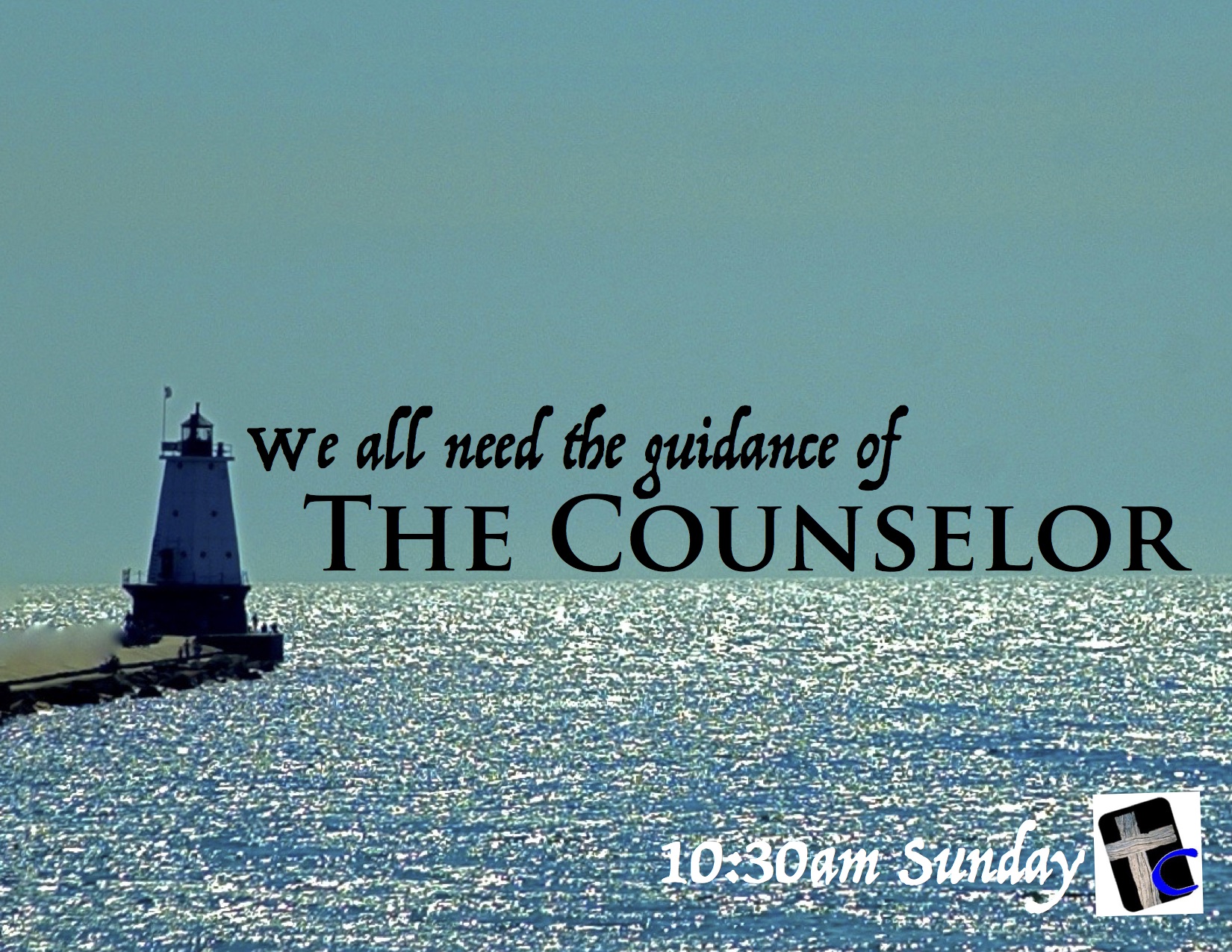
This coming Sunday (May 24) is Pentecost Sunday, and I will be launching a new series about the Holy Spirit called simply The Counselor. Check back on my blog later this week for more details.




 “How absolutely necessary is the presence and power of the Holy Spirit! It is not possible for us to promote the glory of God or to bless the souls of men, unless the Holy Spirit shall be in us and with us. Those who were assembled on that memorable day of Pentecost, were all men of prayer and faith; but even these precious gifts are only available when the celestial fire sets them on a blaze. They were all men of experience; most of them had been preachers of the Word and workers of miracles; they had endured trials and troubles in company with their Lord, and had been with Him in His temptation. Among them were the apostles and the seventy evangelists, and with them were those honored women in whose houses the Lord had often been entertained, and who had ministered to Him of their substance; yet even these favored and honored saints can do nothing without the breath of God the Holy Spirit. Apostles and evangelists dare not even attempt anything alone; they must tarry at Jerusalem till power be given them from on high. It was not a want of education; they had been for three years in the college of Christ, with perfect wisdom as their tutor, matchless eloquence as their instructor, and immaculate perfection as their example; yet they must not venture to open their mouths to testify of the mystery of Jesus, until the anointing Spirit has come with blessed unction from above. Surely if so it was with them, much more must it be the case with us.” —Charles Spurgeon