


Tell the Israelites to designate the cities of refuge, as I instructed you through Moses. … The Lord commanded through Moses that you give us [Levites] towns to live in… (Joshua 20:2; 21:2).
 The Israelite leadership designated 6 cities of refuge and 48 Levitical cities. It was a big responsibility for the leadership of those towns to protect both the innocent person who was being pursued by the avenger of blood, and ensuring that the Levites were taken care of.
There is one city that particularly stands out to me: Hebron.
This city was formally called Kiriath Arba: so named after the biggest, baddest of the Anakite giants who had lived there. This is the strongly-fortified city that was inhabited by not one—but three!—giants that the 85-year-old Caleb defeated (15:13-14).
Hebron became both a city of refuge and a Levitical city. Caleb also secured Debir, which became a Levitical city too (15:15-17; 20:7; 21:11-15). Later on, Hebron would be David’s capital city for seven years until he moved his throne to Jerusalem.
A mark of a godly leader is one who sows the seeds that others will harvest.
What would have happened if Caleb hadn’t defeated those giants?
Or if he wasn’t willing to take on the added responsibilities for fugitives and priests?
Caleb conquered in his lifetime to benefit people for hundreds of years after he was gone!
God still needs these forward-looking, boldly-conquering servant leaders. I want to be a leader like that, and I hope you do too!
This is part 46 in my series on godly leadership. You can check out all of my posts in this series by clicking here.





 Craig T. Owens
Prescribed & Personal Worship
May 12, 2020 — Craig T. OwensBut you are to seek the place the Lord your God will choose from among all your tribes to put His Name there for His dwelling (Deuteronomy 12:5).
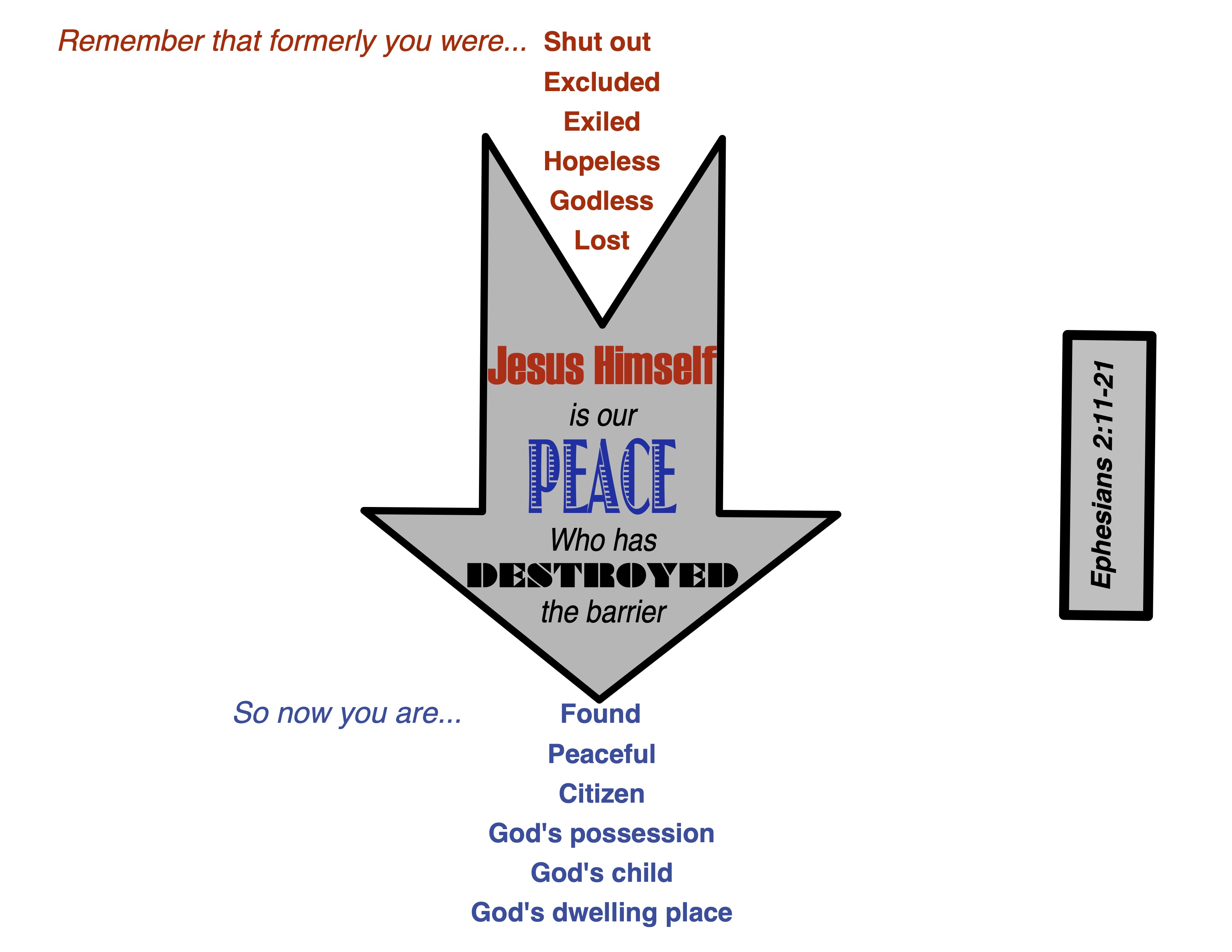
The Old Testament physical practices always point to the New Testament spiritual practices:
Go to THE place the Lord will choose (v. 26).
The exclusivity focus is on the Person not the place or the practice.
Jesus said, “Not here or in Jerusalem, but in spirit and in truth” (John 4:20-24). And He made clear that He is THE exclusive way to the Father (John 14:6).
The apostle Paul noted that the day of the week or the type of food doesn’t matter in our worship practices; THE focus on Jesus is what matters (Romans 14).
So worship of God is both prescribed and personal:
Paul went on to say in Romans 14 that we shouldn’t judge the sincerity of another person’s worship. If they are glorifying God—great! If not—they will have to stand before THE Judge.
We only have access to God through THE High Priest Jesus Christ. Let us always make sure that He is THE focus.
Share this: