Jim Collins has great advice for leaders: When things are going well, look out the window (at your people); when things aren’t going well, look in the mirror (at yourself). This is as true for business CEOs as it is for pastors.
Pastor, you leak.
I leak.
We all leak.
It’s impossible to just maintain where we are. There needs to be a constant refreshing, a constant refilling. We need to keep learning, keep changing, keep renewing. If we don’t, well, this is how Oswald Chambers described it—
“If you are in a position of authority and people are not obeying you, the greatest heart-searching you can have is the realization that the blame does not lie with them, but with you; there is always leakage going on spiritually. Get right with God yourself, and every other one will get in touch with God through you.” (my emphasis)
Pastor, don’t wait: Look in the mirror today, get right with God, replenish what’s leaked out of you, and then watch to see how others in your congregation will begin to move toward God themselves.
Regular readers of this blog have probably noticed that I don’t read very much fiction. Partly this is because I have so much to read that I need to keep strict requirements on my reading list, and partly because many fictional works are so much mental cotton candy. By that I mean it’s sweet for the moment, but it’s quickly gone. But there are exceptions, and The Man Who Knew Too Much by G.K. Chesterton is a notable exception.
Chesterton is usually known for his non-fiction theological writings. But the wit, insight, wisdom and humor he uses in his non-fiction work is also on full display in this book, which chronicles the observation skills of Mr. Horne Fisher.
Fisher is the man who knows too much. Because he knows too much, he solves mysteries and riddles “backwards” from the way a typical detective would. Although Fisher is not a detective, but just a man who is well-known and well-connected, he seems to stumble upon the most bizarre settings. Fisher knows too much, so he spots what’s missing, and then works “backwards” to unravel the conundrum. It’s quite fascinating to watch him at work, and Chesterton’s insights into the human spirit make his characters very engaging.
These are not your typical detective stories, but the uniqueness of Horne Fisher’s crime-solving technique makes The Man Who Knew Too Much an enjoyable and enlightening book.
I typically share some of my favorite quotes from the books I review, but in this case I have included some of the wittier lines and descriptions that Chesterton employs. Check it out in the comment below.
Listen to the podcast of this post by clicking on the player below, and you can also subscribe on Apple, Spotify, or Audible.
This is a weekly series with things I’m reading and pondering from Oswald Chambers. You can read the original seed thought here, or type “Thursdays With Oswald” in the search box to read more entries.
Stair-step Growth
There are stages in spiritual development when God allows us to be dull, times when we cannot realize or feel anything. It is one of the greatest mercies that we have those blank spaces, for this reason, that if we go on with spiritual perception too quickly we have no time to work it out; and if we have no time to work it out, it will react in stagnation and degeneration.
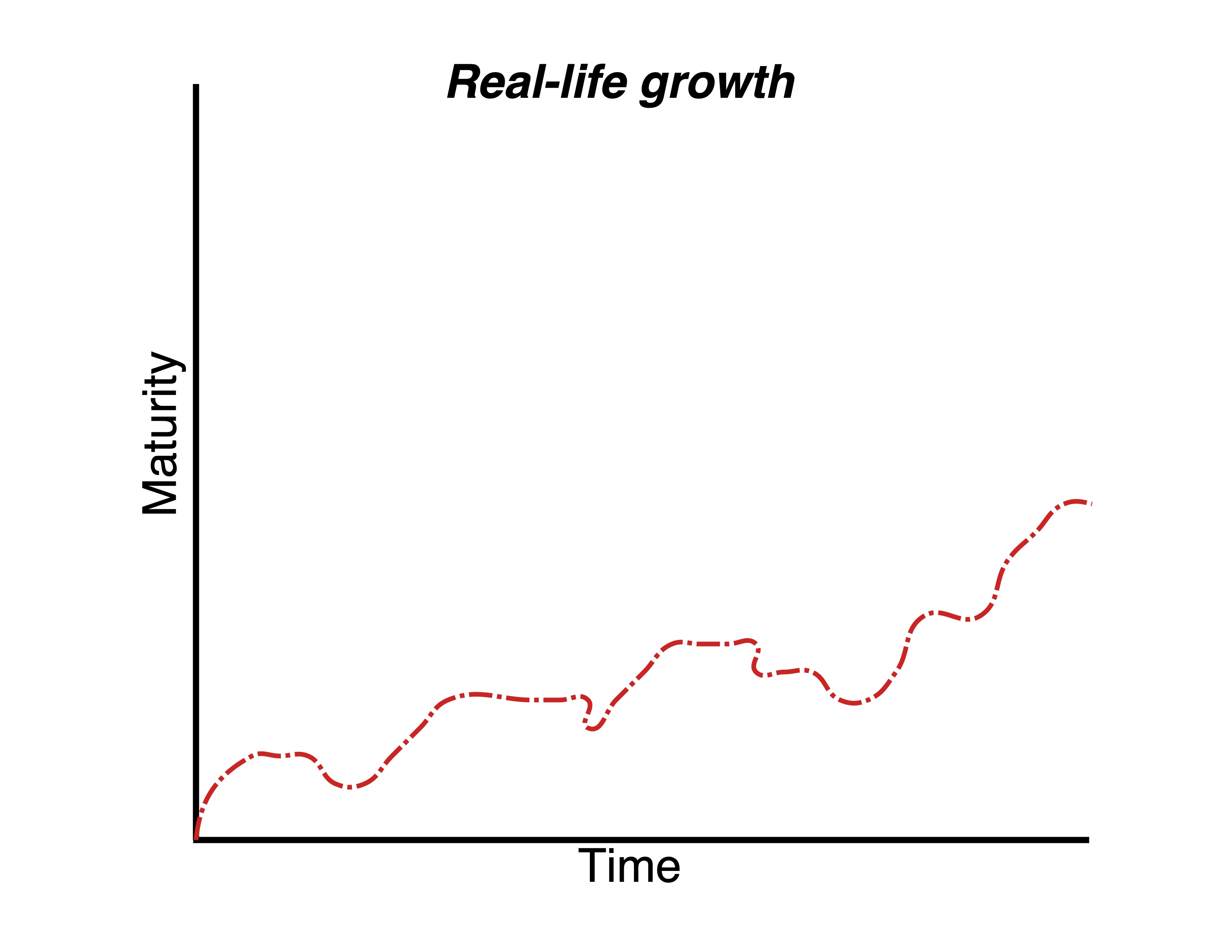
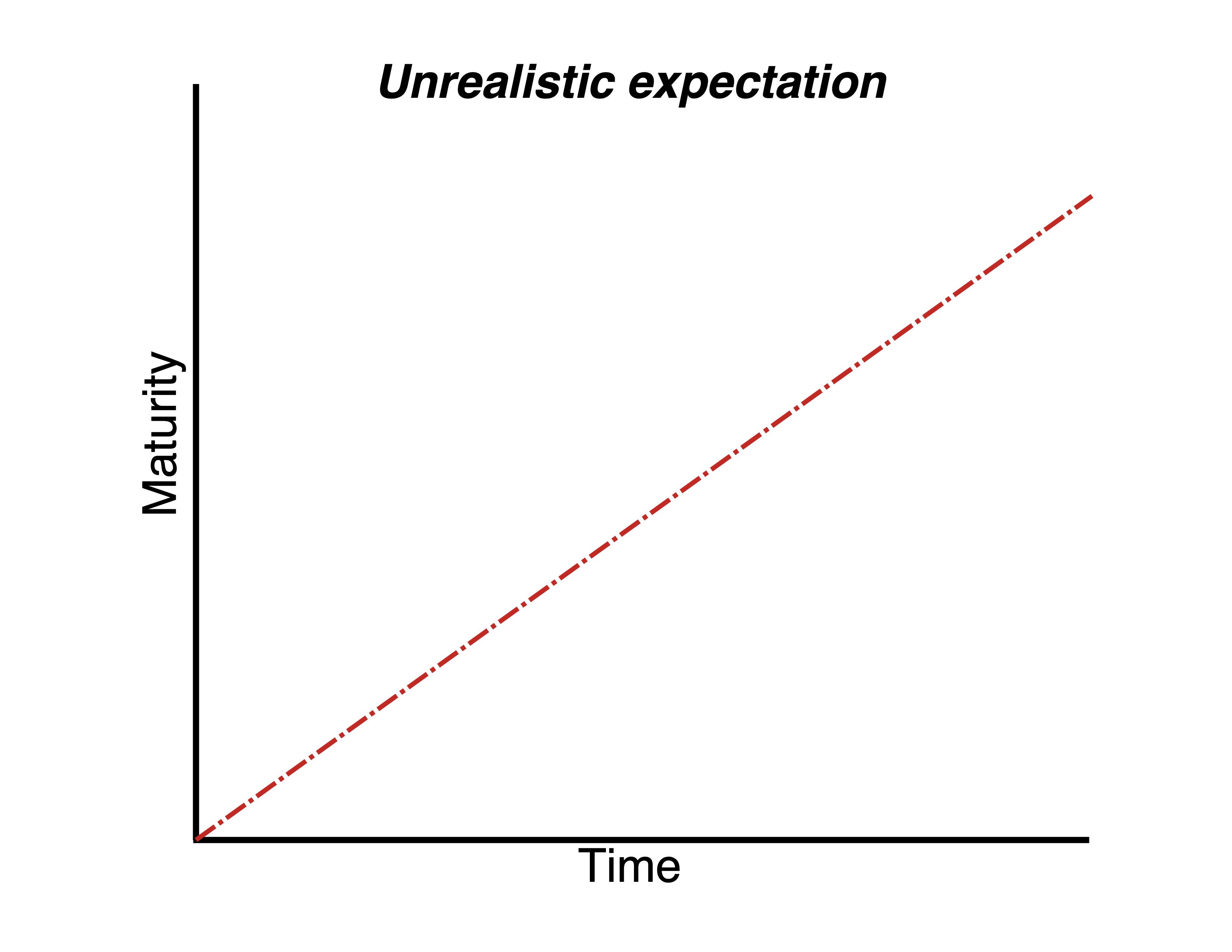
In reality, our growth looks more like a staircase. There are times of growth, times of relapse, and times of plateau. Growth and relapse we usually understand, but many of us have a hard time with the “blank spaces” when we don’t feel anything going on one way or the other. But God purposely gives us these flat times.
I’ve learned that these God-given plateaus are for two things:
Assimilating what we have learned <or>
Preparing for the next upward climb
So don’t get frustrated by the plateaus, for they are, as Chambers say, one of the greatest mercies God gives us.
If anyone sees his brother commit a sin…he should pray…. (1 John 5:16)
The King James Version says this a little more poetically, “If any man see his brother sin a sin.” The Greek does not have the indefinite “a” in front of sin, and the verb tense makes this an ongoing process, so it’s probably more accurate to say it like this: “If anyone sees his brother sinning sins.”
The apostle John is head-over-heels in love with Jesus. So time and time again his counsel is for us also to fall more in love with God, and to demonstrate this by loving others. There is no more loving thing we can do for someone sinning sins than to pray for them (see also Galatians 6:1 and James 5:19-20).
John doesn’t ask us to catalogue their sins; otherwise he would have said “a sin” or even “their sinS.”We are not to be the sin police trying to document each and every infraction! Instead, when we see a brother or sister with a lifestyle that is separated from the love of God, we need topray for them.
I think John might ask us to pray that they would see the love of God so clearly that the love of sin would become cold and pale and unattractive.
Home Run opens in theaters on April 19, 2013, but Betsy and I were privileged to see an advanced screening of this movie.
I’ll be honest with you: Going into the theater I was a bit skeptical. From what I had been told, and the little blurbs I had read and watched, it seemed like it was going to be a bit over-the-top Christianese. I am happy to tell you I was totally wrong!
Home Run follows a baseball player who has been suspended from his team because of his alcohol problem. One of the conditions of his return to the diamond is his attendance at some sort of 12-step program. Cory chose a Celebrate Recovery program.
I loved seeing the stark contrast between the messages of hope Cory was hearing in his Celebrate Recovery meetings, with the lack of success he was having outside of the meetings. Cory attempts to use his own willpower to overcome his addiction, and the emotional scars that led to it, but is unsuccessful at almost every attempt. In his Celebrate Recovery meetings he is hearing how people who surrendered to the love of Jesus (not just “a higher power”) were finding a freedom they had never known before.
I also like how the movie didn’t lead to an all-too-typical Hollywood fairy tale, they-all-lived-happily-ever-after ending. Instead we see Cory on the road to recovery, but with many relationships and situations still to be reconciled.
The movie is rated PG-13 for the subject matter of alcoholism (and the other addictions discussed in the Celebrate Recovery meetings), and for a rather intense scene with Cory’s drunk, emotionally-abusive father. So I wouldn’t recommend this to families with younger children, but anyone else who is struggling with an addiction, or who knows someone who is, should see Home Run when it opens on April 19.
Mark Sanborn has given us a wonderful book to help people be more well-rounded in their leadership, whether they have a title or not. You can read my full book review by clicking here. These are some of the quotes from this book that caught my eye.
“Leaders, untitled or otherwise, realize the extraordinary impact they can have on others and the world around them. They consciously choose to exercise their abilities, skills, and knowledge to help make a difference.”
“The reality is that we all work ‘backstage’ in our lives at times. Real leaders bring the same commitment to excellence to whatever they do, whether on the stage or behind it.”
“I began to see what happened to me as an opportunity rather than an obligation. And it made all the difference. Now when the phone rings, I respond to each call as an opportunity to serve, earn, learn, influence, network, encourage, or teach. The difference isn’t in the caller or the purpose for the call; the difference is in my response. … Genuine, authentic leadership infuses meaning into your life, because you know that your efforts count and that you are serving the needs of others as well as your own.”
“I think of the ‘self-mastery index’ as the ratio between promises made and promises kept—both to oneself and to others. If your mouth keeps making promises that you can’t keep, there is a great deal of room for improvement. Integrity, after all, is measured by the distance between your lips and your life. If you want to be a leader in your own life and in the lives of others, you’ve got to follow through on your own promises, whether you have a title or not.”
“You don’t necessarily have to be smarter or better educated to succeed. Your power lies in your ability to focus on doing what is important. If you focus on the right things, and work at them often, you will achieve exceptional results.”
“People do things for their own reasons, not for yours. To be an effective leader, you need to know how to motivate others.”
“One of the greatest compliments you can be paid as a leader is to have someone say that you helped them be better than they thought they could be.”
“People remember stories. Stories are the coat pegs of the mind. They are where people hang their ideas. Once they have a memorable story to help them remember, they can recall whatever important moral or point you have to make. … Telling an entertaining story is important, but being the story is better.”
“When something doesn’t happen, there is always an explanation. But never accept an explanation as an excuse. … Instead, use explanations to figure out what happened, then look for the lesson that will prevent that something from happening again.”
“Everyone makes a difference. The choice we all have is whether we want to make positive difference or a negative one.”
Listen to the podcast of this post by clicking on the player below, and you can also subscribe on Apple, Spotify, or Audible.
Ken Blanchard is right: we spend way too much time trying to catch someone doing something wrong (or worry that they’re goingto do something wrong), and not enough time trying to catch them doing something right.
…if anything is excellent or praiseworthy, think about these things…. (Philippians 4:8)
…love rejoices in the truth…. (1 Corinthians 13:6)
I should be praying for and looking for praiseworthy things. Why? Because people generally live up to someone’s expectations (they live down to their expectations too)—especially someone who has demonstrated they care about them.
Listen to the apostle John’s right-catching statement:
It gave me great joy to have some brothers come and tell about your faithfulness to the truth and how you continue to walk in the truth. I have no greater joy than to hear that my children are walking in the truth. (3 John 3-4)
“The truth” is sometimes taught in a Christian home or in a church, or maybe it’s caught there. The child or the churchgoer has heard the truth, but then do we honestly believe the truth—along with the Holy Spirit reminding them of that truth—somehow becomes ineffectual?
We often act like that.
We seem to be more willing to believe the negative reports than the positive reports. Perhaps, like John, I need to be more ready to catch others doing right. Perhaps I need to be more ready to rejoice in the success stories. Perhaps I need to pray for greater discernment to see the positive changes the truth is making in those I love.
If we make this a matter of prayer, I believe the Holy Spirit will help us catch others doing right.
Far too many people confuse a title with “arriving” at a place of leadership. In Mark Sanborn’s book You Don’t Need A Title To Be A Leader, he not only shows the fallacy of this, but also shows that anyone, anywhere can lead, even if they are untitled.
Mark Sanborn is an excellent storyteller. He uses this skill to make his points about leading from any place in an organization, instead of writing a point-by-point academic outline of how to lead where you are. Mark uses stories from his own life, and from other friends and colleagues to show us that (as the subtitle of the book says) anyone, anywhere can make a positive difference.
Because this book contains several quotes and anecdotes, many left-brained folks will find it “fluffy.” But don’t be fooled by the power of a good story! Mark correctly shares how impacting telling stories is, but he says it’s even more effective to live your story. In other words, be the leadership story that others will follow. Leadership is not left-brained nor right-brained, but it is whole-brained, and this book will help awaken the creative side which far too many leaders leave dormant.
For anyone who wants to grow as a leader, this is a great book to add to your library.
Listen to the podcast of this post by clicking on the player below, and you can also subscribe on Apple, Spotify, or Audible.
One of the misconceptions about Jesus is that He first appears on the scene in a manger in Bethlehem. Nothing could be further from the truth! Jesus appears in the opening words of the Bible—In the beginning God created—and in the last words of the Bible—Yes, I am coming soon. And He appears in every word in between!
B.B. Warfield has a great picture of the Old Testament being a mansion with richly-decorated, beautifully-ornate rooms, but which are dimly lit. So with just the Old Testament by itself, it is hard to appreciate the magnificent beauty that’s there. In Jesus, the light is turned on, and we can now appreciate the glory and majesty that was always there!
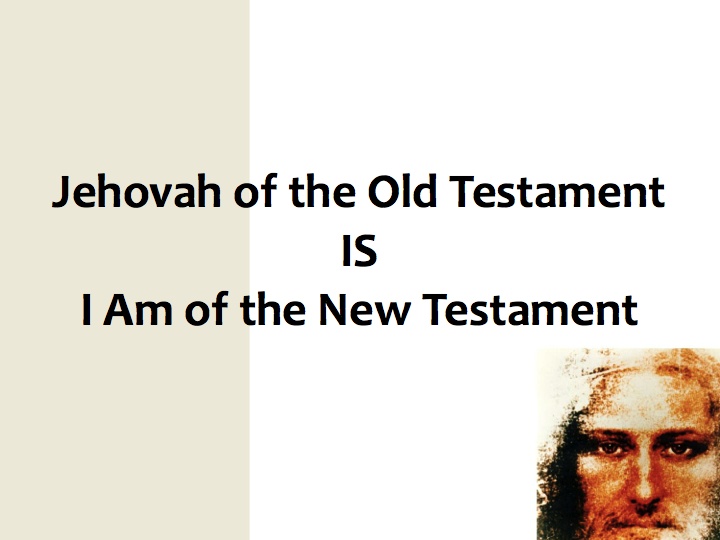
So notice how the “I Am” statements shine a bright light on the titles of “Jehovah”—
Jehovah Jireh (I Am Your Provider) → I am the Bread of Life (John 6:35)
Jehovah Rapha (I Am Your Healing) → I am the Resurrection and the Life (John 11:25-26)
Jehovah Nissi (I Am Your Source) → I am the Vine (John 15:5)
Jehovah Shalom (I Am Your Peace) → I am the Light of the world (John 8:12)
Jehovah Raah (I Am Your Shepherd) → I am the Good Shepherd (John 10:11)
Jehovah Sabaoth (I Am Your Wall Of Protection) → I am the Gate (John 10:9)
Jehovah Tsid-kenu (I Am Your Righteousness) → I am the Way, Truth, and Life (John 14:6)
Jehovah Shammah (I Am Here) → I am the Alpha and Omega (Revelation 1:8; 22:13).
In essence Jesus is saying “I Am Jehovah in all His fullness.” So what are we to make of that? What are we to make of Jesus Christ? Here’s how C.S. Lewis addressed that very question:
“This is a question which has, in a sense, a frantically comic side. For the real question is not what are we to make of Christ, but what is He to make of us? The picture of a fly sitting deciding what it is going to make of an elephant has comic elements about it. But perhaps the questioner meant what are we to make of Him in the sense of ‘How are we to solve the historical problem set us by the recorded sayings of this Man?’
“The problem is to reconcile two things. On the one hand you have got the almost generally admitted depth of sanity of His moral teaching, which is not very seriously questioned, even by those who are opposed to Christianity. In fact, I find when I am arguing with very anti-God people that they rather make a point of saying, ‘I am entirely in favor of the moral teaching of Christianity….’
“On the one side clear, definite moral teaching. On the other, claims which, if not true, are those of a megalomaniac, compared with whom Hitler was the most sane and humble of men. There is no halfway house and there is no parallel in other religions. If you had gone to Buddha and asked him, ‘Are you the son of Bramah?’ he would have said, ‘My son, you are still in the vale of illusion.’ If you had gone to Socrates and asked, ‘Are you Zeus?’ he would have laughed at you. If you had gone to Mohammed and asked, ‘Are you Allah?’ he would first have rent his clothes and then cut your head off. If you had asked Confucius, ‘Are you Heaven?’ I think he would have probably replied, ‘Remarks which are not in accordance with Nature are in bad taste.’
“The idea of a great moral teacher saying what Christ said is out of the question. In my opinion, the only person who can say that sort of thing is either God or a complete lunatic suffering from that form of delusion which undermines the whole mind of man.” (emphasis mine)
In this quote, C.S. Lewis gives us three choices about Jesus. We can either say (1) He is a liar, (2) He is a lunatic, or (3) He is who He says He is.
As we approach Easter, we approach one of the most pivotal times in the greatest story ever told: They story of Jesus Christ’s victory over satan and death! Each year I look forward to allowing the Holy Spirit to show me something new about this amazing story. A great resource this year is going to be Love To The Uttermost by John Piper.
This is a FREE ebook from Desiring God which will guide you through Palm Sunday to Resurrection Sunday. For each of the eight days of this week Pastor Piper gives us a new angle to explore in Christ’s love that led Him to the Cross, and overcame the grave. Each day’s reading will only take you a few minutes, but the central truth shared will give you something to meditate upon all day.
I read through this entire book quickly in order to write this review, but now I’m looking forward to re-reading it beginning on Palm Sunday!



 Jim Collins has great advice for leaders: When things are going well, look out the window (at your people); when things aren’t going well, look in the mirror (at yourself). This is as true for business CEOs as it is for pastors.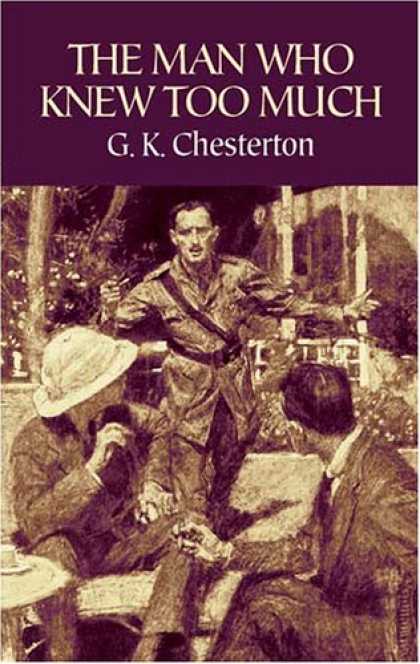









 Craig T. Owens