Listen to the podcast of this post by clicking on the player below, and you can also subscribe on Apple, Spotify, or Audible.
Jude calls Christians to contend for the faith without contention and without compromise. As we wrap up this series, there is one final question that we should ask: What are we contending for?
I believe the bottom line for Jude is that we are contending with saints for people. In other words, we have to be united in our efforts as we seek to expand the Kingdom of God.
The first hurdle we need to overcome is eliminating the dividers. Paul told the Ephesian elders about these people (Acts 20:29-30). And Jude describes them in verses 12, 16-19 as…
blemishes
self-serving and boasting about themselves
unfruitful
grumblers and faultfinders
ungodly desires
following natural instincts = governed by their appetites
Jude then makes a stark distinction—saints are to be different! Saints are to be united in their love for Jesus and their love for each other. In fact, this is what Jesus said would distinguish His followers (John 13:35) and Paul elaborates on this in Philippians 2:1-4.
In verses 20-25, Jude calls saints to live in contrast to “these men” who divide. He challenges saints to—
keep being built up in our faith (see also Ephesians 2:20; Colossians 2:7)
praying in the Holy Spirit
keeping ourselves in God’s love
waiting in assurance for Christ’s imminent return
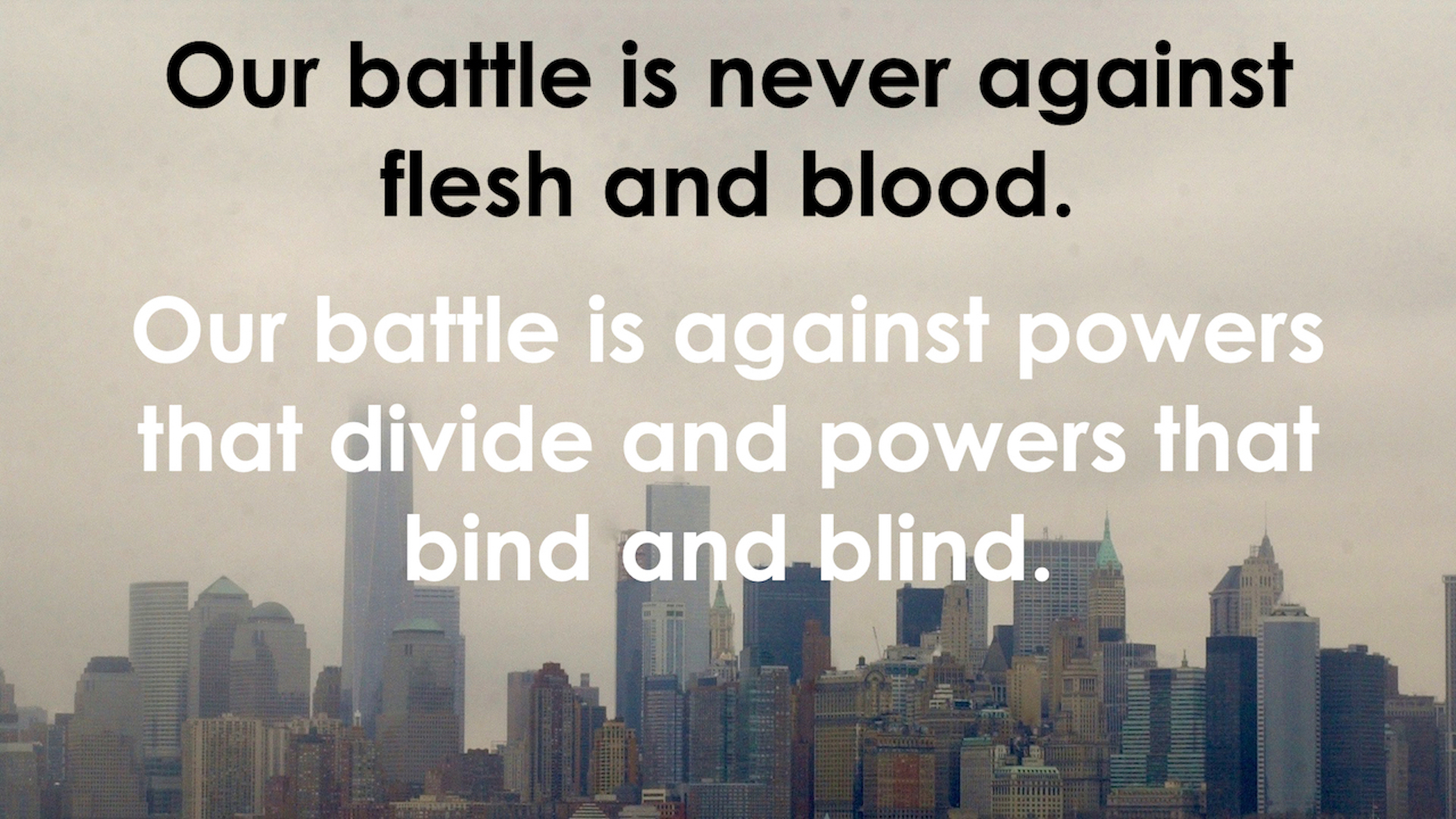
And as we are building, praying, keeping, and waiting, we must also be rescuing people from their path toward Hell. Our battle is never against flesh and blood. Our battle is against those powers that divide and those powers that bind and blind (Ephesians 6:12; 2 Timothy 2:26).
We must not get sidetracked or distracted, we must not contend in a contentious way, but we must remain united with Jesus and united with fellow saints as we seek to expand the Kingdom of God.
If you’ve missed any of the previous messages from this series on the Book of Jude, you can find them all here.
The subtitle of this John Maxwell book is “Bringing People Together in a World That Divides.” That is so needed today! Check out my review of High Road Leadership, and may these quotes inspire you to pick up a copy of this book to learn how you can be a part of healing a divided world.
“Leadership can be a blessing or a curse. It can help people rise to a better life, or it can cause people to fall into despair.”
“One of the reasons we don’t come together and work with one another is that we no longer see people on the other side as merely disagreeing. We see them as disagreeable human beings. We assume their motives are wrong. And the moment we think a person’s motives are wrong, we lose trust. … Good leaders need to rise above this attitude and help the people they lead do the same. How? We need to possess a strong collaboration bias. We need to bring people together to increase our understanding of each other and broaden our perspective.”
“We can’t divide people and expect to accomplish positive results. Conversation and collaboration will always come up with better answers than isolation and exclusion.”
“In my opinion, as a culture we lost our way when we went from simply disagreeing with others to devaluing them because we disagree. That’s when we crossed the line into low-road leadership. It’s one of the reasons so many people are so angry all the time. And when others take the low road with them, they become even angrier. It’s always easier to make a negative point than to make a positive difference.”
“High-road leaders who value people have a strong, healthy sense of self-worth, yet at the same time they are humble, meaning they don’t think too much of themselves or about themselves too much.”
“Accepting our humanness and possessing humble confidence does nothing to diminish our leadership ability. In a study of medical students, those who possessed doubts about their ability were just as effective in diagnosing illnesses as their more confident counterparts. Furthermore, the more humble students rated higher in bedside manner, empathy, respect, and professionalism.”
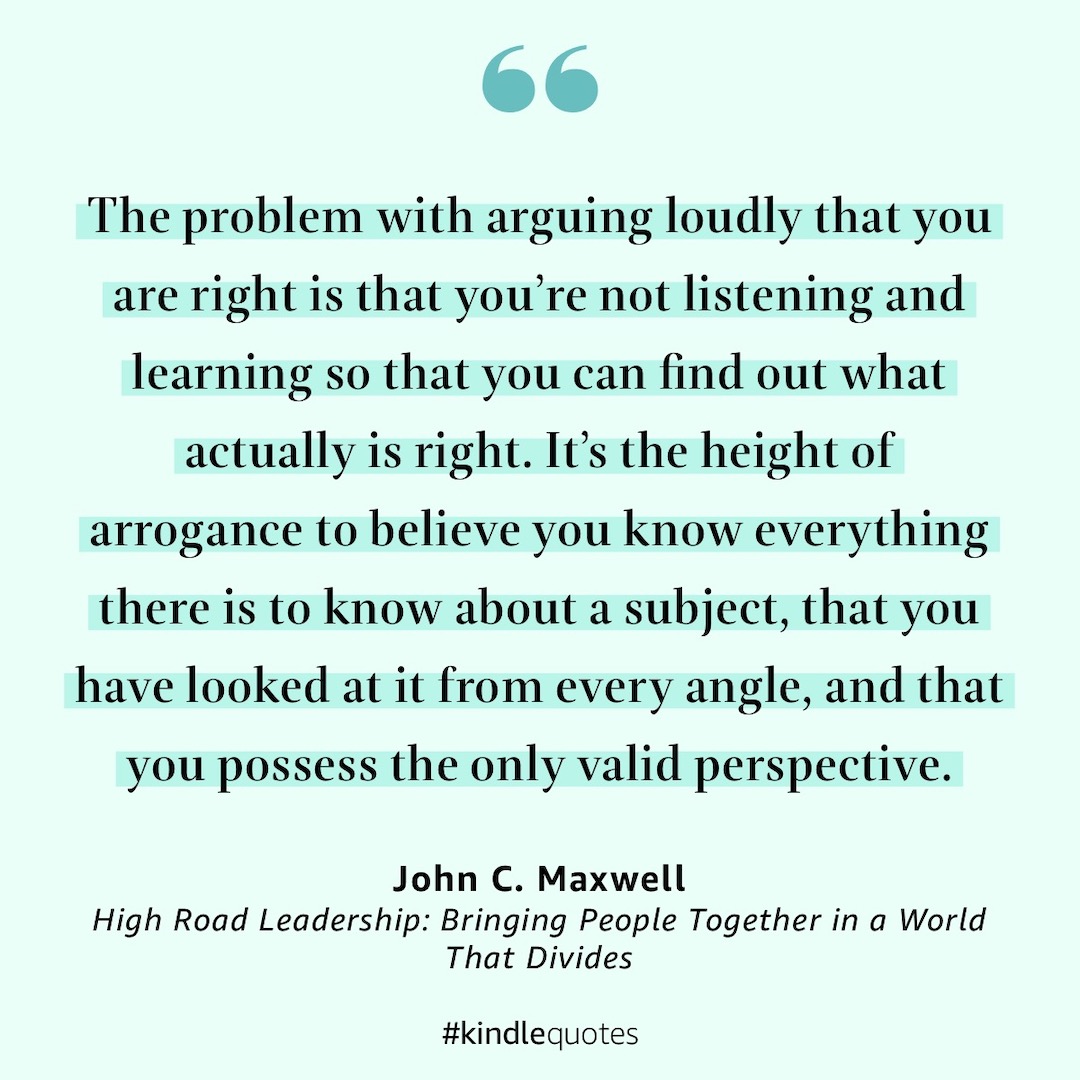
“The problem with arguing loudly that you are right is that you’re not listening and learning so that you can find out what actually is right. It’s the height of arrogance to believe you know everything there is to know about a subject, that you have looked at it from every angle, and that you possess the only valid perspective.”
My Patreon supporters have access to 25+ quotes from this book. They also get exclusive content and early access to public content. Join them today.
Listen to the podcast of this post by clicking on the player below, and you can also subscribe on Apple, Spotify, or Audible.
Calvary Assembly of God joined with Hillcrest Community Church of God for a service to send a message. We want to show that the Body of Christ is more than just multiple buildings where people meet on Sundays.
Pastor Caleb Claybaugh and I are going to be joining our congregations together again for two more outdoor gatherings over the next two months, and I would love to have you join us! Leave me a comment and I will get back to you with all of the details.
Listen to the podcast of this post by clicking on the player below, and you can also subscribe on Apple, Spotify, or Audible.
The higher the stakes, the stronger your teammates’ opinions on how the organization should move forward. Leaders who take the time to walk their teams through this process will develop a stronger, more unified team.
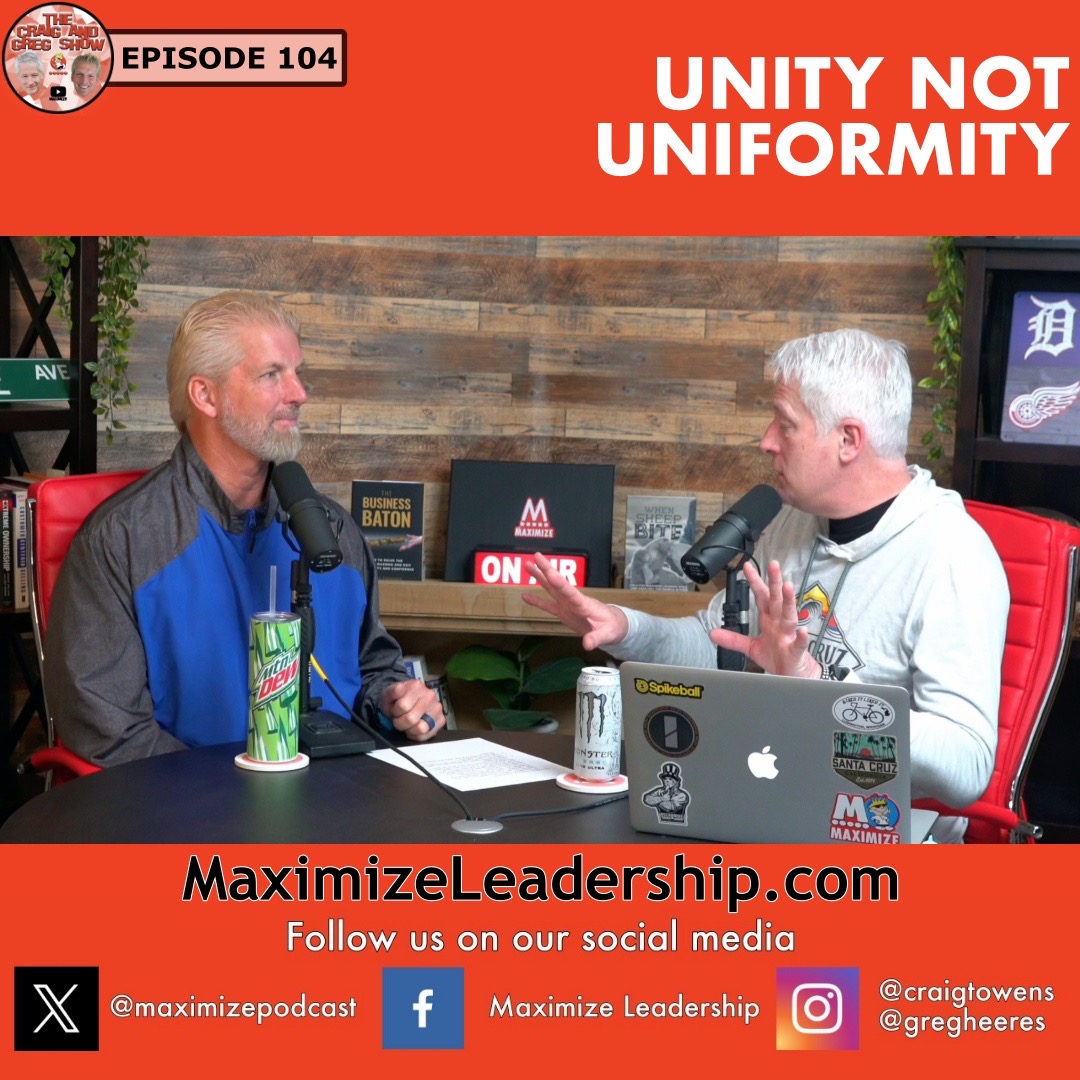
Check out the full conversation on The Craig and Greg Show in our episode Unity Not Conformity.
Listen to the podcast of this post by clicking on the player below, and you can also subscribe on Apple, Spotify, or Audible.
If you’re leading a team, then Greg and I feel pretty confident in assuming that you’ve got them all working, thinking, and behaving exactly like you work, think, and behave, right? Of course not! The differences in personality and thought within your team are what makes it special.
[0:18] Leaders like buy-in, but what about those teammates who say, “Hold on a second”?
[2:00] Unity doesn’t mean sameness.
[3:55] We all have different experiences and gifts so we all bring something different to the table.
[4:51] Unity doesn’t guarantee peacefulness in the process of getting to consensus.
[7:06] Leaders have to learn to accept the tension among teammates.
[9:47] Why do leaders avoid tension?
[13:16] I share a quote from Dick Brogden about the “no men” we need on our teams.
[14:54] Past success can make leaders deaf to the input from others.
[17:09] Greg wonders how to effectively play the devil’s advocate with our teams in order to get the best ideas on the table.
[19:03] My funny story about our producer Harrison.
[21:08] Greg changed the way he debriefed sales calls with his team, encouraging them to speak out.
[23:36] Greg uses an example of Joe Montana to show how leaders can bring confidence to their teams.
[25:30] Both opportunities and obstacles present a chance for us to teach our teammates.
[27:36] Greg and I want to help you help your team.
Check out this episode and subscribe on YouTube so you can watch all of the upcoming episodes. You can also listen to our podcast on Spotify and Apple.
This unity is seen during the outpouring of the Holy Spirit on the day of Pentecost recorded in Acts 2. But unity is not the same thing as conformity, as I shared in this message.
Psalm 133 tells us that in order for us to sharpen others—and for us to be sharpened by them—we have to be around other them. Christian saints put a high priority on spending time with others.
I have lots of new content every week, which you can check out on my YouTube channel.
From Desiring God’s Here We Stand series comes this great snippet from the history of the Reformation: “[John] Calvin intended to go to Strasbourg for a life of peaceful literary production. But while Calvin was staying the night in Geneva, William Farel, the fiery leader of the Reformation in that city, found out he was there and sought him out. It was a meeting that changed the course of history, not just for Geneva, but for the world. Calvin remembers, ‘Farel, who burned with an extraordinary zeal to advance the gospel, immediately learned that my heart was set upon devoting myself to private studies . . . and finding that he gained nothing by entreaties, he proceeded to utter an imprecation that God would curse my retirement, and the tranquillity of the studies which I sought, if I should withdraw and refuse to give assistance, when the necessity was so urgent. By this imprecation I was so stricken with terror, that I desisted from the journey which I had undertaken.’”
Have you ever heard people claim that celebrity deaths seem to come in threes? It does seem that many times the major cataclysmic events happen in bunches. Dr. Roy Spencer has an interesting post (with corresponding data) in which he outlines the role of randomness in these events.
“In Hebrews 12:2 the writer uses a participle—‘fixing your eyes’—to describe what should be the characteristic orientation of our every waking moment. True and full faith wants to say with David, ‘I have set the Lord always before me’ (Psalm 16:8). … If we are living full faith, having the eye of our heart fixed on the world of unseen things, the reality of that world and all its beauty, goodness, and truth will begin to be evident in our daily lives, filling our lives with the overflowing Presence of Jesus Christ (John 7:37-39).” —T.M. Moore
“There are three kinds of people in the world; those who have sought God and found Him and now serve Him, those who are seeking Him, but have not yet found Him, and those who neither seek Him nor find Him. The first are reasonable and happy, the second reasonable and unhappy, and the third unreasonable and unhappy.” —Blaise Pascal
Evolutionists are now using language that sounds like words Creationists use: “Flowers like hibiscus use an invisible blueprint established very early in petal formation that dictates the size of their bullseyes—a crucial pre-pattern that can significantly impact their ability to attract pollinating bees.” Check out this article from the Institute for Creation Research.
Another very helpful apologetic video from J. Warner Wallace. This video explains how the origin of DNA is best explained not by scientific theories but by the existence of God.
Just as the smallest enzyme is invaluable to the human body, the gift God has given you is invaluable to the Body of Christ. Check out the full sermon called Let’s grow together.
Listen to the podcast of this post by clicking on the player below, and you can also subscribe on Apple, Spotify, or Audible.
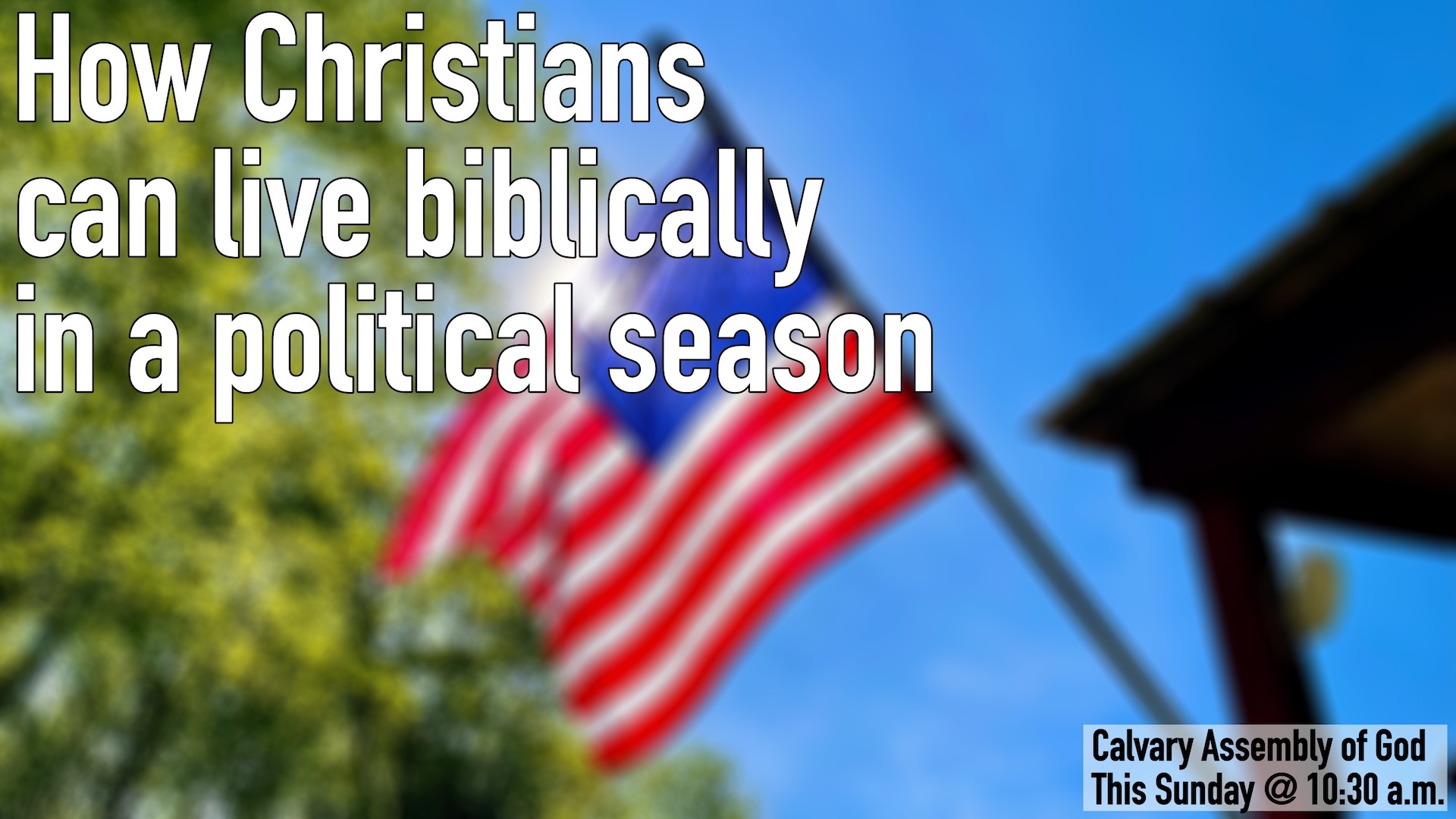
Much like Jude who had a message he wanted to deliver to the saints, but was compelled by the Holy Spirit to address something concerning him (Jude 3-4), I, too, was excited to deliver the next message in our series on discovering your gifts and then living in your gift zone. But I am deeply concerned about the words and actions of Christian saints during these past election cycles.
I recently heard John Stonestreet say, “Currently, politics is carrying far more cultural weight than it is able to bear.” I agree: Christians are putting far too much emphasis on political candidates than the Bible would suggest.
I frequently quote something from Charles Colson that always makes people smile. He said, “Salvation will never arrive in Air Force One.” The flip side is true as well: Neither will the Apocalypse arrive on Air Force One.
We have to remember that the Most High is sovereign over all the nations of the earth, and He gives them to whom He choose (Daniel 4:25, 32). When we think that our candidate or our party is the only way our nation can be saved, aren’t we elevating the political process above God’s plan?
I hope this doesn’t come as a shock to anyone, but there are no perfect candidates, perfect political parties, nor perfect party platforms. We can study our Bibles, pray, study the candidates’ lifestyle and policies, but ultimately we will have to cast a ballot for an imperfect candidate.
God doesn’t have an “R” or “D” next to His name. He has not endorsed a political candidate. You may be sitting next to someone right now that is going to vote for the opposite political party that you will be voting for. And the way we interact with those people—whether they are fellow Christians or not—is deeply concerning to me.
Moses saw a couple of fellow Israelites fighting each other, and he asked them, “Why are you hitting your fellow Hebrew” (Exodus 2:13). The Hebrew word rea means a friend who is also a fellow citizen. These Hebrews were citizens of Zion, but they were living in Egypt, and they definitely weren’t treating each other in a way that would be a testimony to the Egyptians.
When Stephen retold this portion of the story in his sermon, he phrased it this way, “Men, you are brothers” (Acts 7:25-26). Stephen used the Greek word adelphos which literally means “from the same womb.” But the Christians used this word to mean brothers and sister in Christ—people with whom we will spend eternity.
Let us always remember that others who are participating in the American political process are BOTH fellow US citizens AND brothers and sisters in Christ.
In J.R.R. Tolkien’s Return of the King, when Gandalf sees fellow citizens and friends at each other’s throats, he exclaims, “Work of the enemy! Such deeds he loves: friend at war with friend, loyalty divided, and confusion of hearts.” Indeed, the enemy of our souls would love to see the chaos of a nation at war with itself; especially to see Christians at odds with each other.
Paul said, “Therefore, as we have opportunity, let us do good to all people,especially to those who belong to the family of believers” (Galatians 6:10). On the flip side, Jesus said that when we think or speak poorly of a fellow human, we are in danger of judgment (Matthew 5:22).
Listen to Paul’s appeal to his friends at Philippi—
Therefore if you have any encouragement from being united with Christ, if any comfort from His love, if any common sharing in the Spirit, if any tenderness and compassion, then make my joy complete by being like-minded, having the same love, being one in spirit and of one mind.
I plead with Euodia and I plead with Syntyche to be of the same mind in the Lord. Yes, and I ask you, my true companion, help these women since they have contended at my side in the cause of the gospel, along with Clement and the rest of my co-workers, whose names are in the book of life. (Philippians 2:1-2, 4:2-3)
The politicians we have are always downstream from culture, which means we have allowed those sorts of politicians to be in place.
John Stonestreet used a phrase I hadn’t heard before, but I think it’s appropriate: “Christian political engagement should hit its fever pitch notduring elections. The only way to relieve the political pressures of our day is to build up the pre-political aspects of our life together, especially the family and the Church. When we care well for our children, our neighbors, and our communities, the state doesn’t have to.”How true this is!
I wrote something this summer based on Isaiah 3:4-5. In essence, I wrote that God gives nations the “leaders” they deserve. They are leaders in that they occupy an office, but they don’t lead people nor care for the citizens—they don’t have wisdom to lead nor do they care about anyone but themselves. This is the inevitable result for a nation that turns its back on God! So if we think our political and civic leaders are self-focused, unskilled, and childish, we should look in the mirror. It’s not “them,” it’s us. We have to change—turning wholeheartedly to God—and only then God can change our leadership.
We need to be praying for our governmental leaders, not vilifying them. We need to be speaking well of our fellow US citizens. We need to be especially treating our fellow brothers and sisters in Christ well.
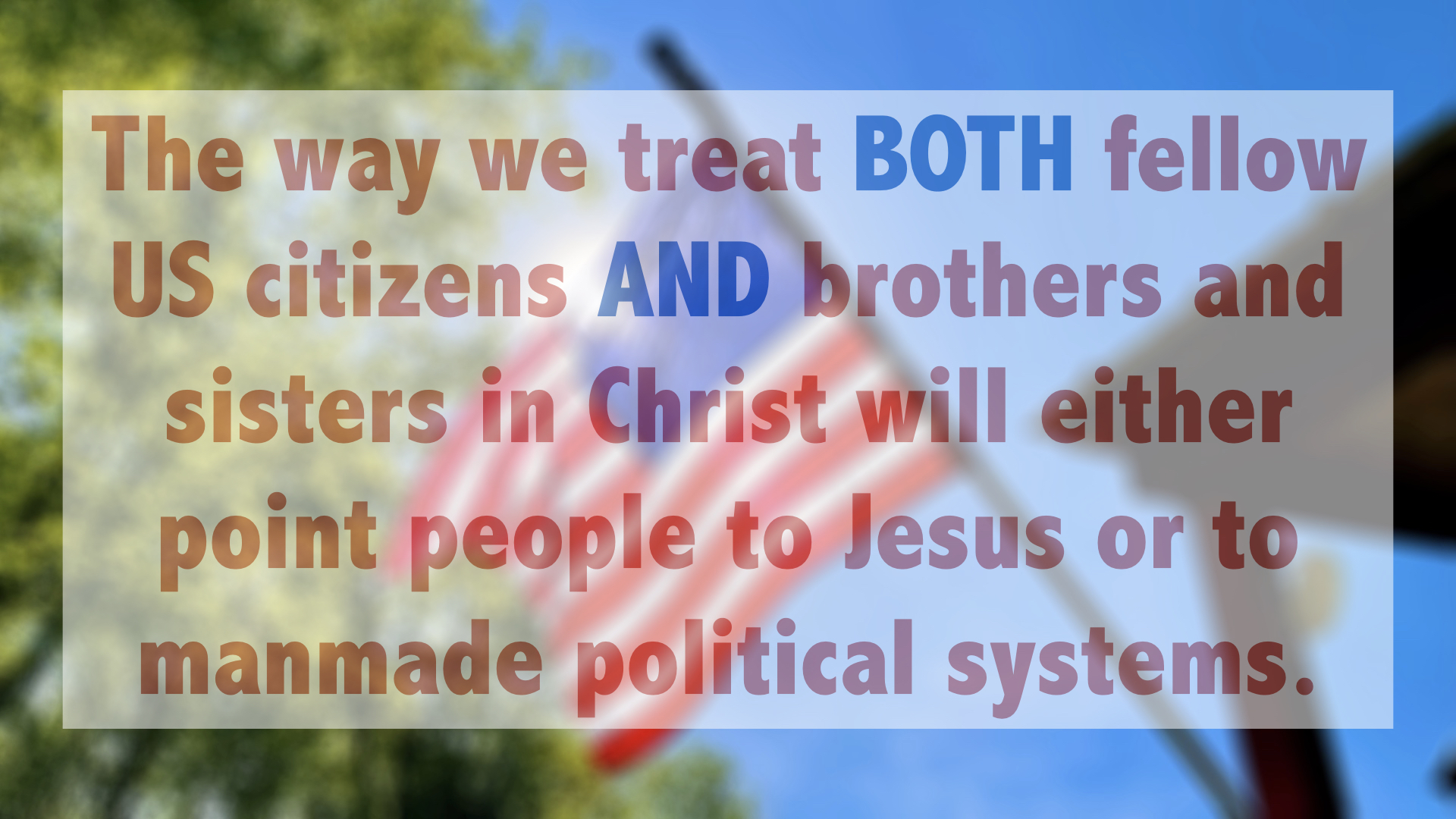
Our hope is not in the results of an election. Our hope is in Jesus. The way we treat BOTH fellow US citizens AND brothers and sisters in Christ will either point people to Jesus or to manmade political systems.
I pray we can do better at pointing people to Jesus! I pray I can do better!
Listen to the podcast of this post by clicking on the player below, and you can also subscribe on Apple, Spotify, or Audible.
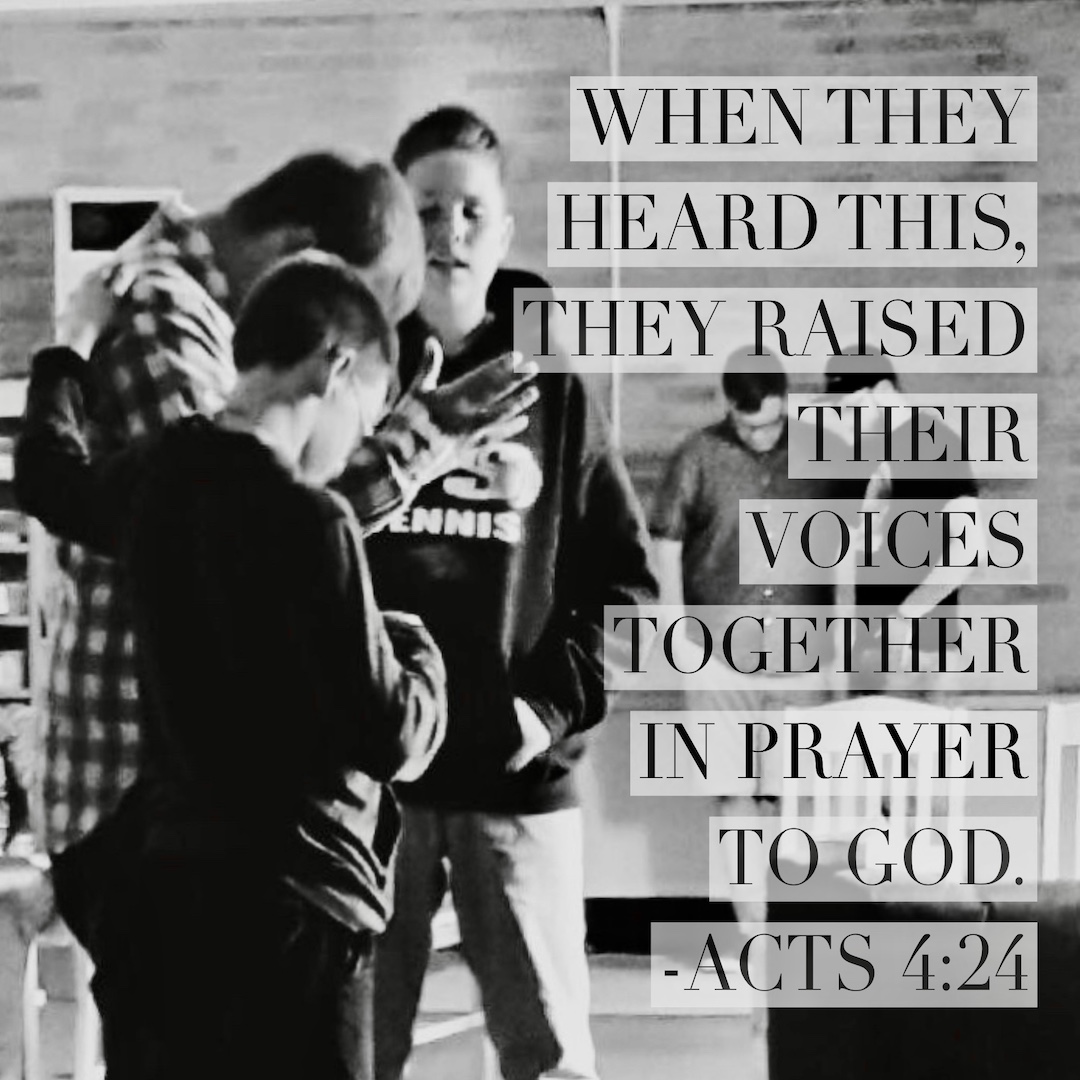
The Church heard the threats from the Sanhedrin, warning them not to talk about Jesus anymore. Their first response was to go to God: “When they heard this, they raised their voices together in prayer to God“ (Acts 4:24).
Not signing a petition or organizing a protest, but praying.
Not telling their friends to gain support, but praying.
Not attacking, but praying.
Not discussing, but praying.
Not strategizing, but praying.
Not complaining, but praying.
Not individually, but together.
Not later, but immediately.
Not going through the motions, but passionately.
Not aimlessly, but guided by Scripture.
Not humdrum, but expecting God’s power from on high.
Not for vengeance, but for a testimony.
God answered the Church powerfully!
Then the people moved out boldly—“And when they had prayed, the place where they were assembled together was shaken; and they were all filled with the Holy Spirit, and they spoke the word of God with boldness” (Acts 4:31).
Oh, for this type of unifying action today! It starts with prayer!
Listen to the podcast of this post by clicking on the player below, and you can also subscribe on Apple, Spotify, or Audible.
The first Church in the Book of Acts could have easily become the first two churches right from the beginning. Why? Because of a deep disagreement that pitted two camps against each other.
Unity was ultimately maintained because they all agreed to only listen to the counsel that agreed with Scripture.



 Jude calls Christians to contend for the faith without contention and without compromise. As we wrap up this series, there is one final question that we should ask: What are we contending for?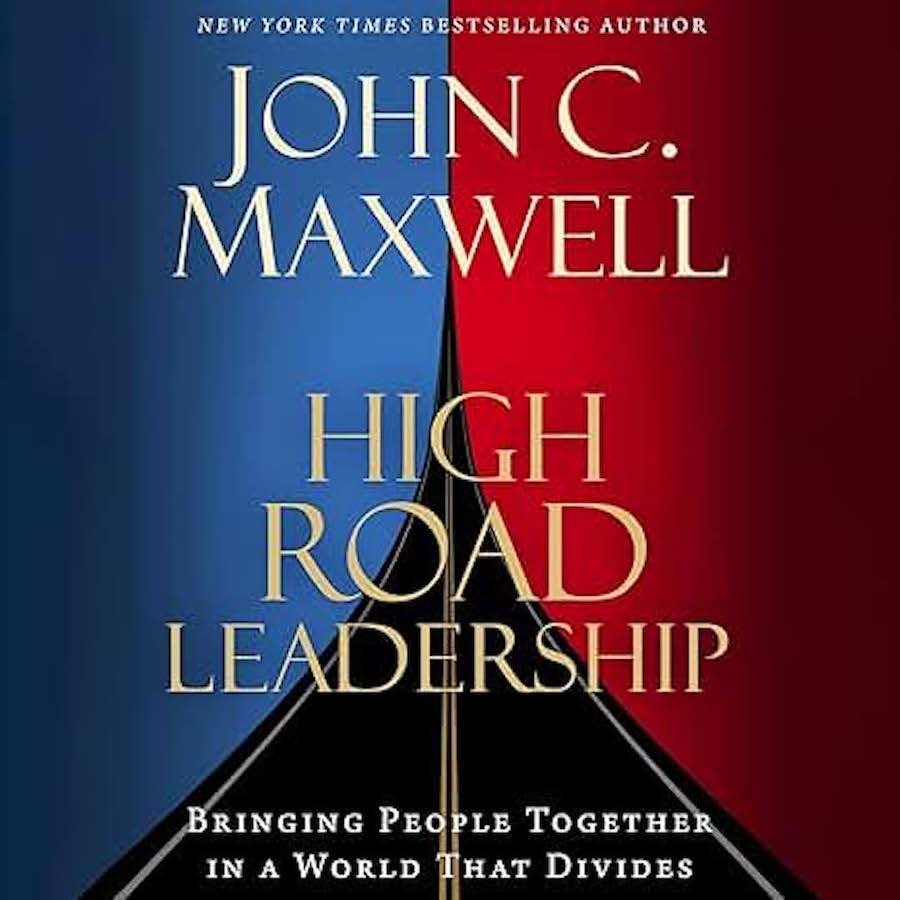




 Craig T. Owens