Listen to the podcast of this post by clicking on the player below, and you can also subscribe on Apple, Spotify, or Audible.
T.M. Moore is an esteemed theologian and a good friend. I was excited to discover someone who shared my passion for viewing pastoring as “pasturing”—seeing ourselves as under-shepherds following The Chief Shepherd Jesus.
Listen to the audio-only version of this podcast by clicking on the player below, or scroll down to watch the video.
Accepting a new position is a very exciting experience! Whether it’s a promotion in your current organization or an opportunity elsewhere, it’s very tempting to want to immediately throw your full attention into the next project. In this episode, Greg and I discuss the necessity of maintaining a balance between that excitement and recognizing that the people on your team now still need your leadership. This might create more work for you in the short term, but the long-term benefits of transitioning well will be huge for you!
[0:33] Any fresh starts for leaders have to be handled thoughtfully.
[2:44] Leaders of integrity give their best effort all the way to the end.
[4:08] How can we maintain a humble attitude when we have been selected to be promoted to a new position?
[6:08] There are different things to keep in mind when moving to a new position in the same organization vs. moving to a new organization.
[8:02] Both of us share stories about friends who benefitted by leaving their old organizations well, and they identify what the true litmus test for leaving well is.
[10:14] Greg also has a negative example to share.
[11:03] How do senior leaders handle coworkers who leave poorly?
[13:06] How do we keep ourselves from being distracted by our new position while we attempt to finish well in our old position?
[16:15] How do we arrive well in our new position?
[18:35] We need to always keep in mind that we are leaving or joining a team of many—we aren’t a team of one.
[22:57] Finishing well is a compliment to the organization you are leaving, and beginning well is a compliment to the organization you are joining.
Check out this episode and subscribe on YouTube so you can watch all of the upcoming episodes. You can also listen to our podcast on Spotify and Apple.
Listen to the podcast of this post by clicking on the player below, and you can also subscribe on Apple, Spotify, or Audible.
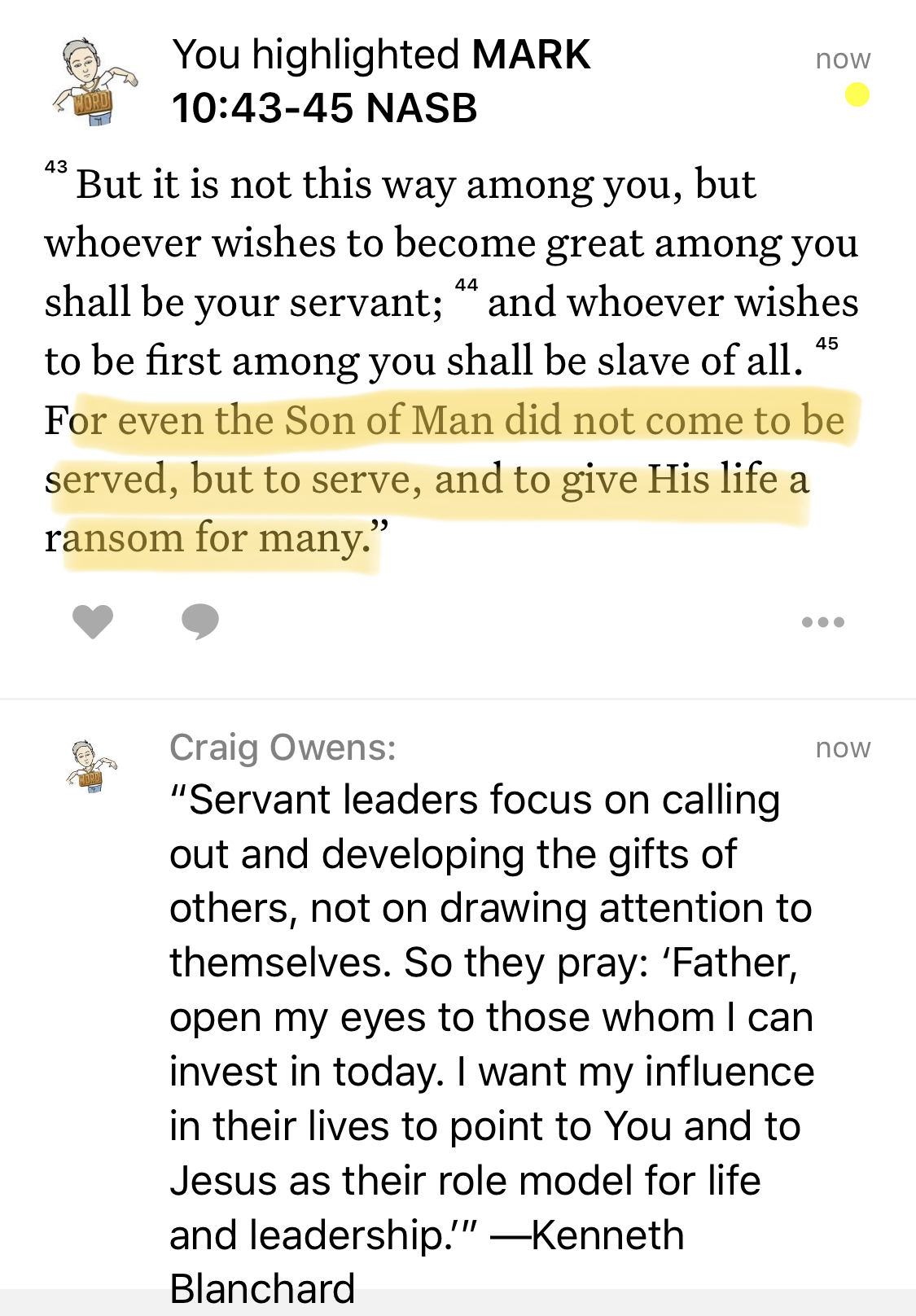
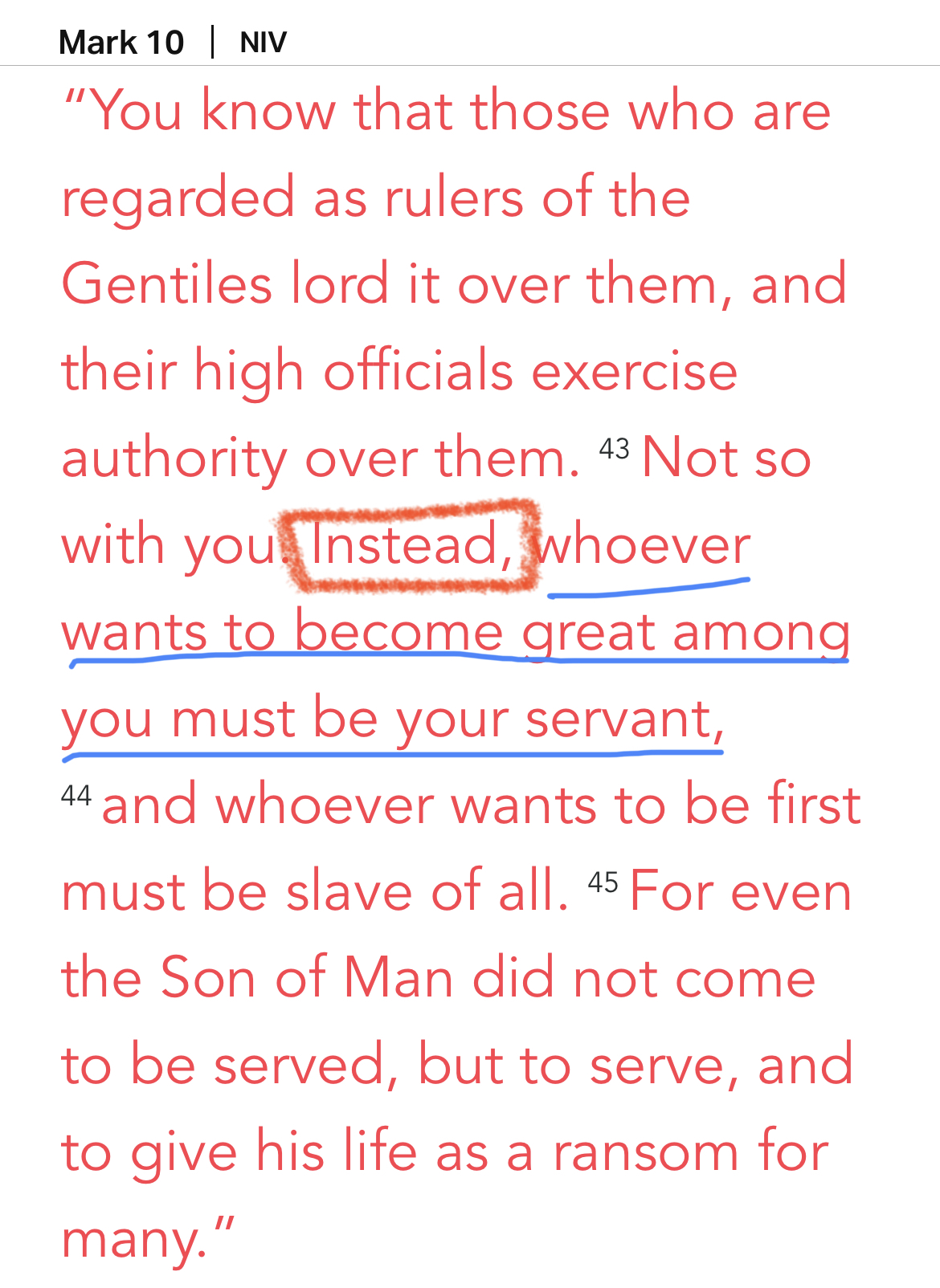
So Jesus called them together and said, “You know that the rulers in this world lord it over their people, and officials flaunt their authority over those under them. Not so with you. Instead…” (Mark 10:42-43).
A Christlike leader is an “instead” leader.
Instead of exercising authority, exercising humility.
Instead of being served, serving everyone else.
Instead of being first in line, being last in line.
Instead of seeking recognition, seeking anonymity.
Instead of collecting titles, collecting calluses.
Instead of receiving, giving.
Jesus, help me to be an “instead” leader—to strive to more consistently lead like You.
Listen to the audio-only version of this podcast by clicking on the player below, or scroll down to watch the video.
No need to call anyone out, but when I say “difficult peer” at least one person probably comes to mind right away, right? So what’s the solution: ignore them, scream, tear your hair out? Greg and I think there’s a better solution. In this episode, we walk through how we’ve dealt with difficult peers in the past and give actionable advice on how your leadership and coaching can help them improve.
[0:16] We are continuing our series about leading difficult people from wherever you are in your organization.
[1:24] Our goal as leaders should be to figure out why a particular peer is so difficult to work with.
[2:00] A warning about the least productive thing you can do when you are frustrated with a coworker.
[3:44] A great example from Jesus for those striving to be servant leaders.
[5:17] Some questions to ask ourselves to determine if our difficult teammates are coachable.
[7:31] We need to learn the best ways to communicate with our teammates.
[9:18] Where does mistrust play a role in these difficult situations?
[13:13] Leaders at every level need to learn the art of diplomacy.
[15:02] Where does defeatism come into play?
[17:03] A shepherd’s heart must be cultivated for us to lead well—especially leading difficult peers.
[18:45] “When you’re ready” is a great posture for a leader, but it must be lived out.
Check out this episode and subscribe on YouTube so you can watch all of the upcoming episodes. You can also listen to our podcast on Spotify and Apple.
Listen to the podcast of this post by clicking on the player below, and you can also subscribe on Apple, Spotify, or Audible.
When God spoke to the “princes of Israel,” He was speaking to those in leadership positions. They were men who had wealth, position, and a high level of influence. God called them to live up to their title as “prince” because leadership is a high and holy calling given by God.
They are to be peacemakers, never men of violence nor oppression (45:9).
They are to be fair, consistent, and impartial in their interactions with others (45:10).
They are to generously provide for the people under their care (45:15-17, 22; 46:13-14).
They are to have a “get to do it” attitude toward their duties, not a “have to do it” attitude” (46:5, 7, 11).
They are to be among their people, not aloof nor isolated from them (46:10).
They are to provide for their family without impoverishing the people under their care (46:18).
Since God calls leaders, He will also call them to account. Jesus made it clear that there are only one-of-two assessments that leaders will hear from God:
Well done, good and faithful servant
You wicked, lazy servant
Let me say it again: Leadership is a high and holy calling. So…
A mark of a godly leader is one who joyfully and faithfully fulfills God’s leadership call.
This is part 67 in my series on godly leadership. You can check out all of my posts in this series by clicking here.
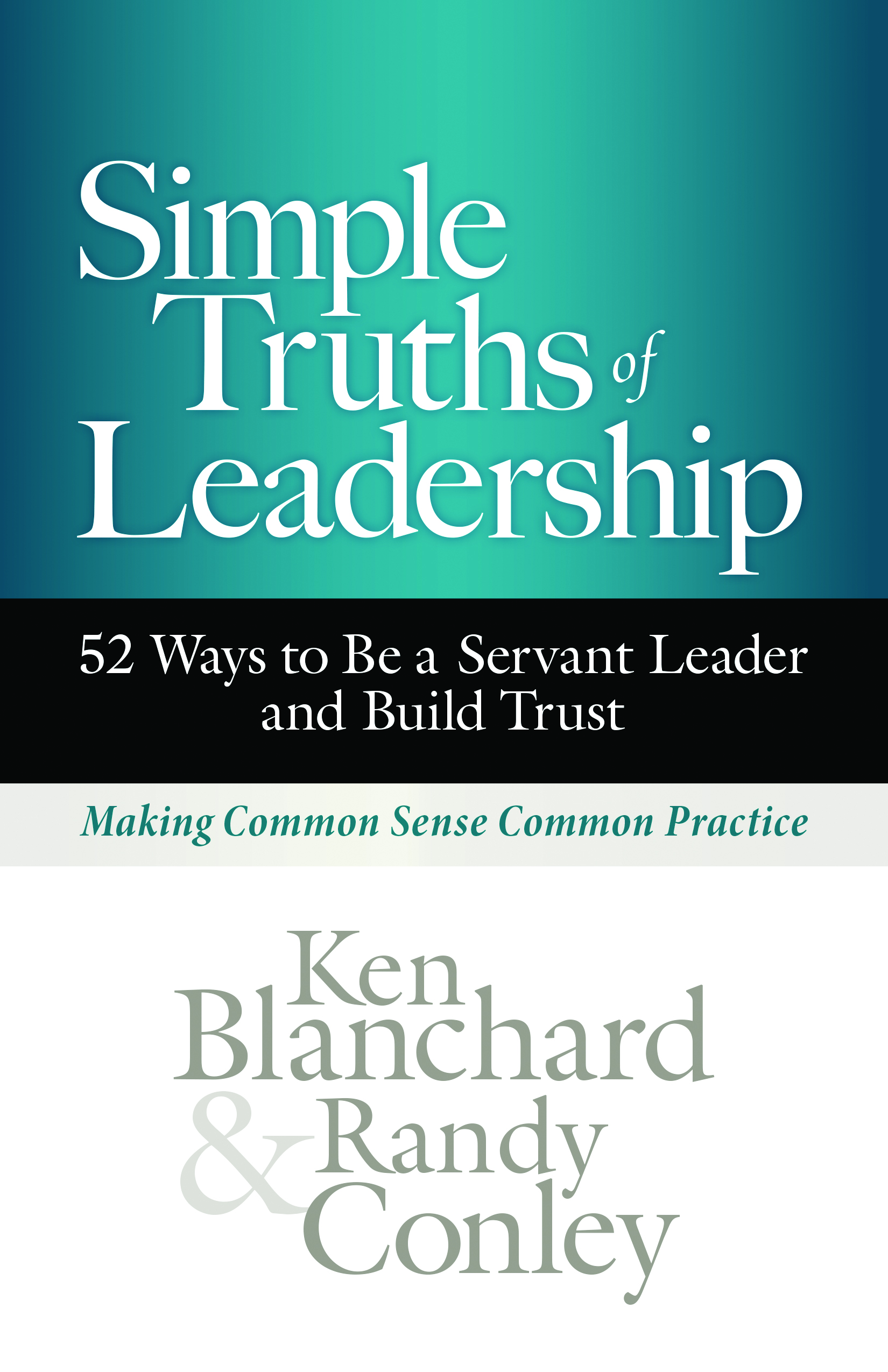
Kenneth Blanchard and Randy Conley have given leaders a gift in Simple Truths of Leadership. Inside you will find 52 leadership lessons that can be immediately added to your leadership toolbox, and ample follow-up information if you want to dive deeper into any of these principles. Check out my full book review by clicking here.
“If today’s leaders had a more commonsense approach to leadership, we’d venture to say that 65 to 70 percent of the workforce would not be considered disengaged. That’s one reason our original title for this book was ‘DUH! Why isn’t commonsense leadership common practice?’”
“The most persistent barrier to being a servant leader is a heart motivated by self interest that looks at the world as a ‘give a little, take a lot’ proposition. … If leaders don’t get their heart right, they will never become servant leaders.”
“Organizational leaders often have an either/or attitude toward results and people. … You can get both great results and great relationships if you understand the two parts of servant leadership: the leadership aspect focuses on vision, direction, and results; the servant aspect focuses on working side-by-side in relationship with your people.”
“Empower your people by letting them bring their brains to work.”
“When people are off track, don’t reprimand them—redirect them.”
“The best minute servant leaders spend is the one they invest in people.”









 Craig T. Owens