Thursdays With Spurgeon—Holding Two Extreme Truths

This is a weekly series with things I’m reading and pondering from Charles Spurgeon. You can read the original seed thought here, or type “Thursdays With Spurgeon” in the search box to read more entries.

Holding Two Extreme Truths

     This is a deep, unsearchable mystery. Man walks without a leash yet treads in the very steps that God ordained him to tread in as certainly as though manacles had bound him to the spot! Man chooses his own seat, selects his own position; guided by his will, he chooses sin, or guided by divine grace, he chooses right. And yet in His choice God sits as sovereign on the throne, not disturbing but still overruling and proving Himself to be as able to deal with free creatures as with creatures without freedom. As able to effect His purpose when He has endowed men with thought and reason and judgment, as when He had only to deal with the solid rocks and with the imbedded sea.

     O Christians! You will never be able to fathom this, but you may wonder at it. I know there is an easy way of getting out of this great deep either by denying predestination altogether or by denying free agency altogether. But you can hold the two: You can say, “Yes, my consciousness teaches me that man does as he wills, but my faith teaches me that God does as He wills, and these two are not contrary the one to the other. And yet I cannot tell how it is. I cannot tell how God effects His end. I can only wonder, and say, ‘Oh, the depth of the riches both of the wisdom and knowledge of God! How unsearchable are His judgments and His ways past finding out!’” (Romans 11:33). Every creature is free and doing as it wills, yet God is freer still and doing as He wills not only in heaven, but also among the inhabitants of this lower earth. 

From The Infallibility Of God’s Purpose

The debate has raged for years: predestination vs. freewill. 

People will sometimes ask me, “Are you a Calvinist (predestination) or an Arminian (freewill)?” And I always give the same answer, “Yes, I am a solid Cal-minian!” As with most things that are difficult for our finite, human minds to grasp about God’s nature, the answer is not either-or but it’s both-and.

C.S. Lewis captured the same sentiments as Spurgeon. Lewis always said the best course between two immovable ideas was right between them. He added, “Heaven will solve our problems, but not, I think, by showing us subtle reconciliations between all our apparently contradictory notions. The notions will all be knocked from under our feet. We shall see that there never was any problem” (emphasis mine).

Spurgeon would agree—there never was any problem, at least not with God. Any problems of understanding are in ourselves, not in Him. So far better than choosing one over the other, choose the both-and, and then stand in awe and wonder and worship that our infinite God is sovereign over all. Even over our puny, limited theologies and doctrines. 

7 More Quotes From “Start With The Heart”

Dr. Kathy Koch has given parents—and anyone else who works with children—a marvelously helpful resource in her latest book Start With The Heart. Be sure to check out my full book review by clicking here. 

“God created you and your children with five core, basic needs that must be met. These needs are interrelated. The health of one influences the others:

  • Security—who can I trust?
  • Identity—who am I?
  • Belonging—who wants me?
  • Purpose—why am I alive?
  • Competence—what do I do well?” 

“Children who know their purpose will often choose to look for peers with similar goals and interests. They will want to hang out with people who affirm them and their purpose and be willing to end relationships that are not joyful and purposeful.” 

“When you parent so your children believe three things, their hearts will be impacted and they will be motivated to succeed. This translates into less stress and anxiety and more peace. … Children who believe these things don’t want to be average. They are willing to work for more. … Children’s character will be more Christlike. They’ll want to be more others-centered than self-centered. They’ll be compassionate, brave and able to stand up for themselves and others. 

  1. I have value. Children who do know they have value are often motivated intrinsically, from the inside. They internally recognize what is good for them and respond accordingly.
  2. Learning matters. When children believe they have worth, they are more likely to value learning. … Children who value learning will exhibit many positive character traits, including teachability. This will be true even when they are not convinced that your requests or planned activities are relevant. They’ll pay attention anyway because they know they matter and learning matters. These beliefs strengthen children’s purpose and give rise to competence.
  3. My future can be bright.” 

“Which is better: ‘Be on time!’ or ‘Don’t be late!’? Do you hear the difference? Which one is positive? ‘Be on time’ communicates ‘I believe you’re capable of this.’ It’s more hopeful. It’s about what you want your children to do. ‘Don’t be late’ reminds them of how they’ve frustrated you.” 

“Carol Dweck…has consistently found that children praised for using effort tackled more challenging tasks than those praised just for ability or for the quality of their work.” 

“Sometimes have children tell you what they think they did before you offer your opinions. If they are relatively accurate, affirm them specifically. When they’re not, have the conversation.” 

“Working to provide feedback that can be described with the following attributes will serve you and your children well—specific, believable, helpful, and thoughtful.” 

You can also check out the first set of quotes I shared from Start With The Heart by clicking here.

Symbolic Hebrew Names In The Old Testament

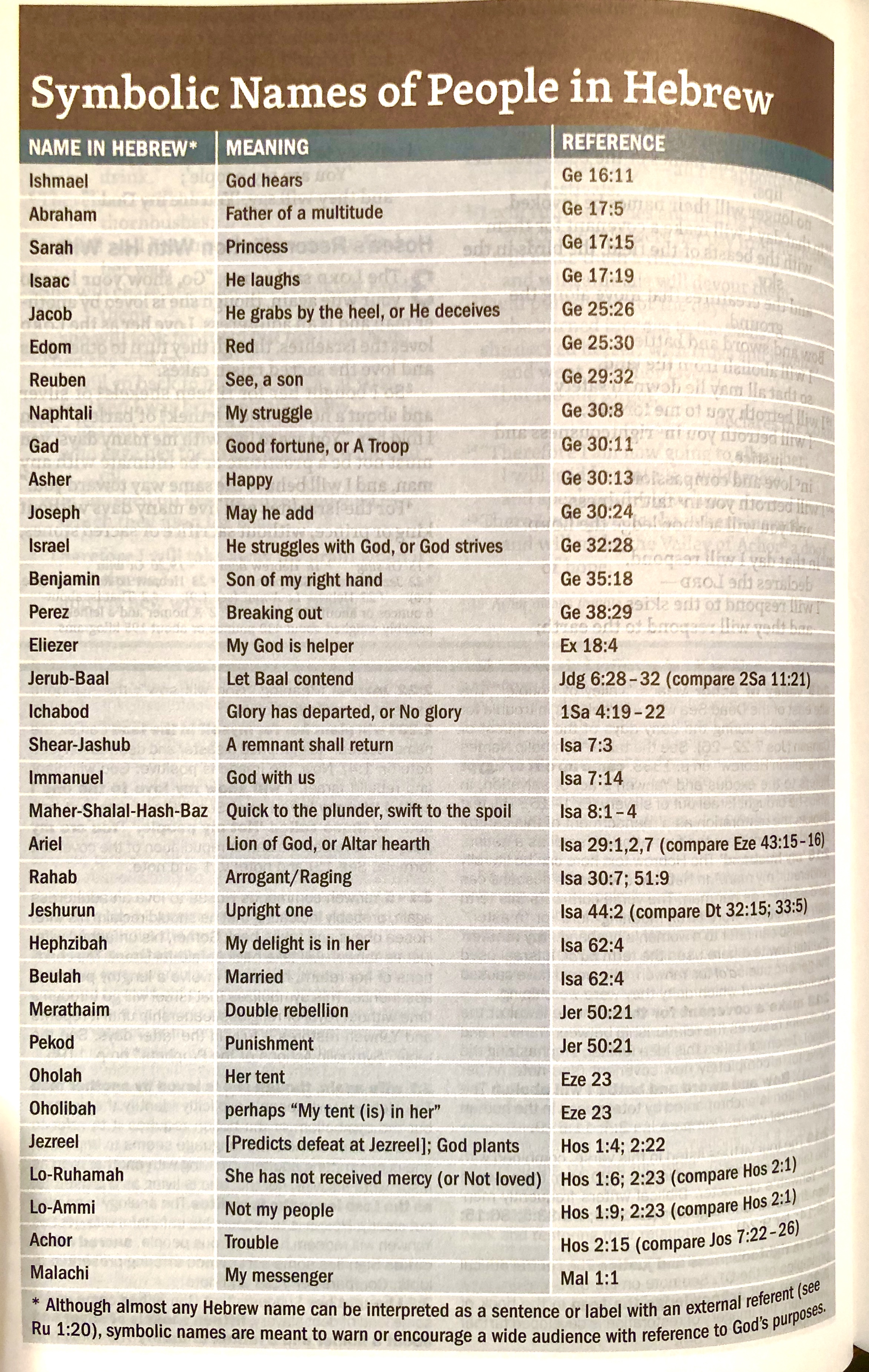
In studying for our ongoing series Major Lessons From Minor Prophets, I came across this chart in my Faithlife Illustrated Study Bible. This isn’t an exhaustive list by any means, but it is a good list to get you started on your own Bible study. 

I always find it fascinating when God names something, or instructs parents to name their children, or especially when a name gets changed. Many study Bibles contain a footnote by these names to give you the Hebrew or Greek definition, so don’t breeze by those too quickly! 

You can also find this list from the Faithlife Bible by clicking here. 

Happy studying! 

P.S. I also invite you to check out this name change which all of us can relate to!

Do It! [reblog]

[I originally posted this about 10 years ago(!), but recently came across it as I was studying the book of Ezekiel. I hope you (re)enjoy this classic.]

Here’s what God said to His people—five times!—through the prophet Ezekiel, “I will judge you according to your conduct.”

It’s not what I believe. It’s not what I discuss. It’s not what I intend to do. It’s not what I know is right and wrong. It’s what I do.

I have to give an account for my conduct. I have to answer to God for how I lived out my beliefs. I have to show God what I did with what I believed about Him. I have to put into practice what’s in my heart.

Do I believe God is God? Do I have idols?

Do I believe God is holy? Do I sin?

Do I believe God forgives? Do I repent?

Do I believe God looks after orphans and widows? Do I?

Do I believe God is my Provider? Do I steal? Do I get jealous or envious?

Do I believe He is Lord? Do I give Him control of everything?

Do I believe I should do something for the hungry, thirsty, naked, sick and imprisoned? Do I actually do something?

What God judges is not just godly beliefs, but godly actions motivated by those godly beliefs.

Don’t just believe it … do it.

A Bizarre Sermon Illustration

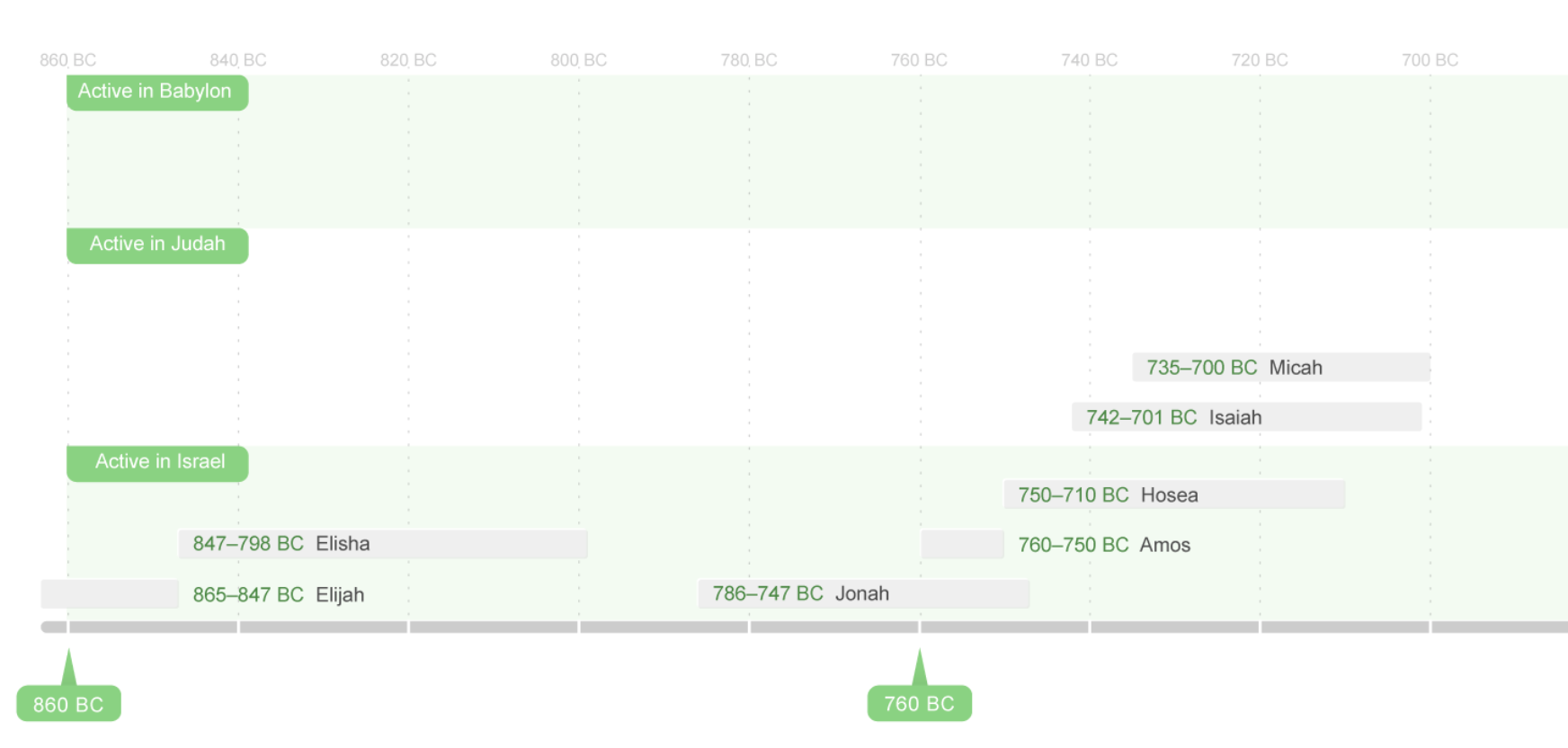
Hosea is the only prophet from Israel (he calls the Israelite king “our king” in 7:5), and along with Amos he is the only prophet to address the northern kingdom exclusively. Hosea addresses the northern tribes of Israel with brutal honesty—he calls them an adulteress wife! Hosea isn’t alone in saying this, as Isaiah, Jeremiah, and Ezekiel all same the same thing too. 

But Hosea alone is called on to live out his message in a most unusual way: God instructs him to marry “an adulterous woman”! The question is: was she already a promiscuous woman before they married? Or did she become unfaithful after they were married? 

I believe that she became unfaithful after marriage. When Gomer gives birth to their first son, Hosea writes that “she bore him a son”—indicating he is the father. But with Gomer’s second and third pregnancies, Hosea simply writes, “she gave birth,” leading me to think that Hosea wasn’t the father of those children. 

The names of the children are also interesting: 

  • Jezreel—This boy’s name means “God sows.” It is a neutral word meaning either sowing good seed and reaping a healthy harvest, or sowing godlessness and reaping punishment. 
  • Lo-Ruhamah—Her name means “not pitied.” God indicates that He will bring a judgment on Israel that is deserved justice. He has been patiently calling them to repentance but they kept running farther away from Him. 
  • Lo-Ammi—This boy’s name is saddest of all. It means “not My people. 

How sad! Can you imagine Hosea’s heartache?! Can you imagine God’s heartache?! God tells Hosea the penalty for their adulterous life (Hosea 2:2-13), which the apostle Paul would later sum up in these straightforward words: the wages of sin is death (Romans 6:23). 

“YET” and “THEREFORE”…

In the middle of God expressing His heartache over His wayward wife He says two amazing words “Yet” and “Therefore” (1:10; 2:14). 

  • Yet I will bless you and reverse your misfortune” 
  • Therefore I will allure you and speak tenderly to you” 

This is UNBELIEVABLE!! Who would respond like this to such vile unfaithfulness?! 

God would.

God did! But God shows and clearly proves His own love for us by the fact that while we were still sinners, Christ—the Messiah, the Anointed One—died for us (Romans 5:8). 

Hosea—whose name means salvation—is called on to do exactly what Jesus did for us. Hosea buys back his wife from her master. Hosea pays the price for Gomer’s sin, just as Jesus paid the price for our sin. 

What amazing love God has for us! 

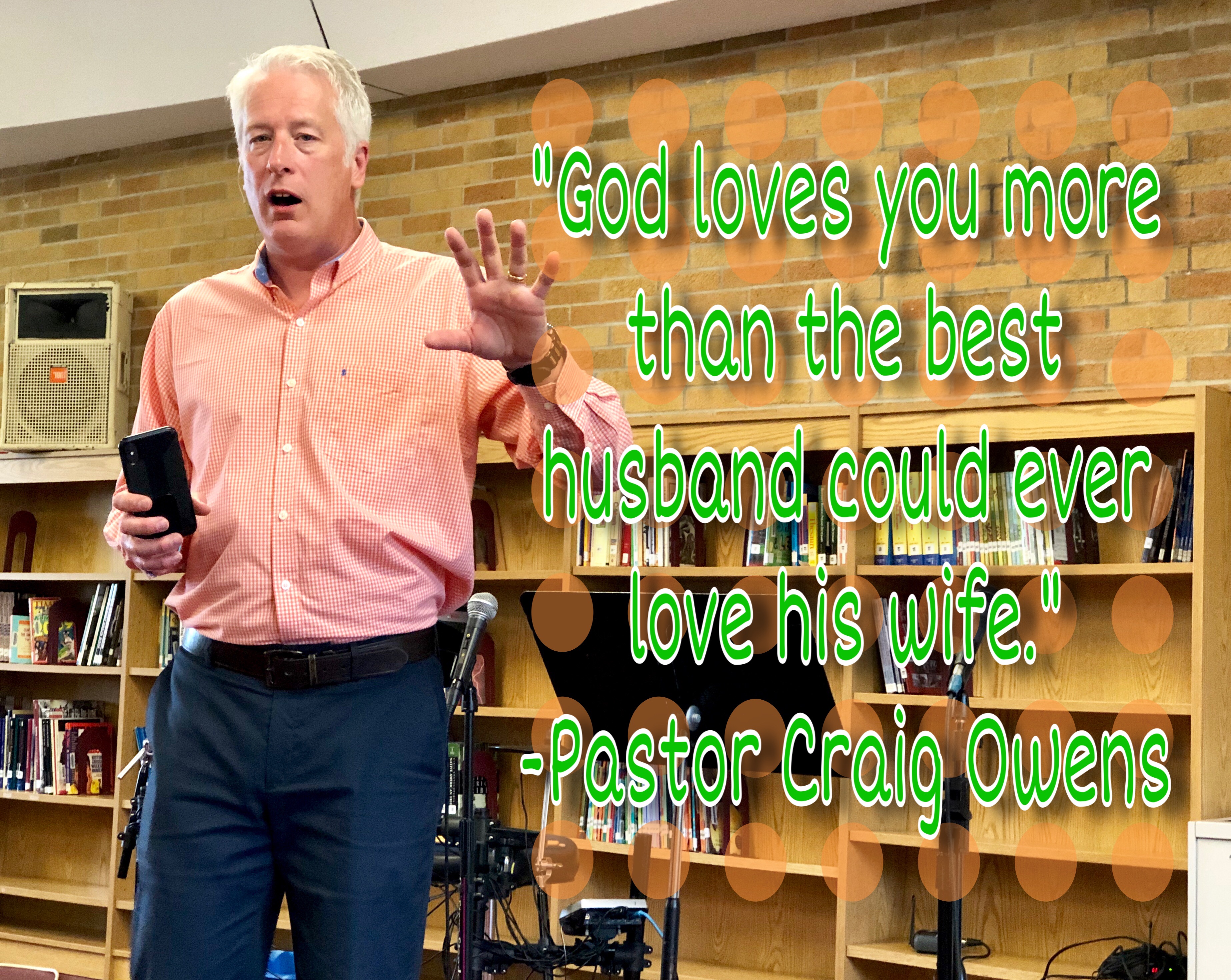
You have never lived an unloved day in your life. Not a single one! God loves you more than the best husband could ever love his wife. He paid for your forgiveness and your freedom. Will you receive that forgiveness and restoration today?

Join me next Sunday as we learn more major lessons from the minor prophets. 

Poetry Saturday—Before Jehovah’s Awesome Throne

Before Jehovah’s awesome throne,
O nations, bow with sacred joy;
Know that the Lord is God alone,
He can create, and He can destroy.

His sovereign power without our aid
Made us of clay and formed us men;
And when like wandering sheep we strayed,
He brought us to His fold again.

We are His people, we His care,
Our souls and all our mortal frame.
What lasting honors shall we rear,
Almighty Maker, to Your name?

We’ll crowd your gates with thankful songs,
High as the heavens our voices raise;
And earth with all its thousand tongues
Shall fill Your courts with sounding praise.

Wide as the world is Your command,
Vast as eternity Your love;
Firm as a rock Your truth shall stand
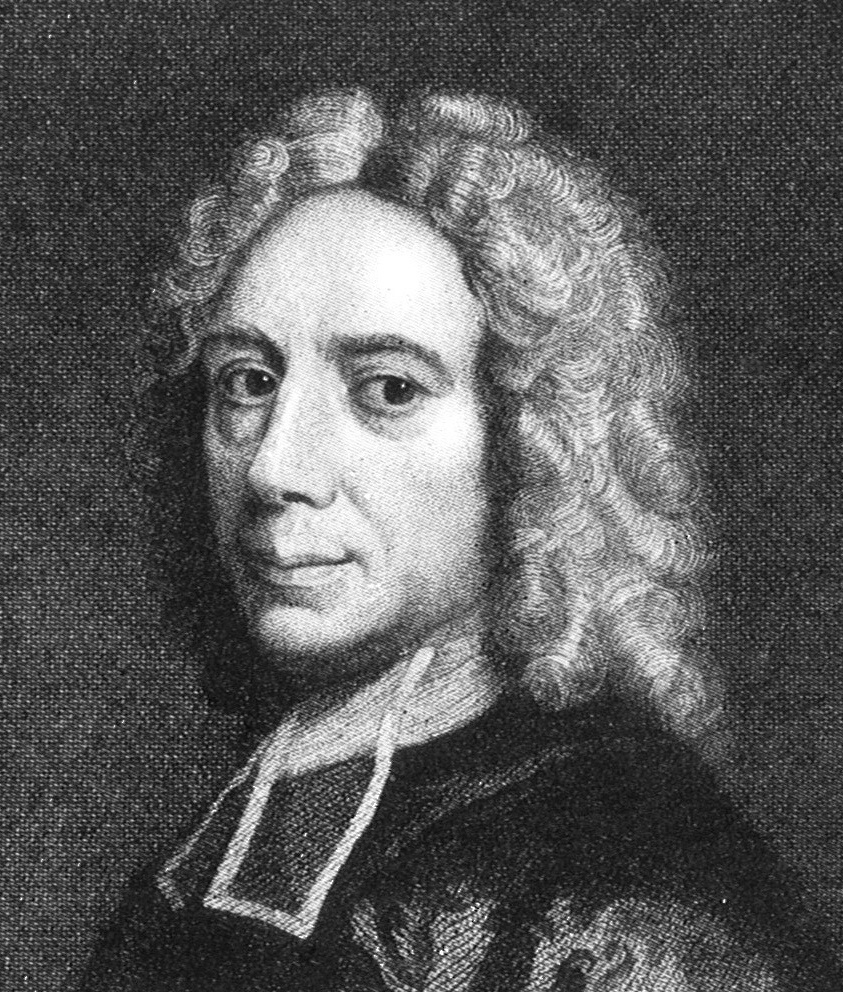
When rolling years shall cease to move. —Isaac Watts

Thursdays With Spurgeon—Rejoicing In God’s Unchangeableness

This is a weekly series with things I’m reading and pondering from Charles Spurgeon. You can read the original seed thought here, or type “Thursdays With Spurg

e search box to read more entries.

Rejoicing In God’s Unchangeableness

But He is unchangeable, and who can turn Him? And what He wants to do, that He does” (Job 23:13 AMP).

     Some shallow thinkers dream that the great plan and design of God was thrown out of order by the fall of man. The fall they consider all accidental circumstances, not intended in the divine plan, and thus God, being placed in a delicate predicament of requiring to sacrifice His justice or His mercy, used the plan of the atonement of Christ as a divine expedient. … I am persuaded that the very fall of man was a part of the divine purpose: that even the sin of Adam, though he did it freely, was nevertheless contemplated in the divine scheme and was by no means such a thing as to involve a digression from His primary plan. …  

     And when later the gospel was sent to the Jews, and they resisted it and Paul and Peter turned to the Gentiles, do not suppose that God had to take down His book and make an eraser or an amendment. No, the whole was written there from the beginning. He knew everything of it. He has never altered a single sentence nor changed a single line of the divine purpose. … 

     It is a sweet consolation to the mind of one who muses much upon these deep matters that God never has changed in any degree from His purpose.

From The Infallibility Of God’s Purpose 

God has a plan for all of His creation. ALL of His creation—that includes you! 

You were made on purpose and for a purpose. God’s original plan of sending Jesus for your salvation still stands. God’s original plan for your particular life—with all of your talents, gifts, personality, and uniqueness—is unaltered by any circumstance. 

YOU have immeasurable value and worth because God created YOU. 

Intimate Prayer Requests

“When you bring Me prayer requests, lay out your concerns before Me. Speak to Me candidly; pour out your heart. Then thank Me for the answers that I have set into motion long before you can discern results. When your requests come to mind again, continue to thank Me for the answers that are on the way. If you keep on stating your concerns to Me, you will live in a state of tension. When you thank Me for how I am answering your prayers, your mind-set becomes more positive. Thankful prayers keep your focus on My presence and My promise.” —Jesus (in Sarah Young’s 40 Days With Jesus)

6 Quotes From “Do More Better”

Tim Challies has a highly practical guide to helping you learn how to be more productive for God’s glory. Check out my full book review by clicking here. 

“Productivity is not what will bring purpose to your life, but what will enable you to excel in living out your purpose.” 

“Your good works make God look great before a watching world.” [see Titus 3:8; Galatians 6:10; 1 Peter 4:10-11; Matthew 5:16] 

“What is productivity? Productivity is effectively stewarding my gifts, talents, time, and enthusiasm for the good of others and the glory of God.” 

“The absence of productivity or the presence of woefully diminished productivity is first a theological problem.” 

“You do not exist in this world to get things done. You exist to glorify God by benefiting others.” 

“Idolatry: taking on the tasks that glorify us, not the tasks that glorify God.” 

Do More Better (book review)

We all have the same 168 hours in our week, but why does it seem like some people get so much more done in the same amount of time? No, there isn’t a secret formula, but Tim Challies does share some insightful principles that can help all of us Do More Better.

Tim’s approach is a spiritual one. He wants us to be more productive and effective not so we can receive accolades, but so that God is glorified in our lives. If a Christian is disorganized or unproductive, a watching world can’t see God as clearly. But a thoughtful, purposeful, productive Christian gets others’ attention and points them to God’s glory. 

Tim begins by helping us understand what productivity is and isn’t. From that foundation, he guides us through how to look at our lives in all its different roles, and then shares tools and techniques for doing more better in every area of our lives. Along the way, Tim shares both some online tools and some paper-and-pen tools that can be used to help us keep our productivity humming along. 

This isn’t a long book nor a difficult book to process. In fact, you will be able to start making steps toward greater productivity right from chapter one! If you want to do more better—and glorify God in the process—check out Do More Better.

Check out some bonus resources that go along with this book by clicking here.