


Listen to the podcast of this post by clicking on the player below, and you can also subscribe on Apple, Spotify, or Audible.
 Like it or not, your example as a leader is making an impact on all the people around you—including the next generation of leaders who will take their positions after you have passed away.
So I have a simple question for you: Are you setting them up for success or failure?
There is no middle ground.
Consider three generation of kings of Judah—Hezekiah, Manasseh, and Amon.
Hezekiah had been sick and God miraculously healed him. When Merodach-baladan, king of Babylon, heard about this, he sent envoys to see King Hezekiah. Instead of bragging on God, Hezekiah bragged about all of his riches.
After the envoys left, the prophet Isaiah told Hezekiah the consequences of his pride—
“Behold, the days are coming when everything that is in your house, and what your fathers have stored up to this day, will be carried to Babylon; nothing will be left,” says the Lord. “And some of your sons who will come from you, whom you will father, will be taken away, and they will become eunuchs in the palace of the king of Babylon.” (Isaiah 39:6-7)
Sadly, Hezekiah responded, “At least it won’t impact me.”
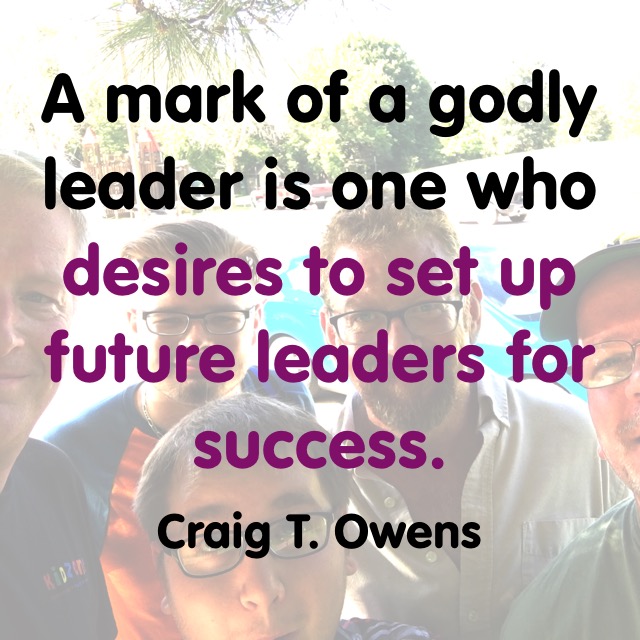
A mark of a godly leader is one who desires to set up future leaders for success.
His son Manasseh became one of the most evil, godless kings that Judah had ever known. And as a result, he experienced the punishment that Isaiah had prophesied.
Thankfully, Manasseh eventually humbled himself, repented of his sin, and got to experience God’s restoration to a small degree—
When he was in distress, he appeased the Lord his God and humbled himself greatly before the God of his fathers. When he prayed to Him, He was moved by him and heard his pleading, and brought him back to Jerusalem to his kingdom. Then Manasseh knew that the Lord alone is God. (2 Chronicles 33:12-13)
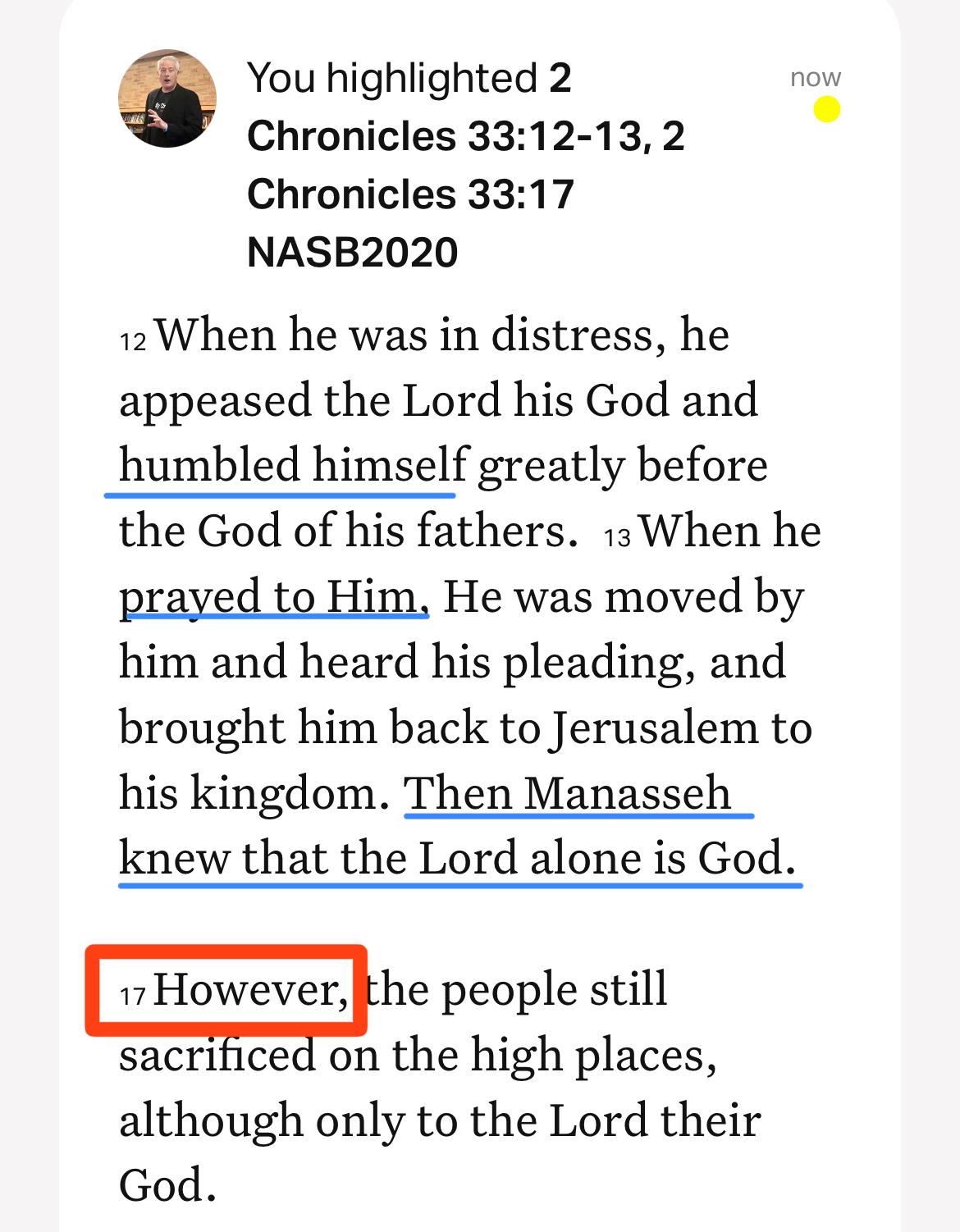 But there is a sad “however” for Manasseh’s son Amon: However, the people still sacrificed on the high places (2 Chronicles 33:17). This mixing of the worship of God with the worship of pagan idols always pulls people away from God. It certainly did that for Amon because “he did evil in the sight of the Lord, just as his father Manasseh had done. For he walked entirely in the way that his father had walked, and served the idols that his father had served, and worshiped them” (2 Kings 21:20-21). “Furthermore, he did not humble himself before the Lord as his father Manasseh had done, but Amon multiplied his guilt” (2 Chronicles 33:23).
Godly leaders should be just as concerned about the people that come after them as they are about the people around them now. Godly leaders strive to set up future generations for success—so they can receive God’s continued and increased blessings.
This is part 78 in my series on godly leadership. You can check out all of my posts in this series by clicking here.
►► Would you please prayerfully consider supporting this ministry? My Patreon supporters get behind-the-scenes access to exclusive materials. ◀︎◀︎










 Craig T. Owens