National Sin And Repentance

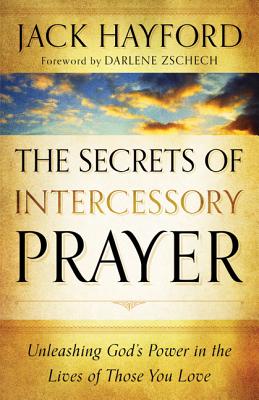
The Secrets of Intercessory Prayer“It is a sad thing when a nation’s sins accumulate to the point that God says, ‘Here, if you want that, you can have all of it and the hideous things that come with it. You have removed yourself from My mercy and its preventative grace.’ Preventative grace is a term we use to describe the merciful actions of God—essentially unseen in their execution and, by many, seldom honored because God’s kindness is presumed to be our right (if indeed He does exist, as unbelievers say). …America, for instance, has invited God out of its life, His Word out of its educational system and His moral values out of its laws. The plagues of venereal disease, gang warfare, teen suicide, divorce (the list could go on) are the direct outflow of the darkness to which our land has surrendered. However, our nation has not yet been swamped to the point of complete ruin—and therein is our call. As people who know our God, prayer for our land can bring healing. The passage is a virtual signal flag, summoning us with the assurance that it is not too late yet. God’s mercy promises that with our intercession, ‘Help is on the way!’ (see 2 Chronicles 7:14; 1 Timothy 2:1-5).” —Jack Hayford, The Secrets Of Intercessory Prayer (emphasis added)

What a powerful promise in Scripture:

If My people, who are called by My name, will humble themselves and pray and seek My face and turn from their wicked ways, then I will hear from heaven, and I will forgive their sin and will heal their land. (2 Chronicles 7:14)

Pastor, God’s blessings can return to our nation IF our people will humble themselves and pray. But our people will not do this unless we go first, and model the way for them!

Look how Nehemiah identified with the sin of Israel, and went first in his prayer of confession and repentance—

Let Your ear be attentive and Your eyes open to hear the prayer Your servant is praying before you day and night for Your servants, the people of Israel. I CONFESS THE SINS WE ISRAELITES, INCLUDING MYSELF and my father’s family, have committed against You…. (Nehemiah 1:6)

Lead the way, pastor, before it is too late for us.

(You may also be interested in this post: How to See a National Revival.)
Do You Read The Bible Or Does The Bible Read You?

I’ve been studying the lives of the kings of Judah. The last God-fearing king before the fall of Jerusalem was a man named Josiah. He became king as an 8-year-old and really began looking for God as a teenager. Apparently, during all of this time, the book of the Law (the first five books of our current Bible) was hidden away and forgotten. As Josiah started seeking God, he gave orders that the temple in Jerusalem be repaired. During the clean-up work, the workers rediscovered the book of the Law and brought it to the palace. They began to read the Law to Josiah

When the king heard the words of the Law, he tore his robes.

Tearing of the robes is a sign of deep mourning. The words of Scripture cut Josiah like a dagger to the heart because he knew he and his people weren’t living according to God’s standards. He started telling everyone the Scriptural standards that they needed to honor, and had the words of the Law read aloud for everyone to hear. Then in the presence of everyone, Josiah reaffirmed his commitment to be a man who lived by the words of God’s Word.

This got me thinking:

  • Do I have an emotional response when I read the Bible? Or is it just a mental exercise? Or worse yet, just a meaningless daily habit?
  • Am I truly sorry when I read in the Bible where I’ve fallen short of what God desires? Or do I make excuses?
  • Do I ask the Holy Spirit to help me live out what I’ve read in the Word? Or do I convince myself that those parts don’t pertain to me?
  • Do I share with others what’s been revealed to me? Or do I keep it to myself?
  • Am I willing to be accountable to others about the changes I need to make? Or am I trying to be a lone ranger saint?

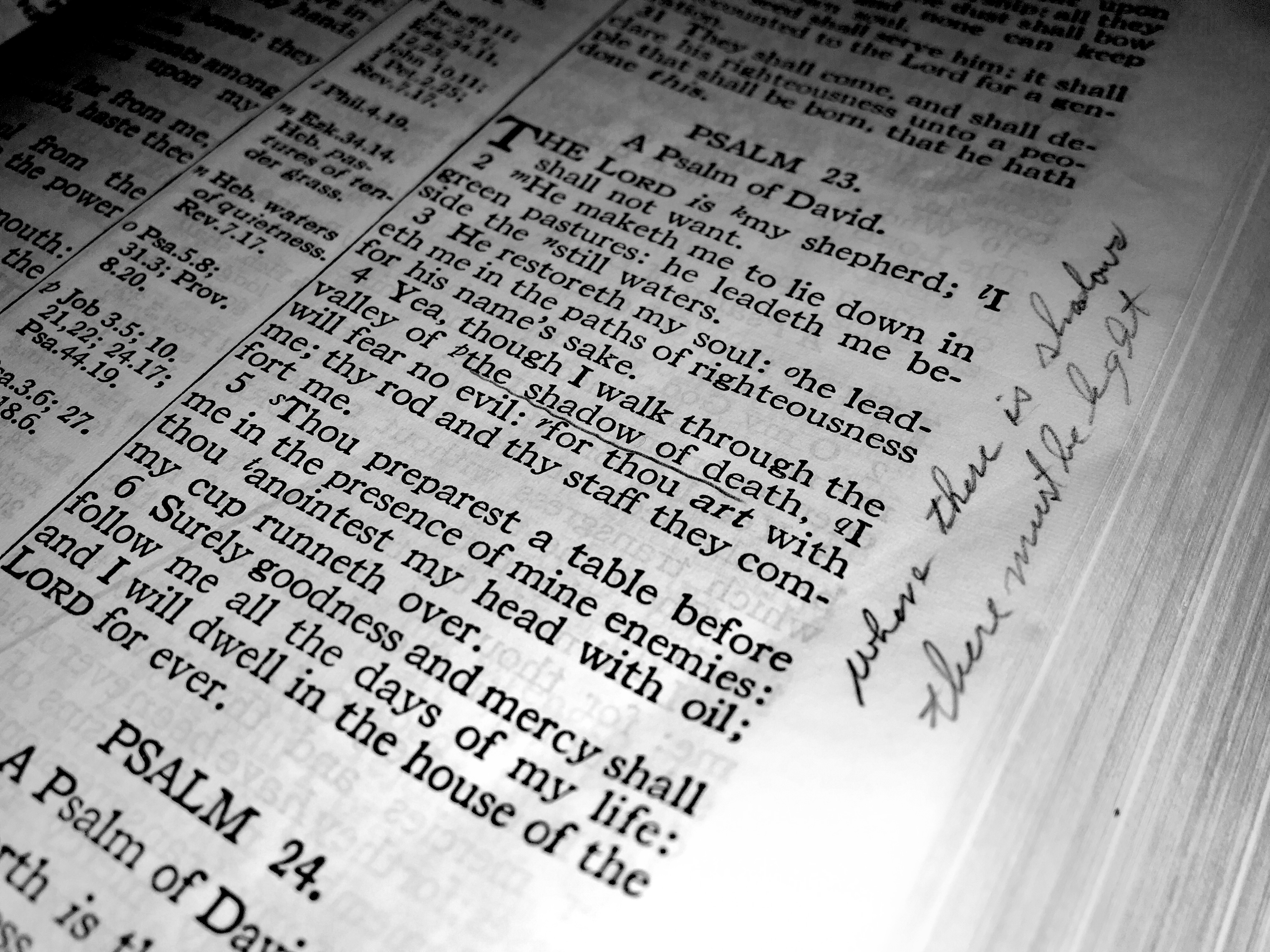
Do I just read the Bible? Or do I allow the Bible to read me?

The Power Of Now

The advertising slogan by Nike said, “Just do it.” I would modify this to say, “Just do it now.”

There is a power in now. So many times we have a God-idea, and then think/plan/pray ourselves out of acting on that idea. Don’t get me wrong, I think there is great value in planning and praying, but far too many ideas are left undone because they were over-thought and over-planned right out of existence.

When King Hezekiah came to the throne in Jerusalem, the country was a mess. The people were worshiping false gods and had completely abandoned the temple of God. The Bible says that Hezekiah went to work addressing the problem now:

In the first month of the first year of his reign, Hezekiah opened the doors of the temple of the Lord and repaired them.

After the temple had been restored to service, it didn’t matter that the “official” date for the Passover had come and gone. As soon as the temple was ready, Hezekiah said, “Let’s celebrate the Passover now.”

In honor of Martin Luther King Day, here’s what Dr. King had to say about the power and urgency of now:

We are now faced with the fact, my friends, that tomorrow is today. We are confronted with the fierce urgency of now. In this unfolding conundrum of life and history, there is such a thing as being too late. Procrastination is still the thief of time. Life often leaves us standing bare, naked, and dejected with a lost opportunity. The tide in the affairs of men does not remain at flood—it ebbs. We may cry out desperately for time to pause in her passage, but time is adamant to every plea and rushes on. Over the bleached bones and jumbled residues of numerous civilizations are written the pathetic words, “Too late.”

Got a God-idea? Get going! Just do it NOW!

Can You Have Too Much Blessing?

I seldom turn on religious TV shows, because when I do I typically hear the same two messages: (1) God wants you to be rich; (2) God wants you to be healthy. I believe God is good all the time, but that doesn’t mean those who follow Him always get wealth and health.

Consider this:

After Rehoboam’s position as king was established and he had become strong, he and all of Israel with him abandoned the law of the Lord.

Notice: When Rehoboam was healthy and wealthy, he abandoned God. When things looked bleak—when the future for Rehoboam was very much in doubt—Rehoboam was “walking in the ways of David and Solomon” (2 Chronicles 11:17). When the Egyptians attacked, Rehoboam and his court officials “humbled themselves before God” (12:6).

Health and wealth derailed Rehoboam, but difficulties kept him close to God.

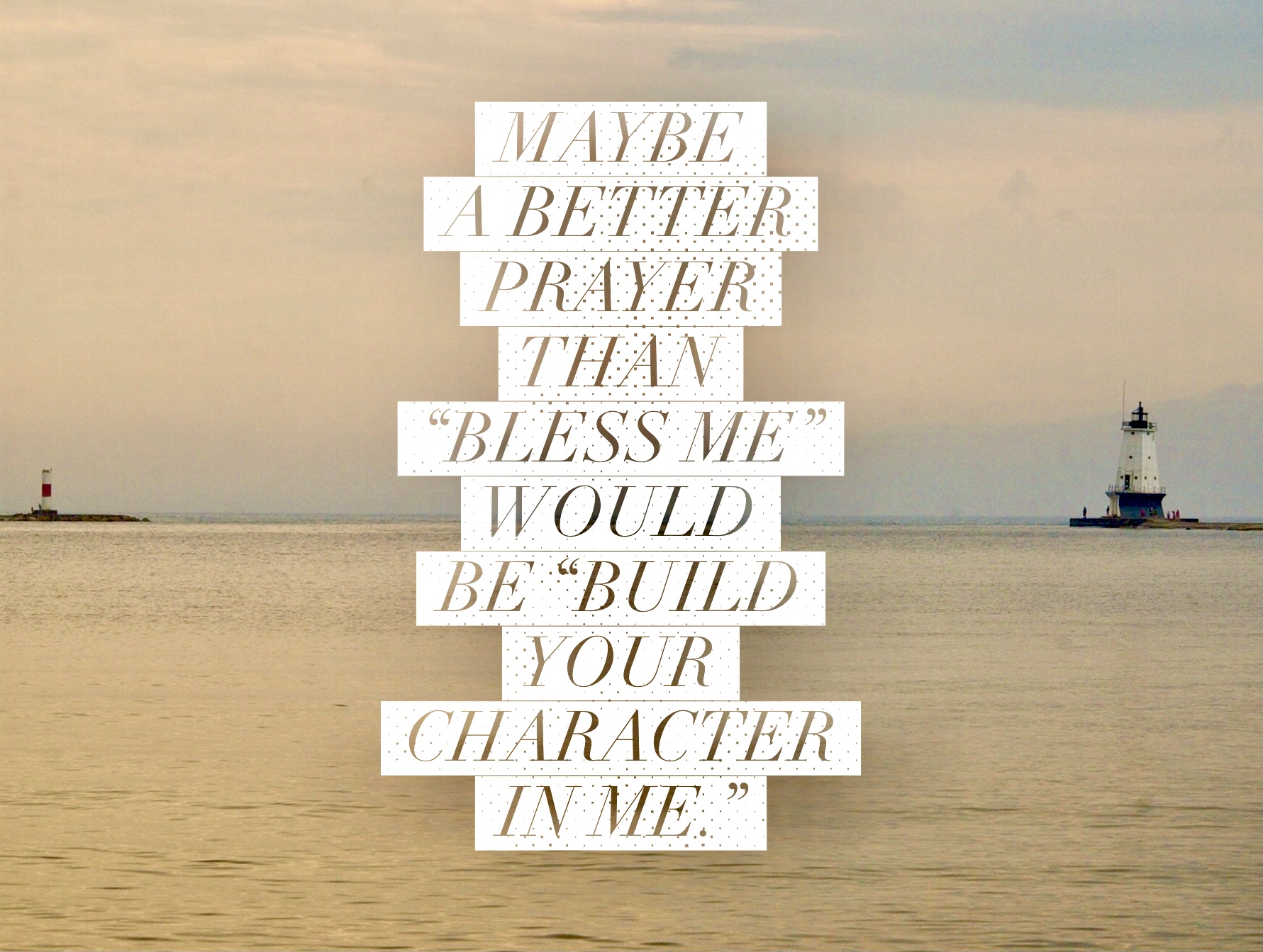
Maybe a better prayer than “Bless me” would be “Build Your character in me.” Or as it says in Proverbs:

Give me neither poverty nor riches, but give me only my daily bread. Otherwise, I may have too much and disown You and say “Who is the Lord?” Or I may become poor and steal, and so dishonor the name of my God.

The prayer that Jesus taught us to pray is perfect: Give us today our daily bread—no more, no less. That keeps me focused on my Heavenly Father.

No Ear = No Heart

Israel’s early history goes something like this: King David firmly established Israel’s boundaries, King Solomon built on David’s success, then King Rehoboam split the country in half.

As Rehoboam became king the people asked him to reconsider the working conditions that existed under his father Solomon. Rehoboam consulted with his father’s counselors, who advised him to listen to the people. Then he consulted with his friends, who told him to make the working conditions even harsher. Unfortunately, Rehoboam listened to his friends’ advice.

Here’s what happened:

When all Israel saw that the king refused to listen to them, they answered the king: “What share do we have in David, what part in Jesse’s son? To your tents, Israel! Look after your own house, David!” So all the Israelites went home.

The people didn’t rebel because they didn’t get the answer they wanted; they rebelled because their leader didn’t listen to them. This word for listen means:

  • pay attention
  • carefully consider
  • empathize

The people felt rejected because Rehoboam didn’t listen. In essence, they said,

“We don’t have your ear, so you won’t get our heart!”

A leader doesn’t have to give in, nor does he have to give the people everything they ask for. But he does have to listen—truly listen. He has to put himself in their place and feel what they feel.

People will never give a leader their buy-in or support if they don’t feel they have his ear.

No ear of the leader = No heart of the people

Hey, leaders, are you listening?

Take It Up A Notch

Listen to the podcast of this post by clicking on the player below, and you can also subscribe on AppleSpotify, or Audible.

King Josiah is widely regarded as one of the greatest reformers of Judah. He led a revival in Israel that led to the people cleaning out their idols and worshipping God in ways that hadn’t been seen since the time of King David.

This whole revival started with a Book. Not just any book, but the Book of the Law (the Bible).

When the king heard what was written in the book, God’s Revelation, he ripped his robes in dismay. And then he called for Hilkiah the priest, Ahikam son of Shaphan, Acbor son of Micaiah, Shaphan the royal secretary, and Asaiah the king’s personal aide. He ordered them all: “Go and pray to God for me and for this people—for all Judah! Find out what we must do in response to what is written in this Book that has just been found! God’s anger must be burning furiously against us—our ancestors haven’t obeyed a thing written in this book, followed none of the instructions directed to us.”

Josiah’s leadership was already stellar. The Bible describes Josiah this way: “He did what was right in the eyes of the Lord.” But 18 years into his reign as king, the Scriptures were rediscovered and his leadership went up a notch.

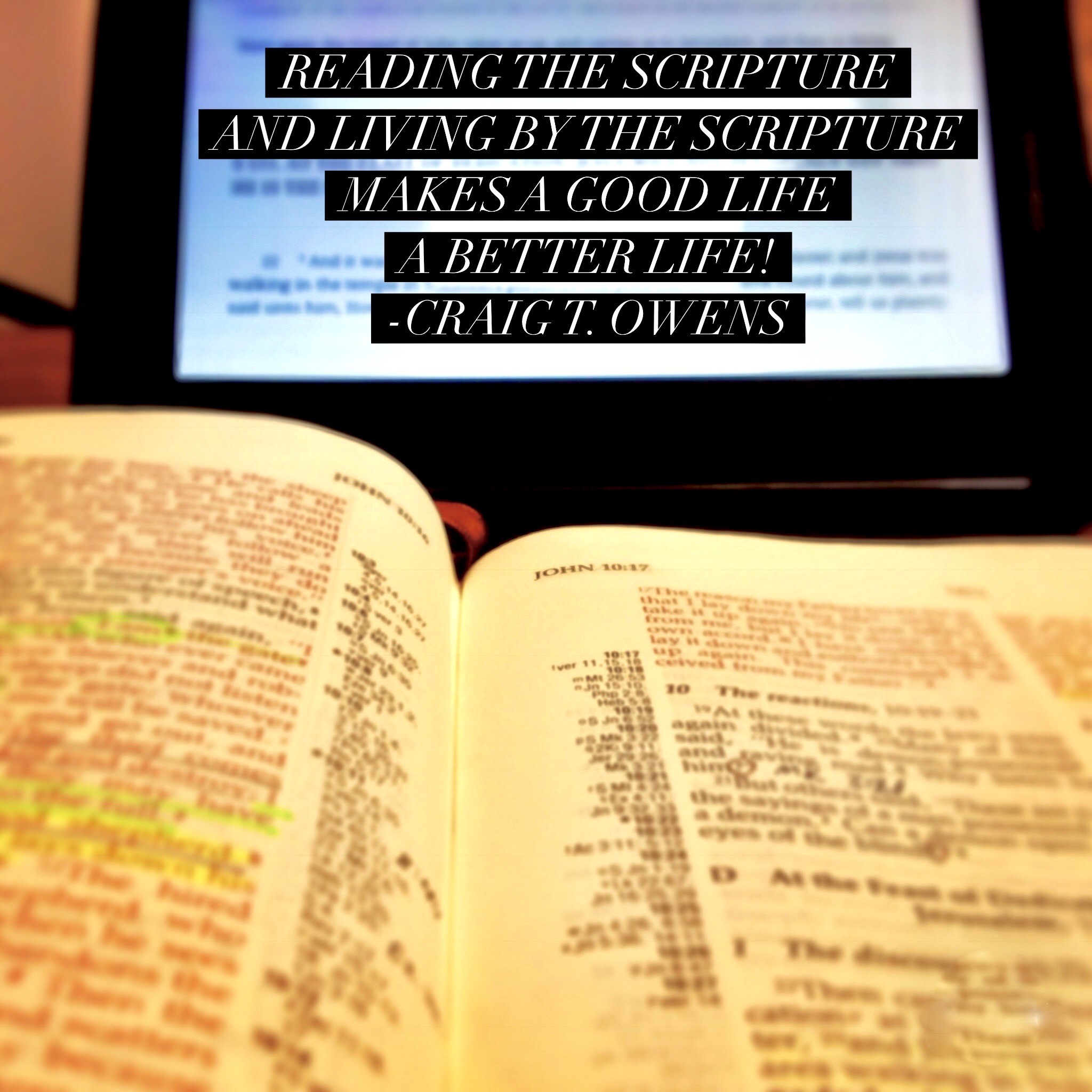
Reading the Scripture and living by the Scripture makes a good life a better life!

At the end of Josiah’s life, something is recorded about him that isn’t mentioned about any other king:

The prophet Jeremiah composed funeral songs for Josiah, and to this day choirs still sing these sad songs about his death. These songs of sorrow have become a tradition and are recorded in The Book of Laments.

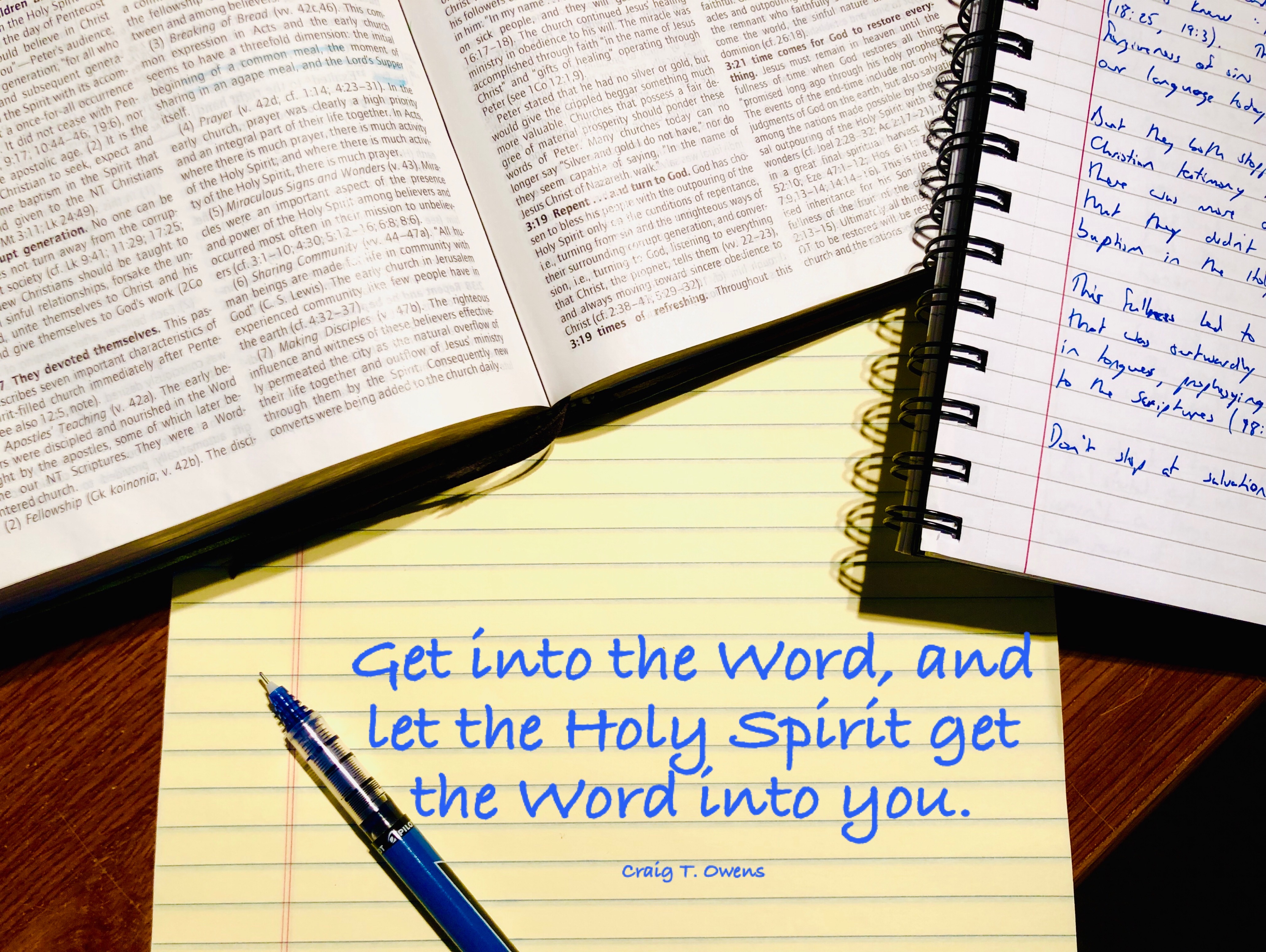
Do you want to take your life up a notch? Get into God’s Word and let it get into you and change the way you think and live.

►► Would you please prayerfully consider supporting this ministry? My Patreon supporters get behind-the-scenes access to exclusive materials. ◀︎◀︎

Finishing Well

Asa started so well, accomplished so many things, was known for his greatness, won an unbelievable victory, made the tough choices that the people loved, and then faded into disrepute.

Starting well is important; finishing well is so much more important. After we’re gone, people usually remember us for how we went out.

Asa was a great king of Judah (see 2 Chronicles 14-16). He began to clean out all of the false gods and pull down the places where these idols were worshipped. The people were so unified behind Asa that none of their enemies even dared to attack them. And Asa recognized this. He said, “The land is ours and is at peace because we have sought God; we’ve sought Him and He’s given us peace everywhere.”

An army from Cush (modern-day Sudan and Libya) marched up to challenge Asa in battle. The Cushites came with an army too large to even count, while Asa had about 500,000 fighting men. Asa and his men called on God, and God helped them win an incredible victory. In fact, they inflicted such heavy casualties on the Cushites that they never returned to their former strength.

Then something happened.

Baasha, the king of Israel, began fortifying the city of Ramah. This wasn’t hostile in itself, but it did look to Asa like the build-up to war. Israel’s army wasn’t nearly the size of the army of Cush that Asa had just seen God help him defeat. But instead of calling on God, Asa bribed Ben-Hadad, king of Aram, to break his treaty with Israel. This political turnabout caused Baasha to quit building up Ramah to move his forces to protect himself from Aram.

At first glance, it looks like Asa won. He was the clever one. He did it himself. And there’s the problem: he did it himself—he didn’t rely on God.

Why did Asa do this? Why did he abandon God? Why didn’t he seek God as he did before?

The prophet Hanani came to ask Asa these very questions. Hanani told Asa it was foolish of him to turn his back on God. Instead of this prompting Asa to recognize he had slipped away from God, he got angry and threw Hanani in prison. Then in his guilt-provoked rage, Asa began to oppress his own people.

A short time later Asa contracted some sort of disease in his feet. The Bible says, “Though his disease was severe, even in his illness he did not seek help from the Lord, but only from the physicians.”

Asa started out so well, yet finished so poorly. Starting well is important; finishing well is so much more important.

The Lord is with you when you are with Him. If you seek Him, He will be found by you, but if you forsake Him, He will forsake you (2 Chronicles 15:2).

What are you doing today to make sure you finish well? The best thing you can do is seek God with all your heart. Do that and you will finish well. People usually remember us for how we go out.

Finish well.

The Right Questions

“The uncreative mind can spot wrong answers, but it takes a creative mind to spot wrong questions.” —Sir Anthony Jay

This has always been a challenge for me—maybe for you, too. I can easily spot when someone gives me a wrong answer, but it’s harder to spot when I’ve asked a wrong question. It could very well be that the answer I’m hearing is correct in light of the question I asked.

But spotting wrong questions requires a humility on my part to admit I may be wrong. Spotting wrong questions requires creativity, a new way of looking at things.

There is a short story about the life of King Abijah recorded in 2 Chronicles 13 in the Bible. Abijah is the second king to reign in Judah after the 10 northern tribes had seceded. He is vastly outmanned and out-spent by King Jeroboam of the northern tribes (called Israel). When it comes to a battle between north and south, Abijah can only field half as many men as Jeroboam.

Yet it is Abijah who takes charge of the battlefield before the fighting begins. He climbs to the top of Mount Zemaraim to make sure all of the northern tribes can hear him. The wrong question would have been, “Which side is God on: Israel’s or Judah’s?” The correct question which Abijah must have asked and answered for himself—is, “Are we on God’s side?

Abijah begins to recount how God chose for a descendant of David to sit on the throne (Abijah), but northern Israel was following a rebel (Jeroboam). God intended for the descendants of Aaron to oversee the sacrifices and religious practices; Judah was doing this, but Israel had their own priests. God was to be worshipped exclusively; Judah was doing this, but Jeroboam made golden calves for Israel to worship.

So Abijah correctly concludes, “God is with us; He is our leader.”

Abijah didn’t assume God was with Judah. Abijah didn’t ask, “Does God lead us or them?” Abijah asked, “Are we doing the things that God has asked of us?” Since Judah was following God, Abijah could then state with confidence, “God is with us.”

The question is not, “Is God on your side?” It’s better to ask, “Am I on God’s side?

The question is not, “What would Jesus do if He was here?” It’s better to ask, “What did Jesus already do that I can follow?

What questions are you asking? Change your questions and you just may change your life.