National Sin And Repentance

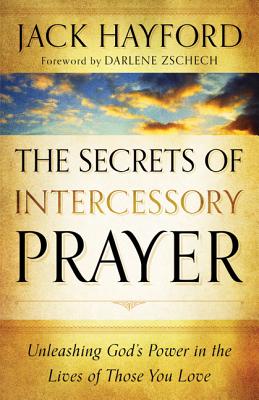
The Secrets of Intercessory Prayer“It is a sad thing when a nation’s sins accumulate to the point that God says, ‘Here, if you want that, you can have all of it and the hideous things that come with it. You have removed yourself from My mercy and its preventative grace.’ Preventative grace is a term we use to describe the merciful actions of God—essentially unseen in their execution and, by many, seldom honored because God’s kindness is presumed to be our right (if indeed He does exist, as unbelievers say). …America, for instance, has invited God out of its life, His Word out of its educational system and His moral values out of its laws. The plagues of venereal disease, gang warfare, teen suicide, divorce (the list could go on) are the direct outflow of the darkness to which our land has surrendered. However, our nation has not yet been swamped to the point of complete ruin—and therein is our call. As people who know our God, prayer for our land can bring healing. The passage is a virtual signal flag, summoning us with the assurance that it is not too late yet. God’s mercy promises that with our intercession, ‘Help is on the way!’ (see 2 Chronicles 7:14; 1 Timothy 2:1-5).” —Jack Hayford, The Secrets Of Intercessory Prayer (emphasis added)

What a powerful promise in Scripture:

If My people, who are called by My name, will humble themselves and pray and seek My face and turn from their wicked ways, then I will hear from heaven, and I will forgive their sin and will heal their land. (2 Chronicles 7:14)

Pastor, God’s blessings can return to our nation IF our people will humble themselves and pray. But our people will not do this unless we go first, and model the way for them!

Look how Nehemiah identified with the sin of Israel, and went first in his prayer of confession and repentance—

Let Your ear be attentive and Your eyes open to hear the prayer Your servant is praying before you day and night for Your servants, the people of Israel. I CONFESS THE SINS WE ISRAELITES, INCLUDING MYSELF and my father’s family, have committed against You…. (Nehemiah 1:6)

Lead the way, pastor, before it is too late for us.

(You may also be interested in this post: How to See a National Revival.)

Refrain From Rhetoric

My dear fellow pastor, we should all heed these words—

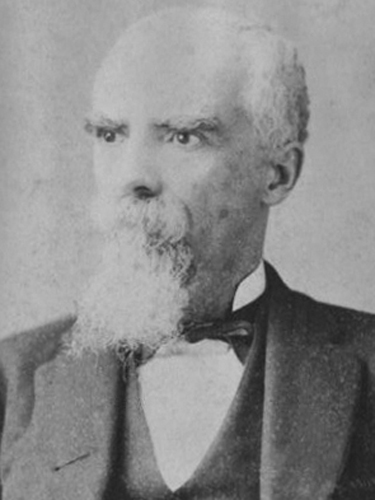
C.H. Spurgeon“…If some preachers would refrain from rhetoric and tell their plain unvarnished tale, they would succeed better than they do now. Do you think that God meant his ministers to kill themselves in order come out on Sundays with one or two splendid displays of ‘intellect’ and eloquence? Surely this is not God’s way of doing things. I do not believe that Paul ever preached a fine sermon, or that Peter ever dreamed of any display of intellect. I asked the other day of one who had heard a sermon if it was likely that sinners would be converted by it. He said, ‘Oh no; by no means; but it was an intellectual treat.’ Is there anywhere in the Bible a word about intellectual treats, or anything approximating to such an idea?” —Charles Spurgeon

I’m not sure I can add much to this advice from the “prince of preachers” except to say, preach to glorify God, not to impress your earthly audience. Jesus said if we would lift Him up, He will draw everyone to Himself.

It’s My Honor

Listen to the podcast of this post by clicking on the player below, and you can also subscribe on AppleSpotify, or Audible. 

If you grew up watching Sesame Street, you might remember one of the songs that went like this—

One of these things is not like the other things

One of these things just doesn’t belong

Can you guess which thing is not like the other thing

Before I finish my song

I sort of feel like that when I consider this list:

  • Melchizedek
  • Aaron
  • Jesus
  • Me

If you’re a pastor/priest to your congregation, perhaps you feel like you don’t belong on this list either. But consider this verse of Scripture—

No one takes this honor [of being a priest] upon himself; he must be called by God, just as Aaron was. (Hebrews 5:4)

God called Melchizedek. God called Aaron. God called Jesus. God called me. God called you, my fellow pastor. It’s an honor to be called by God to serve in this role!

We have the honor to represent the people to God, and to represent God to the people.

We have the honor to instruct people in the ways of God.

We have the honor of living our lives transparently before people, so they can see a living example of one who sins, confesses, repents, and receives forgiveness; one who is growing in his/her knowledge of Jesus Christ; one who is becoming more Christ-like.

We have the honor of offering up loud cries of petition and intercession for others (see Hebrews 5:7).

We have the honor of humbly and reverently submitting ourselves before God; of learning obedience through suffering (v. 8).

We have the honor of sharing Christ—THE best and perfect priest—with others. He alone is the source of eternal salvation for all who obey Him (v. 9), and we have the honor of telling others this amazing news!

My friend, if God has called you, you belong on that list. Discharge your priestly duties with all reverence and humility to God. It is your honor to serve God and others this way.

UPDATE: In my book Shepherd Leadership, I talk about using the phrase “God chose me” as a reminder of both the confidence and humility that we have in our calling as pastors.

►► Would you please prayerfully consider supporting this ministry? My Patreon supporters get behind-the-scenes access to exclusive materials. ◀︎◀︎

No Presumptions

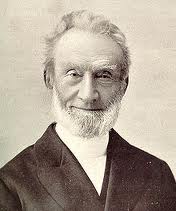
George Mueller

George Mueller

I’m a planner. I like to plan out my personal schedule. I also like to plan out my preaching schedule. Near the end of each calendar year, I spend an extended time in prayer asking God to show me what He would like me to share with my congregation in the upcoming new year.

By no means should this override being Spirit-directed in the moment. I need to remain sensitive to the “course corrections” that the Holy Spirit wants me to make, but I also think planning ahead is using His wisdom as well.

As I approach each week’s message preparation time, there is a temptation to just stick with the plan, no matter what. After all, I know what I’ve prayerfully planned, so I can just get down to the business of crafting a sermon, right?

This wise counsel from George Mueller—a pastor that was preeminent in prayer—helps me to check my impulses…

“Rather than presuming to know what is best for the hearers, I ask the Lord to graciously teach me the subject I should speak about.”

My prayer goes something like this: “Lord, You know I will be speaking this Sunday; You know each person who is going to attend our service this week; You know exactly what they have been going through and what they are about to go through; You know exactly what they need to hear this week, so speak those words to me now.

How arrogant for me to say, “Lord, here’s my sermon. Please bless it.”

Instead I need to pray, “Lord, what message will you bless? Please speak those words to me.”

Pastor, please don’t presume to know what is best for your congregation, but ask the One who truly knows to give you His timely word.

My Brothers

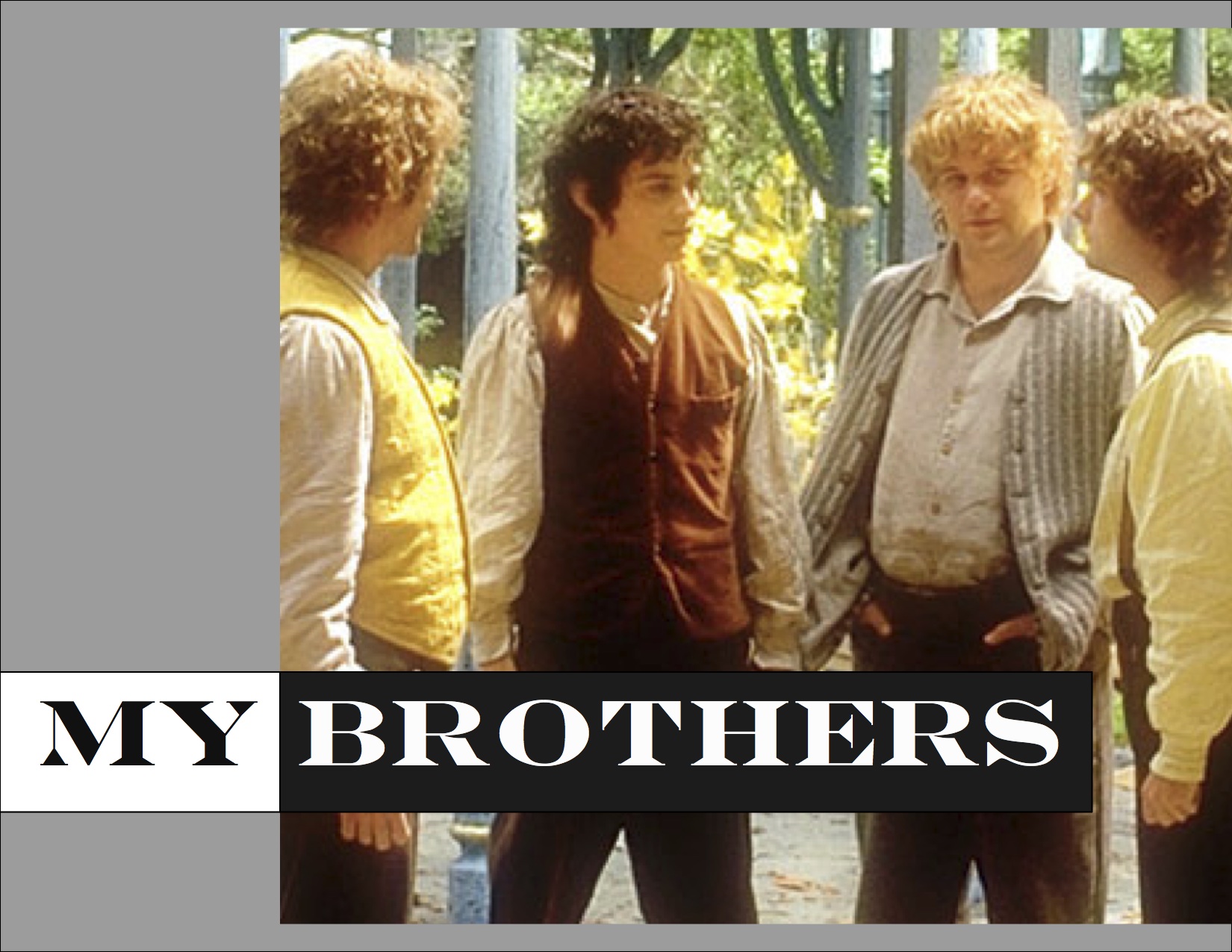
My brothersPastor, I love how the Apostle James consistently addresses his audience in his epistle. Over a dozen times in his five short chapters, Pastor James addresses his congregation as my brothers (sometimes the phrase is even my dear brothers).

The word brothers is always the Greek word adelphos, which means from the same womb. James didn’t elevate himself, nor put down others in the church; he constantly put himself on the same plain. He was saying, “Look, I struggle with what you struggle with—we all have the same issues. I’m not immune to these things because I’m the so-called leader of the Jerusalem church. I have to keep alert and keep on working in these areas too!”

Sometimes James adds the adjective dear (or as the KJV says, beloved). This word is from the root word which means to be fond of someone, to love dearly, or to be well pleased. James, in essence, is saying, “I like you! You’re not just someone that goes to church with me, but you’re a dear friend.”

As the adage goes—People don’t care how much you know until they know how much you care. So almost every point James covers in this epistle is introduced by the my brothers tag. It’s his way of reminding them, “I’m sharing this with you because I really like you, and I want us to grow closer to God together.”

Wow! What a great example for me as a pastor. I’m not immune to struggles. I’m not in a separate category. I’m in this with my dear brothers and sisters, and I want us to all overcome and grow in our level of intimacy with God together.

UPDATE: This is one of the major themes in my book for pastors called Shepherd Leadership. I hope you will check it out!

The Contemplative Pastor

Search mePastors can get caught in a rut, just like anyone in any number of other professions. That’s why it’s so vital for us to pause often to make sure we haven’t slipped into something without being aware of its impact.

It is absolutely vital for pastors to have regular quiet time with God. Read the Word, pray, contemplate, read other pastors (especially the “old guys”), pray, and contemplate some more. Let the Holy Spirit point out to you any blind spots.

I’ve been contemplating two quotes from the “old guys” over the last few days.

[1] “We prefer to build up converts to our own point of view.” —Oswald Chambers

I want to make sure I’m always allowing the Holy Spirit to be as unique with others as He is with me. I need to be cautious that I’m not making my practices the universal practices for everyone. I need to give these converts a solid biblical foundation, and then let the Spirit build them up as He knows best.

[2] “Recollect, as ministers, that your whole life, your whole pastoral life especially, will be affected by the vigor of your piety. If your zeal grows dull, you will not pray well in the pulpit; you will pray worse in the family, and worst in the study alone. When your soul becomes lean, your hearers, without knowing how or why, will find that your prayers in public have little savor for them; they will feel your barrenness, perhaps, before you feel it yourself.” —Charles Spurgeon

I need to be a praying pastor. My sermons must be birthed in prayer before I deliver them, and sealed in prayer after I deliver them; my appointments must be covered in prayer; my schedule must be directed by prayer; my relationships must be nurtured through prayer. I must be in prayer continually if I am to be effective at anything.

My fellow pastor, I hope you are taking the time to contemplate: to be quiet as you ponder how the Holy Spirit is speaking to you. It is absolutely vital for the health of the part of the Body of Christ to which we minister.

Performance-Oriented Church?

D.A. CarsonOh, my fellow pastor, may this never (ever!) be said of our churches…

We have become so performance-oriented that it is hard to see how compromised we are. Consider one small example. In many of our churches, prayers in morning services now function, in large measure, as the time to change the set in the sanctuary. The people of the congregation bow their heads and close their eyes, and when they look up a minute later, why, the singers are in place, or the drama group is ready to perform. It is all so smooth. It is also profane. Nominally we are in prayer together addressing the King of Heaven, the sovereign Lord. In reality, some of us are doing that while others are rushing on tiptoes around the stage and others, with their eyes closed, are busy wondering what new and happy configuration will confront them when it is time to take a peek. Has the smoothness of the performance become more important to us than the fear of the Lord? Has polish, one of the modern equivalents of ancient rhetoric, displaced substance? Have professional competence and smooth showmanship become more valuable than sober reckoning over what it means to focus on Christ crucified?” —D.A. Carson (emphasis added)

The Pastor & Prayer

E.M. BoundsMy fellow pastor, please consider these wise words from E.M. Bounds—

“No one having any knowledge of the existing facts, will deny the comparative lack of expository preaching in the pulpit effort of today. And none, we should, at least, imagine, will do other than lament the lack. Topical preaching, polemical preaching, historical preaching, and other forms of sermonic output have, one supposes, their rightful and opportune uses. But expository preaching—the prayerful expounding of the Word of God is preaching that is preaching—pulpit effort par excellence. For its successful accomplishment, however, a preacher needs must be a man of prayer. For every hour spent in his study-chair, he will have to spend two upon his knees.”

I believe God will be honored if we spend twice as much time praying our sermons as we do preparing our sermons. 

Another Christmas Message?!?

Christmas presentBelieve it or not, I actually heard a pastor say this: “I’m not sure I’m going to preach a Christmas message this year. It’s the same story all over again, and everyone’s already heard it.”

Are you kidding me?!?

This is the greatest story. Ever! God coming to earth—the Infinite invading our finite world—yields infinite possibilities in how to re-tell this story. One of the biggest cop-outs there could ever be is to say, “I couldn’t possibly think of another way to tell the Christmas story.”

Pray. Ask the Holy Spirit to illuminate your mind. Read the story again. Insert yourself into the story. Imagine how those first century characters felt. Re-read the story in a different translation. Slow down. Soak in the text.

There are so many ways to share this amazing story. It’s not just another Christmas message. It’s THE greatest story that can be shared in an infinite number of ways.

Pastor, may God give you a fresh view of this amazing story!

Hypocritical Pastors

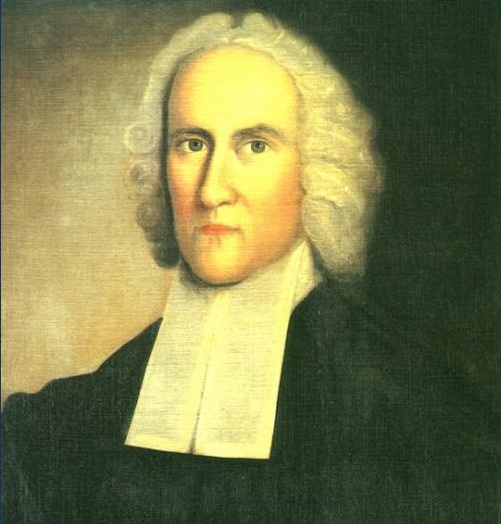
Jonathan EdwardsI was reading a passage from Jonathan Edwards’ Hypocrites Deficient in the Duty of Prayer, where Edwards warned pastors against neglecting the sacred duty of private prayer. Edwards says that pastors who spend more time praying publicly than they do privately are hypocrites.

T.M. Moore commented on this—

“So we [pastors], when we attend upon public prayers—even leading them, during morning worship—but have no prayer life of our own to speak of, practice hypocrisy of the first water. We seem to be men of prayer, but we are hardly ever calling on the Lord of glory.”

There is a simple remedy to this: Pray!

  • Pray every day
  • Pray about every thing
  • Pray in private
  • Make prayer your continual and ongoing habit

Pastors, may we always pray!