


This is an in-your-face, no-punches-pulled, right-on-target message. Watch it, think about it, and share your thoughts in the comment below…
Proper Preaching
November 12, 2011 — Craig T. Owens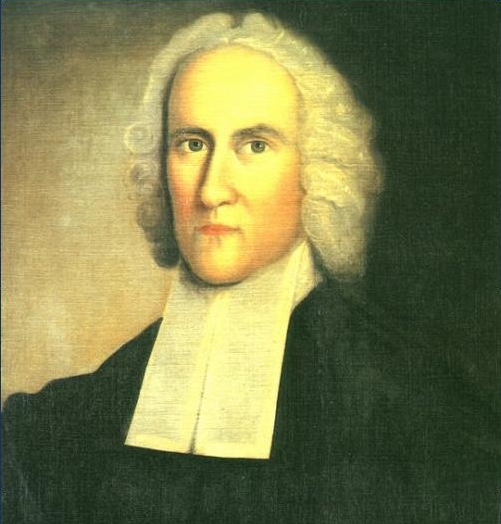 Jonathan Edwards was a brilliant man. His words here are spoken directly to preachers. I endeavor to handle my God-given responsibilities like this:
“Pure Christian humility has no such thing as roughness, or contempt, or fierceness, or bitterness in its nature; it makes a person like a little child, harmless and innocent, that none need to be afraid of, or like a lamb, destitute of all bitterness, wrath, anger, and clamor; agreeable to Ephesians 4:31. With such a spirit as this ought especially zealous ministers of the gospel to be clothed, and those that God is pleased to employ as instruments in His hands of promoting His work. They ought indeed to be thorough in preaching the word of God, without mincing the matter at all; in handling the sword of the Spirit, as the ministers of the Lord of hosts, they ought not to be mild and gentle; they are not to be gentle and moderate in searching and awakening the conscience, but should be sons of thunder. The Word of God, which is in itself sharper than any two-edged sword, ought not to be sheathed by its ministers, but so used that its sharp edges may have their full effect, even to the dividing asunder soul and spirit, joints and marrow. Yet they should do it without judging particular persons, leaving it to conscience and the Spirit of God to make the particular application. But all their conversation should savor of nothing but lowliness and good-will, love and pity to all mankind; so that such a spirit should be like a sweet odor diffused around them wherever they go. They should be like lions to guilty consciences, but like lambs to men’s persons. This would have no tendency to prevent the awakening of men’s consciences, but on the contrary would have a very great tendency to awaken them. It would make way for the sharp sword to enter; it would remove the obstacles, and make a naked breast for the arrow. —Yea, the amiable Christ-like conversation of such ministers in itself, would terrify the consciences of men, as well as their terrible preaching; both would co-operate to subdue the hard, and bring down the proud heart.”
Was Your Church Successful?
October 24, 2011 — Craig T. Owens These thoughts are especially for my fellow pastors (although I think they pertain to anyone who attended a church service recently).
So… how successful was your church gathering this weekend?
Was it successful because lots of people were there? Or because the pastor preached a good sermon? Or maybe the offering was better than usual? Or because you could feel something special as the worship team sang and played their instruments?
How about these measurements:
“The great business of the church is not our number by addition, but by grace, by growing up in Christ.” (John Owen)
“The perfect church service would be one we were almost unaware of. Our attention would have been on God.” (C.S. Lewis)
“Revival is the church getting back to ‘normal.’” (A.W. Tozer)
I hope these quotes have you thinking about church “success” as much as they are working on me!
UPDATE: This post was one of the seed thoughts that went into fashioning my book Shepherd Leadership: The Metrics That Really Matter.
Praying For Your Pastor
October 4, 2011 — Craig T. Owens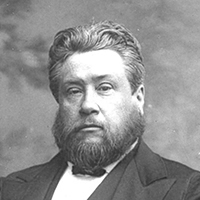 For the past few years, October has been designated as Pastor Appreciation Month. Honestly, I feel appreciated by the great folks at Calvary Assembly of God every single week! I can only pray that other pastors feel the same love I feel.
Here’s a simple way you can show your pastor appreciation both in October, and all year long: Pray for him or her. Multiple times the Apostle Paul wrote pray for us (Colossians 4:3; 1 Thessalonians 5:25; 2 Thessalonians 3:1). Prayer is SO NEEDED for your pastor!
Here’s what the eminent pastor Charles Spurgeon wrote:
The members of the body of Christ should have a care for one another, but especially should the minister receive the prayers of his flock. I have sometimes heard his duties called arduous, but that word is not expressive enough. The works in which he is occupied lie quite out of the region of human power. The minister is sent to be God’s messenger for the quickening of the dead. What can he do in it? He can do nothing whatever unless the Spirit of God be with him through the prayer of his brethren.
He is sent to bring spiritual food to the multitude, that is to say, he is to take the loaves and fishes, and with them, few as they are, he is to feed the thousands. An impossible commission! He cannot perform it. Apart from divine help, the enterprise of a Christian minister is only worthy of ridicule. Apart from the power of the Eternal Spirit, the things which the preacher has to do are as much beyond him as though he had to weld the sun and moon into one, light up new stars, or turn the Sahara into a garden of flowers. We have a work to do concerning which we often cry, “Who is sufficient for these things?” and if we be put to this work but have not your prayers, and in consequence have not the supply of the Spirit, we are of all men the most miserable.
Show how much you appreciate your pastor by upholding him/her in prayer every day.
A Pastor’s Work
September 28, 2011 — Craig T. Owens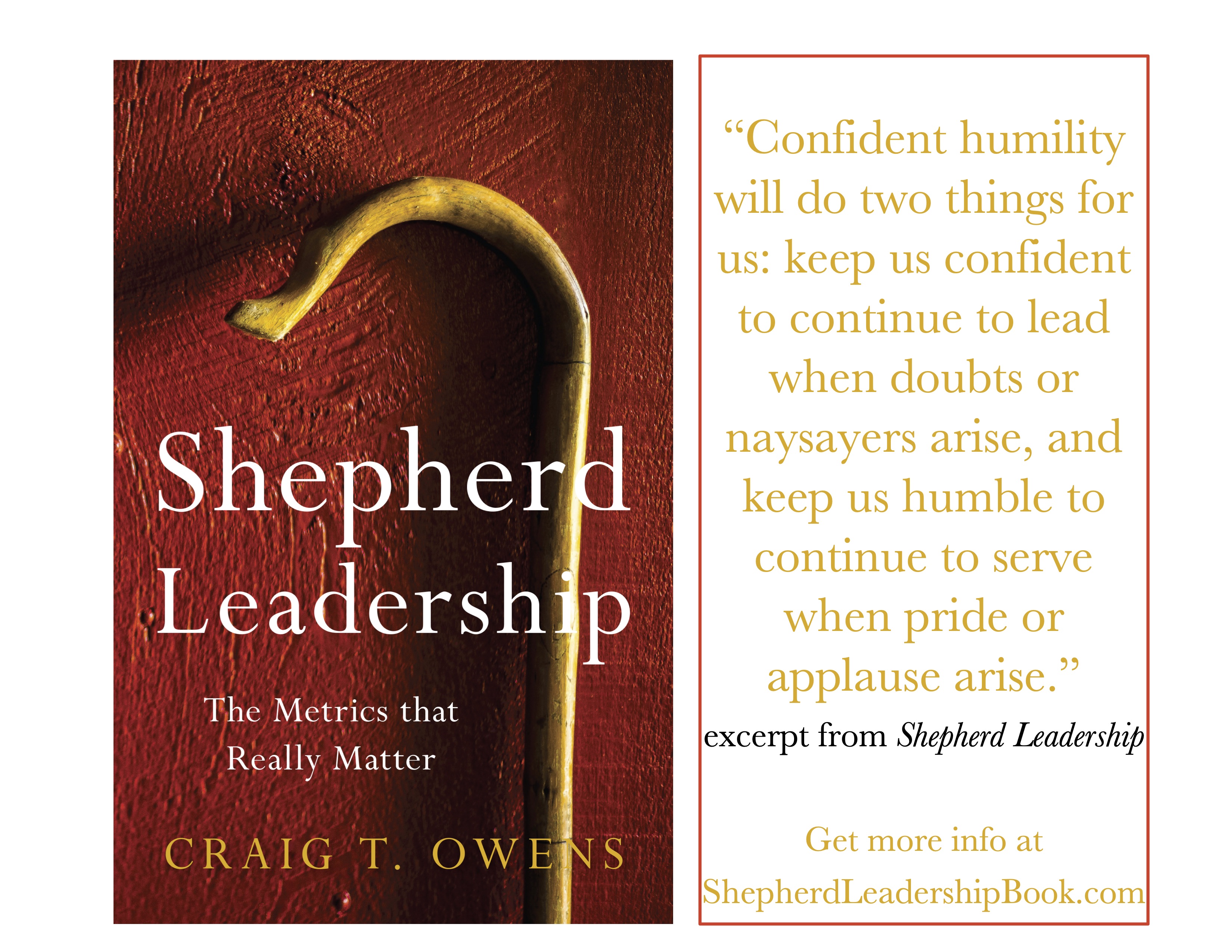 I have blogged before about how heavy I feel the responsibility of being a pastor. When I think of the awesome responsibility God has given me as His under-shepherd to His precious people, I am humbled.
Humility is a good thing.
Since the pastor is “out in front” at every gathering, speaking to the people, leading the church in a particular direction, people tend to view their pastor as their leader. And without humility, the people’s esteem can “puff up” a pastor. Unfortunately, I’ve been around pastors who have gotten a little too, shall I say, “puffy.”
So this dose of godly wisdom from J.C. Ryle is just the preventative medicine I need:
“We should beware of resting our claim to the people’s attention on our outward [pastoral] call only. It will never do to tell our people, ‘We are your ordained ministers, and therefore you must believe and follow whatever we tell you.’ On the contrary, we must tell them to prove our teaching by Scripture, and not to receive it unless it is scriptural. That man has no right to expect the attention of his people, who does not preach the Gospel and live the Gospel. The rule of Paul is clear on this point. He told the Thessalonians to esteem their ministers very highly ‘for their work’s sake’ (1 Thessalonians 5:13). When there is no ‘work’ done, it is vain to expect the people’s esteem.
Pastors, do the work of humbly working as God’s servant to His people. Use your position to serve, not to presume upon others.
Church attendees, make us pastors “prove our teaching by Scripture.” We don’t get to say, “Because I’m the pastor and I say so!”
UPDATE: This post went into my thinking for my book Shepherd Leadership: The Metrics That Really Matter.
Preaching At God’s Command
September 22, 2011 — Craig T. OwensThis post is specifically for my pastor friends. As you are finishing up your sermon prep for this week, here are some good words from Charles Spurgeon for us to keep in mind:
“We preach, at God’s command, the way of salvation by mercy, not by merit; by faith, not by works; by grace, not by the efforts of men. May God help us so to set forth that principle, that many may accept it. I do not care one snap of my finger about preaching so that the style shall please the ear, but I long to reach your hearts. I want you to receive the only sure method of salvation, and I pray the Holy Spirit to baptize my words in His own mighty fire, and make them to burn their way into your hearts, and subdue you to the obedience of faith.”
Pastor, I’m praying that the Holy Spirit will baptize your words. God said, “Open wide your mouth and I will fill it,” and I am believing that for you this week!
Christian Disconnect
September 19, 2011 — Craig T. Owens The Barna Group just released a study that looks at some of the disconnects between what Christians believe and how they live. You can read the full report by clicking here, but here are the main disconnects:
- 81% of Christians say Jesus is important to them; but only 18% are committed to developing their relationship with Jesus.
- 64% of Christians have confessed their sins to God; but only 12% realize how devastating their personal sin is.
- Lots of Christians participate in “normal” religious activities every week; but “less than one out of ten have talked about their faith with a non-Christian, fasted for religious purposes, and had an extended time of spiritual reflection during the past week.”
- Most Christians feel “comfortable” in their church; but their comfort level is only surface-deep, with no accountability nor confession.
As a pastor, I place the responsibility for these disconnects squarely on the pastors. On me.
Unless pastors are teaching this stuff—and living this stuff—the disconnects will always remain.
Gregory the Great (ca. 540-604) wrote, “There are some who investigate spiritual precepts with cunning care, but what they penetrate with understanding they trample on in their lives: all at once they are teaching the things which not by practice but by study they have learnt; and what in words they preach, by their manners they impugn. Whence it comes to pass that when the shepherd walks through steep places, the flock follows to the precipice.”
I’m challenged by this, and I’m going to spend some time in prayer this week regarding these disconnects. I want to take a good look at what I’m teaching and living, and allow the Holy Spirit to correct what needs to be corrected.
United
September 9, 2011 — Craig T. Owens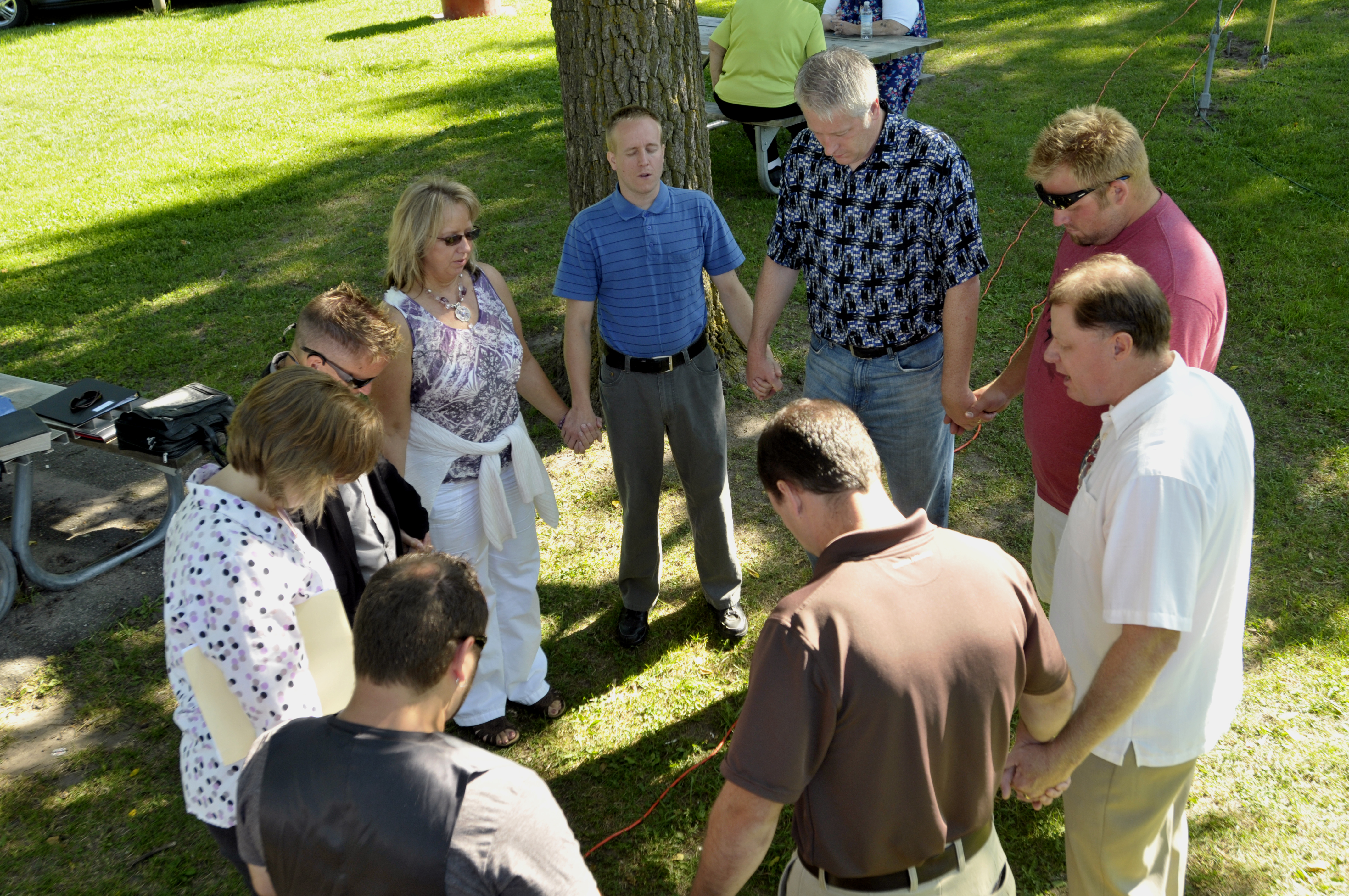
These are the pastors of the Cedar Springs Ministerial Association praying together before our UNITED service. We truly are united. I am so blessed to have such a wonderful group of colleagues who will put aside any denominational differences, to simply focus on winning people for Christ!
How good and pleasant it is when brothers [and sisters] live together in unity! (Psalm 133:1)
I hope other pastors can learn from this group and experience the blessing of being united.
More Amateurs Needed
September 7, 2011 — Craig T. Owens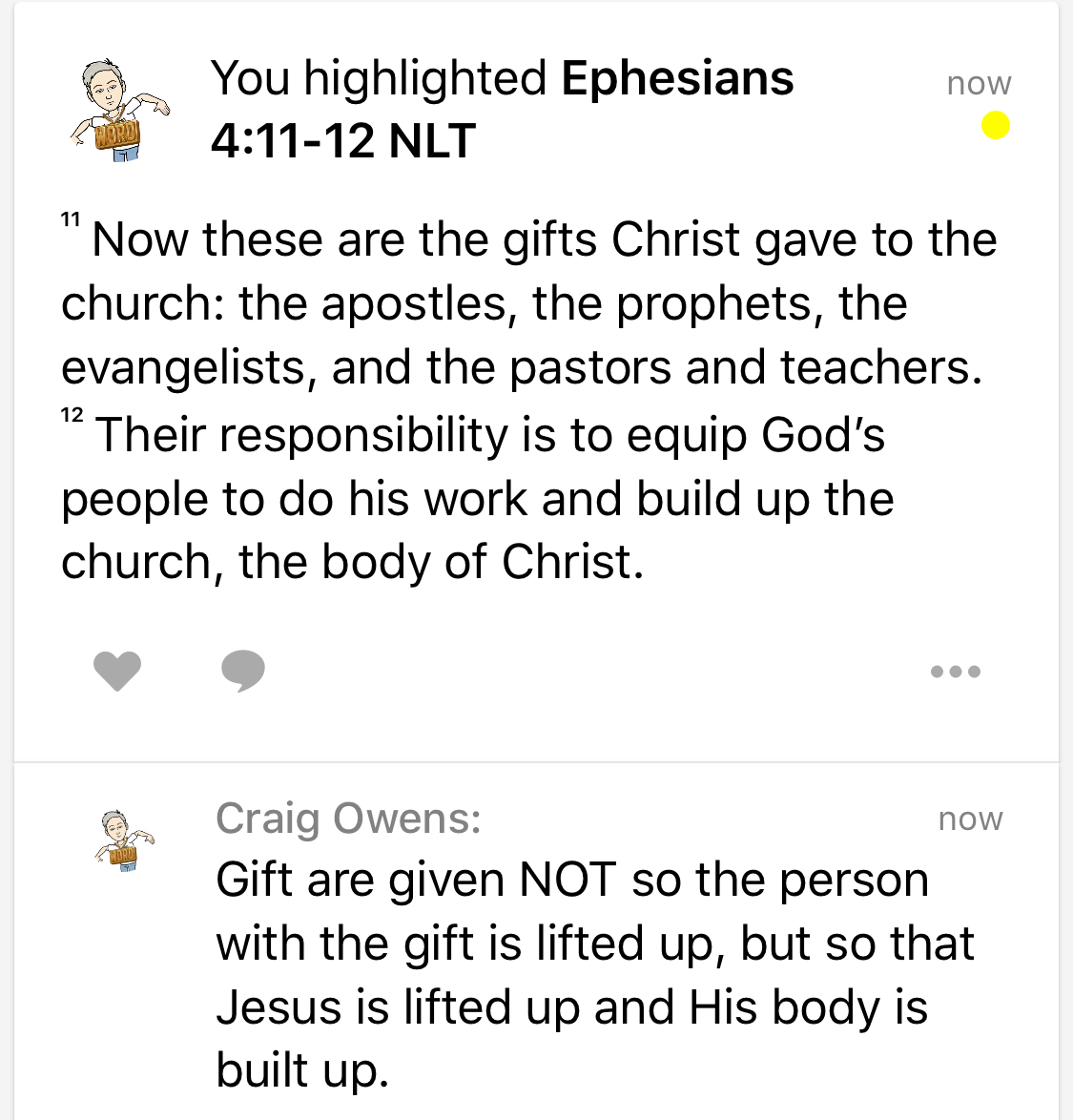 Did you know that the origin of the word clergy comes from the Latin meaning “learned men”? These are the men and women who are supposed to lead our churches, because they have the education that others don’t. They are professionals.
Now compare that with the definition of laity: “the people outside of a particular profession, as distinguished from those belonging to it.”
Did you catch that? The laity are outside and uneducated. They are amateurs.
The origins of clergy is traced back to the 12th century, and laity first appears in the 16th century. But long before this, the Apostle Paul had a different idea —
Take a good look, friends, at who you were when you got called into this life. I don’t see many of “the brightest and the best” among you, not many influential, not many from high-society families. Isn’t it obvious that God deliberately chose men and women that the culture overlooks and exploits and abuses, chose these “nobodies” to expose the hollow pretensions of the “somebodies”? (1 Corinthians 1:26-28 from The Message, emphasis added)
There is a HUGE PROBLEM when we think that only the professional clergy is equipped to do the ministry of the church! What makes a healthy church (like the first century church we read about in the book of Acts) is when EVERYONE is actively involved in ministry.
These words from Howard Hendricks are tough to hear, but right on target:
“I believe a great problem in evangelicalism today—whether in the local church, missions, seminary education, or what have you—is we have too many big-time operators! And too few servants. …
“The typical church hires a clergyman to rob them of the privilege of exercising Christ’s gifts. … The greatest curse on the Church today is that we are expecting a small group of professionals to get God’s work done.”
I hope I haven’t stepped on too many toes with this one. My intent is not to offend, but to get the church thinking. I want to see EVERYONE that calls themselves a Christian actively involved in ministry.
God Is The Gospel (book review)
August 18, 2011 — Craig T. Owens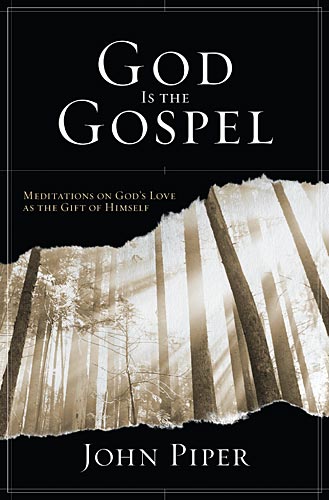 John Piper is always a challenging read for me. He stretches my horizons, challenges my paradigms, and forces me to dig deeper into Scripture. In God Is The Gospel, I felt like he was writing to me specifically in my role as a pastor of a growing church.
The gospel is good news, right? But good news about what? Or more importantly: Who? Here’s how Pastor John himself describes why he wrote this book:
“The point of this book is that the Christian gospel is not merely that Jesus died and rose again; and not merely that these events appease God’s wrath, forgive sin, and justify sinners; and not merely that this redemption gets us out o Hell and into Heaven; but that they bring us to the glory of God in the face of Jesus Christ as our supreme, all-satisfying, and everlasting treasure. ‘Christ… suffered once for sins, the righteous for the unrighteous, that He might bring us to God’ (1 Peter 3:18).”
Too many times as a pastor I’m guilty of pointing people to the gifts of salvation, and not to the Giver of salvation. The gifts are wonderful, but the Giver of the gifts is supremely important!
This is a book about glorifying God. This is a book about worshiping God for Who He is, and not for what He gives.
Everyone will benefit from reading this book. But I would most recommend it to those who are called to preach the gospel of Jesus Christ.
My most-viewed posts


