A Pastor’s Work

I have blogged before about how heavy I feel the responsibility of being a pastor. When I think of the awesome responsibility God has given me as His under-shepherd to His precious people, I am humbled.

Humility is a good thing.

Since the pastor is “out in front” at every gathering, speaking to the people, leading the church in a particular direction, people tend to view their pastor as their leader. And without humility, the people’s esteem can “puff up” a pastor. Unfortunately, I’ve been around pastors who have gotten a little too, shall I say, “puffy.”

So this dose of godly wisdom from J.C. Ryle is just the preventative medicine I need:

“We should beware of resting our claim to the people’s attention on our outward [pastoral] call only. It will never do to tell our people, ‘We are your ordained ministers, and therefore you must believe and follow whatever we tell you.’ On the contrary, we must tell them to prove our teaching by Scripture, and not to receive it unless it is scriptural. That man has no right to expect the attention of his people, who does not preach the Gospel and live the Gospel. The rule of Paul is clear on this point. He told the Thessalonians to esteem their ministers very highly ‘for their work’s sake’ (1 Thessalonians 5:13). When there is no ‘work’ done, it is vain to expect the people’s esteem.

Pastors, do the work of humbly working as God’s servant to His people. Use your position to serve, not to presume upon others.

Church attendees, make us pastors “prove our teaching by Scripture.” We don’t get to say, “Because I’m the pastor and I say so!”

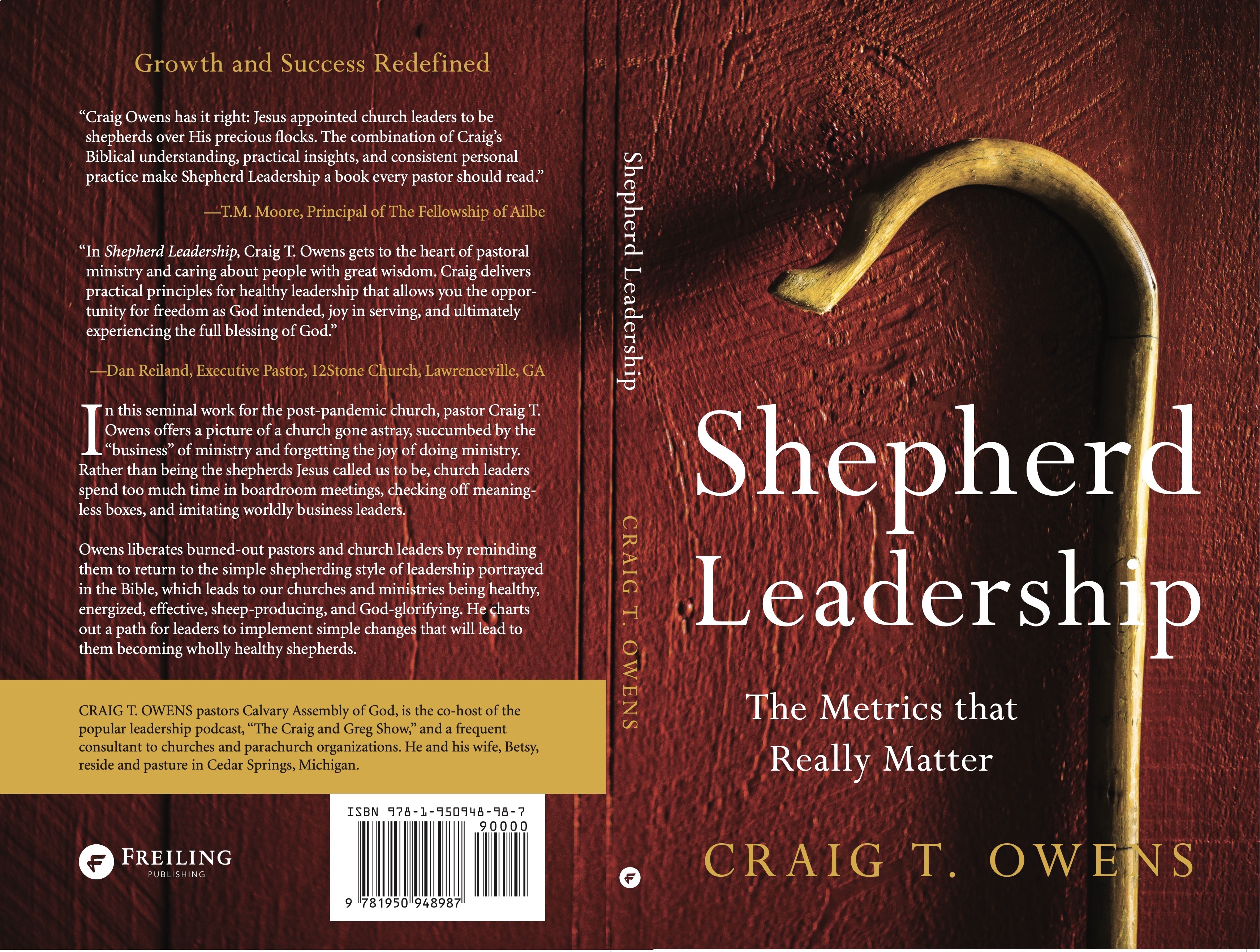
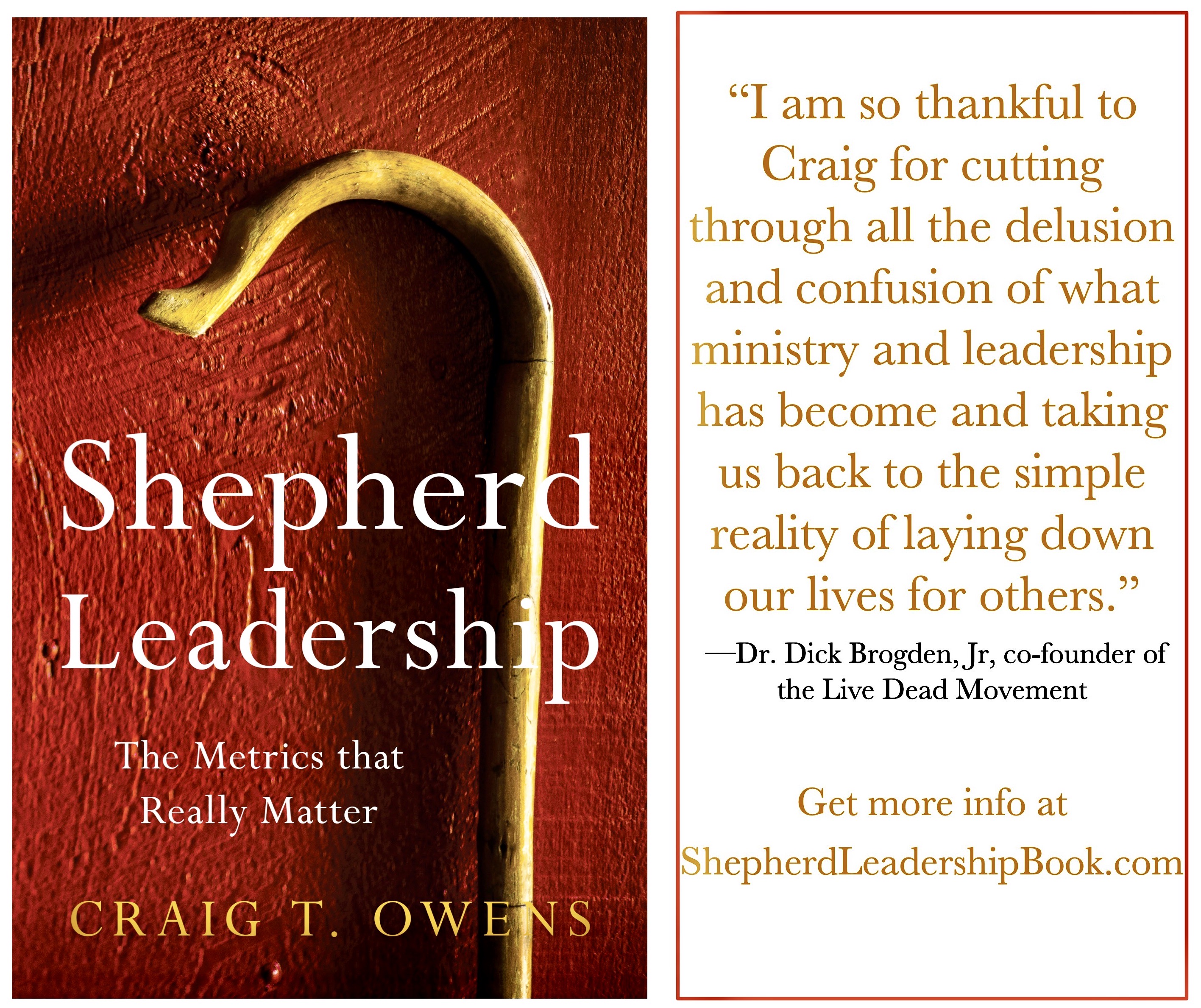
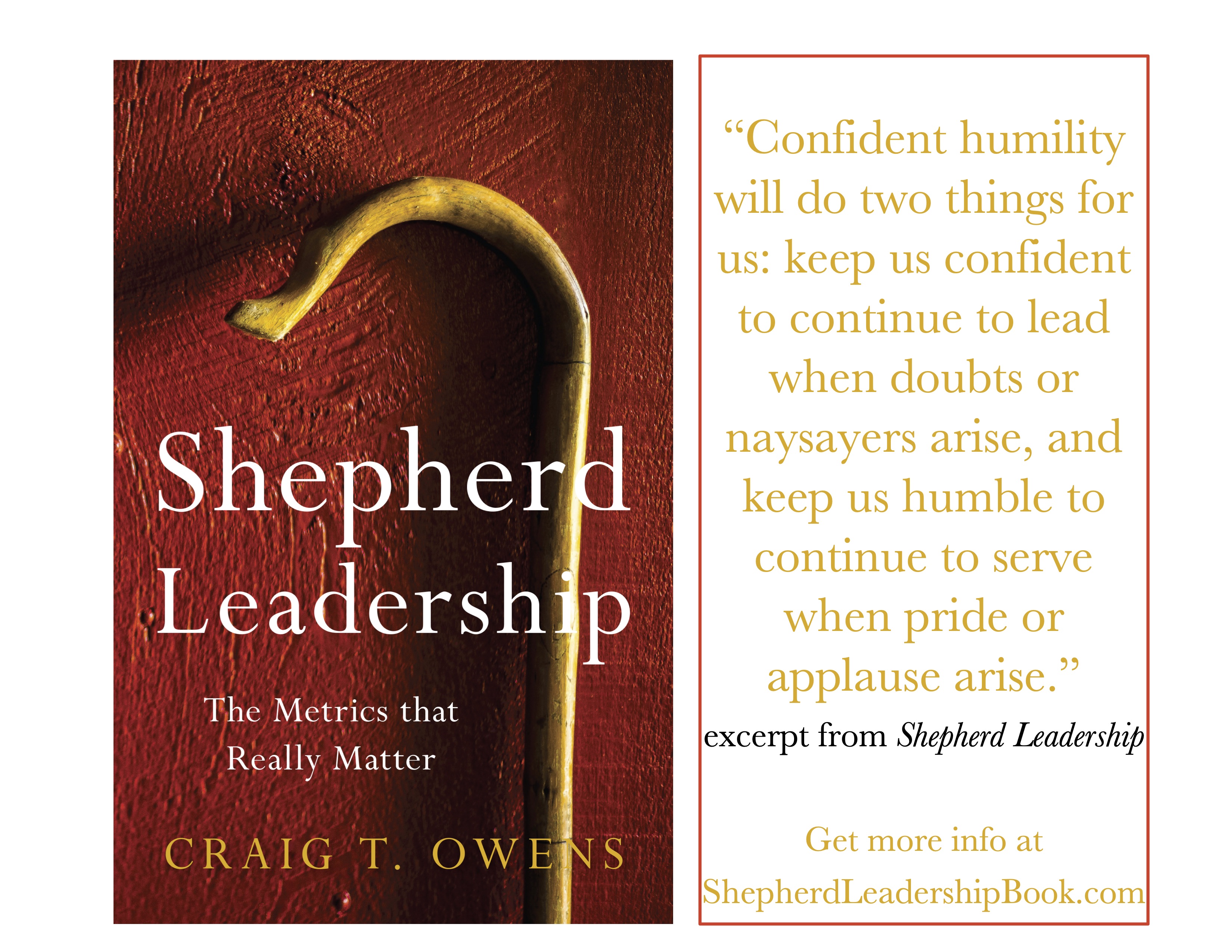
UPDATE: This post went into my thinking for my book Shepherd Leadership: The Metrics That Really Matter.

More Amateurs Needed

Did you know that the origin of the word clergy comes from the Latin meaning “learned men”? These are the men and women who are supposed to lead our churches, because they have the education that others don’t. They are professionals.

Now compare that with the definition of laity: “the people outside of a particular profession, as distinguished from those belonging to it.”

Did you catch that? The laity are outside and uneducated. They are amateurs.

The origins of clergy is traced back to the 12th century, and laity first appears in the 16th century. But long before this, the Apostle Paul had a different idea —

Take a good look, friends, at who you were when you got called into this life. I don’t see many of “the brightest and the best” among you, not many influential, not many from high-society families. Isn’t it obvious that God deliberately chose men and women that the culture overlooks and exploits and abuses, chose these “nobodies” to expose the hollow pretensions of the “somebodies”? (1 Corinthians 1:26-28 from The Message, emphasis added)

There is a HUGE PROBLEM when we think that only the professional clergy is equipped to do the ministry of the church! What makes a healthy church (like the first century church we read about in the book of Acts) is when EVERYONE is actively involved in ministry.

These words from Howard Hendricks are tough to hear, but right on target:

“I believe a great problem in evangelicalism today—whether in the local church, missions, seminary education, or what have you—is we have too many big-time operators! And too few servants. … 

“The typical church hires a clergyman to rob them of the privilege of exercising Christ’s gifts. … The greatest curse on the Church today is that we are expecting a small group of professionals to get God’s work done.”

I hope I haven’t stepped on too many toes with this one. My intent is not to offend, but to get the church thinking. I want to see EVERYONE that calls themselves a Christian actively involved in ministry.

Servant

Someone said to me, “Great job!” and then not too much later I heard someone else say, “Umm, not so much!” What’s a guy to do?

Here’s what I refocus on: I’m living for the approval of only One.

The only comment that matters to me is God saying, “Well done, good and faithful servant.”

Well done = done with excellence.

Well done = finished well, not just well begun.

Good = pleasantly done.

Faithful = trustworthy, reliable.

Servant = not my will, but Yours be done.

And when it comes to praise and criticism from men, I like this:

“Every man needs a blind eye and a deaf ear, so when people applaud, you’ll only hear half of it, and when people salute, you’ll only see part of it. Believe only half the praise and half the criticism.” —C.H. Spurgeon

UPDATE: This idea of servant leadership is a key component of my book Shepherd Leadership: The Metrics That Really Matter.

Leadership Is & Isn’t

“Does it make you a king to have more and more cedar? … [Your father] defended the cause of the poor and needy, and so all went well. Is that not what it means to know Me?” declares the Lord. (Jeremiah 22:15-16)

Leadership has both an IS and ISN’T component.

Leadership isn’t about me.
Leadership isn’t about getting comfortable.
Leadership isn’t about getting.
Leadership isn’t about a title or perks.
 
Leadership is about others.
Leadership is about being uncomfortable with the discomfort of others.
Leadership is about giving.
Leadership is about serving.

True leaders know God and show God to others.

UPDATE: So many of these thoughts were the seed thoughts for topics I elaborate on in my book Shepherd Leadership: The Metrics That Really Matter.

Who’s Following?

I have a rather large segment of my library dedicated to leadership books. They cover everything from team building, to personal leadership, to leading a non-profit organization, to leading a for-profit company. One of the recurring teachings goes something like this:

If you want a picture of your leadership, look at who’s following you.

Do you buy that?

I thought I did, but then I read this:

Later, Levi invited Jesus and His disciples to his home as dinner guests, along with many tax collectors and other disreputable sinners. (There were many people of this kind among Jesus’ followers.)

Maybe these tax collectors and other disreputable sinners were attracted to Jesus because they could tell how much He loved them.

So I have to ask myself, “How many ‘disreputable sinners’ are hanging around me?” Maybe I need to take another look at my heart for the lost.

How about you?

How Noble Do You Want To Be?

Sometimes I find the most thought-provoking phrases buried in the middle of passages in the Bible that seem somewhat obscure. Take this line from the book of Nehemiah, where we read who’s rebuilding which section of the Jerusalem wall…

The next section was repaired by the men of Tekoa, but their nobles would not put their shoulders to the work under their supervisors.

This chapter lists all kinds of people working on the wall: priests (including the high priest) … goldsmiths … perfume-makers … temple servants … mayors … even Shallum’s daughters. Everyone, it seems, was willing to pitch in except these nobles.

Many times in the Old Testament this Hebrew word for nobles is used to describe God Himself. In other words, these nobles thought they were far too important to put their shoulders to the work.

Jesus washed feet. The noblest of us all came to earth to serve even the lowest of the servants.

Which do you think was really the most noble?

How noble do you want to be?

What Do You Know About Leadership…

…and what are you doing with it?

I read an interesting verse about King David:

And David knew that the Lord had established him as king over Israel and that his kingdom had been highly exalted for the sake of His people Israel.

“David knew” reminds me of a line from Jesus’ life: Jesus knew that the Father had put all things under His power (John 13:3).

David and Jesus both knew that their positions of leadership were God-granted. And with that knowledge, they both wanted to further expand God’s Kingdom.

They didn’t keep the power for themselves; they didn’t lord it over others; they didn’t hoard the blessings; they didn’t use their leadership for personal gain; they used their God-granted authority to serve others.

They were confidently humble leaders.

If you are in a position of leadership, it’s not for you nor is it because of you. Leadership is from God, through you, to benefit others and to expand His Kingdom.

What do you know about leadership … and what are you doing with it?

UPDATE: This is one of the seed thoughts that went into my book Shepherd Leadership: The Metrics That Really Matter.

Private Good Deeds

Betsy and I went to school conferences and discovered that our youngest son has been staying after school—by his own choice—to help his teacher tidy up the classroom. Are you kidding me?! This is the first I had heard of this. Wow, am I one proud Dad!

I’m not sure if he knows this verse or not, but Brandon is living out what Jesus said:

Don’t do your good deeds publicly, to be admired by others, for you will lose the reward from your Father in heaven.

He’s serving just because he wants to serve. I didn’t know about it, but his Heavenly Father did. Thank you, Brandon, for giving me this wonderful example of servant leadership!

Serve More To Lead Better

Listen to the podcast of this post by clicking on the player below, and you can also subscribe on AppleSpotify, or Audible. 

As King Solomon’s son Rehoboam was ascending the throne, he received some wise counsel:

If you will be a servant to these people and serve them and give them a favorable answer, they will always be your servants.

I also like the way The Message paraphrases this same verse:

If you will be a servant to this people, be considerate of their needs and respond with compassion, work things out with them, they’ll end up doing anything for you.

In other words: the more you serve, the better you will lead. Unfortunately, Rehoboam chose to reject this counsel, and his leadership disintegrated.

If you will be a servant [position] and serve [attitude] they will serve you.

This Hebrew word for serve is used quite a bit in the Old Testament. Interestingly, the first five times it is used are all in the agricultural sense: farming the land, tending to the plants, working, waiting, and ultimately harvesting. Leadership is never developed quickly. Servant leaders must be in it for the long haul.

Jesus also emphasized servant-leadership

But among you it will be different. Whoever wants to be a leader among you must be your servant, and whoever wants to be first among you must be the slave of everyone else.

Bottom line: The more you serve others, the better you will lead others. 

I take a deep dive into this kind of leadership in my book Shepherd Leadership.

►► Would you please prayerfully consider supporting this ministry? My Patreon supporters get behind-the-scenes access to exclusive materials. ◀︎◀︎

How A Leader Should Bring Correction

Listen to the podcast of this post by clicking on the player below, and you can also subscribe on AppleSpotify, or Audible.

Bringing correction is one of the toughest jobs for those in leadership, but it’s a responsibility that cannot be delegated or ignored. In order for correction to be effective, it must not be too light or too heavy. Unfortunately, many of us have experienced far too many ineffective forms of leadership correction.

I read a great example of how to properly correct in the life of Samuel. In 1 Samuel 12, the people had gotten off track, and Samuel lovingly and effectively brought them back into line. Here’s what his example teaches us on how to correct followers:

1.  Shared history (v. 2). Samuel reminded them of what had happened in their history, and even what they had experienced together. “Newbie” leaders need to be cautious about bringing correction that violates an organization’s established culture.

2. Integrity (v. 3). Samuel’s words and lifestyle lined up. That doesn’t mean he never made a mistake, but it does mean that he was willing to acknowledge and repair his mistakes. Nothing is worse than a leader who says, “Do as I say, not as I do!”

3. Common ground (vv. 6-11). A leader needs to get everyone on the same page. Find something somewhere on which everyone can agree, and then move forward from there.

4. Just say it (vv. 12-13). Don’t beat around the bush; don’t try to bring correction through a parable; don’t soften the blow. Just say it: “This is where I believe you made a mistake.” Far too many leaders talk too much and leave their followers saying, “Huh?” If you are going to bring correction, make sure your followers know exactly what it is you are correcting.

5. Give the remedy (vv. 14-15, 20-21). Samuel pointed out the error, and he just as clearly told them how to get back on track. The remedy should be as clear and simple as possible.

6. Remove the fear (vv. 20, 22). Don’t let the corrected follower be afraid of you! Fear will never re-establish trust. Samuel couldn’t have been more clear on this. He literally said to the Israelites, “Do not be afraid.”

7. Demonstrate servant leadership (v. 23). At the close of the meeting, Samuel said he would do two things: “I will continue to pray for you, and I will continue to teach you.” In telling them this, Samuel was really saying, “Let’s walk through this together.”

If you lead your family, your church, your company, or your team, you are going to have to bring correction at some point. When you need to do this, take some time to review this list and bring correction the way Samuel did: lovingly and effectively.

P.S. You can also check out this post where the apostle Paul gives us another example of how to handle correction properly.

►► Would you please prayerfully consider supporting this ministry? My Patreon supporters get behind-the-scenes access to exclusive materials. ◀︎◀︎