It’s extremely rare that a 19th-century pastor, Jesus Christ, and a noted atheist would all agree on something. But as we wrapped up our series on love today, I had to share these quotes (the added emphasis in the quotes is mine)—
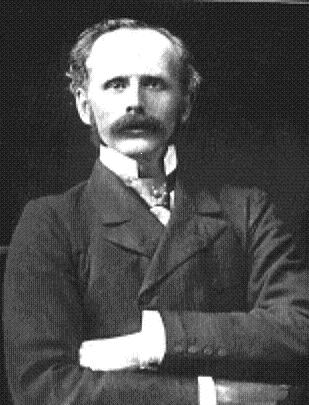
“Never offer men a thimbleful of gospel. Do not offer them merely joy, or merely peace, or merely rest, or merely safety; tell them how Christ came to give men a more abundant life than they have, a life abundant in love, and therefore abundant in salvation for themselves, and large in enterprise for the alleviation and redemption of the world. … Only this fuller love can compete with the love of the world.” —Henry Drummond
“If you love only those who love you, why should you get credit for that? Even sinners love those who love them! And if you do good only to those who do good to you, why should you get credit? Even sinners do that much! … By this all men will know that you are My disciples, if you truly love one another.” —Jesus (Luke 6:32-33; John 13:35)
“Nothing can penetrate the loneliness of the human heart except the highest intensity of the sort of love the religious teachers have preached.” —Bertrand Russell
We are taking a practical look at the incredible definition of love in 1 Corinthians 13. We’re doing this in the context of learning how to love the “unloveable”—or maybe I should say, loving those who are the most resistant to real love. If we can show them love, how much more will the love of Jesus be seen!
All of these verbs are present tense verbs. That means they aren’t exhausted in the past, and they aren’t waiting for future conditions to improve—they are in operation NOW.
Far too many people know Christians more by what we’re against than by what we’re for. So where the biblical text say “love does not” or “love isn’t,” I’ve changed it into the positive “love is.”
You can read about the first five attributes love love by clicking here.
The next five attributes are:
Love is graceful
The root word means something that should be covered up, or something we’re ashamed of. Because our words and actions are graceful, they are things we wouldn’t have to defend, or explain, or apologize for later. They are words and actions that wouldn’t embarrass us.
“Agape will do nothing that misbecomes it.” —Matthew Henry
Love knows our relationship > my rights
True love “does not demand its own way” (New Living Translation) nor does it “insist on its own rights” (Amplified Bible). Instead it always seeks ways that the relationship can be repaired or enhanced, even if that means giving up something I consider to be “my right.”
NOTE: I’m not saying that you become a doormat. This is not a license for someone to abuse you, but it is a call for us to balance our responses. Romans 12:18 says as far as it depends on you, live at peace with everyone.
The Amplified Bible says it well: love isnot touchy or fretful or resentful.
This Greek word means not getting stirred up or exasperated. So we need to lighten up!
There are some places where we’ve become too sensitive, too touchy, too short-fused. The fire of hurt has replaced the fire of love. So Matthew Henry advises us: “Where the fire of love is kept in, the flames of wrath will not easily kindle, nor long keep burning.”
Love is forgiving
The New International Version says lovekeeps no record of wrongs.
This Greek phrase speaks of an accountant tallying up the hurts (where there is an overdrawn account), seeing there is a debt to be paid back, and then appointing himself as the bill collector. True love cancels those IOUs.
We don’t forgive others because they deserve forgiveness, but we forgive others because we received forgiveness from God that we did not deserve!
For if you forgive people their trespasses [their reckless and willful sins, leaving them, letting them go, and giving up resentment], your heavenly Father will also forgive you. (Matthew 6:14 AMP)
Love is God-honoring
Agape loves what God loves and hates what God hates.
Agape loves when people find God’s truth, and hates anything that blocks that pursuit.
Agape loves the sinner and hates the sin.
“The sins of others are the grief of an agape spirit [not] its sport or delight; they will touch it to the quick….” —Matthew Henry
Here’s where the real test comes in: How will you apply these attributes of love to someone in your life? More specifically: to someone you think is “unloveable”?
I know you have someone in your life that you think is unloveable. With that person’s face clearly in mind, how will you fill in the blanks:
I can be graceful in…
I can give up my right to…
I need to lighten up in this area…
I must forgive them for…
I need to pray for a breakthrough in…
If you would like a downloadable PDF of this worksheet, click here –> Love is… worksheet 2
Love is not an emotion. Real love is a commitment. Real love discovers beauty in another that they couldn’t even see themselves.
Guys, this song from Plumb is written from a woman’s perspective; it’s what she wants you to see in her. Valentine’s Day is a great day to start discovering, appreciating and celebrating the beauty in her… but don’t let it stop there. Let it become more beautiful every day!
The greatest definition of love in the history of mankind is given to us in 1 Corinthians 13. This is the “gold standard” to which all of us should strive to pattern our lives.
But notice that right at the beginning, Paul says, “Love IS” (verse 4). Not love feels good or even love does; but love is. Love is not love because it makes us feel good. Love is not love because we did something nice. Love is love because it measures up to this standard in 1 Corinthians.
Here are the first five attributes of love.
Love is patient
Patient love doesn’t lose heart, but stays hopeful.
It endures patiently and bravely in enduring misfortune and disappointment.
“It can endure evil, injury, and provocation, without being filled with resentment, indignation, or revenge.” —Matthew Henry
Love is kind
It is pleasant and courteous.
It both seizes opportunities and makes opportunities to show kindness.
…as far as it depends on you, live at peace with everyone. (Romans 12:18)
Love is catching others doing something good
The biblical phrase is love is not envious, but I want to turn the positive into a negative. Far too often we Christians are known more for what we against, not what we’re for. So the positive way of saying this: we rejoice when others succeed. Or, we catch them doing something good.
Love is complementing others
Again, we turn the negative love does not boast into a positive, and say love complements others.
Agape raises the value of the object of its love.
Love is others-focused
Again, turning the negative love is not proud into a positive.
Do nothing out of selfish ambition or vain conceit, but in humility consider others better than yourselves. (Philippians 2:3)
Here’s where the real test comes in: How will you apply these attributes of love to someone in your life? More specifically: to someone you think is “unloveable”?
I know you have someone in your life that you think is unloveable. With that person’s face clearly in mind, how will you fill in the blanks:
I can show patience by…
I can be kind to them by…
I can rejoice in their success in this area…
I can applaud them in their…
I can see them becoming…
If you would like a downloadable PDF of this worksheet, click here –> Love is… worksheet 1
Listen to the podcast of this post by clicking on the player below, and you can also subscribe on Apple, Spotify, or Audible.
Love is not always flowery and sweet, where everyone gets along, and no one is ever mean or even unkind. Actually that’s not love; that’s selfishness. You’re saying, “I will love you because it makes me feel good. I get something special out of this when I am kind and loving to you.”
The ancient Greeks had different words for love. Whereas we use love for food (“I love my pasta”), and the same word for special people (“I love my wife”). But we all know that I’m not really saying my wife and a plate of spaghetti are on the same level.
So the Greeks had a word for love for the inanimate (like food and music), and a word for this-makes-me-feel-so-good (like sex and alcohol), and a word for treating someone humanely or kindly (sometimes called brotherly love). These are well-known loves, but they are very fragile. The law of diminishing returns says that each time I experience one of these loves, its ability to please me the next time is slightly reduced, until at one point this thing/person no longer satisfy me at all. In fact, they may even cause my stomach to churn in nausea.
But there was one more word the Greeks used for love, that the biblical writers used almost exclusively. This word (agape) is not tuxedos and dancing gowns and chandeliers. This love shows up in work clothes, with callouses on its hands and knees, because it’s determined to serve someone else no matter what!
This is the kind of love God exhibited toward us—God shows and clearly proves His own love for us by the fact that while we were still sinners, Christ died for us (Romans 5:8).
And this is the kind of love Jesus commanded us to exhibit toward others… even toward those we think are unloveable—By this all men will know that you are My disciples, if you love one another. … If you love those who love you, what credit is that to you? Even “sinners” love those who love them. And if you do good to those who are good to you, what credit is that to you? Even “sinners” do that (John 13:35; Luke 6:32-33).
This is the kind of full love that those apart from Jesus Christ do not know, but they can see it and be drawn to it if Christians will demonstrate it. Henry Drummond said this—
“Never offer men a thimbleful of gospel. Do not offer them merely joy, or merely peace, or merely rest, or merely safety; tell them how Christ came to give men a more abundant life than they have, a life abundant in love. … Then only can the gospel take hold of the whole of a man, body, soul and spirit. … Only a fuller love can compete with the love of the world.”
Let’s show the world a fuller love, and in so doing we will show them Jesus!
Jesus came to love us. And for those that have received His love, He commands us to love others just like He loved us. In fact, Jesus said all of the commandments in the Bible could be summed up in just one word: LOVE.
Love the Lord your God with all your heart and with all your soul and with all your mind and with all your strength…. Love your neighbor as yourself. There is no commandment greater than these. (Mark 12:30-31)
But what about people who aren’t very lovable? Are we really supposed to love them? Isn’t there some sort of “escape clause” to let us out of loving those people who get on our nerves, or who are mean to us?
Although you probably already know what the answer is (in case you don’t: we’re commanded to love everyone), the Bible helps us learn how and why to love the unloveable.
If you missed any of the messages in this series, check them out here:
God is not unjust; He will not forget your work and the love you have shown Him as you have helped His people and continue to help them. (Hebrews 6:10)
I don’t work for God’s blessings. I work for God becauseHe has already blessed me!My labor is alabor of love and gratitude!
How do I show I love God?
I help others.
Not just once, but continually. In the next two verses the writer of Hebrews goes on to say that my labor of love should be:
Diligent
Sincere
For as long as I’m alive
Without any laziness
Through faith
With patience
No coasting. No waiting for others to serve me first. No slacking.
God has blessed me so that I can be a blessing to others. This is how I show my gratitude for the blessings of God I have been given—
HARD WORKING LOVE
For those who have been loved by God there’s no other way to live and love.
I want to think clearly about You and exercise self-control in the way I live. Help me to always be looking forward to the gracious salvation that will come when Jesus Christ is revealed to the world, and not looking back on the past.
Help me to live as Your obedient child. I don’t ever want to slip back into my old ways of living only to satisfy my selfish desires. I didn’t know any better before, but I do now. May I be holy in everything I do, just as You, God, who chose me is holy. For You said, “You must be holy because I am holy.”
I know that You have no favorites. You will judge or reward me according to how I live. So I want to live in reverent fear of You throughout my entire life. I know that You paid a costly ransom to save me from the empty life I would’ve had without You. The ransom You paid for me was not mere gold or silver; no, it was the precious blood of Jesus Christ, the sinless, spotless Lamb of God. You chose Him as my ransom long before the world began, and now through Christ I have come to trust in You. I have placed my complete faith and hope in You because You raised Christ from the dead and gave Him great glory.
I was cleansed from my hideous sins when I obeyed the truth, so now I want to show my sincere love to You by living holy and loving others as brothers and sisters. Help me to love others deeply with all my heart. For I have been born again, but not to a life that will quickly end. My new life will last forever because it comes from You, and is confirmed in Your eternal, living Word.
Help me to always live in a way that brings You glory. I pray this in Jesus’ name. Amen!
Friends, I encourage you to use the Bible to enhance your prayer life.
This is a weekly series with things I’m reading and pondering from Oswald Chambers. You can read the original seed thought here, or type “Thursdays With Oswald” in the search box to read more entries.
What Motivates My Service?
If my love is first of all for God, I shall take no account of the base ingratitude of others, because the mainspring of my service to my fellowman is love to God. The point is very practical and clear. If I love someone and he treats me unkindly or ungenerously, the very fact that I love him makes me feel it all the more, and yet Paul says loves “takes no account of evil,” because self is absorbed and taken up with love for Jesus Christ.
If you are going to live for the service of your fellowman, you will certainly be pierced through with many sorrows, for you will meet with more base ingratitude from your fellowman than you would from a dog. You will meet with unkindness and “two-facedness,” and if your motive is love for your fellowman, you will be exhausted in the battle of life. But if the mainspring of your service is love for God, no ingratitude, no sin, no devil, no angel, can hinder you from serving your fellowman, no matter how they treat you.
The Bible tells me to love my neighbor as I love myself. But I also know that my heart is naturally evil, that I am naturally self-centered and self-absorbed. I can only love myself correctly if I see myself correctly, and that can only happen if my heart has been made new through the forgiveness of my sins.
That’s why the first greatest command is:Love the Lord your God with all your heart, and with all your soul, and with all your mind, and with all your strength (Mark 12:29-30). When I love God first and best, I can see myself correctly: As a trophy of His grace. Then—and only then—can I love others in a way that will never be exhausted, nor offended; nor will my motivation to love my fellowman be diminished by others’ ingratitude.
Out of the Reformation came five sola statements—five statements that tried to bring people back to the purity of the gospel message. This week as I studied to prepare my message on sola fide (justification with God by faith alone), I was struck by how in need of another reformation we are today!
That shouldn’t be surprising, because satan is always trying to so sneakily get us off track. So he gets people believing that they don’t need faith in God, that God is a myth, or if He does exist, He’s really not that involved in our individual lives. For these people, satan tries to get them to buy into this lie:
Works > Faith
In other words, what you can do for yourself is more important than the faith you can place in anyone (or in The One).
Some people might accept that the approach to God is through faith, but then they feel they have to add something to their faith in order to stay in God’s good graces. These people have bought into the lie:
Faith + Works
And then there are some that go to the far extreme of thought that faith means utter inactivity on their part. They have received forgiveness from God, so now they can just sit back and enjoy the ride to Heaven. They’ve bought into satan’s lie:
Works ⊈ Faith
In other words, now that I have faith, I don’t have to work anymore. Or even, the more faith I have the less work I have to do. (The mathematical symbol ⊈means faith is not a part of work, nor is work a part of faith.)
The Scripture is clear that you cannot buy your justification by working for it, nor can you keep it by adding works to your faith; however, faith does indeed require work for it to grow and mature.
The Westminster Confession says it this way:
Faith, thus receiving and resting on Christ and His righteousness, is the alone instrument of justification: yet is it not alone in the person justified, but is ever accompanied with all other saving graces, and is no dead faith, but worketh by love.
The bottom line:
Sola Fide = Faith Works
Faith works in justification. Faith works in the atonement. Faith works in sanctification. Faith works in love.



 It’s extremely rare that a 19th-century pastor, Jesus Christ, and a noted atheist would all agree on something. But as we wrapped up our series on love today, I had to share these quotes (the added emphasis in the quotes is mine)—
 “If you love only those who love you, why should you get credit for that? Even sinners love those who love them! And if you do good only to those who do good to you, why should you get credit? Even sinners do that much! … By this all men will know that you are My disciples, if you truly love one another.” —Jesus (Luke 6:32-33; John 13:35)



![Loving The Unlovable [web]](https://craigtowens.com/wp-content/uploads/2013/01/loving-the-unlovable-web.jpg)






 Craig T. Owens