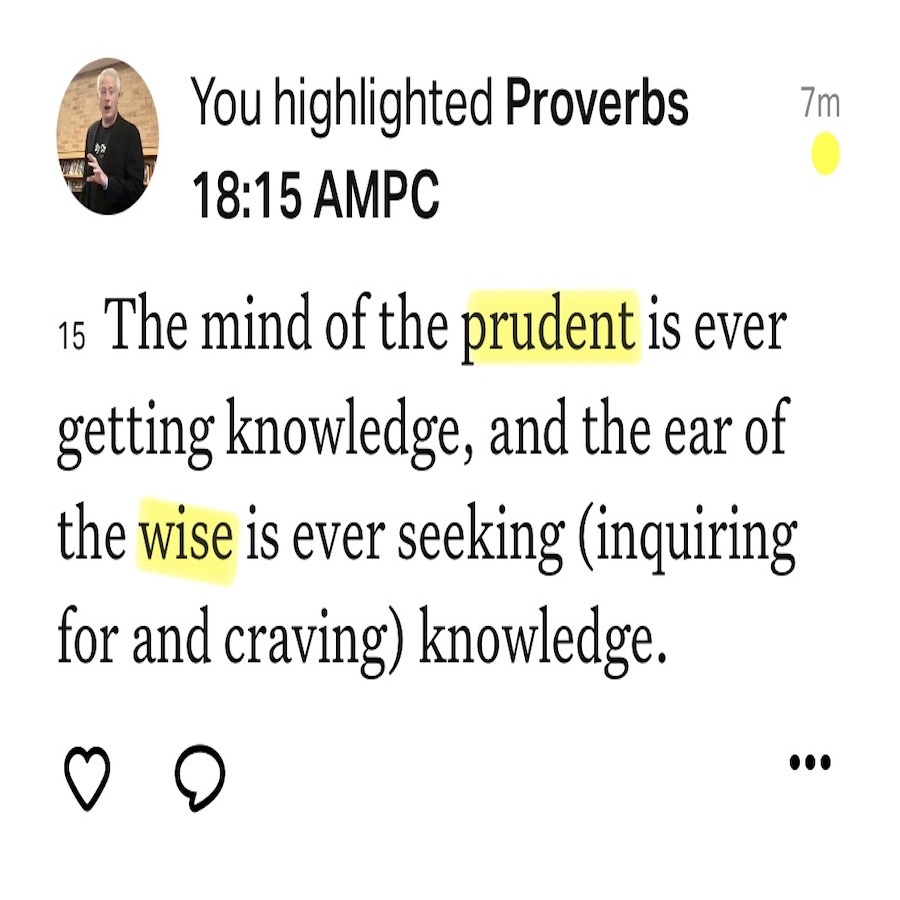
The mind of the prudent is ever getting knowledge, and the ear of the wise is ever seeking (inquiring for and craving) knowledge. (Proverbs 18:15 AMPC)
It is a humble person who says, “I don’t know it all; there is so much more to learn.” Thusthe humble person becomes a lifelong learner. This pursuit increases the learner’s knowledge base, which requires diligence to make sure a know-it-all arrogance doesn’t creep in and block future learning.
Humility starts the process and humility can keep the process going for a lifetime. But be on guard: the more you learn, the easier it is to become proud of your learning. This arrogance will derail future learning and growth.
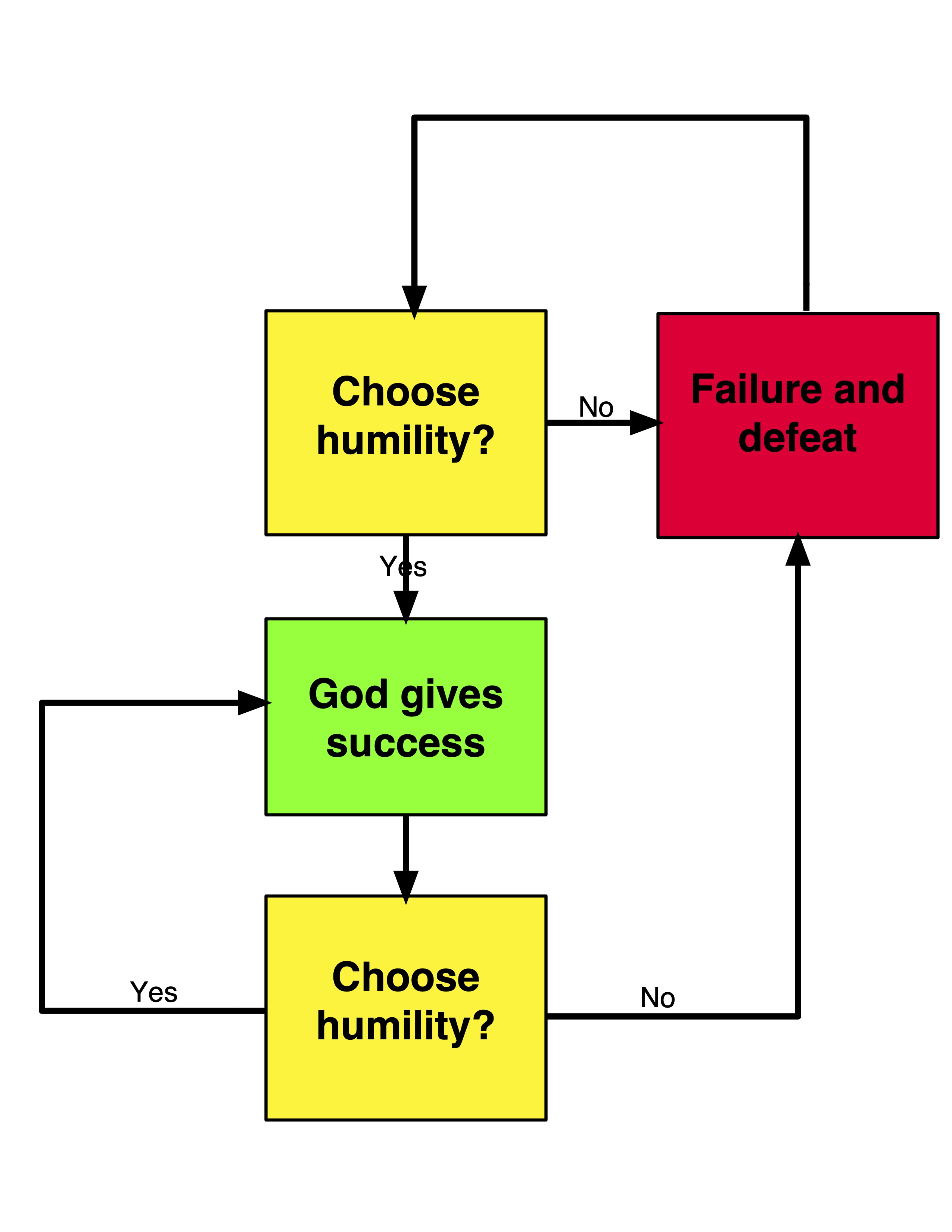
To maintain your gains and to continue to learn more, you have to fight to remain humble. Check out the blog post and flowchart Humility is a Daily Choice.
(1) God allows the humble to know Him more intimately. For though the Lord is high, yet has He respect to the lowly—bringing them into fellowship with Him—but the proud and haughty He knows and recognizes only at a distance (Psalm 138:6).
(2) God gives the humble help to overcome evil. But He gives us more and more grace—power of the Holy Spirit, to meet this evil tendency and all others fully. That is why He says, “God sets Himself against the proud and haughty, but gives grace continually to the lowly (those who are humble enough to receive it)” (James 4:6).
(3) God gives His favor to the humble. …Clothe (apron) yourselves, all of you, with humility—as the garb of a servant, so that its covering cannot possibly be stripped from you…. For God sets Himself against the proud—the insolent, the overbearing, the disdainful, the presumptuous, the boastful—and He opposes, frustrates, and defeats them, but gives grace (favor, blessing) to the humble (1 Peter 5:5).
The bottom line—God mocks proud mockers but shows favor to the humble and oppressed (Proverbs 3:34).
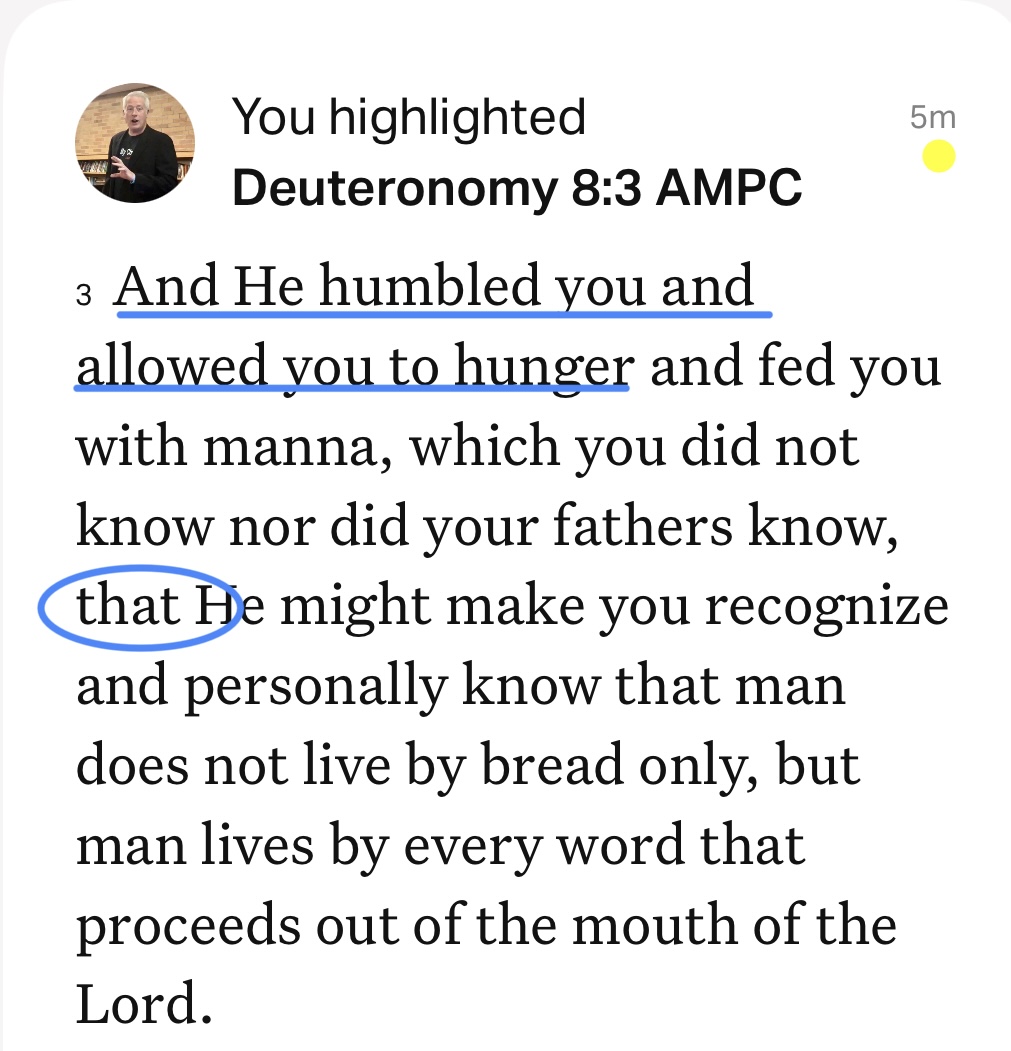
And [God] humbled you and allowed you to hunger and fed you with manna, which you did not know nor did your fathers know, that He might make you recognize and personally know that man does not live by bread only, but man lives by every word that proceeds out of the mouth of the Lord. … Know also in your [minds and] hearts that, as a man disciplines and instructs his son, so the Lord your God disciplines and instructs you. (Deuteronomy 8:3, 5 AMPC)
God allows us to be humbled and hungry so that we can learn that He is our only source. Proud people will not open their hearts and minds to learn because they see themselves as know-it-alls.
Because He loves us, God humbles us. If we will yield, we can learn from God and grow in intimacy with Him. “Know also in your minds and hearts that, as a man disciplines and instructs his son, so the Lord your God disciplines and instructs you” (Deuteronomy 8:5). But the proud are deprived of all of these blessings.
Verses 11-20 add a warning about forgetfulness. Success tends to make us think we have accomplished something in our own power, which stokes our pride. Twice we are told to “beware”…
…of forgetting that God is our Provider
…of thinking we are our own provider
Humility keeps us dependent on God and increasingly intimate with Him. Pride pushes God away.
Check out my series of posts about forgetfulness called Fading Gratitude.
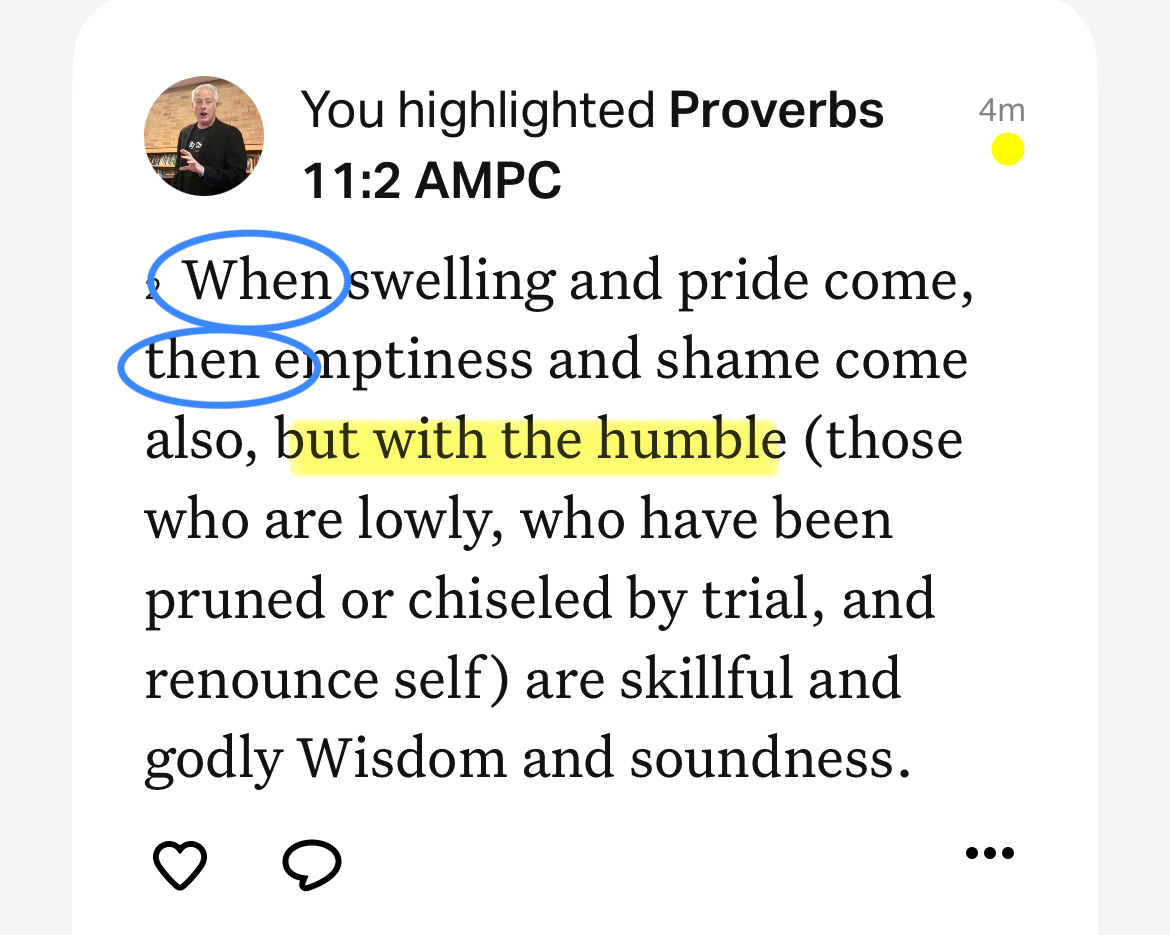
When swelling and pride come, then emptiness and shame come also, but with the humble (those who are lowly, who have been pruned or chiseled by trial, and renounce self) are skillful and godly Wisdom and soundness. (Proverbs 11:2 AMPC)
The pruning, trials, and discipline the Lord allows us to experience are for an important purpose: To allow ourselves to be emptied of ourselves. This humility that empties us of ourselves makes room for us to be full of the presence of God.
On the other hand, remaining full of yourself—also called “pride”—will also bring an emptiness. But this emptiness comes with shame and is absent of God’s fulfilling presence.
You and I must choose one or the other: humility before God or pride in ourselves.
Listen to the podcast of this post by clicking on the player below, and you can also subscribe on Apple, Spotify, or Audible.
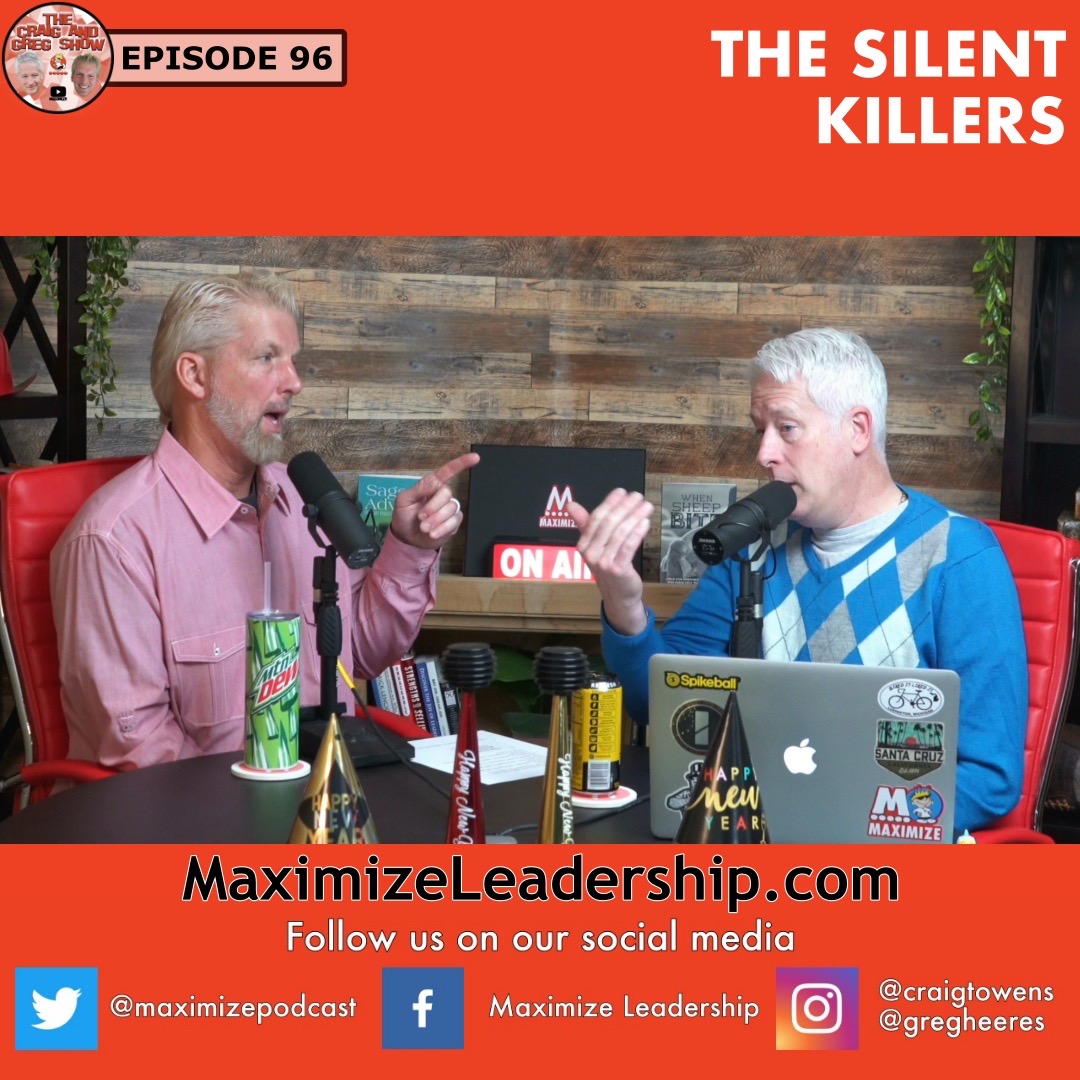
To you the term “silent killer” might conjure visions of a lone assassin from a spy movie, or perhaps more mundane but equally deadly things like high blood pressure or carbon monoxide leaks. In today’s episode Greg and I are discussing toxic behaviors that creep into the workplace. They aren’t quite as deadly as the ones listed above, but can still cause massive anger, frustration, and discord in your organization. Join us as we discuss some of the most prevalent toxins we’ve seen, and highlight how you as the leader are responsible for being the safeguard against them.
[0:20] Toxic things can sneak into our workplace unless we proactively look for them.
[1:35] Leaders need to be honest with their team so their team feels they can be honest with them in return.
[3:43] Greg and I discuss some of the toxic behaviors we have seen that create problems in the workplace.
[3:54] -Gossip
[4:51] -Office Politics
[6:42] -Negative Competition
[8:37] -Negativity
[10:20] -Bureaucracy
[12:46] -Braggadocio
[14:12] -Bashing
[14:46] Toxicity will come to every organization. We as leaders shine in the way we deal with it.
[17:47] When I wrote Shepherd Leadership, I spent two chapters discussing the balance between confidence and humility because of how important it is.
[19:08] One of our main jobs as leaders is to develop others, but toxicity squashes that.
[20:26] A coach can come alongside you to be the “detector” for the silent killers that might be lurking in your organization.
Check out this episode and subscribe on YouTube so you can watch all of the upcoming episodes. You can also listen to our podcast on Spotify and Apple.
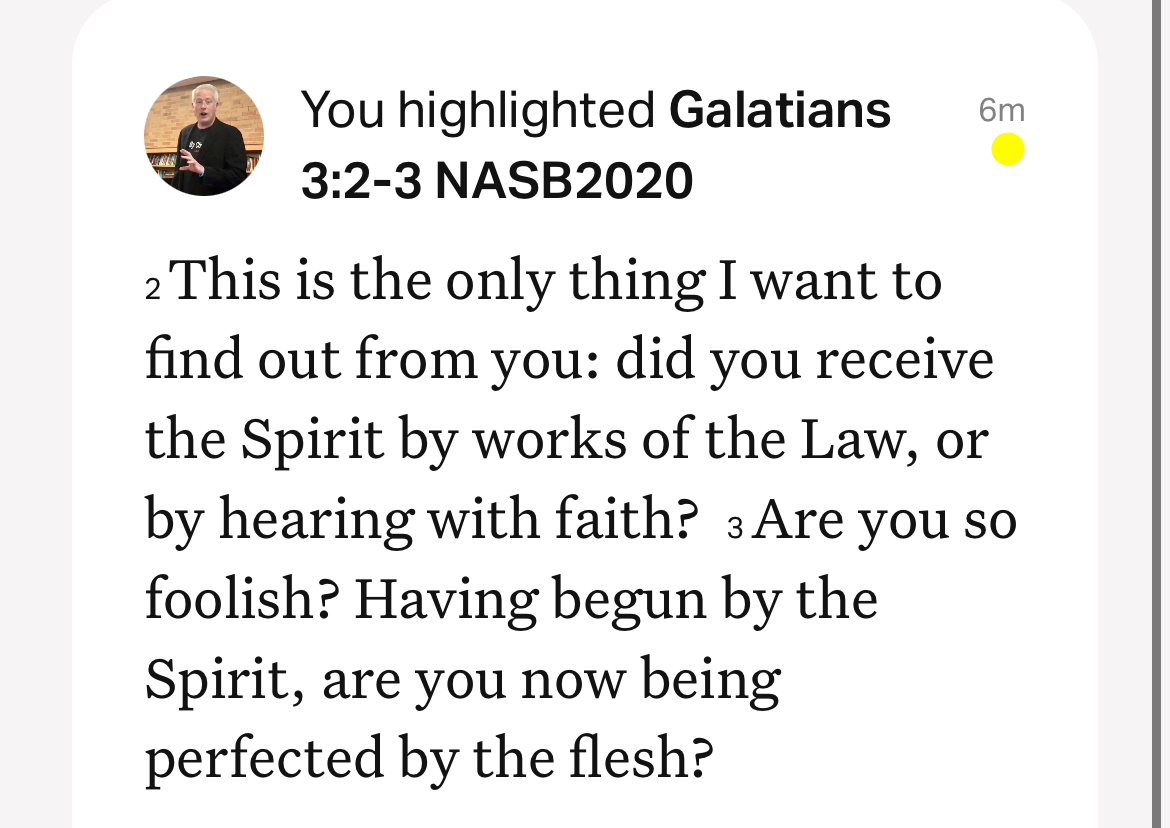
This is the only thing I want to find out from you: did you receive the Spirit by works of the Law, or by hearing with faith? Are you so foolish? Having begun by the Spirit, are you now being perfected by the flesh? (Galatians 2:2-3)
In essence, Paul asks, “Does it make sense that after the Holy Spirit reconciled you to the Father through your faith in Jesus that then God would say, ‘You’re now on your own—figure it out yourself’?”
Of course not!
When the Bible says that God opposes the proud, that means that He stands back from those who say, “I can do it by myself.” But the Scripture goes on to assure us that God gives more grace to the humble. That means that God is an ever-present help to those who say, “I cannot do this by myself.”
Listen to the podcast of this post by clicking on the player below, and you can also subscribe on Apple, Spotify, or Audible.
We’re up to Psalm 131. After this step, only three more steps to go until we reach the top! We’re almost there. We started in a dark valley surrounded by enemies that wanted to keep us in the valley, but we persevered, we matured, and now the end it almost in sight!
Notice that David wrote this Song of Ascent, and I think he may have had a particular instance from his history in mind when he did.
At the height of David’s success, the Bible says that, “David knew that the LORD had established him as king over Israel and that his kingdom had been highly exalted for the sake of His people Israel” (1 Chronicles 14:2). So David used his position to do something very noble: return the ark of the covenant of the Lord to Jerusalem. This was a popular decision that “seemed right to all the people” (13:3).
But it turned out disastrously!
One of the priests overseeing the transportation of the ark of the covenant was killed, and as a result David became angry at God and fearful of Him.
After a cooling off time, David humbled himself. He admitted that he hadn’t “inquired of the Lord” before undertaking this task and then he looked to the Scriptures to find out how to move the ark the correct way (15:12-15).
It’s quite possible David had this incident in mind when he wrote the Song of Ascent for people coming to worship God in the temple where the ark of the covenant of the Lord would be housed.
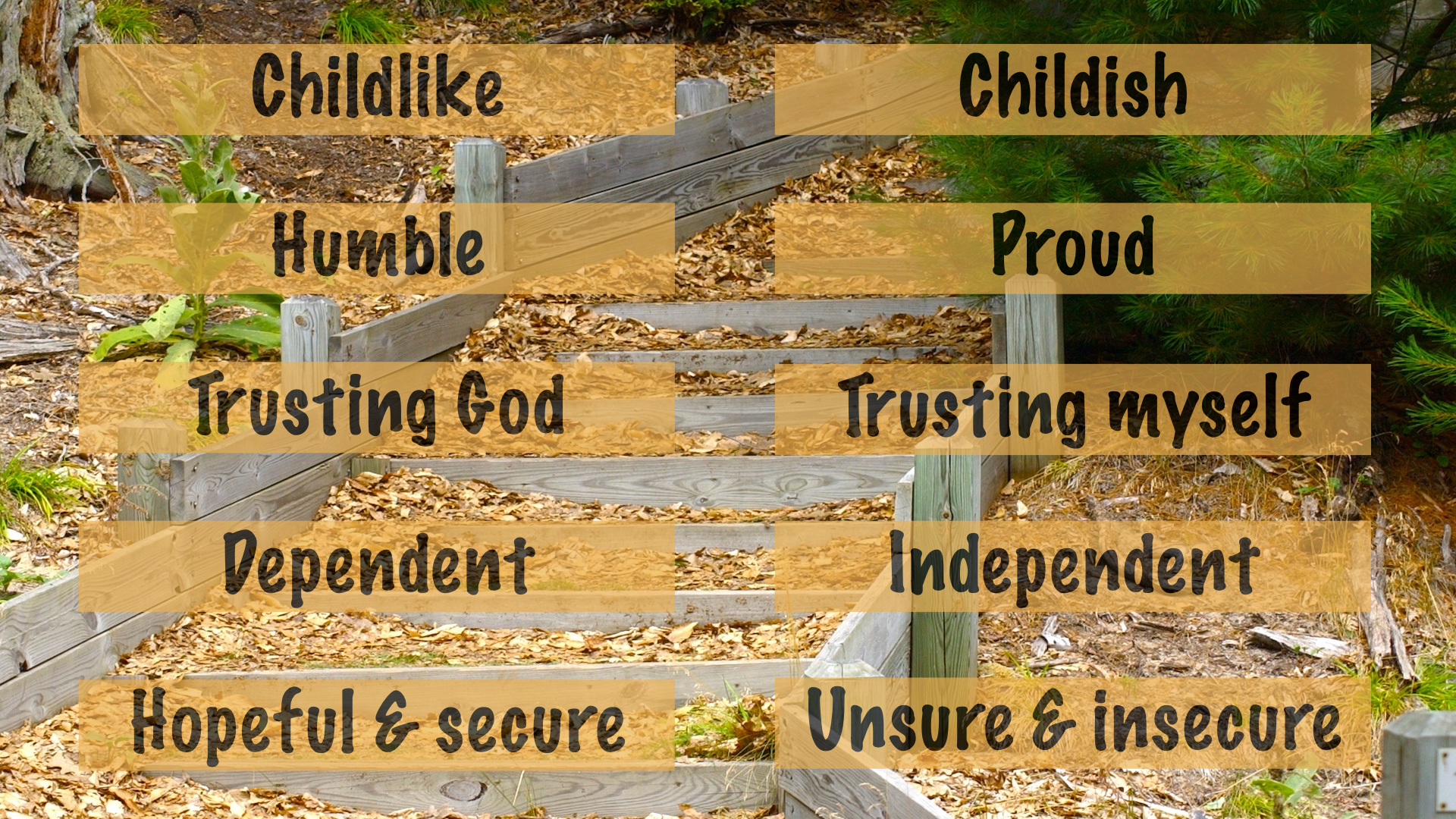
The opening words sound the tone of humility—“my heart is not proud” and “my eyes are not haughty.” I think in the context of this opening verse of Psalm 131, pride can be defined as:
trying to handle things on my own
concerning myself with things outside my control
That means that humility is trusting that God is in total control.
Verse 2 starts with an important word: But. Instead of the fretting of pride, David chooses the trusting of childlike humility. David says that he has “stilled and quieted my soul.” He has chosen childlike humility.
This is exactly what Jesus told us: “Truly I tell you, unless you change and become like little children, you will never enter the kingdom of heaven.Therefore, whoever takes the lowly position of this child is the greatest in the kingdom of heaven” (Matthew 18:3-4).
The consistent message throughout Scripture—from Creation in Genesis 1 until the realization of our eternal reward in Heaven in Revelation 22—is childlike trust in our Heavenly Father.
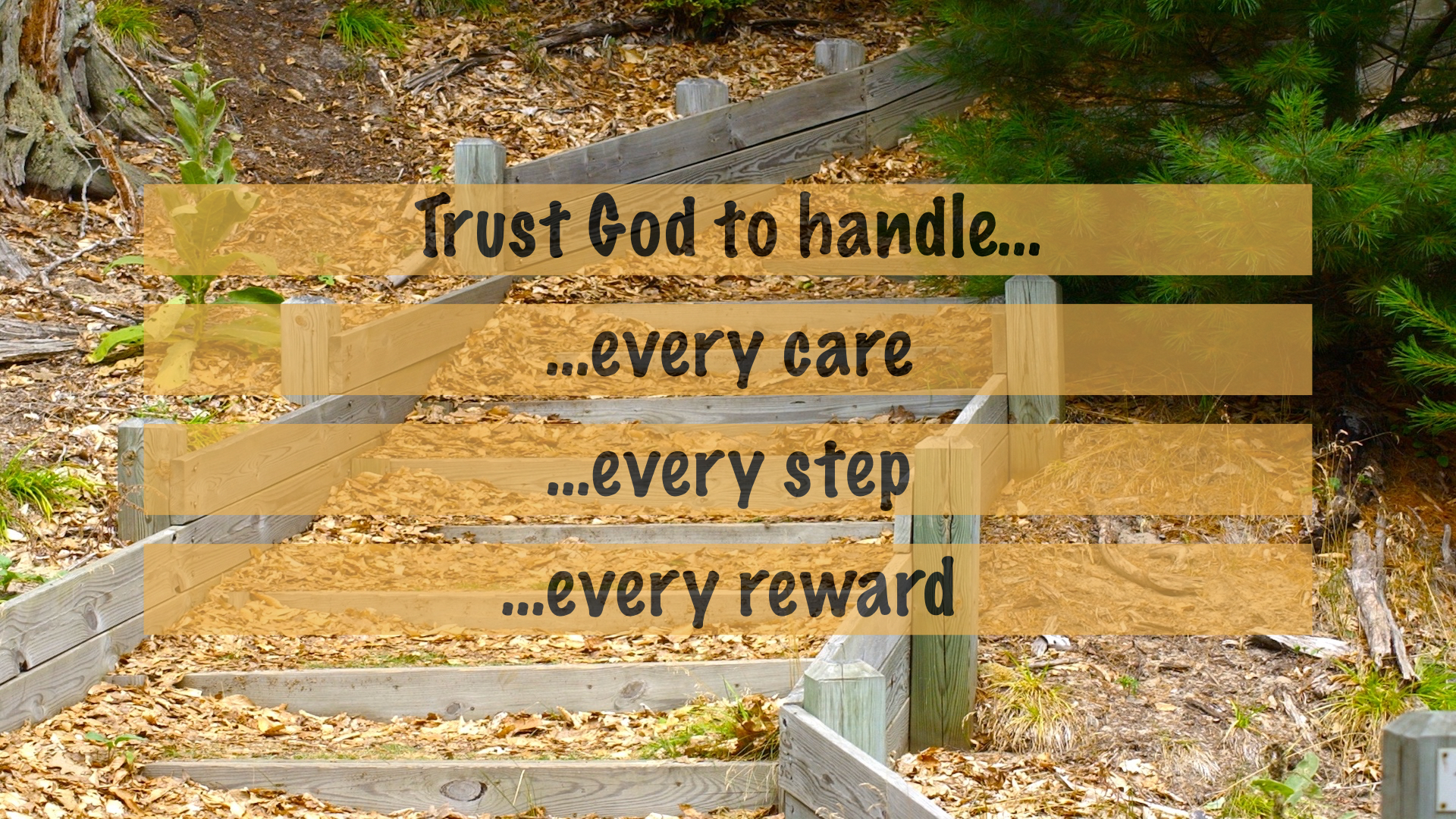
We can trust God to handle…
…every care—1 Peter 5:7
…every step—Proverbs 3:5-6
…every reward—Luke 12:32
Don’t let pride cause you to stumble in the homestretch. The closer we get to the end of the journey, the more childlike we should become.
Now [Uzziah] went out and fought against the Philistines, and broke down the wall of Gath, the wall of Jabneh, and the wall of Ashdod; and he built cities in the area of Ashdod and among the Philistines. God helped him against the Philistines.… Under their direction was an army of 307,500, who could wage war with great power, to help the king against the enemy. Moreover, Uzziah prepared for all the army shields, spears, helmets, body armor, bows, and slingstones. In Jerusalem he made machines of war invented by skillful workmen to be on the towers and the corners, for the purpose of shooting arrows and great stones. So his fame spread far, for he was marvelously helped until he was strong. But when he became strong, his heart was so proud that he acted corruptly, and he was untrue to the Lord his God, for he entered the temple of the Lord to burn incense on the altar of incense. (2 Chronicles 26:6-7, 13-16)
King Uzziah became intoxicated by his success, forgetting that God had made him successful. In his pride, he tried to elevate himself into a position that was not intended for him.
This sounds just like the actions of Lucifer, who was also corrupted by his pride and tried to make himself God.



 The mind of the prudent is ever getting knowledge, and the ear of the wise is ever seeking (inquiring for and craving) knowledge. (Proverbs 18:15 AMPC)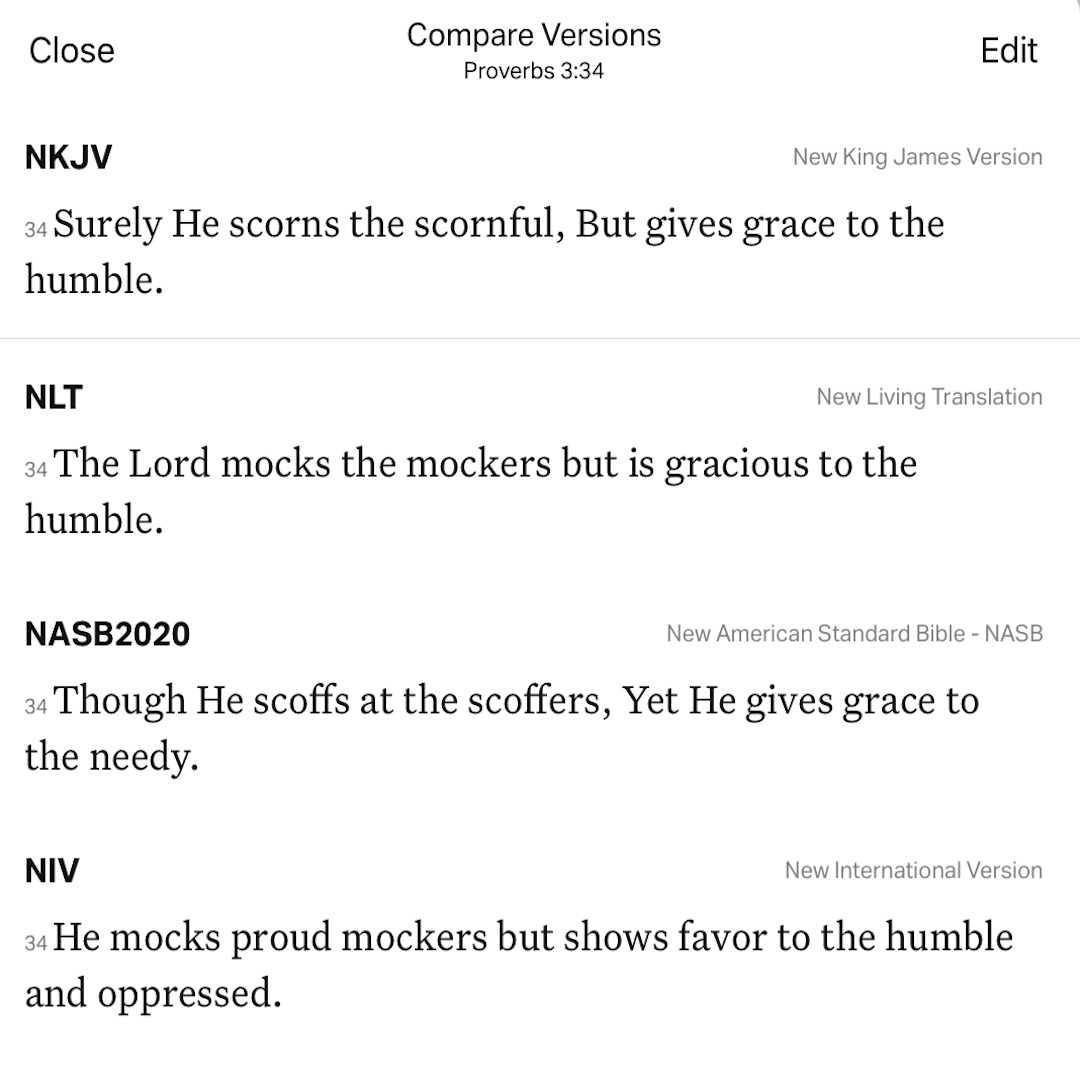



 Craig T. Owens