Listen to the podcast of this post by clicking on the player below, and you can also subscribe on Apple, Spotify, or Audible.
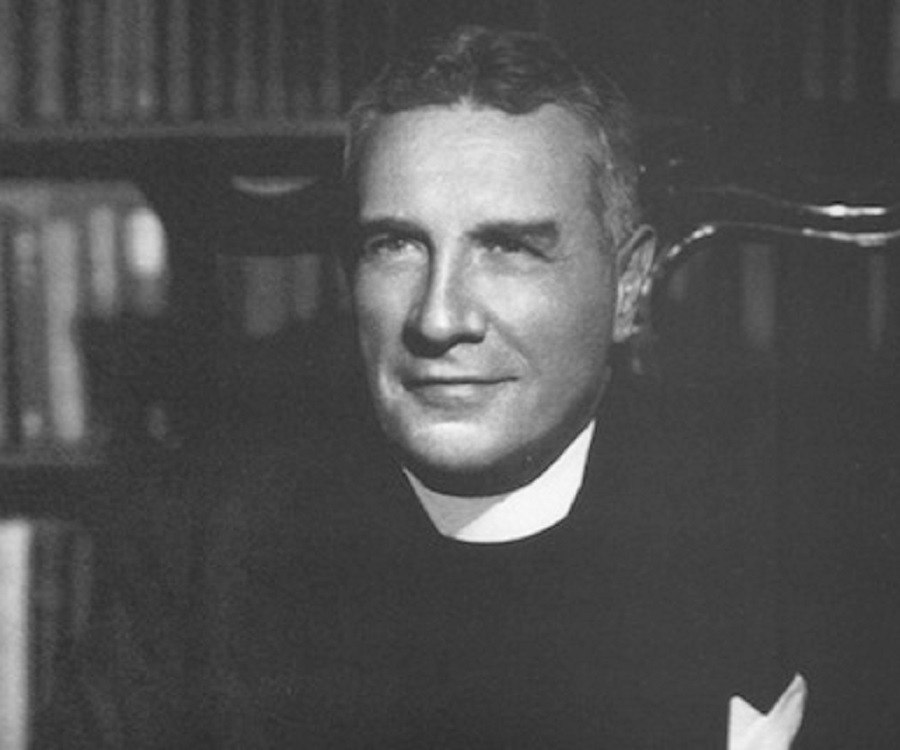
I stay near the door. I neither go too far in, nor stay too far out, The door is the most important door in the world— It is the door through which men walk when they find God. There’s no use my going way inside, and staying there, When so many are still outside, and they, as much as I, Crave to know where the door is. And all that so many ever find Is only the wall where a door ought to be. They creep along the wall like blind men. With outstretched, groping hands, Feeling for a door, knowing there must be a door, Yet they never find it… So I stay near the door.
The most tremendous thing in the world Is for men to find that door—the door to God. The most important thing any man can do Is to take hold of one of those blind, groping hands, And put it on the latch—the latch that only clicks And opens to the man’s own touch. Men die outside that door, as starving beggars die On cold nights in cruel cities in the dead of winter— Die for want of what is within their grasp. They live, on the other side of it—live because they have found it. Nothing else matters compared to helping them find it, And open it, and walk in, and find Him… So I stay near the door.
Go in, great saints, go all the way in— Go way down into the cavernous cellars, And way up into the spacious attics— In a vast, roomy house, this house where God is. Go into the deepest of hidden casements, Of withdrawal, of silence, of sainthood. Some must inhabit those inner rooms, And know the depths and heights of God, And call outside to the rest of us how wonderful it is. Sometimes I take a deeper look in, Sometimes venture a little farther; But my place seems closer to the opening… So I stay near the door.
The people too far in do not see how near these are To leaving—preoccupied with the wonder of it all. Somebody must watch for those who have entered the door, But would like to run away. So for them, too, I stay near the door.
I admire the people who go way in. But I wish they would not forget how it was Before they got in. Then they would be able to help The people who have not even found the door, Or the people who want to run away again from God. You can go in too deeply, and stay in too long, And forget the people outside the door. As for me, I shall take my old accustomed place, Near enough to God to hear Him, and know He is there, But not so far from men as not to hear them, And remember they are there too. Where? Outside the door— Thousands of them, millions of them. But—more important for me— One of them, two of them, ten of them, Whose hands I am intended to put on the latch, So I shall stay by the door and wait For those who seek it. ‘I had rather be a door-keeper…’ So I stay near the door. —Samuel Shoemaker
Listen to the podcast of this post by clicking on the player below, and you can also subscribe on Apple, Spotify, or Audible.
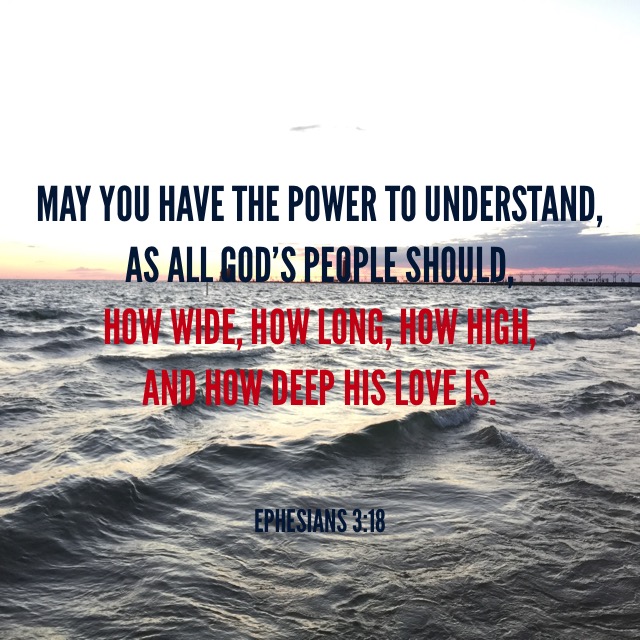
The love of God is greater far Than tongue or pen can ever tell; It goes beyond the highest star, And reaches to the lowest hell; The guilty pair, bowed down with care, God gave His Son to win; His erring child He reconciled, And pardoned from his sin.
Oh, love of God, how rich and pure! How measureless and strong! It shall forevermore endure— The saints’ and angels’ song.
When hoary time shall pass away, And earthly thrones and kingdoms fall, When men who here refuse to pray, On rocks and hills and mountains call, God’s love so sure, shall still endure, All measureless and strong; Redeeming grace to Adam’s race— The saints’ and angels’ song.
Could we with ink the ocean fill, And were the skies of parchment made, Were every stalk on earth a quill, And every man a scribe by trade; To write the love of God above Would drain the ocean dry; Nor could the scroll contain the whole, Though stretched from sky to sky. —Frederick Lehman
Listen to the podcast of this post by clicking on the player below, and you can also subscribe on Apple, Spotify, or Audible.
(A little background for this poem. I live in Cedar Springs, MI, which has been called the Red Flannel Town for years because of the one-piece red flannel long undearwear which was manufactured here. Cedar Springs is also home to one of the most amazing ministerial groups I have ever had the privilege of working with.)
There was a group of clergy from a Red Flannel town and one of their goals was to lift up people who were down.
And so together in word and deed bringing people closer to Jesus they did lead.
They worked together even cross-denominationally and through their partnership, they were as happy as can be!
They were a wonderful and fantastic Christ-centered group discussing ministry matters monthly over pizza or sometimes soup.
Through laughter, hard work and sometimes even a shed tear they supported each other and proclaimed the Gospel for all to hear.
The town may have been noted for its Red Flannel zeal, but it was the work of the clergy that was its greatest appeal. —Rev. Jim Alblas



 There is a courage, a majestic thing







 Craig T. Owens