 This is a weekly series with things I’m reading and pondering from Charles Spurgeon. You can read the original seed thought here, or type “Thursdays With Spurgeon” in the search box to read more entries.
Why Bethlehem?
There [in Bethlehem] cleaved to [Naomi] Ruth the Moabitess, whose Gentile blood should unite with the pure untainted stream of the Jew and should thus bring forth the Lord our Savior, the great King both of Jews and Gentiles. … And in the streets of Bethlehem did Boaz and Ruth receive a blessing that made them fruitful, so that Boaz became the father of Obed and Obed the father of Jesse—and Jesse the father of David. …
There is something in the name of the place. Bethlehem Ephrathah. The word Bethlehem has a double meeting. It signifies ‘the house of bread’ and ‘the house of war.’ …
Bethlehem, you house of bread, rightly were you called, for there the Bread of life was first handed down for man to eat.
And it is called ‘the house of war,’ because Christ is to a man either ‘the house of bread’ or else ‘the house of war.’ While He is food to the righteous, He causes war to the wicked, according to His own words: ‘Do not think that I came to bring peace on earth. I did not come to bring peace but a sword…’ (Matthew 10:34–36).
Sinner, if you do not know Bethlehem as ‘the house of bread,’ it will be to you a ‘house of war.’ If from the lips of Jesus you never drink sweet honey—if you were not like the bee, which sips sweet luscious liquor from the Rose of Sharon, then out of the selfsame mouth there will go forth against you a two-edged sword! And that mouth from which the righteous draw their bread will be to you the mouth of destruction and the cause of your ill. …
Ephrathah … the meaning of it is ‘fruitfulness’ or ‘abundance.’ …
If we are like trees planted by the rivers of water, bringing forth our fruit in our season, it is not because we were naturally fruitful, but because of the rivers of water by which we were planted. It is Jesus who makes us fruitful. ‘If you abide in Me, and My words abide in you, you will ask what you desire, and it shall be done for you’ (John 15:7). Glorious Bethlehem Ephrathah! Rightly named! Fruitful house of bread—the house of abundant provision for the people of God!
From The Incarnation And Birth Of Christ
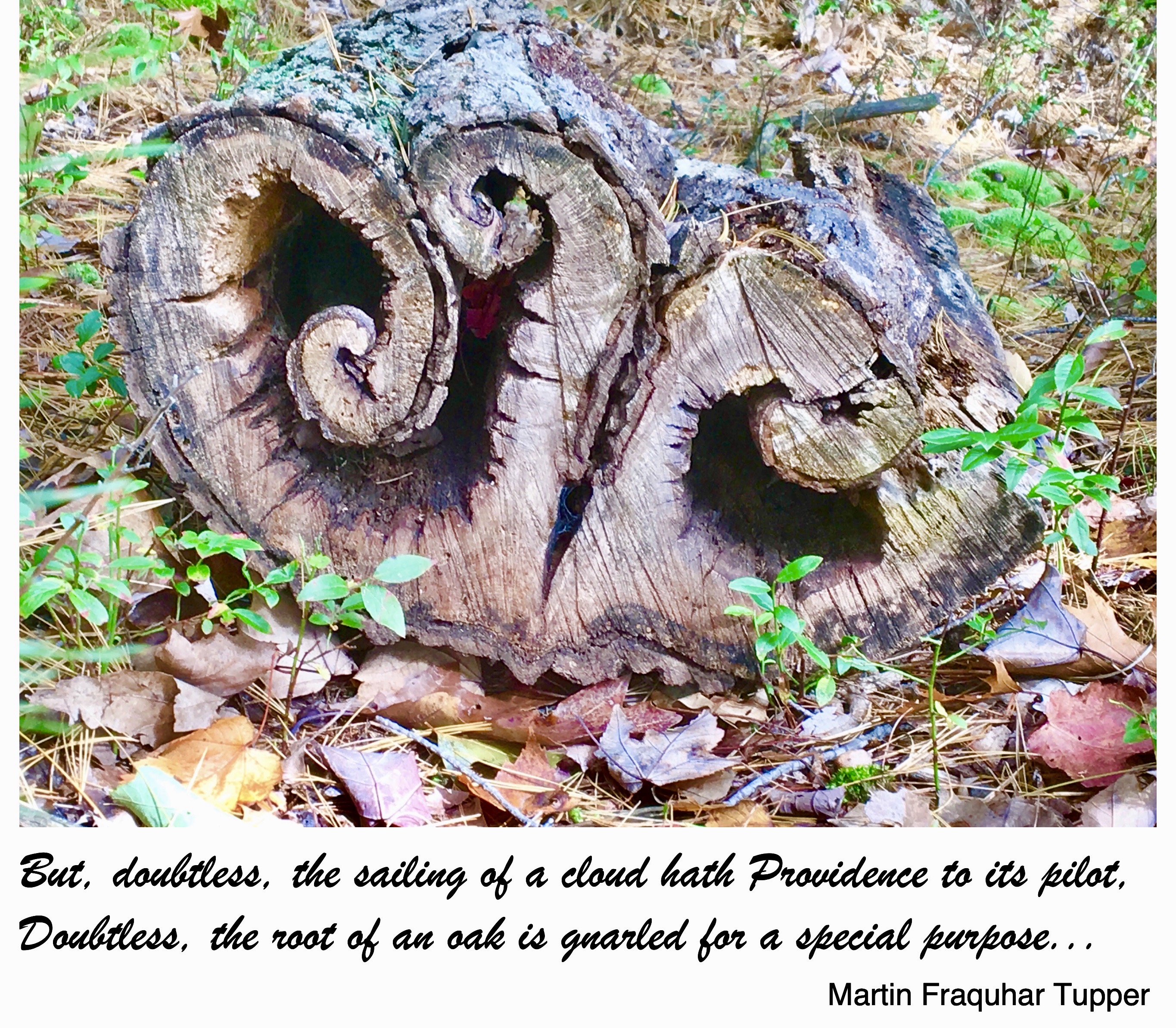
Bethlehem wasn’t just a random place for Jesus Christ to be born. God doesn’t do anything randomly. Everything He does has a plan and a purpose. We may have difficulty seeing what the purpose is. As Martin Tupper noted in one of his poems—
We look through a glass darkly, we catch but glimpses of truth;
But, doubtless, the sailing of a cloud hath Providence to its pilot…
Man doeth one thing at once, nor can he think two thoughts together;
But God compasseth all things, mantling the globe like air…
Not only was the birthplace of Jesus purposely chosen by God, so was your birthplace. And your birth parents. And, indeed, everything about you. You are not an accident or some chance encounter. You have been created by God on purpose and for a purpose.
Let the birthplace of Jesus—all the rich meaning of Bethlehem Ephrathah—be an encouragement to you that God knows and loves you dearly. Your life has meaning and purpose, which you can discover through a personal relationship with your Heavenly Father through Jesus Christ.













 Craig T. Owens