
9 Requisites For Contented Living

Contented Living

“There are nine requisites for contented living:

  1. Health enough to make work a pleasure [Ecclesiastes 5:19*];
  2. Wealth enough to support your needs [Proverbs 30:8-9];
  3. Strength to battle with the difficulties and overcome them [1 Corinthians 15:57];
  4. Grace enough to confess your sins and forsake them [James 5:16];
  5. Patience enough to toil until some good is accomplished [Romans 5:3-5];
  6. Charity enough to see some good in your neighbor [Luke 10:25-37];
  7. Love enough to move you to be useful and helpful to others [Ephesians 4:2-3];
  8. Faith enough to make real the things of God [Psalm 91];
  9. Hope enough to remove all anxious fears concerning the future [Psalm 33:18].” —Goethe

* The quote is from Wolfgang Goethe, but I added the Scripture references.
Money & Hammers

Money checklistHammers are very similar to money. Don’t believe me? Just take a look at some of the things they have in common. They both…

  1. …are tools.
  2. …can be used to build up or destroy.
  3. …are amoral.
  4. …don’t have any power until they’re in a person’s hand.

I realize in church circles it can make people uncomfortable to talk about money, but it shouldn’t be that way. The Bible is very clear in saying wealth comes from God, as well as how to use that wealth, so why should that be uncomfortable? Here are some of the things the Bible says about wealth:

  • If we honor God, He blesses our work (Proverbs 3:9-10).
  • If we take the glory for our success, God calls us “foolish” (Luke 12:16-21).
  • Money can be used to build God’s kingdom (Acts 4:34-37) or to build our own reputations (Acts 5:1-11).
  • Making the pursuit of money our priority becomes an idol (Luke 16:10-13).
  • The anxiety over money can choke our spiritual life (Matthew 13:22).
  • God gives us the ability to work, to make money, and to enjoy both the work and the rewards of work (Ecclesiastes 5:19).
  • God alone judges our attitude toward money (Luke 16:15).

It’s not money that is immoral, but our pursuit of Money (with a capital “M” or what the Bible calls Mammon) that is immoral.

It’s not money that will ruin us, but our trust in money that will ruin us.

It’s not money that gives us a secure future, but God Who richly provides us with everything for our enjoyment (1 Timothy 6:17).

Don’t envy people with more money than you. Don’t look down on people with less money than you. Don’t—as Jesus said to the Pharisees—justify your opinions and attitudes about money.

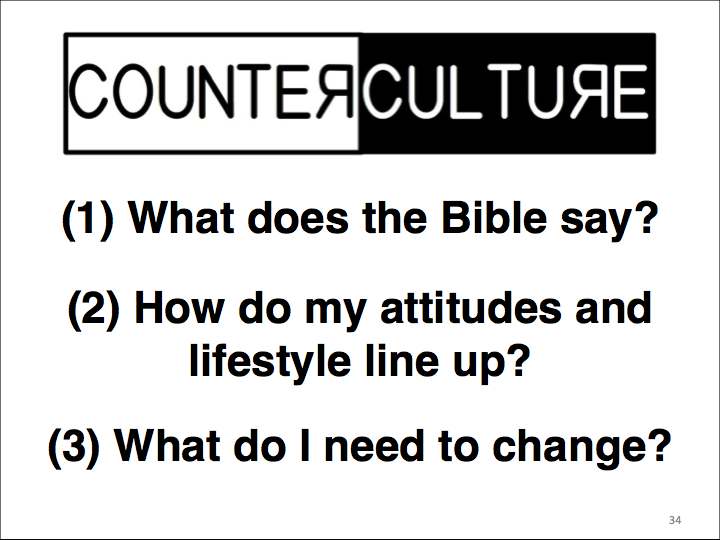
Only an honest listening to the Holy Spirit about your attitude and lifestyle concerning money is what can keep us from letting money rob us of God’s blessing.


Can You Have Too Much Blessing?

I seldom turn on religious TV shows, because when I do I typically hear the same two messages: (1) God wants you to be rich; (2) God wants you to be healthy. I believe God is good all the time, but that doesn’t mean those who follow Him always get wealth and health.

Consider this:

After Rehoboam’s position as king was established and he had become strong, he and all of Israel with him abandoned the law of the Lord.

Notice: When Rehoboam was healthy and wealthy, he abandoned God. When things looked bleak—when the future for Rehoboam was very much in doubt—Rehoboam was “walking in the ways of David and Solomon” (2 Chronicles 11:17). When the Egyptians attacked, Rehoboam and his court officials “humbled themselves before God” (12:6).

Health and wealth derailed Rehoboam, but difficulties kept him close to God.

Maybe a better prayer than “Bless me” would be “Build Your character in me.” Or as it says in Proverbs:

Give me neither poverty nor riches, but give me only my daily bread. Otherwise, I may have too much and disown You and say “Who is the Lord?” Or I may become poor and steal, and so dishonor the name of my God.

The prayer that Jesus taught us to pray is perfect: Give us today our daily bread—no more, no less. That keeps me focused on my Heavenly Father.