


 Imagine you had a family member killed in the September 11, 2001, terrorist attacks in New York City or Washington, DC., and then after that horrific event God asked you to go to Osama bin Laden’s headquarters to talk to him about a personal relationship with Jesus.
I bet you would have felt much like Jonah did when God said, “Go to the great city of Nineveh and preach against it, because its wickedness has come up before Me” (Jonah 1:2). The Assyrians were some of the most brutal peoples of history, perpetrating almost unspeakably grotesque torture on everyone they attacked.
And if you or I feel that way, it’s a good bet we would have responded like Jonah responded: “Jonah ran away from the Lord and headed for Tarshish” (v. 3). You probably know the rest of the story: Jonah spent three days in the gut of a huge fish before he finally agreed to obey God’s directive.
It’s interesting to note that God was sending Assyria as His agent of punishment against Israel for all their vile idolatry, AND He was sending Jonah from Israel to Assyria to call them to repentance for their grotesque torture practices.
That tells me something we all need to remember: God cares for ALL people, and He will use whatever means necessary to get the good news of His mercy and love to them.
Why is the story of Jonah in the Bible? Perhaps to teach us that although we think some person or people group is so beyond hope, God still loves them. It’s a reminder that God extends grace and mercy to everyone—even to those who are the least deserving of His grace and mercy. People like you and me (Romans 3:23, 5:8).
In Hebrew literature, the main point of the story is found in the middle. In the case of this story, the middle is the prayer in chapter 2, especially verses 8-9 where Jonah contrasts the worthlessness of trying to cling to our prejudices versus trusting who God is and what He says.
In light of that, I think this story should prompt us to ask three introspective questions:
- What prejudices am I clinging to that are out of alignment with God’s Word? David’s prayer in Psalm 139 is one we should regularly pray.
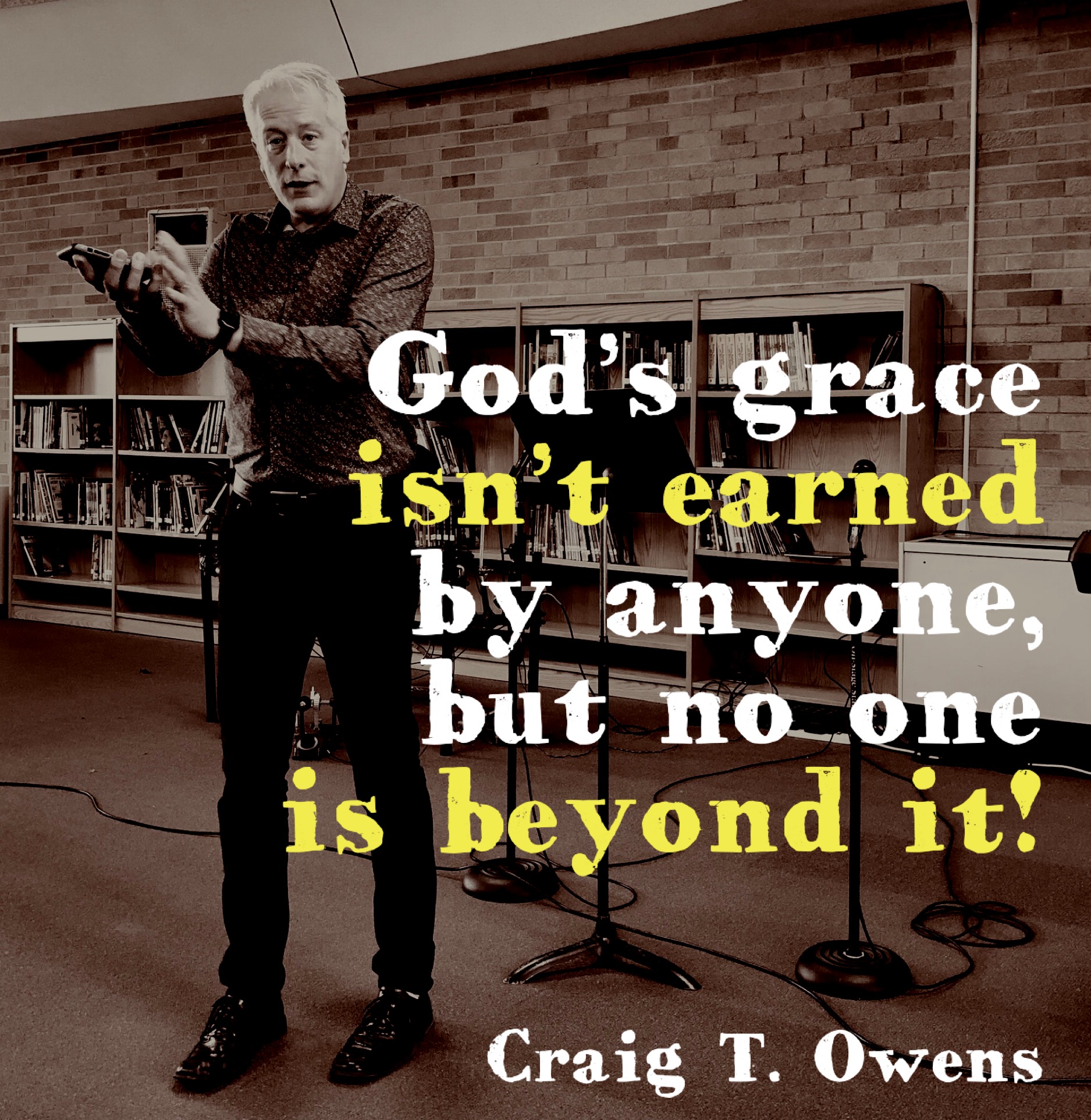
- Who have I thought is beyond God’s reach? God’s grace isn’t earned by anyone, but no one is beyond the reach of it!
- Can I say as Jonah did, “But I, with a song of thanksgiving, will obey You, God. What I have vowed I will make good” (2:9)? It’s better not to make a vow to God than it is to make the vow and not follow through on it.
Let’s all learn from the life of Jonah how much God loves ALL people. Don’t get so hung up on your prejudices that you miss out on the incredible things God has for you, as well as the incredible things God wants to do through you.
If you’ve missed any of the messages in this series on Major Lessons From Minor Prophets, you can access the full list by clicking here.



 Craig T. Owens