I’m a morning person. I absolutely love getting up early and spending some quiet time alone with my Bible. This is the time of day I most absorb all that God is saying to me. It’s my most creative time too. In fact, I so love getting up early that most mornings I’m awake before my alarm clock goes off.
But not this morning.
Today my alarm clock began playing Way-FM and I felt like I was in a fog. It took me a minute or so to even open my eyes and sit up.
I was about to press ahead with my morning, when I thought, “I should sleep some more.”
You see, I’ve learned a few things about myself. When I’m tired…
I have a shorter attention span.
I’m not as creative.
I’m not as patient.
I am more prone to give in to temptation.
I make decisions that are too short-sighted.
I’m more susceptible to colds and flu.
So I re-set the alarm and slept another hour.
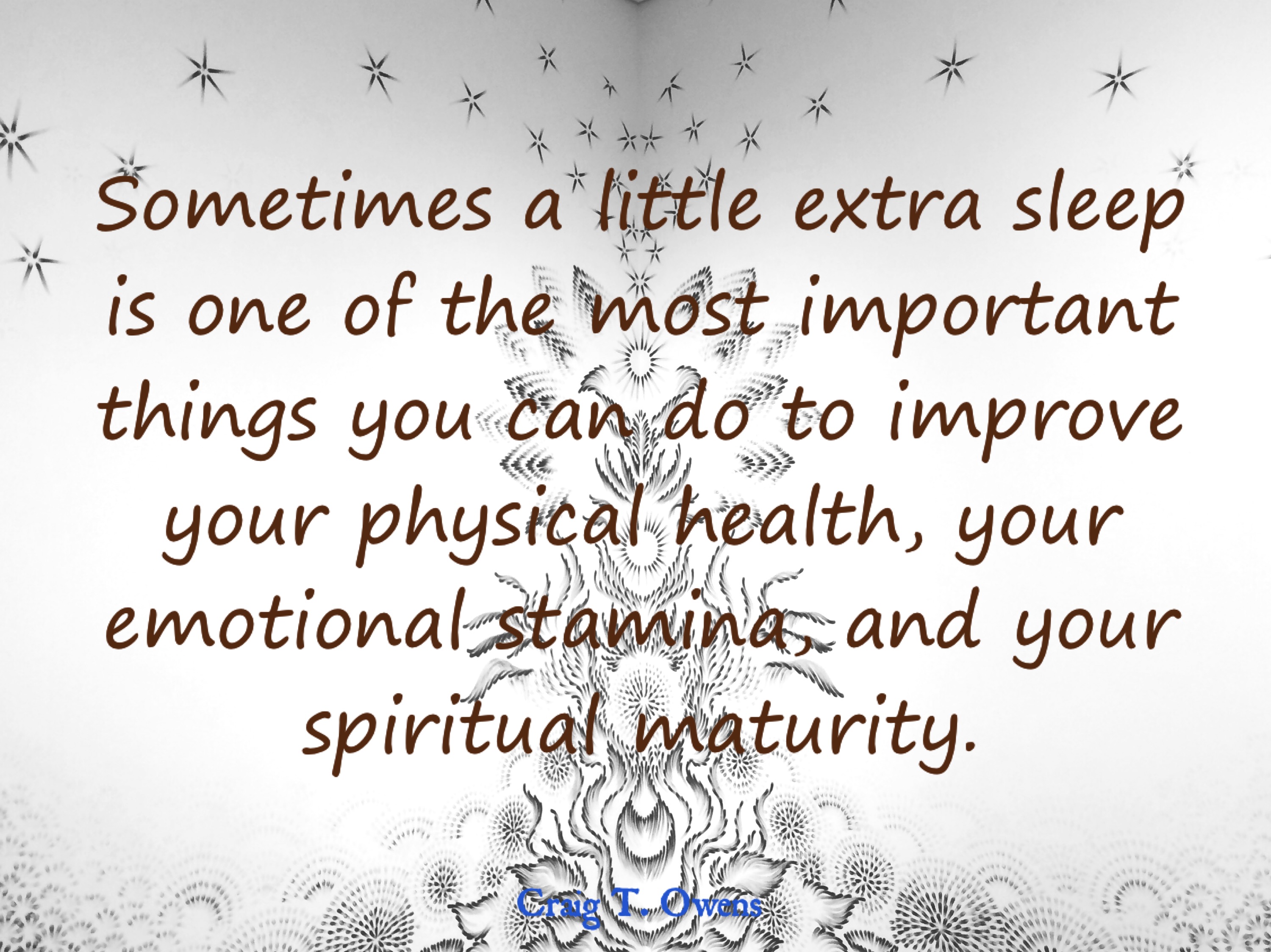
Sometimes a little extra sleep is one of the most important things you can do toimprove your physical health, your emotional stamina, and your spiritual maturity.
UPDATE: In my book Shepherd Leadership: The Metrics That Really Matter I have five chapters about a leader’s health—mental, physical, spiritual, and emotional health is vital to a leader’s effectiveness and longevity.
Listen to the podcast of this post by clicking on the player below, and you can also subscribe on Apple, Spotify, or Audible.
Health experts say breakfast is the most important meal of the day. Your body has been without food (or fasting) during the hours you are asleep, so in the morning you are breaking your fast = break-fast.
Do you want to lose weight? Eat breakfast. Studies show that those who do best on their diets eat breakfast every morning.
Do you want to fire up your metabolism to burn more calories during the day? Eat breakfast. The way you stoke your body’s engine in the morning determines how it will run all day.
Do you want to maintain a stable blood sugar level so you don’t get sleepy mid-morning? Eat breakfast. A good breakfast regulates your insulin and blood sugar levels.
Do you want to learn more? Eat breakfast. Studies show those who eat breakfast regularly have longer attention spans and greater learning capacities.
What you put in your body in the morning determines the course of the rest of your day.
What you put in your mind in the morning determines the course of the rest of your day, too.
Even if you’re not a “morning person” your mind is highly receptive in the hours right after you wake up. So a healthy mental breakfast goes a long way toward how you will deal with the situations that face you throughout your day.
Just a few things to consider—
What’s on your wake-up playlist in the morning? Not-so-cheery headline news? Coarse radio hosts with crude humor? Music with lyrics that are not very uplifting? A harsh buzzer? Perhaps you could rethink your morning mental breakfast with something more positive and affirming.
How do you speak to yourself when you wake up? “Ugh, I just gotta get through today”? “I need a vacation”? “Grrr, I hate my job”? Try thinking instead of all of the blessings you have: a roof over your head, a bed of your own, clothes to wear, a family to love, and a family that loves you.
How do you speak to others when you wake up? “Leave me alone”? “<Grrrr!>”? Maybe you could serve others the good mental breakfast they need with some kind, encouraging words.
What fuel do you put in your mind? Talking heads on the morning TV shows? Your horoscope? Perhaps switching to something more substantial would help fuel your mind for the challenges you are going to face today.
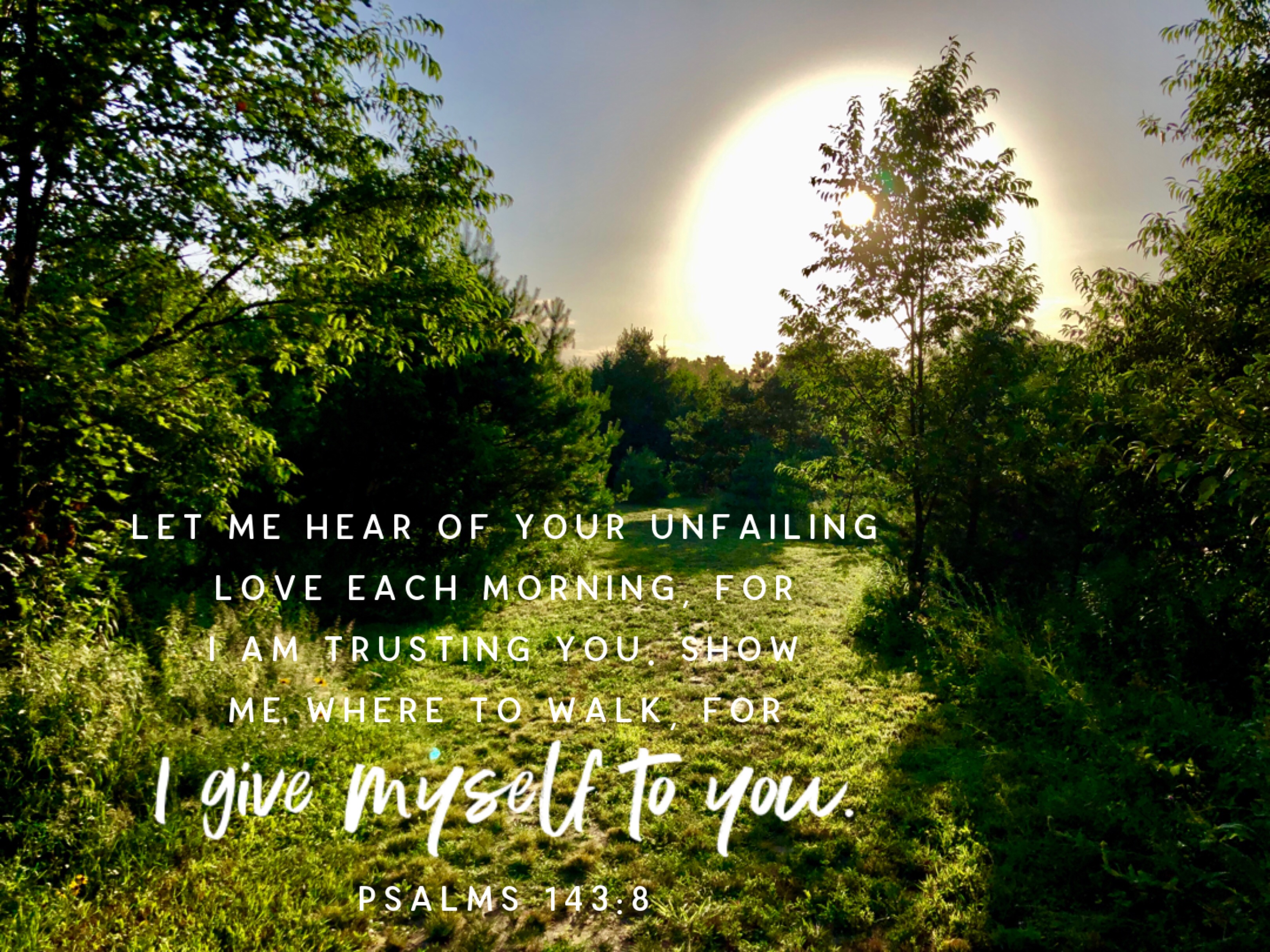
The psalmist David had a God-diet each morning, “Let me hear of Your unfailing love each morning, for I am trusting You. Show me where to walk, for I give myself to You” (Psalm 143:8, The Living Bible).
Jesus had a healthy mental breakfast, too: “Veryearly in the morning, while it was still dark, Jesus got up, left the house and went off to a solitary place, where He prayed” (Mark 1:35).
So let me ask you: What’s your morning mental breakfast like? do you need to make a diet change? I think a few tweaks and you will begin to see some remarkable changes for the better! Try it out and let me know.
If I just eat the right foods but don’t exercise, my physical metabolism will not be stoked to the proper levels. To put it another way, a good diet may lower my LDL (bad) cholesterol, but it takes exercise to raise my HDL (good) cholesterol. I need both to be healthy.
So, too, for my heart and mind. If I hear good preaching and think good thoughts (diet), but never put those words or thoughts into action (exercise), I’m not going to grow in a well-balanced, healthy way.
Here’s a couple of things I have learned for body, spirit, and mind exercise.
Set challenging but realistic goals
I don’t run without a goal. (1 Corinthians 9:26 CEV)
“You must have long-range goals to keep from being frustrated by short-term failures.” —Charles N. Noble
Exercise a little bit when you can
There’s no need to jump into lengthy workouts.
Exercisedaily in God—no spiritual flabbiness, please! Workouts in the gymnasium are useful, but a disciplined life in God is far more so, making you fit both today and forever. (1 Timothy 4:7, The Message)
“Let him then think of God the most he can; let him accustom himself, by degrees, to this small but holy exercise; nobody perceives it, and nothing is easier than to repeat often in the day these little internal adorations.” —Brother Lawrence, in The Practice Of The Presence Of God
Make exercise a fun habit
Remember that you may not feel like exercising, but you will feel better after you exercise.
“Life goals are reached by setting annual goals. And annual goals are reached by reaching daily goals. And daily goals are reached by doing things which may be uncomfortable at first but eventually become habits. And habits are powerful things. Habits turn actions into attitudes, and attitudes into lifestyles.” —Charlene Armitage
For a healthy body, a healthy heart, and a healthy thought life, watch the diet you consume and then exercise for maximum benefit. Feel free to share any exercise tips you have learned.
I was running from meeting to meeting, and when I got done I was hungry. So a quick stop into a gas station for a Diet Pepsi and… well, my first impulse was to grab candy or chips. It took no small amount of willpower to make myself grab a healthier alternative.
One of the top rules for healthy dieting: don’t let yourself get too hungry.
Seriously, I know it sounds backward but it works. If you eat three smaller meals with three healthy snacks in between meals you will lose weight. Why? Because keeping the good stuff in you makes the bad stuff less tempting. Try it and let me know how it works for you, but it’s been working well for me.
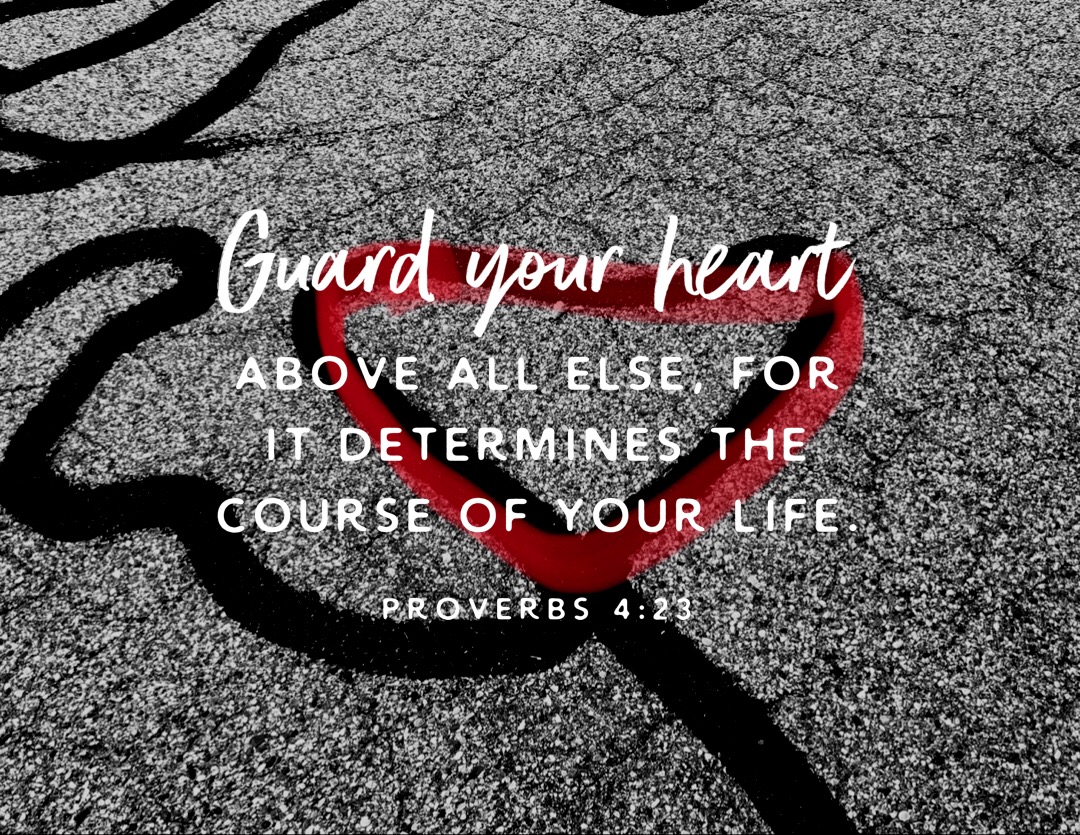
But what about “heart food” or “thought food”? The Bible says, “Guard your heart above all else, for it determines the course of your life” (Proverbs 4:23, New Living Translation).
If you don’t keep the good stuff in your heart and thoughts, the bad stuff becomes more tempting. And just like the junk food aisle in the convenience store is front-and-center, so are the “junk food headlines.” Swine flu … economic woes … earthquakes … war … these junk food headlines dominate and it’s so easy to snack on them unless you have some healthy stuff in your heart and thoughts.
Health experts say that breakfast is the most important meal of the day. What about some healthy heart/thought food each morning? How about some healthy conversation time with God: “In the morning, O LORD, You hear my voice; in the morning I lay my requests before You and wait in expectation” (Psalm 5:3).
Then you could make sure you have a healthy heart/thought diet throughout the day: “Whatever is true, whatever is noble, whatever is right, whatever is pure, whatever is lovely, whatever is admirable—if anything is excellent or praiseworthy—think about such things” (Philippians 4:8).
And then how about a healthy bedtime snack: “I set Your instructions to music and sing them as I walk this pilgrim way. I meditate on Your name all night, God, treasuring your revelation, O God” (Psalm 119:54-55, The Message).
How’s your heart/thought diet doing? Are there any changes you need to make? Best of all, how about sharing with us some heart/thought diet tips that have worked for you.



 I’m a morning person. I absolutely love getting up early and spending some quiet time alone with my Bible. This is the time of day I most absorb all that God is saying to me. It’s my most creative time too. In fact, I so love getting up early that most mornings I’m awake before my alarm clock goes off.