Listen to the podcast of this post by clicking on the player below, and you can also subscribe on Apple, Spotify, or Audible.
If leaders say or do the right thing in the wrong way, it really becomes the wrong thing. This is why leaders—especially those who have been sheep-bitten and want to bring corrections—need to take a pause.
In that short moment of reflection, the Holy Spirit can help pastoral leaders respond in a way that will bring restoration, not more pain and possibly division.
I talked about this idea from chapter 2 of my book When Sheep Bite on the Leading From Alignment podcast with John Opalewski and Jim Wiegand.
Listen to the podcast of this post by clicking on the player below, and you can also subscribe on Apple, Spotify, or Audible.
When a shepherd leader is bitten by a sheep under their care, it’s quite natural to say, “What’s wrong with them?” Let me highlight that word: natural.
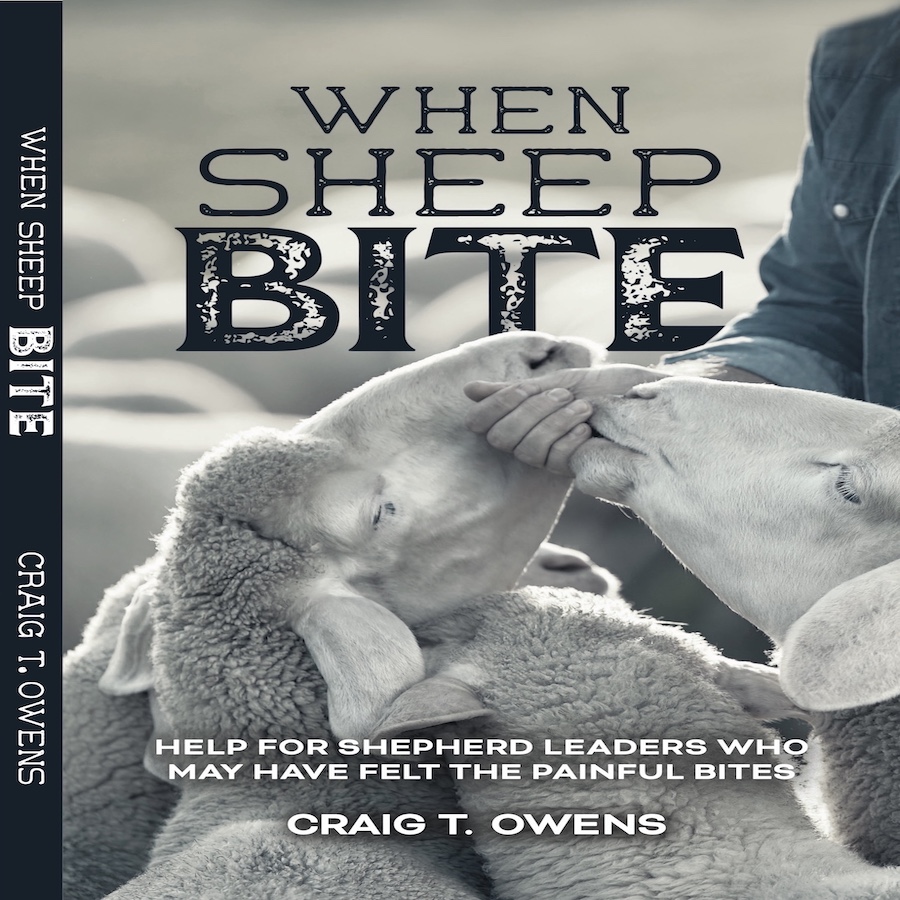
In my book When Sheep Bite, I contrast the natural response with the supernatural response. It takes a lot of work because “natural” comes just so, well, naturally. But to respond supernaturally is going to take some re-training.
We need to be able to reflect after we’ve interacted with a biting sheep. If we reacted in an inappropriate way, we need to ask forgiveness and attempt to make things right. Then we need to engage in some Holy Spirit-led introspection to switch the natural question of, “What’s wrong with them” to the supernaturally-led question, “What can I change in myself?”
In a recent interview with Karl Vaters on his Church Lobby Podcast, we talked a bit about this topic.
One chapter in my book is titled ‘Is God Trying to Get My Attention?’ Here’s an excerpt—
Pain always takes priority. It always gets our attention and demands to be attended to immediately. We don’t schedule painful things on our daily “To Do” list, but that painful item will become the one and only thing which clamors to be addressed.
The same thing is true when the sheep bite and kick their shepherd. It hurts, it demands an immediate response, and it seems to become the only item on our agenda. But I would like to advocate that we don’t respond immediately. Why? Because our primal, gut-level response is almost always very shortsighted, and frequently, upon reflection, we later end up second-guessing what we said or did.
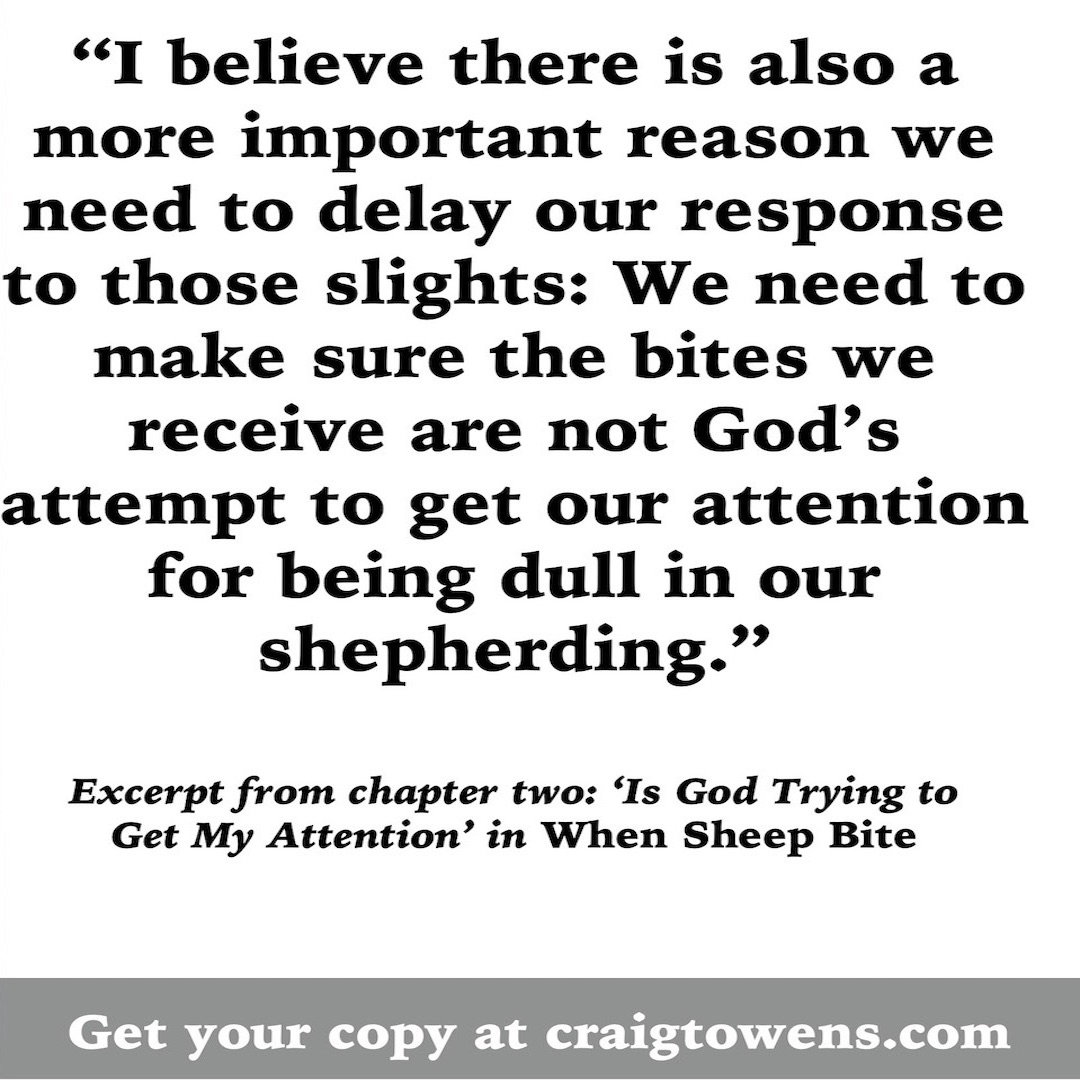
I believe there is also a more important reason we need to delay our response to those slights: We need to make sure the bites we receive are not God’s attempt to get our attention for being dull in our shepherding. God told Jeremiah, “For the shepherds have become dull-hearted, and have not sought the Lord” (Jeremiah 10:21 NKJV). As a result, God had to send something painful to those religious leaders to make them aware of the dullness that had set in.
I conclude this chapter with a prayer for shepherds who have been bitten—
Father, Your sheep continued to wallow in the unhealthy habit of biting the hand that fed them and cared for them. In Your perfect love, You knew just how to discipline them, always with a heart of drawing these wayward sheep back to You. I ask You to please cultivate this loving heart in me.
Jesus, even as You were nailed to the Cross by the very sheep You came to save, You didn’t lash out in anger but lovingly prayed, “Father, forgive them for they don’t know what they are doing.” You know how much it hurts when my loving shepherding of these flock under my care is repaid with bites and kicks and abandonment. Jesus, help me to learn to respond in loving forgiveness as You did.
Holy Spirit, as David prayed, so I pray, “Search me.” As I do, please show me where my words, actions, or attitudes have rubbed the sheep under my care the wrong way and prompted them to lash out. Help me to repent, forgive, and ask forgiveness. Even if the attack was unprovoked by anything I have done, my heart’s desire is for none to be lost so please help me learn how to bring about restoration.
I pray this in the name of my Good Shepherd, Jesus. Amen.
To find out more about When Sheep Bite, or to pick up a copy for yourself, please click here.
Listen to the podcast of this post by clicking on the player below, and you can also subscribe on Apple, Spotify, or Audible.
In someways, my new book When Sheep Bite came out of my first book Shepherd Leadership. And yet, in many ways I consider When Sheep Bite to be the prequel of Shepherd Leadership.
Check out this short clip from my interview on the Leading From Alignment podcast with John Opalewski and Jim Wiegand where I try to explain what I mean.
In whatever order you choose to read these books, I have been thrilled to hear back from pastors and other church leaders who have found encouragement from both of them.
You can watch the full Leading Form Alignment interview here.
Listen to the podcast of this post by clicking on the player below, and you can also subscribe on Apple, Spotify, or Audible.
In my book When Sheep Bite, I not only wrote about biting sheep, but I also wrote about wolves dressed in sheep’s clothing, and wolves who aren’t trying to hide themselves at all! How are shepherd leaders to deal with these folks?
That was one of the topics I addressed on the Leading From Alignment podcast with John Opalewski and Jim Wiegand.
In the chapter of my book called ‘Driving Away the Wolves,’ I wrote:
Loving shepherds are constantly among their sheep so that the sheep can know their voice and so the shepherd can know the voice of each individual sheep. This has the two-fold benefit of the sheep knowing which voice is trustworthy, and for you as the shepherd to spot the off-key voice of the “meaningless talk and deception” of those wolves who are hiding out among the sheep.
Listen to the podcast of this post by clicking on the player below, and you can also subscribe on Apple, Spotify, or Audible.
Karl Vaters and I share the same passionate belief that pastors—shepherd leaders—need to be in the pastures where God has placed them, faithfully caring for the sheep under their care.
Check out this clip from my interview on The Church Lobby—
In my book Shepherd Leadership, I wrote this—
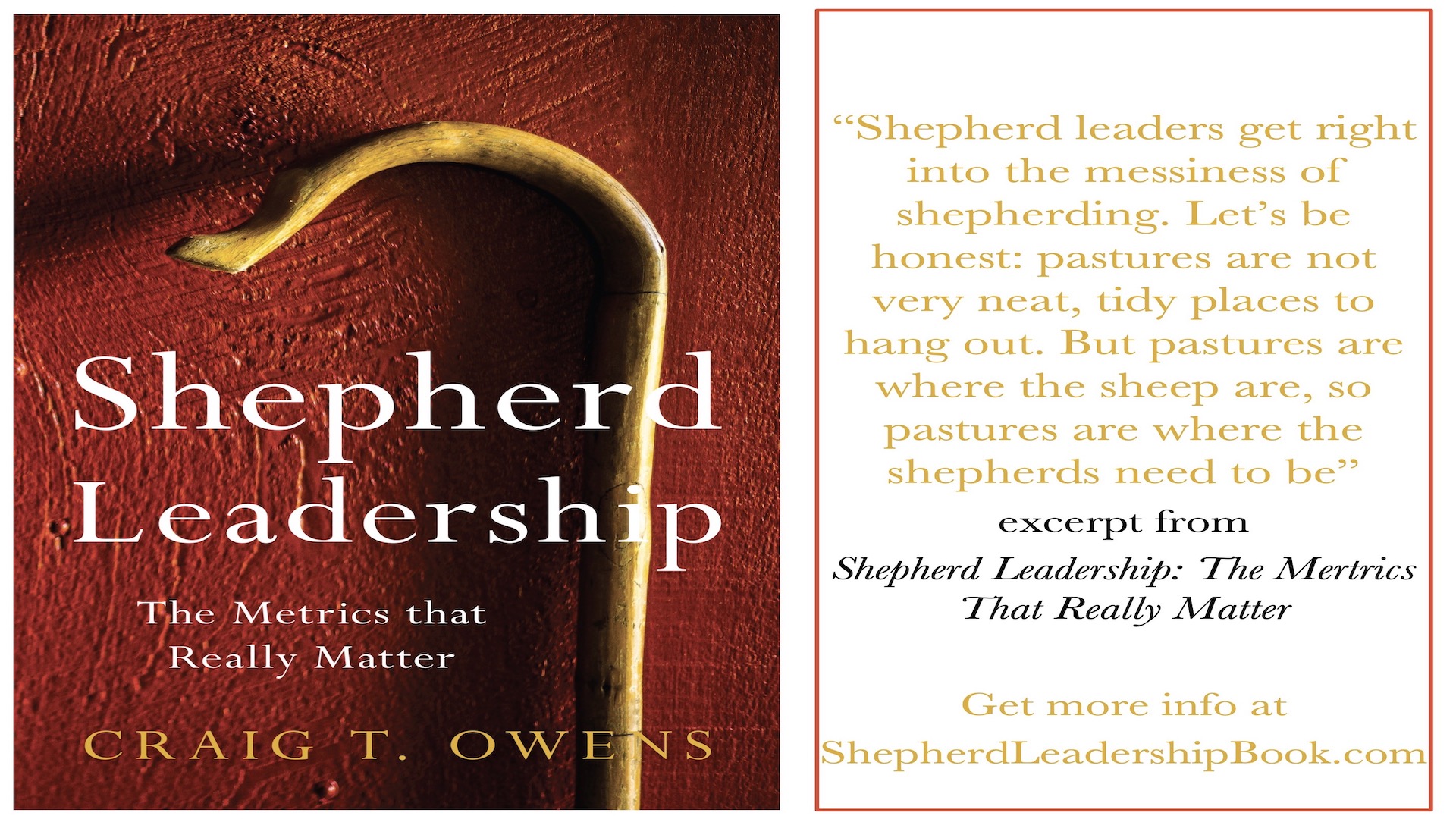
Jesus said not only that He knew His sheep, but that His sheep knew Him, too. Shepherd leaders get right into the messiness of shepherding. Let’s be honest: pastures are not very neat, tidy places to hang out. But pastures are where the sheep are, so that is where the shepherds need to be. If the only time you interact with others is when you want to make an announcement or someone needs to be corrected, your sheep will begin to either resent you or fear your arrival.
The best way to know the voice of each one of the sheep in your pasture (and the best way for those sheep to know your voice as well) is to be in the pasture as often as you can. This is what Jesus did at the Good Shepherd, and His under-shepherds honor Him when we follow His example.
You can check out more clips from this Church Lobby interview here.
Check out my book Shepherd Leadership for yourself or for a pastor that you love. And also check out my latest book When Sheep Bite, which I think of as the prequel to Shepherd Leadership.
Listen to the podcast of this post by clicking on the player below, and you can also subscribe on Apple, Spotify, or Audible.
Before you recruit someone to fill that next opening in your organization, I’ve got a resource that you should definitely check out. The resource I am referring to comes from the book Recruiting to Releasing by Jim Wiegand. I had a chance to sit down with Jim to talk about this eye-opening book.
Purchase your copy of Recruiting to Releasing on Amazon here, or on Apple Books here.
If you would like to check out when Jim interviewed me about my book When Sheep Bite, check out that video here.
Listen to the podcast of this post by clicking on the player below, and you can also subscribe on Apple, Spotify, or Audible.
I’m going to guess that I’m not alone in this: I don’t like when people criticize me.
Especially when I’m in a leadership position, trying my best to make good decision for the entire organization, and someone comes up to me to criticize my decision-making abilities or my skill at carrying out my decisions.
The easiest thing to do is simply dismiss their biting remarks. We can so easily say, “They have no idea what they’re talking about so I can ignore everything they’ve said to me.”
Criticism is one of the most common bites that sheep dispense to those who are trying to shepherd them.
But before we simply dismiss them, let me ask you to consider this:
Is it possible that God is using these critics to get your attention?
Is it possible that you have a flaw in a blind spot, and this critic is showing you something that you’ve been missing?
If you can answer, “Yes” to even one of those questions, then you can also say that your critic is a God-sent gift for you to improve your leadership capacity.
I discussed this recently on the Fellowship of Ailbe podcast.
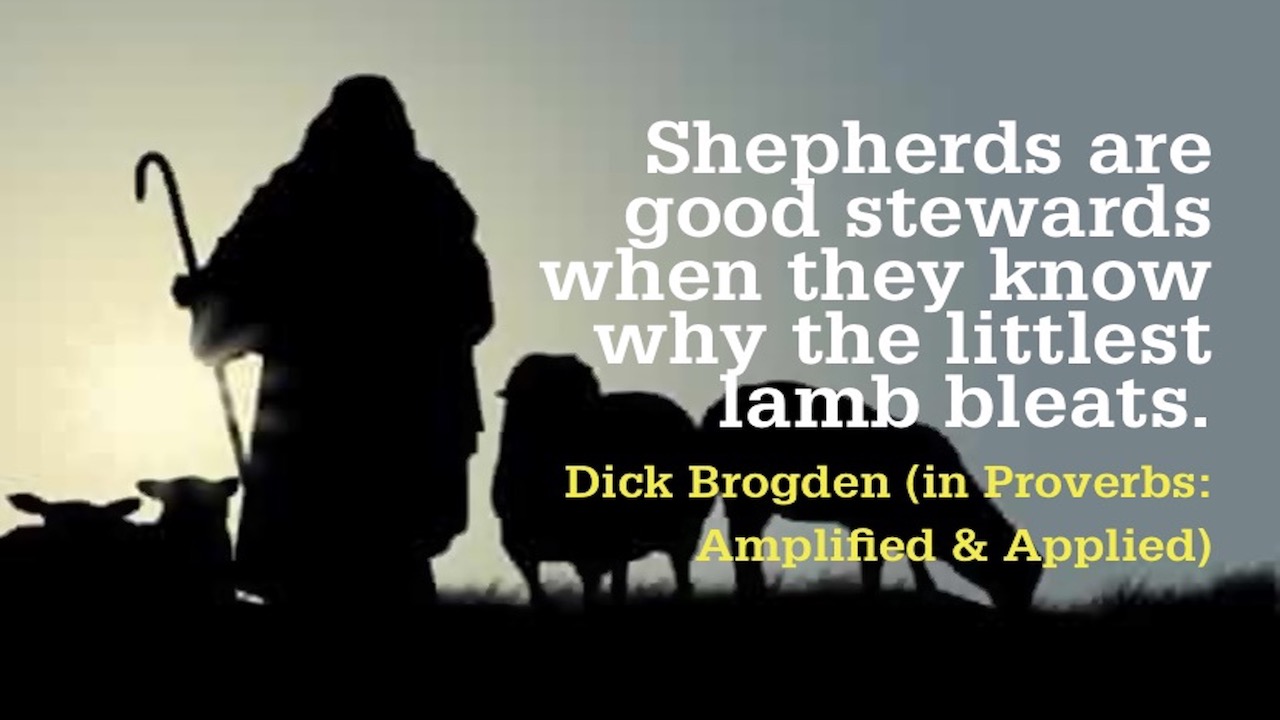
The full quote from Dick Brogden’s book Proverbs: Amplified and Applied says: “Critics and skeptics are gifts to us, for in their aspersions they often bring to light a brokenness or a liability early on in its development in us. If we are secure enough to ferret out the truth through the condemnation of others, we remain healthy in the long term as our malady is exposed and dealt with before it becomes too serious.”
This means that criticism should lead us to a time of honest introspection.
In the chapter “Is God Trying to Get My Attention?” in my book When Sheep Bite, I wrote—
Remember that we are naturally self-protective, so this time of introspection will need to be supernaturally empowered by the Holy Spirit if we are going to see the true prompter of the attack. A prayer I have prayed more times than I can count is, “Search me thoroughly, O God, and know my heart! Try me and know my thoughts! And see if there is any wicked or hurtful way in me, and lead me in the way everlasting” (Psalm 139:23-24 AMPC).
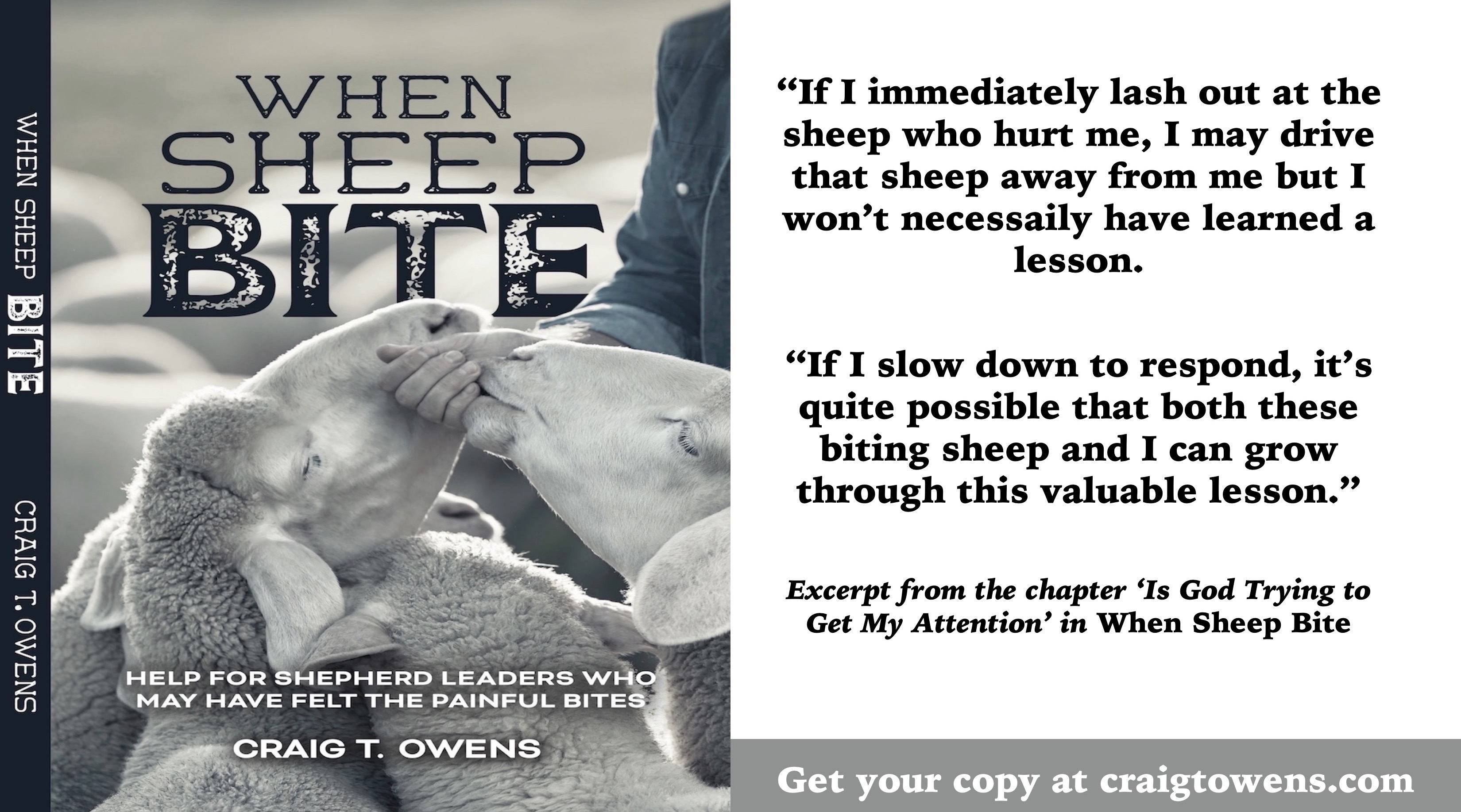
It is only this humble reflection that can turn an experience into a lesson. If I immediately lash out at the sheep who hurt me, I may drive that sheep away from me but I won’t necessarily have learned a lesson. The one who bit me may have left my pasture, but perhaps they will never join any other pasture but may wander in the wilderness for the rest of their life. If I slow down to respond, it’s quite possible that both these biting sheep and I can grow through this valuable lesson.
Let’e reframe the way we think about critics and their criticism. Before we simply dismiss it, let’s prayerfully consider if there is a lesson that God is trying to teach to us through this critic.
Listen to the podcast of this post by clicking on the player below, and you can also subscribe on Apple, Spotify, or Audible.
Without a doubt, a leader plagued by feelings of guilt is a leader that is operating well-below his or her full potential.
One of the best ways to avoid these feelings of limiting guilt is for the leader to admit that he or she isn’t an expert in every aspect of their organization.
In this short clip, Karl Vaters and I are specifically addressing pastoral leaders, but the principles can be applied to leaders of any organization.
You can check out more clips from this interview by clicking here.
The two related blog posts I made reference to in this video are:
Listen to the podcast of this post by clicking on the player below, and you can also subscribe on Apple, Spotify, or Audible.
I’d like to tell you about a book that I think is an absolute must-read for those in church leadership. Check out my interview with Karl Vaters, the author of De-Sizing The Church, on this episode of The Podcast.





 Craig T. Owens