Listen to the podcast of this post by clicking on the player below, and you can also subscribe on Apple, Spotify, or Audible.
I’d like to teach you an important lesson from 2nd Grade. I had the opportunity to interact with some young students, and I think we all learned something valuable.
Check out this episode of The Podcast.
My wife does a great job promoting a growth mindset in her classroom. Check out A Safe Place For Mistakes where I talk about how she fosters this learning environment.
C.S. Lewis shared some great insight about eliminating the Scarcity Mindset, which is a huge hindrance to the growth mindset.
Listen to the podcast of this post by clicking on the player below, and you can also subscribe on Apple, Spotify, or Audible.
On our most recent leadership podcast, Greg and I were talking about the idea of not trying to eliminate stress from our workplaces. I know that may initially sound counterintuitive, but it actually makes a lot of sense when you really think about it.
“A great team begins to happen when you have the right people on the bus in the right seats and the bus breaks down…. They work through the crisis, they get back on the bus, they’re sweating and tired. All of the sudden something magical happens: They begin to talk to each other. Culture happens through crisis. Unfortunately, many team environments have structured the crisis out.”
Here’s a couple of other quotes for you to ponder:
“Crisis is a powerful motivator. It enables you to do things you should have been doing all along. Whoever said that nothing focuses the mind like the sight of the gallows had it right.” —Anne Mulcahy, CEO of Xerox
“If you really want to see innovation happen, find a crisis. It’s in the middle of a crisis when we come to the realization that either the end is near or a new future is being born. On the verge of a crisis, we are also on the verge of our greatest moment. It’s at that moment that we must decide: innovate or die.” —Dave Ferguson, in his book On The Verge
Listen to the audio-only version of this podcast by clicking on the player below, or scroll down to watch the video.
Every good leader is competitive. From dollars earned to patients treated, there isn’t a leader out there who isn’t constantly trying to improve their numbers and outdo the competition. However, the wrong kind of competition can fester and create an unhealthy workplace. In this episode, Greg and I discuss how fostering healthy competition in your organization is vital to your success.
[0:14] I am the best host on this show!
[1:52] Leaders need to be competitive but also need to keep it at a healthy level.
[3:42] Not every team member will have the same competitive drive as you.
[4:35] Leaders need to be competitive with themselves.
[7:40] Too much internal competition can be detrimental to the organization.
[8:32] Greg tells a tee-ball story highlighting how your team members innately wonder, “How are we doing?”
[11:50] I have used Six Sigma initiatives to foster positive competition in my organizations.
[13:24] Resilience doesn’t show up until adversity appears.
[16:26] Make halftime adjustments.
[17:32] Cutthroat leaders get short-term results, but their organization suffers in the long run.
[19:53] Giving 100% and failing is difficult, but it’s worse to not know what you could have accomplished.
[21:04] When you win, act like you’ve won before. When you lose, act like you’ll win again.
[22:49] Compete for achievable outcomes.
[24:38] Greg likes to win, but he’s learned more from his losses.
[25:34] It’s impossible to grow without competition.
[28:10] We would love to coach you to help you be a better competitive leader.
Check out this episode and subscribe on YouTube so you can watch all of the upcoming episodes. You can also listen to our podcast on Spotify and Apple.
[19:17] You don’t have it all, so don’t act like it!
[19:43] Greg would love to help your organization develop an abundance mindset.
Check out this episode and subscribe on YouTube so you can watch all of the upcoming episodes. You can also listen to our podcast on Spotify and Apple.
Listen to the podcast of this post by clicking on the player below, and you can also subscribe on Apple, Spotify, or Audible.
Josh had just graduated from high school when I came to pastor in Cedar Springs. As I sat with this outstanding young man I asked him what he wanted to do next.
“I’m not exactly sure,” he told me, “but I really feel like it’s something involved with ministry.”
“Great!” I responded. “Let’s start experimenting.”
I told Josh that our church was going to be a safe place to experiment: to plan new things, to try new things, to prayerfully evaluate the results, and then to use those results to plan new things. Josh jumped in right away, and over a short period of time we were eventually able to ascertain just how God had wired Josh for his niche of ministry.
But this would have never happened without some missteps along the way.
That’s okay.
Leaders need to create an environment where it’s safe to make mistakes, because mistakes are a vital component of learning.
Leaders can help those around them grow through their mistakes by constantly reinforcing these six principles:
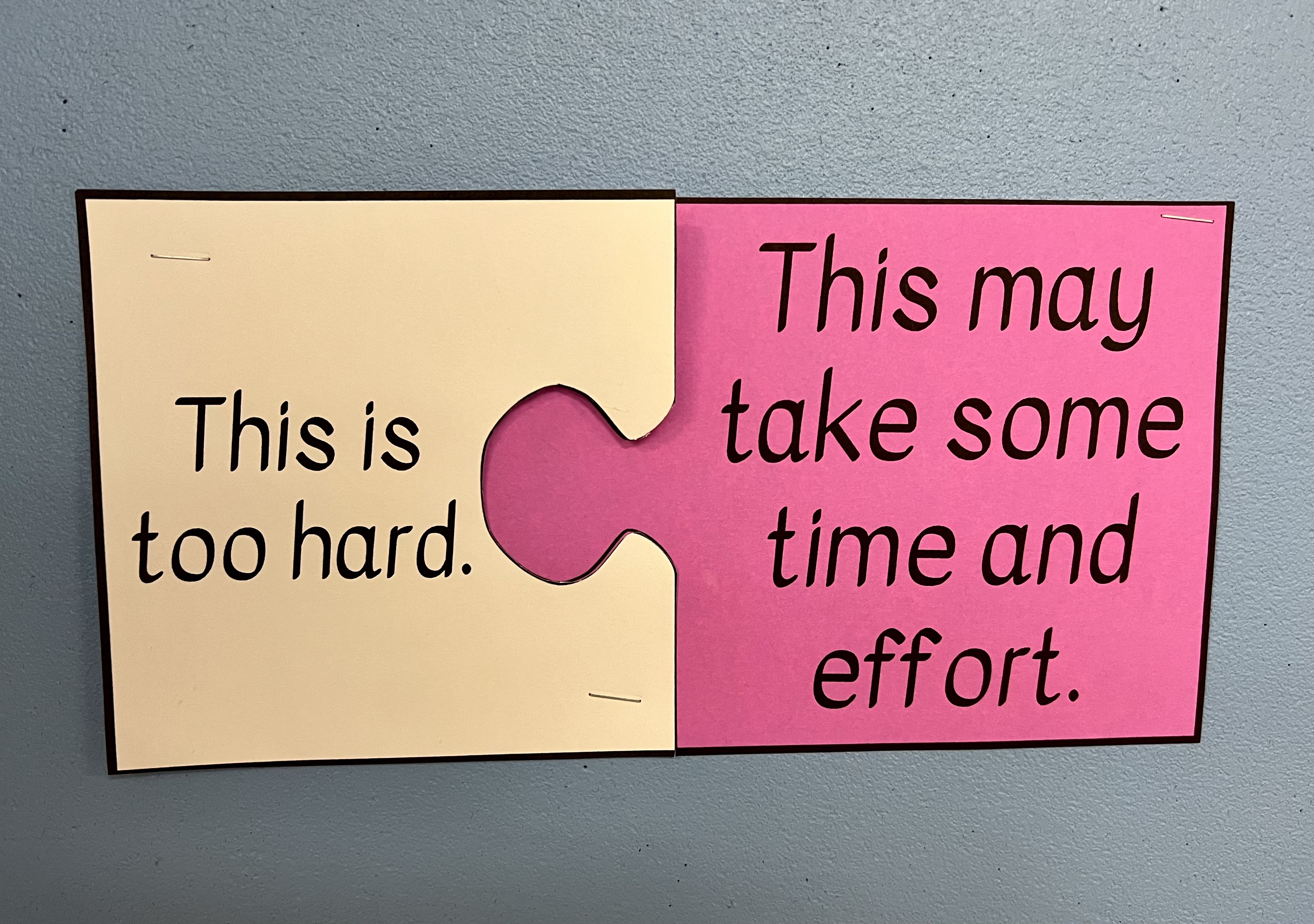
When someone complains, “This is too hard,” remind them, “This may take some time and effort.”
When someone says, “I’m not good at this,” prompt them to ask, “What am I missing?” and then encourage them to add, “I’m not good at this yet.”
When someone wants to settle with, “It’s good enough,” challenge them to ask themselves, “Have I given this my best effort?”
When someone wants to throw in the towel by saying, “I made a mistake,” remind them, “I failed is not the same thing as I am a failure,” and then remind them, “Mistakes help me learn.”
When someone is exasperated and says, “I give up,” come alongside them with, “Let’s try a strategy we’ve already learned.”
When someone says, “I can’t do this,” you need to lovingly encourage them with, “You can do this!”
These responses will help foster an abundance-mindset environment where people aren’t defeated by their mistakes, but they’re energized to reengage and try again. As the brilliant inventor Thomas Edison quipped, “I’ve had a lot of success with failure.”
Leaders, let’s make our spaces the safest places for the mistakes that lead to discovery, growth, and success.
Check out this episode and subscribe on YouTube so you can watch all of the upcoming episodes. You can also listen to our podcast on Spotify and Apple.
Greg cautions that either we address change or we avoid change, but if we avoid changing, our group may move on without us
just because we are changing doesn’t mean we are growing
Greg offers counsel on what leaders need to evaluate when considering changes
“unhealthy leaders change things to gain more control; healthy leaders change things to help the whole team get better,” Greg says
we don’t grow in areas of comfort: we learn most of our lessons moving forward, but we learn very few lessons sitting still
good leaders reassure other leaders to make thoughtful changes
the right way for leaders to partner with their team to effect positive changes
Check out this episode and subscribe on YouTube so you can watch all of the upcoming episodes. You can also listen to our podcast on Spotify and Apple.
John Maxwell has started a new teaching series where he presents a one-minute lesson on one word every day. Today’s lesson was on excuses. Watch the clip here.
Here are some other quotes on excuses:
“Ninety-nine percent of failures come from people who have the habit of making excuses.” —George Washington Carver
“There’s a difference between interest and commitment. When you are interested in doing something, you do it only when it is convenient. When you are committed to something, you accept no excuses only results.” —Kenneth Blanchard
“Obstacles are not excuses for failure, they are opportunities for growth.” —Craig T. Owens
“People who are good at making excuses are seldom good at anything else.” —Benjamin Franklin
Let’s stop making excuses and start taking responsibility!











 Craig T. Owens