Soulprint (book review)

I’ve read (and re-read) all of Mark Batterson’s books, and with each one, I find such clear-cut biblical truths that I can immediately apply. Soulprint was a little different… I was hooked from the opening paragraph:

There has never been and never will be anyone else like you. That isn’t a testament to you. It’s a testament to the God who created you. You are unlike anyone who has ever lived. But that uniqueness isn’t a virtue. It’s a responsibility. Uniqueness is God’s gift to you, and uniqueness is your gift to God. You owe it to yourself to be yourself. But more important, you owe it to the One who designed and destined you. … You were created to worship God in a way that no one else can. How? By living a life no one else can—your life. [italics in original]

This book was so challenging, and so encouraging at the same time. Mark leads the reader through the different aspects that make up our unique soulprint, which is as unique and individualized as our fingerprint. Using the life of the biblical character David as a backdrop, Mark shows us how to discover our soulprint by…

  • Reviewing our memories through God’s eyes
  • Keeping “lifesymbols” around us which keeps our past memories current
  • Paying close attention to our conscience
  • Allowing the Holy Spirit to reveal the parts of us we cannot see ourselves

To further help in discovering our unique soulprint, the questions at the end of the book will stimulate invaluable introspection and helpful discussion with others in a small group setting.

The back cover of Soulprint says, “God would like to introduce you to yourself.” And that’s exactly what this excellent book will help God do. I highly recommend Soulprint!

I am a Multnomah book reviewer.
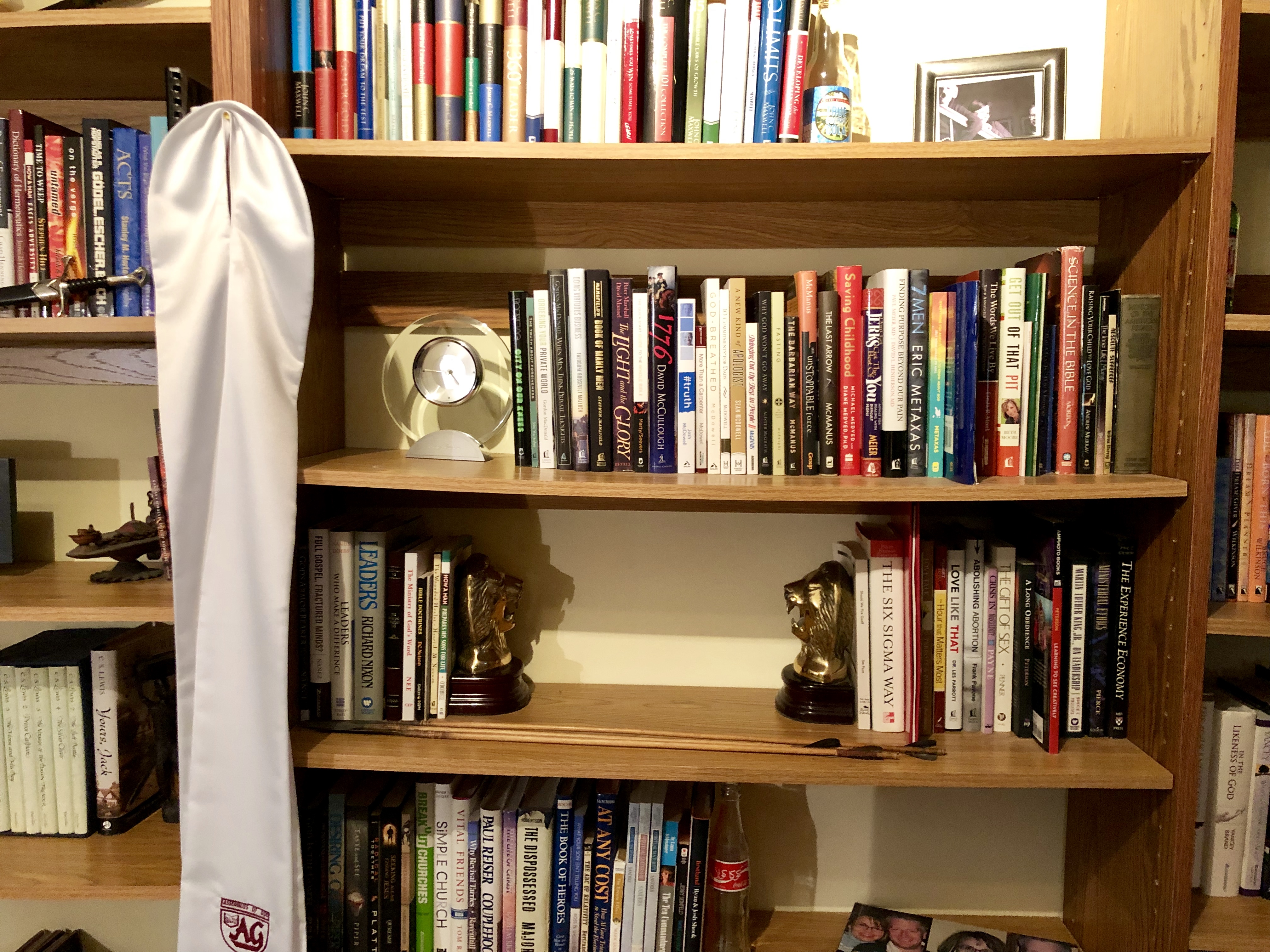
Books I Read In 2010

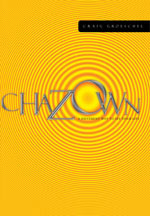
Chazown (book review)

I’m a huge Craig Groeschel fan, and Chazown didn’t do anything to diminish my respect and admiration for what Craig has to say. Chazown may be a funny-looking word (it’s pronounced khaw-zone, by the way), but it is vitally important to a successful life.

Right at the beginning of the book, Craig defines the importance of Chazown this way:

Where there is no Chazown—no dream, no revelation, no vision, no sense of our created purpose—we perish.
Where there is no vision that you were created to have a growing, lifelong, and personal relationship with your Creator, your inner being withers and dies.
Where there is no vision that you have been placed on earth to matter deeply to people, and reveal God’s love and power to them, you live in loneliness and your relationships perish.
Where there is no vision for a godly family, you have a 50 percent chance of ending up divorced.
Where there is no vision that your body is the temple of God’s Spirit—property on loan from Him—your physical health slips away. Your exuberance fades.
Where there is no vision for a financially wise lifestyle, you can live in the richest country on earth and still be drowning in debt.
Where there is no vision for meaningful work, people live for five o’clock. They really just exist. Their goal is to survive—to pay bills, stay married, keep the kids out of jail….
But you and I were made for so much more.

Chazown is easy to read (most of the chapters are very short), and the “You Are The Author” exercises throughout the book make the message of chazown applicable to your life. And Craig’s transparency about his own struggles and successes makes the message of chazown real to your life.

A key component in making your chazown work for you is accountability. The back of this book contains study guides for small groups, and there are plenty of team resources available on the chazown website.

This book is especially timely at the beginning of a New Year when so many are making resolutions. Chazown can help you make meaningful life changes that make a real difference.

I am a Multnomah book reviewer.
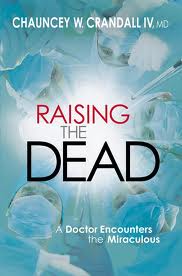
Raising The Dead (book review)

I know, I know, the title of this book sort of sounds like a horror movie, doesn’t it? But Dr. Chauncey Crandall IV’s book Raising The Dead is anything but horrific. In fact, it’s actually more like a love story.

The book opens with Dr. Crandall’s firsthand experience of praying for a patient who has been pronounced dead, and seeing with his own eyes that patient returned to life. This sets the stage for the life journey on which Dr. Crandall and his family are about to embark.

Raising The Dead traces the Crandall family’s journey of spiritual discovery as they battle cancer in the life of one of their twin sons. Throughout this story you will ride the highs as miracles appear for this family, and you will feel the heartbreak as opportunities slip away. Through it all, the Crandall family learns how to draw closer to each other, and – most importantly – closer to God. I know I joked earlier about the book’s title evoking thoughts of a movie, but in actuality, this story would make an incredibly moving film.

If you are praying for a miracle in your life, if you work with people in desperate places, or if you would simply enjoy a moving account of a family seeking so fervently after God, you will enjoy Raising The Dead.

I am a Faith Words book reviewer.

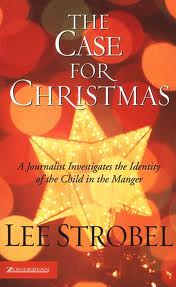
The Case For Christmas (book review)

Virgin birth? The accuracy of the biblical account? God in flesh? These are all intriguing questions that crop up especially around the Christmas season, which is why The Case For Christmas by Lee Strobel is a timely read.

Lee Strobel investigates the fantastic claims that Christians make about the birth of Jesus Christ with all of the cool-headed dispassion of a newspaper journalist. Beginning with his own skepticism about the miracle of the virgin birth of Christ, Mr. Strobel seeks out the sharpest minds who have thoroughly researched the key areas surrounding this subject. In a book that reads a little like a detective story, we get to sit in on some of the fascinating interviews Mr. Strobel conducted for this book.

Whether you are an atheist, a doubter, or a wholehearted believer, there is much to ponder in The Case For Christmas. At only 96-pages long, you can read this book prior to Christmas Day, and gain a better appreciation for the true meaning behind CHRISTmas.

Christians Are Hate-Filled Hypocrites… (book review)

…and Other Lies You’ve Been Told.

If this sounds like a provocative title, you’d be right. But Bradley R.E. Wright delivers with Christians Are Hate-Filled Hypocrites. A sociologist professor, Dr. Wright digs into the numbers behind the headlines. Of course, you’ve heard the age-old cliché: Figures never lie, but liars figure. Sometimes headline writers can take some stats to say what they want to say about Christians and the church, but Dr. Wright shines a light on these tricks.

Dr. Wright looks at some of the headline-grabbing topics like:

  • Is the church losing its young people?
  • Are evangelicals uneducated and poor?
  • Do Christians break the rules as much as non-churched people?
  • Do Christians really love others?
  • What do non-Christians think of Christians?

There are a ton of stats presented in this book. I happen to enjoy digging through the numbers, so there was just enough for me. But don’t worry, if you aren’t really a “numbers person,” there are some easy-to-read graphs and charts that make the numbers easier to digest.

My own slight hesitation with recommending this book is a slight sarcastic edge to Dr. Wright’s delivery. It’s not over-the-top, but at times I felt it was less than his best. But aside from this, I enjoyed getting a look behind the numbers.

I am a Bethany House book reviewer.

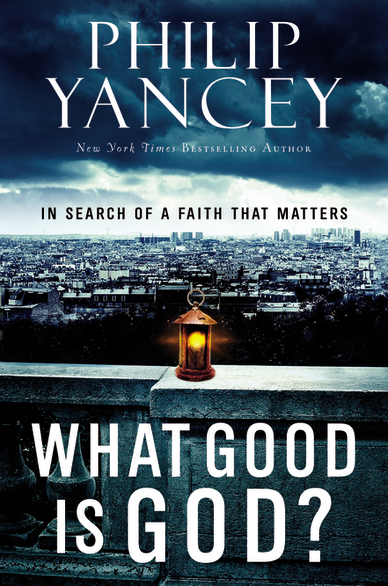
What Good Is God? (book review)

Philip Yancey always makes me think. He explores the edges of Christian faith, not content just to walk down the safe paths of well-worn, traditional preaching. Just the title of his latest book—What Good Is God?—tells you that this book will be no exception.

This book is laid out in ten sections, each with two chapters. The first chapter in each section gives you the setting, the second chapter is a speech that Yancey gave in that setting. And, wow, what tough settings they are! Every setting is one that makes you wonder, “Where was God in that?!?”

What Good Is God? will take you to settings like…

  • The campus of Virginia Tech after a gunman opened fire on faculty and students.
  • The secret house churches in Communist China.
  • The post-apartheid South Africa where wounds of hate are still healing.
  • The volatile Middle East where religious beliefs violently collide.
  • The middle of a terrorist attack in Mumbai, India.

In every section, Philip Yancey masterfully and empathetically takes us on a journey of discovery that shows that God is still God and that He is good. He does this through personal example, Biblical references, and always with a heart that seems to know his audience.

It’s a challenging read, but well worth your time.

I am a Faith Words book reviewer.

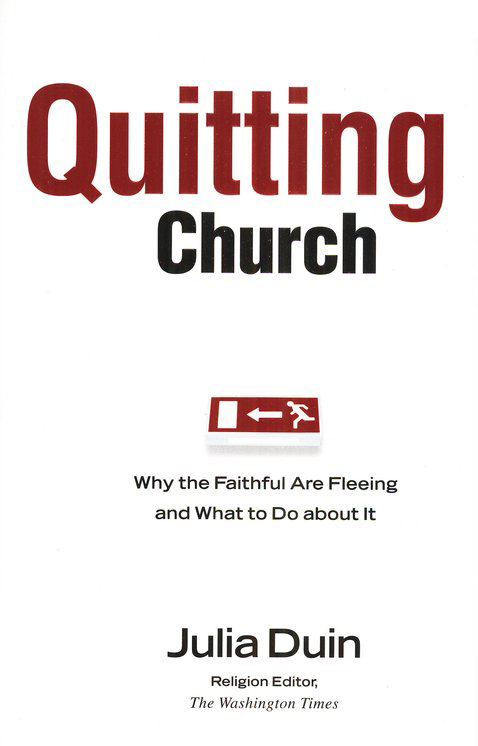
Quitting Church (book review)

It’s true: people are leaving churches in record numbers. Who is leaving? Why are they leaving? Is there anything churches can do to stem the tide? These are the questions that drove Julia Duin to research and write Quitting Church.

Since I pastor a church, these sorts of questions intrigue me too. Unfortunately, this book left me flat.

The research in this book consists largely of: (a) snippets quoted from other researchers; (b) Julia’s conversations with her friends who have stopped attending church; and (c) Julia’s observations on what “connected” for her at the various churches she has attended. In other words, this book doesn’t present a whole lot of original information. Even the subtitle—why the faithful are fleeing and what to do about it—is misleading, in that I read very little about how to keep the departing from fleeing.

Save your money; take a pass on this book.

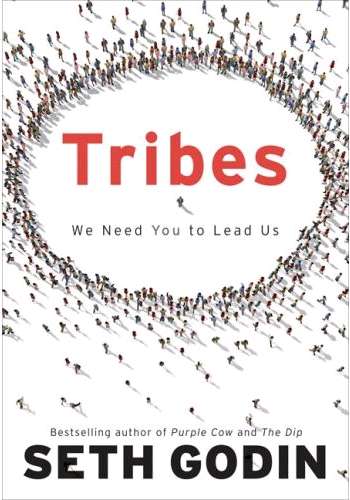
Tribes (book review)

Seth Godin’s work is always thought-provoking. I know that he is mainly writing for a business audience, but I find his comments applicable to the church world (not to mention my personal world) as well.

I “read” Tribes in the audiobook format over a period of several weeks of drive time. I found myself frequently hitting the button which backs up the recording for 30 seconds. After I would replay a section, I would often press “pause” to reflect on the insights Seth had just read to me.

Instead of my usual book review format, I thought I’d just share with you some of the quotes which have been rolling around in my mind:

“Leaders don’t have things happen to them; leaders do things.”

“Faith is critical to all innovation. Without faith, it’s suicidal to be a leader. Religion, on the other hand, represents a strict set of rules that our fellow humans have overlaid on top of our faith. Religion supports the status quo and encourages us to fit in, not to stand out.”

“The best time to change your business [or church] model is when you still have momentum.”

“The tactics of leadership are easy; the art of leadership is hard.”

“Leaders challenge the status quo. Leaders create a culture around their goal, and involve others in that culture. Leaders have an extraordinary amount of curiosity about the world they’re trying to change. Leaders use charisma in a variety of forms to attract and motivate followers. Leaders communicate their vision of the future. Leaders commit to a vision and make decisions based on that commitment. Leaders connect their followers to one another.”

“You can’t manage without knowledge; you can’t lead without imagination.”

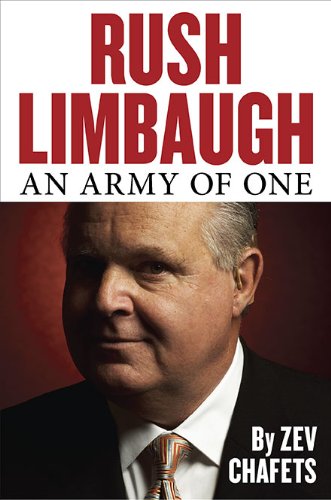
Rush Limbaugh: An Army Of One (book review)

I remember the first time I heard Rush Limbaugh’s baritone voice coming over the airwaves of WXYZ in Detroit. I was just coming back to my office from lunch, and I was compelled to stay in my car in the parking lot to listen to this man with the unusual name, and even more unusual delivery of ideas. Rush Limbaugh: An Army Of One by Zev Chafets is just as compelling as the radio personality he chronicles.

Like him or hate him, you cannot ignore him. Rush Limbaugh has single-handedly changed talk radio. He already holds places in the National Broadcasting Hall of Fame because his radio audience is larger than any other in history. For three hours every afternoon, Rush broadcasts from behind “the golden EIB microphone” to listeners anxious to hear his irreverent and convincing confrontation and refutation of liberal ideology.

Maybe, like me, you’ve wondered what made Rush the broadcaster that he is. Or maybe you wondered what Rush is like during the other 21 hours of the day. Zav Chafets book is a no-holds-barred, full-access, behind-the-scenes look at this conservative icon.

If you are a fan, this book will give you a greater appreciation of the genius of his delivery. If you’re a hater, well, this book won’t do anything to change your mind. Zav is clearly not a “Dittohead,” but he is clearly impressed by this radio giant.

As Zav states in his closing words:

Even after more than twenty years there are still many people who refuse to accept that Limbaugh is more than an entertainer, a pitchman, or a hot-air balloon. These are the same people who mistook [Ronald] Reagan for an amiable dunce. Two decades should have been enough to convince even the most obtuse that Rush Limbaugh is someone you underestimate or ignore at your own peril. He can’t be wished away or shouted down or sniffed into irrelevance. Smart liberals will listen to him, even if they hate what he has to say. The easily outraged, will be. Those with a sense of humor will find themselves laughing despite themselves. Presidents and politicians come and go, but Rush Limbaugh, equipped now with a clean bill of health and accompanied by a lovely new wife (and, who knows, maybe a future Rush Hudson Limbaugh IV), and in undisputed control of the conservative movement, is ready for the next act. He has often said that he doesn’t intend to quit until he has convinced every liberal in the country. He’s not in a hurry, either. His grandfather, the original Rush Hudson Limbaugh, didn’t retire until he was 103 years old.

A very informative, enjoyable read.