


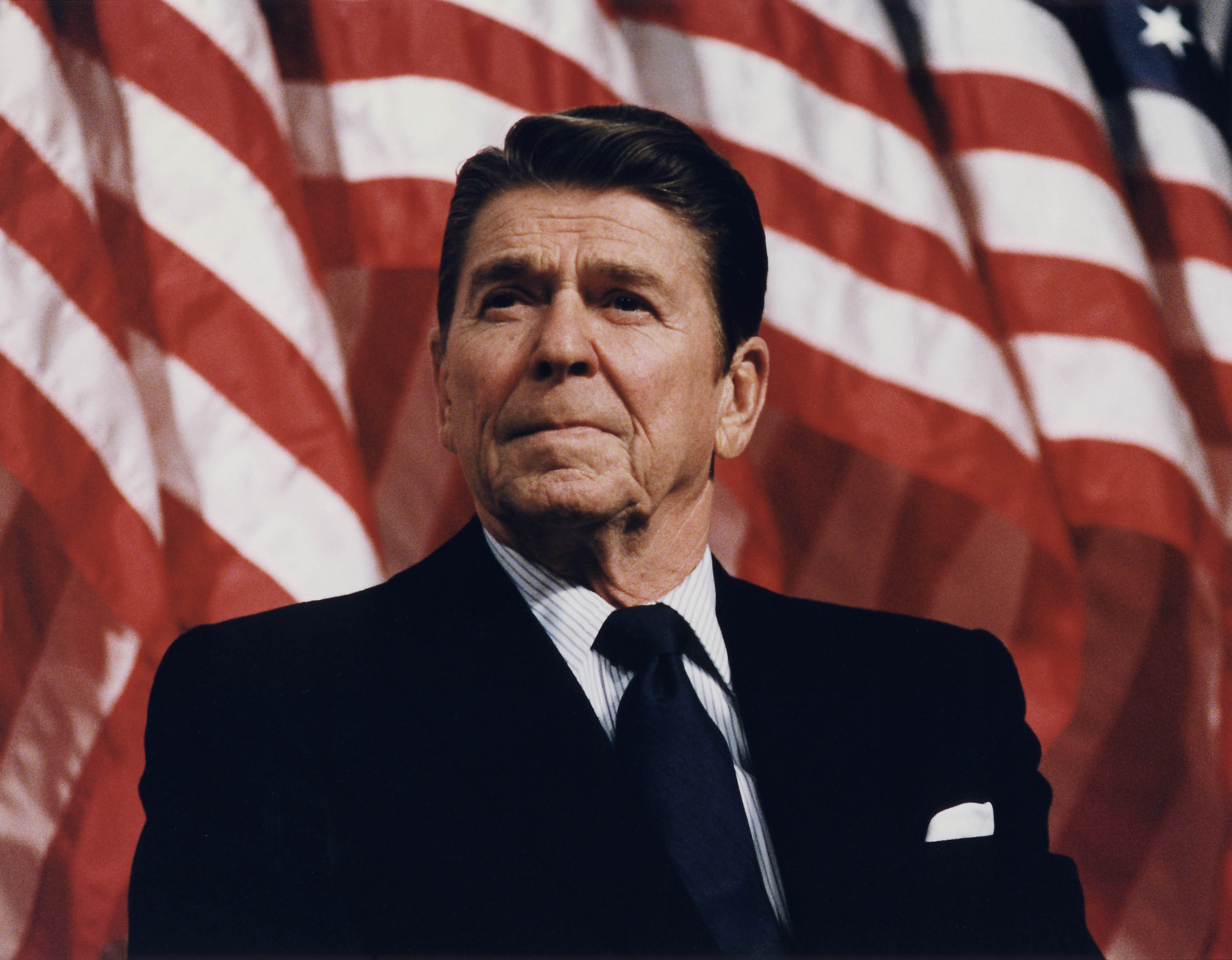
 “In our hearts you will always be young, full of the love that is youth, love of life, love of joy, love of country—you fought for your country and for its safety and for the freedom of others with strength and courage. We love you for it. We honor you. And we have faith that, as He does all His sacred children, the Lord will bless you and keep you, the Lord will make His face to shine upon you and give you peace, now and forevermore.” —Ronald Reagan, in his 1988 Veterans Day address
Happy Veterans Day
November 11, 2013 — Craig T. Owens21 Quotes From “Sometimes You Win, Sometimes You Learn”
October 22, 2013 — Craig T. Owens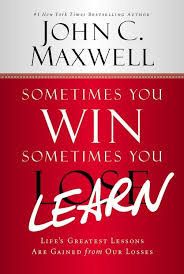 As I mentioned in my book review (which you can read by clicking here), John Maxwell always expands my horizons with his writings. I appreciate his ability to use his own life experiences as well as historical and contemporary examples and writings. So some of my favorite quotes from Sometimes You Win, Sometimes You Learn are from Dr. Maxwell, and some are from others that he quotes. Enjoy!
“I sometimes react to making a mistake as if I have betrayed myself. My fear of making a mistake seems to be based on the hidden assumption that I am potentially perfect and that if I can just be very careful, I will not fall from heaven. But a mistake is a declaration of the way I am, a jolt to the way I intend, a reminder that I am not dealing with facts. When I have listened to my mistakes, I have grown.” —Hugh Prather
“Those who profit from adversity possess a spirit of humility and are therefore inclined to make the necessary changes needed to learn from their mistakes, failures, and losses. … When we are focused too much on ourselves, we lose perspective. Humility allows us to regain perspective and see the big picture. … Humility allows us to let go of perfection and keep trying.” —John Maxwell
“Most people spend their entire lives in a fantasy Island called ‘Someday I’ll.’” —Denis Waitley
“An idealist believes the short-run doesn’t count. A cynic believes the long run doesn’t matter. A realist believes that what is done or left undone in the short-run determines the long run.” —Sydney J. Harris
“Those things that hurt, instruct.” —Benjamin Franklin
“You can’t grow and learn if your focus is on finding someone else to blame instead of looking at your own shortcomings.” —John Maxwell
“The highest reward for our toil is not what we get for it but what we become by it. … Mistakes are not failures. They are proof that we are making an effort. When we understand that, we can more easily move out of our comfort zone, try something new, and improve. … Improvement demands a commitment to grow long after the mood in which it was made has passed.” —John Maxwell
“Success in most things comes not from some gigantic stroke of fate, but from simple, incremental progress.” —Andrew Wood
“The main trouble with despair is that it is self-fulfilling. People who fear the worst tend to invite it. Heads that are down can’t scan the horizon for new openings. Bursts of energy do not spring from a spirit of defeat. Ultimately, helplessness leads to hopelessness.” —Norman Cousins
“Positive thinking must be followed by positive doing.” —John Maxwell
“When you are influential and highly respected, people tend to tell you what you want to hear, not what you need to hear. They are seeking your approval, or they flatter you. Unfortunately, this creates a gap between what you hear and reality. If you find yourself in that situation, you will need to work extra hard to get the people close to you to speak honestly into your life. And you will have to become highly intentional in observing and listening.” —John Maxwell
“Wisdom is the reward you get for a lifetime of listening when you would have preferred to talk.” —Doug Larson
“Circumstances are the rulers of the weak; but they are the instruments of the wise.” —Samuel Lover
“Mistakes are painful when they happen, but years later a collection of mistakes is what is called experience.” —Denis Waitley
“Ninety percent of those who fail are not actually defeated; they simply quit. … As you face bad experiences, it’s important for you to remember that you can rarely see the benefits while you’re in the midst of them. You usually gain perspective on the other side of it.” —John Maxwell
“Most people would rather change their circumstances to improve their lives when instead they need to change themselves to improve their circumstances. They put in just enough effort to distance themselves from their problems without ever trying to go after the root, which can often be found in themselves. Because they don’t try to change the source of their problems, their problems keep coming back at them.” —John Maxwell
“To grow, you must be willing to let your present and future be totally unlike your past. Your history is not your destiny.” —Alan Cohen
“If I had my life to live over again, I’d make the same mistakes, only sooner.” —Tallulah Bankhead
“Maturity is doing what you are supposed to be doing, when you’re supposed to be doing it, no matter how you feel.” —Dom Capers
“Have you not succeeded? Continue! Have you succeeded? Continue!” —Fridtjof Nansen, Nobel Peace Prize winner
“How we think when we lose determines how long it will be until we win.” —G.K. Chesterton
What Do You Remember about 9/11?
September 11, 2013 — Craig T. Owens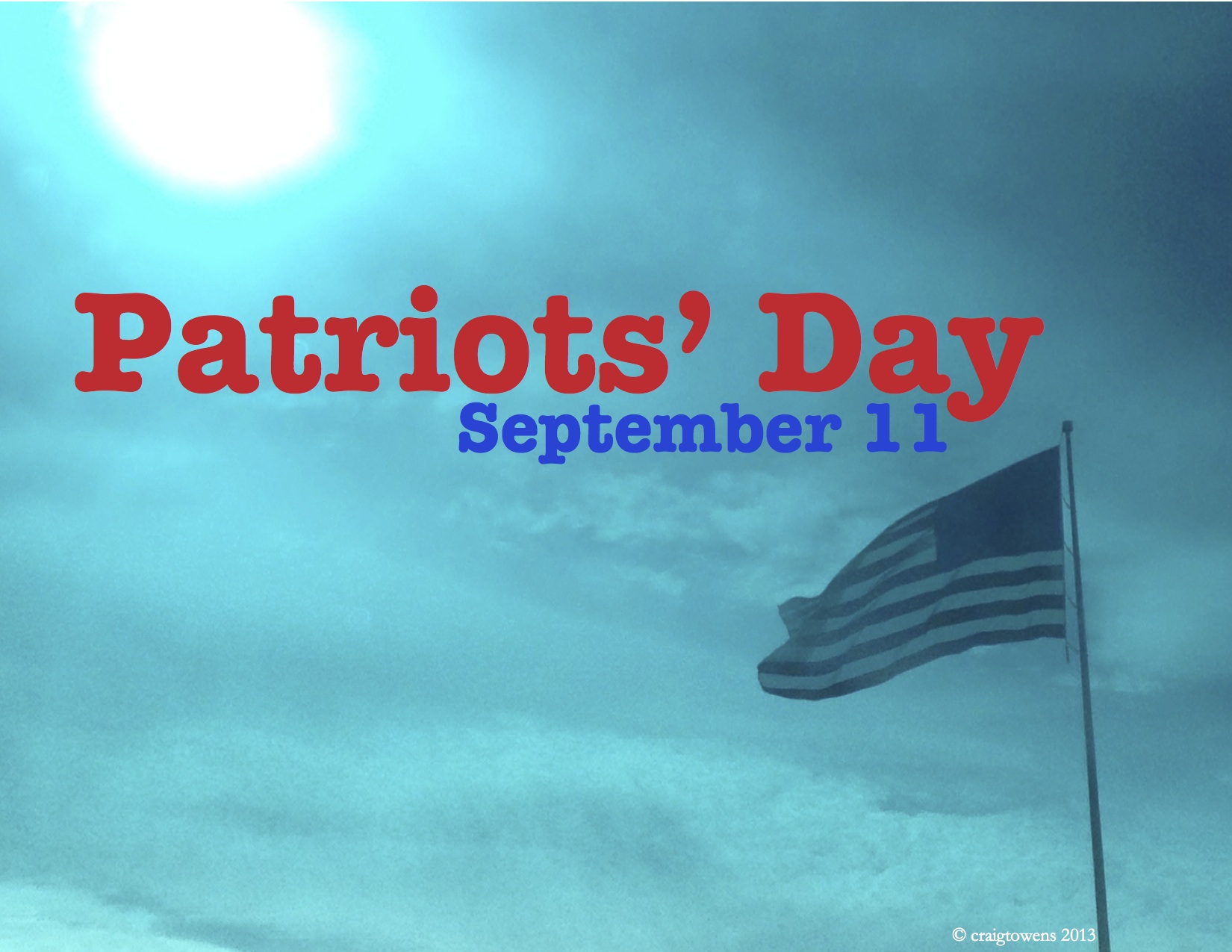 September 11, 2001, was a momentous, historical day. What do you remember about it?
You could choose to remember the acts of cowards—men who didn’t care whether they killed innocent people.
Or…
You could choose remember the acts of heroes—men and women who rushed into harm’s way to save lives … men and women who volunteered to serve in the US armed forces, police, and fire departments …. men and women who lined up to donate blood to help the wounded … men and women who spent countless hours sifting through rubble to find any who might have survived … men and women who gladly made personal sacrifices for the safety of fellow citizens … men and women who define the word PATRIOT.
September 11 is rightly called Patriots’ Day. It’s a day to remember heroes, not cowards.
Things We Couldn’t Say (book review)
July 24, 2013 — Craig T. Owens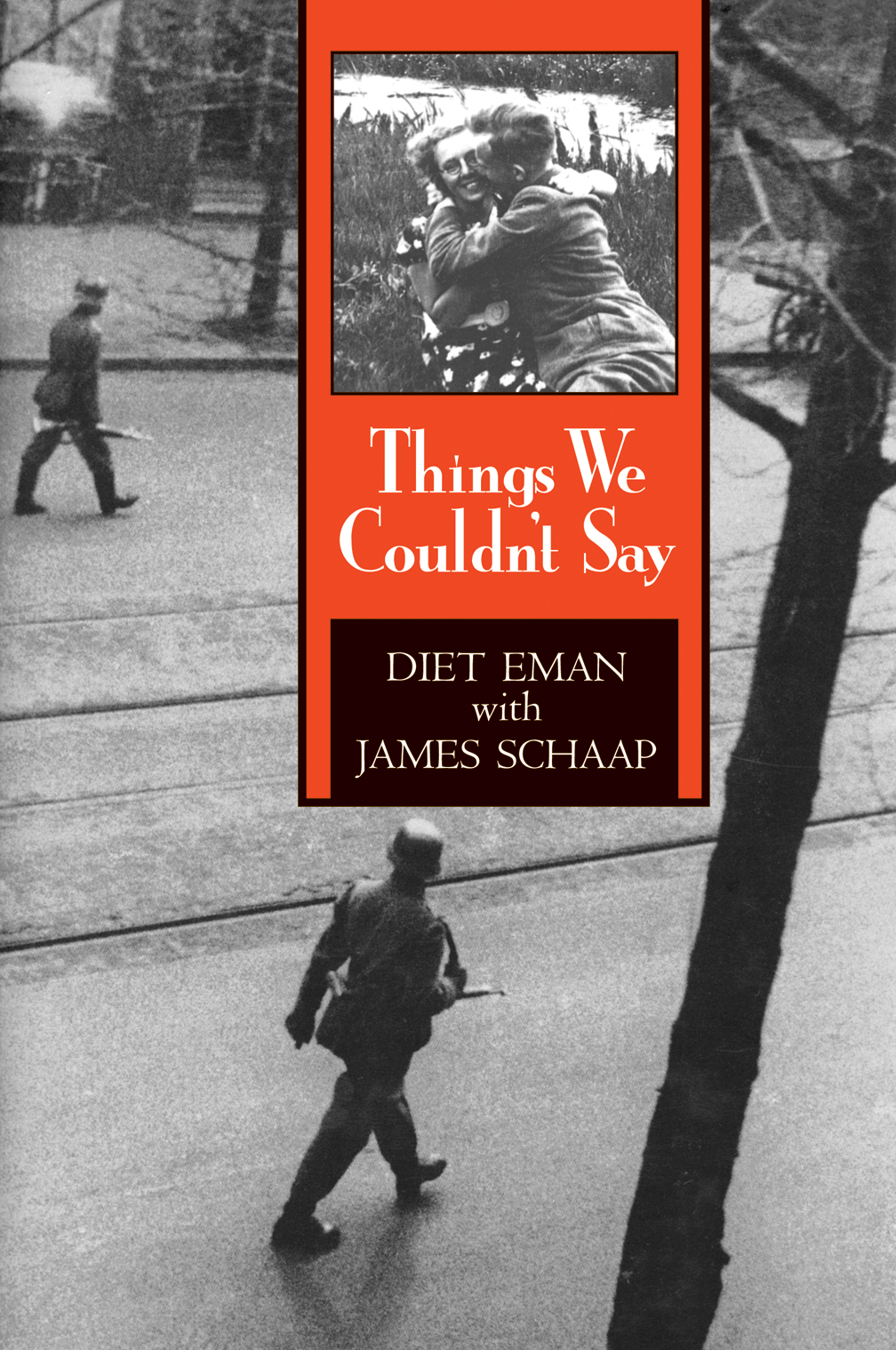 It’s not often that a historical memoir could read like a spy thriller, but that’s exactly how Things We Couldn’t Say by Diet Eman reads.
Diet (pronounced “deet”) was a young girl when the Nazis invaded The Netherlands where she lived, and she quickly got caught up the Dutch Underground resistance against their unwelcome invaders. Alongside her fiancee, her family members, and several of her friends, they worked at hiding Jews from the Gestapo. This involved all of the tricks you would thrill at in any modern-day telling of espionage, with read page-turning excitement.
Part of the interesting underlying plot in this story is Diet’s love for her fiancee Hein and both of their families. Diet and Hein were constantly changing their names and residence to keep the Gestapo from catching up with them, yet they still found time to write some amazing love letters back and forth to each other. Their love was a bright light in a very dark time, and makes their involvement in this dangerous business even more impressive.
Not only is this a story about human ingenuity, but also about God’s divine provision as well. Diet records time after time that God miraculously provided for safety and provision and favor in order to keep alive. At the end of the war, every single one of the Jews Diet and Hein helped hide and care for were still alive!
For those reasons alone Things We Couldn’t Say is a fascinating read, but it’s an important read too. In the postscript Diet talks about her reluctance to write this book because of the painful memories it would reawaken. She said, “When the war ended we all said, ‘This can never happen again.’ But now polls show that 22 percent of the U.S. population does not believe there was a Holocaust. The story has to be retold so that history does not repeat itself.”
I can’t recommend this book strongly enough for readers of any age!
Francis: Man Of Prayer (book review)
July 1, 2013 — Craig T. Owens Unless you’ve been locked away somewhere, you know that a new pope was recently elected. Jorge Mario Bergoglio’s life is recounted in Francis: Man of Prayer by Mario Escobar.
I have always felt that history books (including biographies and autobiographies) shouldn’t be published until a later date. When we are “in the moment,” things are so fluid and their outcome so uncertain, that it’s best to wait for awhile to see how things turn out before they are committed to a book. So I was a bit surprised to see a biography of the new pope appear in print so quickly after his election.
Clearly this is not a book that looks at Francis’ papacy, but one that chronicles his ascendency to that position. For the most part I found this biography to be very factual, and dry. The events of Bergoglio’s life are presented dispassionately and disjointedly. This book could have been written in bullet-points, and it would have maintained all of the same coolness as it has in its current form.
Perhaps a book will be published later in Francis’ papacy which will have some more sizzle to it, but this biography is a real snoozer.
I am a Thomas Nelson book reviewer.
Decision Points (book review)
May 13, 2013 — Craig T. Owens One of my life goals is to read an (auto)biography of every U.S. President. I’m well on my way. My latest one is Decision Points by President George W. Bush.
This book is laid out in a rather intriguing way. Instead of being told chronologically, it’s told through the prism of the major decisions President Bush faced. Written in this style, we are able to stick with one situation from inception, to decision, to the management of that decision. Now that we are 10+ years down the road from some of these decisions, we get to see the wisdom or folly of those decisions.
The book is a great inside look into the weighty decisions that land on a president’s desk throughout his term in office. As a Christian who has a biblical command to pray for my elected officials, it’s a helpful guide for my daily prayers.
I throughly enjoyed reading Decisions Points, and I think other students of history will appreciate the thoughtful way this book is presented too.
Holocaust Remembrance Week
April 10, 2013 — Craig T. Owens One of the more sobering times of my week in Washington, D.C., was the afternoon we spent at the Holocaust Museum. The dehumanizing atrocities perpetrated by one group of people on another group of people is almost unimaginable.
And yet there it was—all the nauseating evidence of man’s evil right before my eyes. It was so overwhelming that I had to hurry past the final exhibits.
Commander of the Allied Forces Dwight Eisenhower wrote to George C. Marshall, the chairman of the U.S. Joint Chief Of Staff—
“…the most interesting—although horrible—sight that I encountered during the trip was a visit to a German internment camp near Gotha. The things I saw beggar description. While I was touring the camp I encountered three men who had been inmates and by one ruse or another had made their escape. I interviewed them through an interpreter. The visual evidence and the verbal testimony of starvation, cruelty and bestiality were so overpowering as to leave me a bit sick. In one room, where they were piled up twenty or thirty naked men, killed by starvation, George Patton would not even enter. He said that he would get sick if he did so. I made the visit deliberately, in order to be in a position to give first-hand evidence of these things if ever, in the future, there develops a tendency to charge these allegations merely to ‘propaganda.’” (emphasis added)
A statement from President Ronald Reagan, from 1988, is etched on the wall of the Holocaust Museum—
“We who did not go their way owe them this: We must make sure that their deaths have posthumous meaning. We must make sure that from now until the end of days all humankind stares this evil in the face … and only then can we be sure that it will never arise again.” (emphasis added)
The rise to power of the Nazis was swift. Their evil was initially unopposed. Few voices spoke out, and even few were heeded. We must never allow this to happen again!
As George Santayana said, “Those who do not learn from history are doomed to repeat it.” As revolting as it is, we must learn from this lesson. You must look this evil in the face. You must allow your children to look this evil in the face. If we don’t, we will be doomed to live through these unthinkable atrocities all over again.
Reflections On Washington
April 9, 2013 — Craig T. Owens My oldest son is graduating from high school this year, and my wife and I wanted to take him on a special trip for spring break. So we spent the week touring Washington, D.C.
I have never visited our nation’s capital before, and after being there, I’m sorry that I didn’t make that trip earlier! I am bit of a history buff, so seeing all of the historical landmarks and learning more about the people who contributed to the success of America was amazing!
Here are a few reflections I have from my time…
I need to be more grateful. So many people have sacrifice so much for me to enjoy the freedom I could easily take for granted, if I’m not careful.
I need to study more. Our history is so rich! For me it’s fun to learn about the men and women of our past, but it’s more important than that. If we don’t learn the lessons of the past, we are doomed to repeat the same mistakes of the past.
I need to pray more. Our elected officials face an enormous challenge each and every day. Scripture is clear that prayer for those in our government commanded of us, but the Bible also says that praying for them is beneficial for us.
I need to learn more about Cedar Springs history. The great men and women of American history weren’t all born in Washington, D.C., nor did they all live or work there. I live in a community of hard-working, innovative, passionate individuals. The next Lincoln, or Jefferson, or Jay, or Webster might be right here in my community, and I want to be prepared to support them.
I need to visit Washington again soon. For three solid days we took in everything we possibly could, and we hardly scratched the surface. I can’t wait to go back to learn more!
The Reagan Diaries (book review)
March 6, 2013 — Craig T. Owens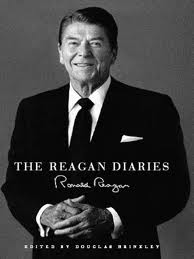 President Ronald Reagan was the first president I was old enough to vote for, so he’s always held a special place in my own personal history. After reading several books about President Reagan, I wanted to read something in his own words. I’m so glad I did! The Reagan Diaries is a forthright look at an amazing man.
If you have studied American history during the Reagan presidency—or maybe you lived through that era of our history—you will gain a greater appreciation for the tough decisions that were made during this time. Reagan came into office on a platform that brought a sense of encouragement to an American people who were feeling a bit beat up, and then he tirelessly worked to follow through on the promises he had made, despite a Congress that was initially very antagonistic toward his policies.
Several things really stood out in these diaries. First is Reagan’s reliance on God. Time and again he writes about the wisdom he found in the Scriptures, or the strength he received in prayer. His faith is inseparable from his success in the White House. His faith was one that came to the forefront especially in dark times. Laying in the emergency room after being shot by a would-be assassin, he wrote:
“I focused on that tiled ceiling and prayer. But I realized I couldn’t ask for God’s help while at the same time I felt hatred for the mixed up young man who had shot me. Isn’t that the meaning of the lost sheep? We are all God’s children & therefore equally beloved by Him. I began to pray for his soul and that he would find his way back to the fold. …Whatever happens now I owe my life to God and will try to serve Him in every way I can.”
Another thing that appears in page after page is his love for Nancy. He writes frequently about how lonely the White House seemed when she was gone, he counted down the days until they would be reunited, and he looked forward to the all-too-short times when they could vacation together or take a break on the weekend just to be alone. On the first wedding anniversary they celebrated in the White House, he wrote, “more happiness than any man could rightly deserve.” And back at George Washington Hospital after the assassination attempt he said,
“I opened my eyes to find Nancy there. I pray I’ll never face a day when she isn’t there. Of all the ways God has blessed me giving her to me is the greatest and beyond anything I can ever hope to deserve.”
Finally, I love Reagan’s “realness.” He never took himself too seriously. He remained accessible to as many people in the White House as he could, and spent a lot of time calling and mailing United States’ citizens he read about in the newspapers or saw on the news reports. He was also brutally honest about his own shortcomings. After one press conference he wrote, “I wasn’t very scintillating.”
This is an excellent book to read for both a study in leadership, and as a companion to other U.S. history books of that period. At 700+ pages, it’s a hefty read, but well worth your time.
I Never Thought I’d See The Day (book review)
February 18, 2013 — Craig T. Owens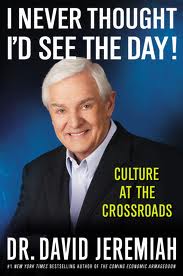 The subtitle of Dr. David Jeremiah’s book is the most telling—I Never Thought I’d See The Day: Culture At The Crossroads. It is true that our American culture is at a crossroads, and decisions will have to be made now that could very well effect the direction of the church, and of this nation.
As a side note, I have a bit of an issue with the title of the book. To think we’d never see the day where our culture was sliding away from God’s standard is a bit of hyperbole. Any student of history knows that cultures have always gone through such things many, many times. What is true with American culture now has been true with other cultures, in other eras, on other continents. However, this by no means that Dr. Jeremiah has misdiagnosed where America is now.
Before a cure can be realized, a patient must first know he is sick. Then he must go to a doctor and be willing to follow the prescribed course of treatment. In many ways, Americans know something’s “not quite right” with our society, but have been unable to pinpoint the root cause. Dr. Jeremiah correctly diagnoses an American culture that has become increasingly humanistic, antagonistic toward Jesus, pluralistic, and obstinate toward the teachings of the Bible. In each chapter, Dr. Jeremiah diagnoses one symptom of our disease, and lays out a God-honoring cure.
Here’s the million dollar question: Will we follow the course of treatment?
In the last chapter, Dr. Jeremiah says,
I am pessimistic about man’s ability, independent from his Creator-God, to solve the problems he creates—especially problems of enormous scale such as those our nation and the world face today. I am, however, an optimist about God. And it is toward Him that we must turn our attention….
I Never Though I’d See The Day is a sobering read. Each chapter shows us just how far from God we’ve slid (that’s the pessimistic part), but then Dr. Jeremiah lays out a plan to bring us back to a God-fearing society (that’s the optimistic part). It’s a very interesting read which I especially think church leaders and God-fearing civic leaders must read.
I am a Faith Words book reviewer.
Check out some quotes from this book here.
My most-viewed posts


 Craig T. Owens