How Confident Are Your Prayers?

David hasn’t done anything wrong. He’s never tried to lead a rebellion against King Saul. In fact, he’s never even talked poorly about Saul. And yet Saul is out to kill David!

David tries to get as far away as he can, choosing to live in the desert so that he might get some relief from Saul. Still Saul comes after him with a force of 3000 men! Every time David moves, Saul’s men are hot on his trail. David described his situation like this

My mortal enemies surround me. Their hearts are cold and calloused toward me, and they speak terrible things about me. They track me down and surround me. They are like hungry lions, crouching, waiting to pounce on me!

If you were in David’s sandals, how confident would you be that God could get you out of the situation? Remarkably, David’s confidence was as high as it could be!

David not only was confident that God would hear him, but that He would listen to him. More than that, David knew God would pay attention to him. And then David boldly said, “I call on You, O God, for you WILL answer me.”

How could David pray such a confident prayer? The answer is in this principle…

There is a direct correlation between intimacy and confidence.

David made two very intimate claims about his relationship with God:

  1. You will keep me as the apple of Your eye
  2. You hide me in the shadow of Your wings

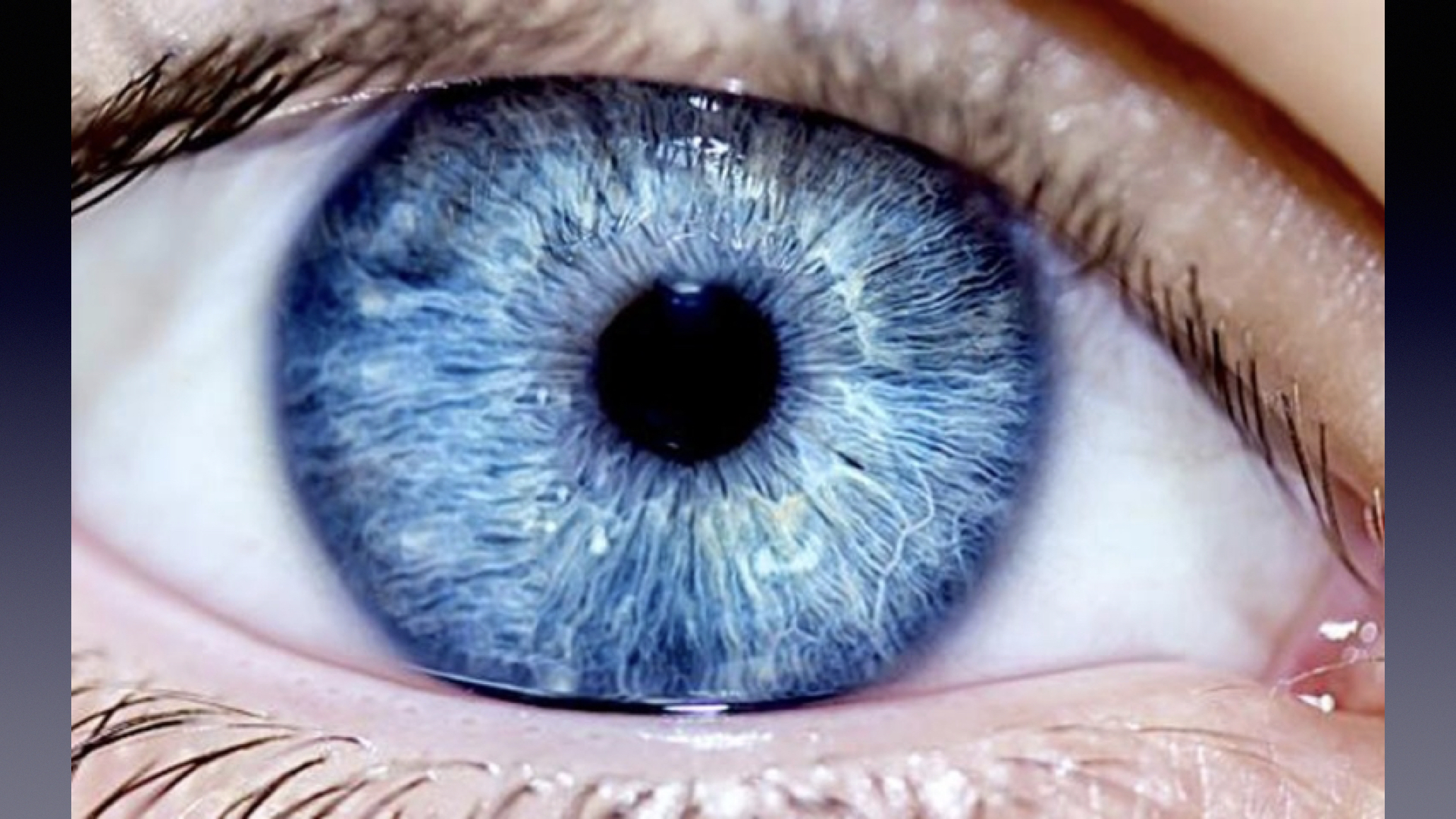
The apple of the eye is the pupil. Our eyes are amazingly designed to not only take in information but to protect themselves. If something is getting too close to our eye, the eyelids blink in protection faster than we can consciously tell them to. So David was claiming that God would protect him by reflex!

The shadow of Your wings was a reference to the top of the Ark of the Covenant; a place called the mercy seat. Here is where the priest sprinkled the blood of a sacrificial lamb to atone for the people’s sin and to appeal to God’s mercy. The mercy seat was over-shadowed by two angels’ wings.

David was saying that God kept him in this intimate place—covered by God’s mercy and protection!

Jesus also told us about intimate confidence when He said, “If you remain in Me, and My words remain in you, ask whatever you wish, and it will be given you” (John 15:7).

  • Intimacy: remain IN Jesus, and let His words remain IN you
  • Confidence: ask whatever you wish, and it will be given you

Are your prayers this confident? If not, don’t work on raising your confidence, but work on increasing your intimacy. Check your intimacy level with questions like:

  • Am I abiding in Jesus?
  • Are His words abiding in me?
  • Do I have any unconfessed sin?
  • Is my prayer a “Your kingdom come, Your will be done” prayer?

Focus on intimacy, and then watch your confidence soar! 

If you are interested in learning more about the prayers of David, I have also discussed his prayer for help, his prayer of crying out loud, and his prayer of praise.
What Are You Looking At?

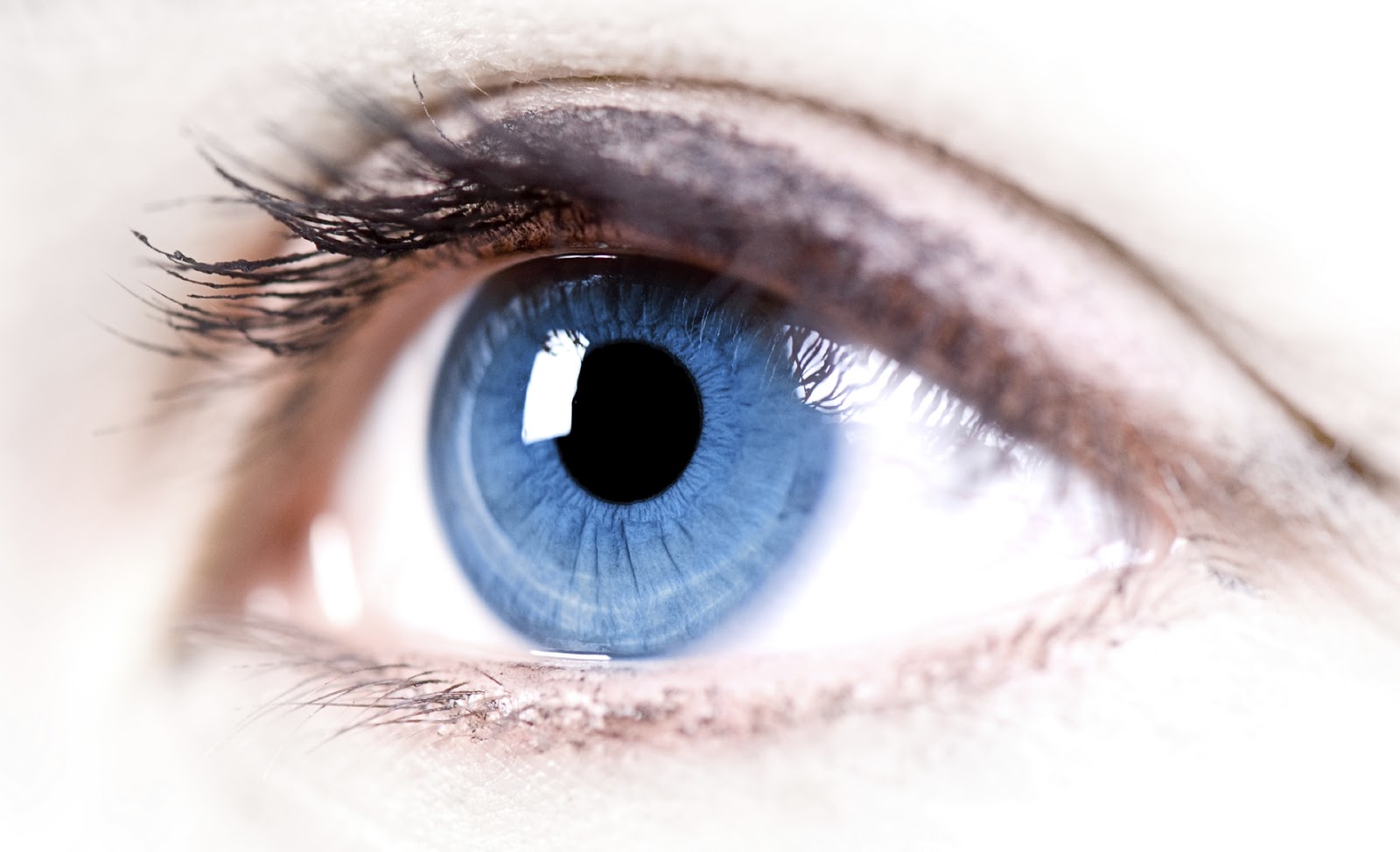
Blue eyeI read a fascinating article on some recent research on how eye movement can effect moral decision-making.

The researchers found that, “people asked to choose between two written moral statements tend to glance more often towards the option they favour.” And also that a decision can be influenced by asking for an answer immediately after the person looks at what you want them to choose.

The Bible has much to say about where our eyes are fixed, and how that impacts our life decisions―

I have a message from God in my heart concerning the sinfulness of the wicked: There is no fear of God before their eyes. (Psalm 36:1)

So we fix our eyes not on what is seen, but on what is unseen, since what is seen is temporary, but what is unseen is eternal. (2 Corinthians 4:18)

With eyes full of adultery, they never stop sinning…. (2 Peter 2:14)

Your eye is the lamp of your body; when your eye (your conscience) is sound and fulfilling its office, your whole body is full of light; but when it is not sound and is not fulfilling its office, your body is full of darkness. (Luke 11:34, Amplified)

I made a covenant with my eyes not to look lustfully at a young woman. (Job 31:1)

Keep your eyes straight ahead; ignore all sideshow distractions. (Proverbs 4:25, Message)

So … what are you looking at?

Eye Exam

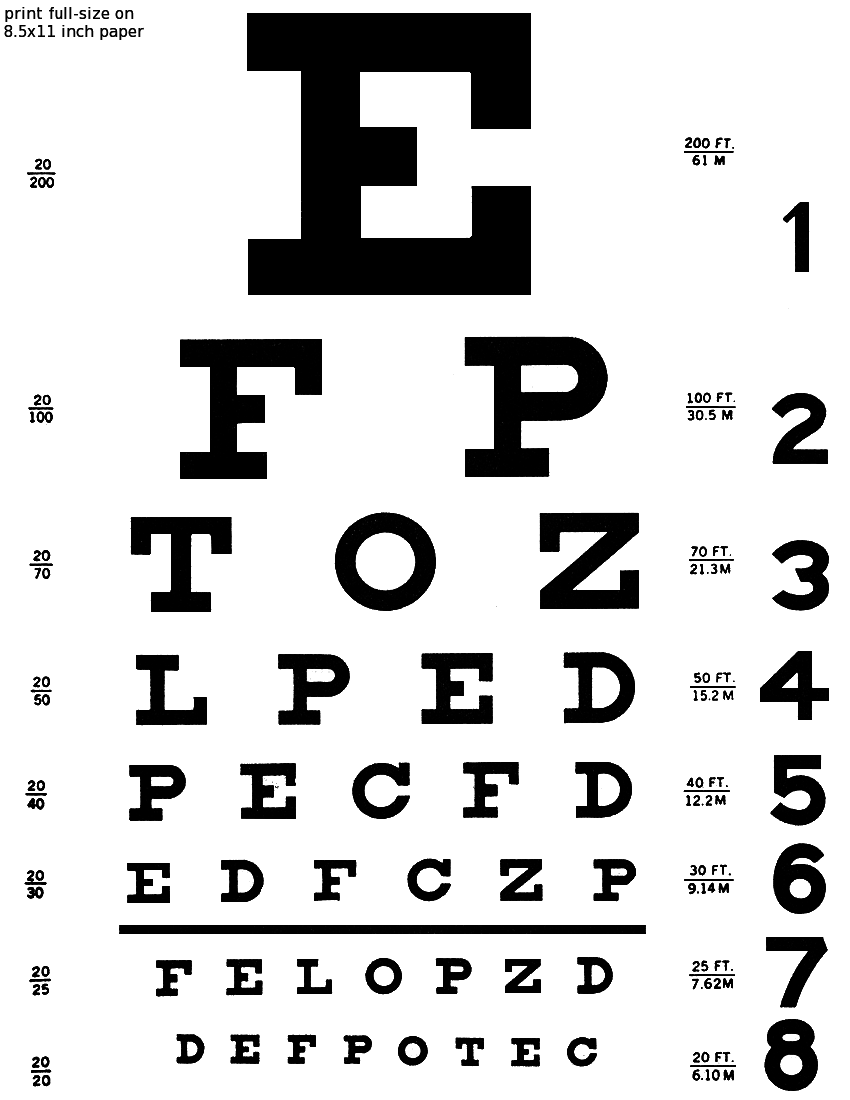
EyechartProbably at one time or another everyone has gone through some sort of eye exam where you read an eyechart to get information about your vision. This simple exam gives your doctor a standard by which to measure the visual acuity of your eyes. After all, without an objective standard for your vision, who’s to say whether your eyesight really is good or bad?

After taking the exam, the doctor can determine whether you have…

  • emmetropia—normal vision where light from your eye’s lens is properly focused on the retina at the back of your eye; or
  • myopia—also called short-sightedness, where the light is focused in front of the retina; or
  • hyperopia—or far-sightedness, where the light is focused behind the retina.

Both myopia and hyperopia can be corrected by lenses. Glasses, contact lenses, or even corrective surgery can correct your focal point, restoring emmetropia again. But notice this:

Lenses don’t change what you see, but how you see it. 

By refocusing the light into the right place, you are now looking at the same object, but the focal point is corrected. You are able to see things that were there all along, but that your out-of-focus vision caused you to miss. For a Christian, the Bible works the same way—

Scripture doesn’t change the events or circumstances in your life, but it does change how you see them. 

The eye is the lamp of the body. If your eyes are good, your whole body will be full of light. But if your eyes are bad, your whole body will be full of darkness. (Matthew 6:22-23)

Vision problemsWhat’s true for an eye exam is also true for a spiritual exam: If you don’t read the eyechart, it’s hard to tell if your vision is out-of-focus.

Far too many people don’t read the Bible for themselves, so they never have given the Holy Spirit a chance to show them where their attitude or lifestyle is out of focus with God’s design. However, if you are reading the Bible, here are three warning signs that you may have blurry spiritual vision that needs to be corrected:

  1. You try to rationalize what the Holy Spirit is saying to you through the Bible, instead of simply obeying what He says.
  2. You discount the wisdom of other God-fearing people who are saying the same thing God’s Spirit is saying.
  3. You frequently find yourself saying, “I know that’s what the Bible says, but….”

You don’t have to live with blurry spiritual vision. Read the Bible for yourself, and let the Holy Spirit point out how your vision can be corrected.

If you have missed any of the messages in our P119 series, you can access them all by clicking here.