Sometimes, instead of referring to the two major divisions of the Bible as the Old Testament and the New Testament, I prefer to use the First Testament and the Second Testament. This helps me remember that “Old” doesn’t mean outdated and “New” doesn’t mean forgetting what came before it.
I love how B.B. Warfield describes the First Testament as being like a mansion with richly-decorated, beautifully-ornate rooms, but which are dimly lit. With Christ’s Advent described in the Second Testament, the light is turned on and we can now appreciate the beauty that was always there!
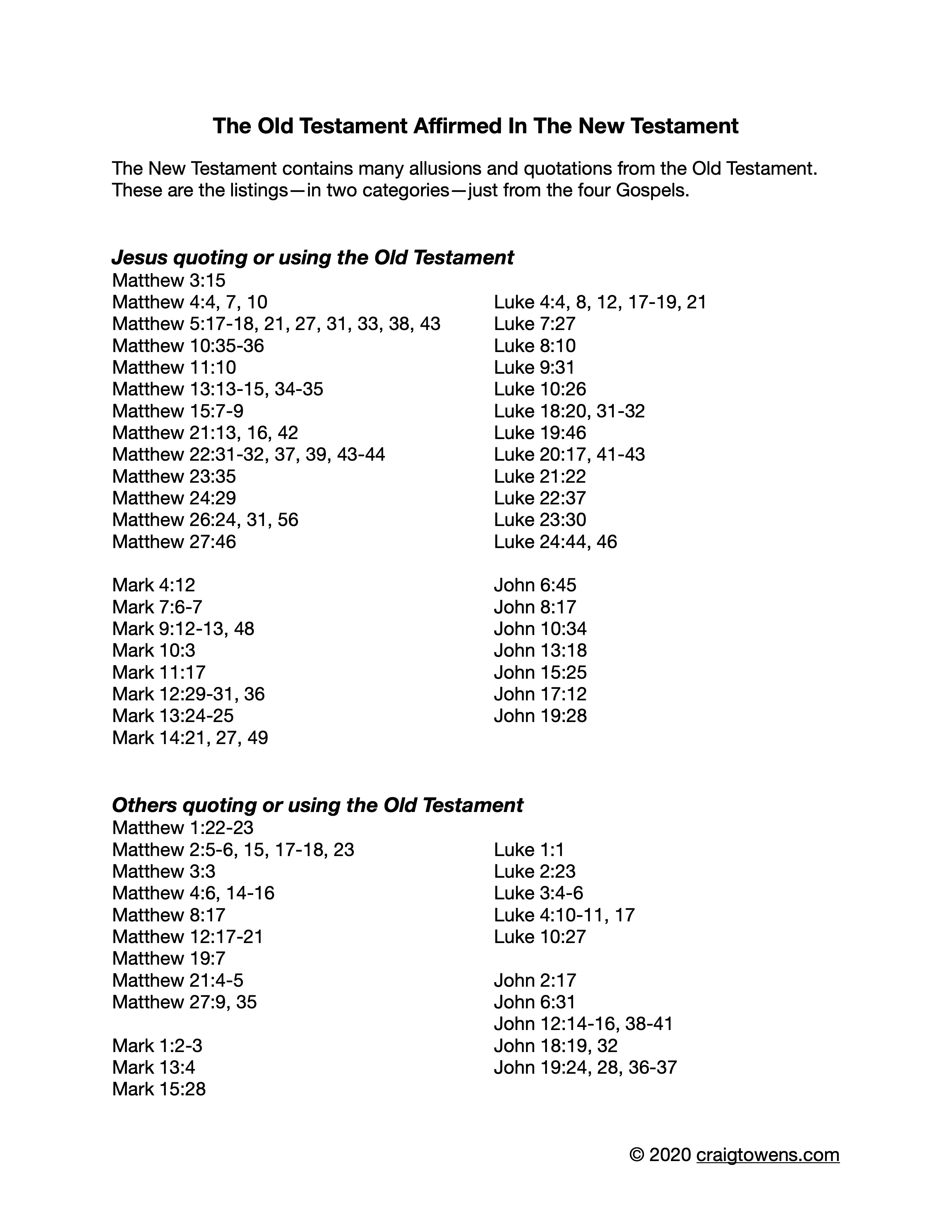
But let’s get even more obvious: In just the four Gospels there are at least 100 direct mentions or quotations of passages from the Old Testament. Clearly, both Jesus and the Gospel writers saw the First Testament as an integral part of Christ’s ministry.
Check out this list that I compiled and look up the references for yourself (a great place to look up Scriptures is on BibleGateway.com).
If you would like to download a PDF version of this list, click here → Old Testament affirmed in the New Testament ← If you would like to use this document in a teaching session, just be sure to mention that you downloaded it from craigtowens.com. Thanks!
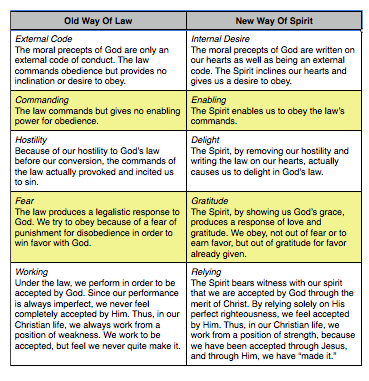
Jerry Bridges wrote a book that was an eye-opener for me called Transforming Grace. I’ve shared a couple of other posts with quotes from this book (you can read them by clicking here and here), but these quotes zero-in on the battle some people have in their minds between law and grace.
“Under a sense of legalism, obedience is done with a view to meriting salvation or God’s blessing on our lives. Under grace, obedience is a loving response to salvation already provided in Christ, and the assurance that, having provided salvation, God will also through Christ provide all else that we need.”
(click for a larger view)
You can download a PDF version of this chart here → Law and Grace ←
“Do you view God’s moral precepts as a source of bondage and condemnation for failure to obey them, or do you sense the Spirit producing within you an inclination and desire to obey out of gratitude and love? Do you try to obey by your own sheer will and determination, or do you rely on the Spirit daily for His power to enable you to obey? Do you view God as an ogre who has set before you an impossible code of conduct you cannot keep, or do you view Him as your divine Heavenly Father who has accepted you and loves you on the basis of the merit of Christ? In other words, in terms of your acceptance with God, are you willing to rely solely on the finished perfect work of Jesus, instead of your own pitifully imperfect performance?”
“We are much more concerned about someone abusing his freedom than we are about his guarding it. We are more afraid of indulging the sinful nature than we are of falling into legalism. Yet legalism does indulge the sinful nature because it fosters self-righteousness and religious pride. It also diverts us from the real issues of Christian life by focusing on external and sometimes trivial rules.”
“That is the way a lot of manmade ‘dos and don’ts’ originate. They begin as a sincere effort to deal with real sin issues. But very often we begin to focus on the fence we’ve built instead of the sin it was designed to guard against. We fight our battles in the wrong places; we deal with externals instead of the heart. … For all of us, it may be good to have some fences, but we have to work at keeping them as just that—fences, helpful to us but not necessarily applicable to others. … I’m not suggesting you jump over fences just to thumb your nose at the people who hold on to them so dearly. We are to ‘make every effort to do what leads to peace and mutual edification’ (Romans 14:19). Use discretion in embracing or rejecting a particular fence. But don’t let others coerce you with manmade rules. And ask God to help you see if you are subtly coercing or judging others with your own fences.”
“Spiritual disciplines are provided for our good, not for our bondage. They are privileges to be used, not duties to be performed. … I do think we should actively promote spiritual disciplines. They are absolutely necessary for growth in our Christian lives. And since ours is a largely undisciplined age, many believers are losing out on the benefits of those disciplines that could help them grow to maturity in Christ. But we should promote them as benefits, not as duties.”
You can read my full book review of Transforming Grace by clicking here.
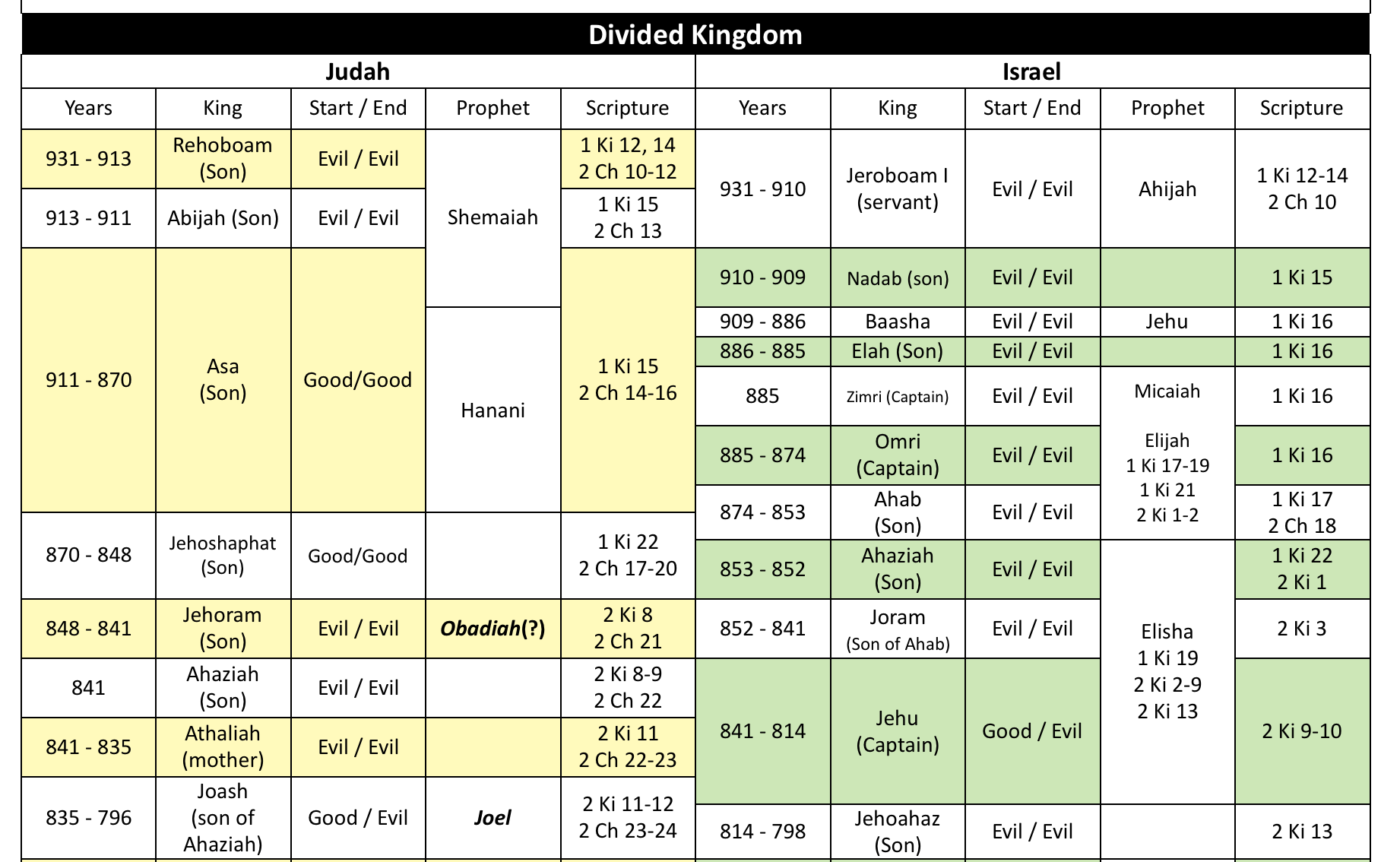
On the Biblegateway website, Jacob Edson has taken my chart and added even more details and cross-references to related Scriptures for each of the kings on this chart.
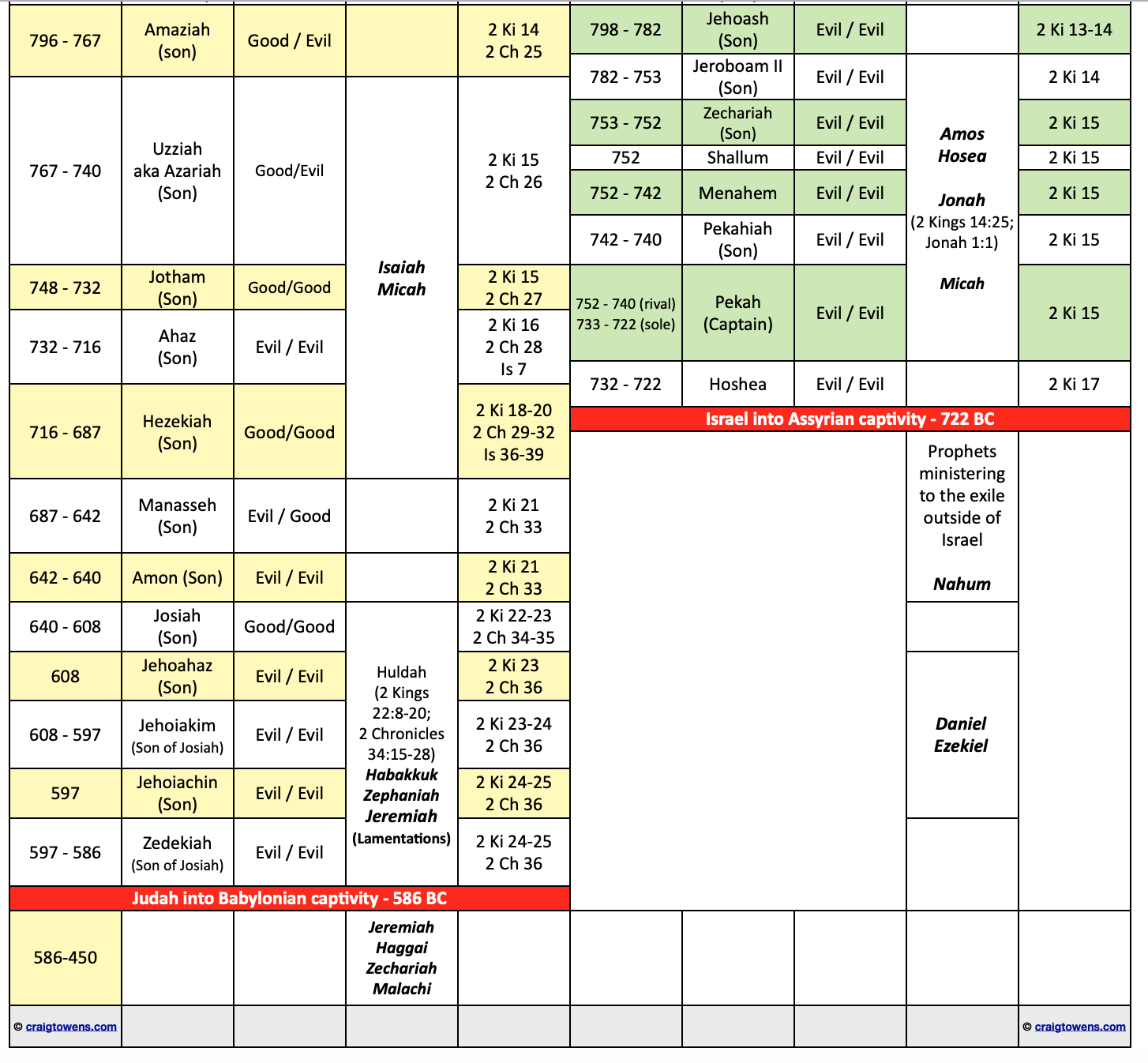
One challenging point in history is the divided kingdoms of Israel (the 10 northern tribes) and Judah (the 2 southern tribes). What makes it challenging when reading straight through the Bible is the history is covered in 1 and 2 Kings and then again in 1 and 2 Chronicles. In the midst of these kingdoms, several prophets are sent by God. Some of these prophets only have their words recorded in Kings or Chronicles, while others have their words recorded elsewhere in the Bible (usually the book name is the prophet’s name).
In trying to keep all of these people and messages clear in my mind, I have put together a list of all the kings and prophets during the period of the divided kingdom (roughly 931-586 BC).
You can click the picture above to get a larger view, or you can download a PDF copy by clicking here → Kings of Israel & Judah ←
I am not a biblical scholar, nor do I have a history degree. This is just a chart I put together to help me in my Bible reading, and I thought it might help someone else too. I would welcome any corrections or clarifications that anyone would offer on this humble work.
Not all of these updates are reflected in the screenshots on this page, but they are all in the PDF version.
**UPDATE 1: several people pointed out some tweaks I needed to make to this chart, and I am grateful for the input! This is the revised copy as of August 28, 2017.
**UPDATE #2: a few more tweaks … this is the revised version as of July 31, 2014.
**UPDATE #3: I have posted a chart zooming in on the chronology of the Old Testament prophets which I recreated from the Archeological Study Bible. You can read it and download it by clicking here.
A couple of notes:
Prophets who also have their words recorded in a book that bears their name are listed in bold italics.
The “start / finish” designation for each of the reign of the kings is clearly my subjective opinion.
Sometimes you will see dates for two kings’ reigns that overlap. These are where there was a co-regency (that is a father and son ruling simultaneously).
The prophets that are listed under the Israel side after Israel had gone into captivity are the prophets that God was using to speak to the Israelites in exile.
**UPDATE #4: I continue to do more research and get feedback from people far wiser than me. The latest version is dated August 28, 2017.
**UPDATE #5:The original chart stopped when Israel and Judah went into captivity. I have now added another line to show the prophets who continued to prophesy to both the exiles in Babylon, as well as to those who returned to Israel later.
**UPDATE #6: Scholars are unsure of the date of Obadiah. We know that it took place after invaders had caused problems in Judah (Obadiah 11)—and Edom responded in a way that angered God. Some scholars place this date after Nebuchadnezzar’s conquest of Judah in 586 BC, but since post-exilic prophets always named Nebuchadnezzar or Babylon, I think it’s more likely to have occurred during the reign of Jehoram around 840 BC (see also 2 Chronicles 21:8-10). Added Huldah as a prophetess during the reign of Judah’s King Josiah.
**UPDATE #7: Thanks to Anthony Wimmer, this chart is now available in French → Rois d’Israel & Juda
**UPDATE 8: I am always appreciative of the interaction with those who have downloaded my chart and are digging into the dates. After a few conversations, I have modified the chart slightly on the lower right quadrant of the last page to show those prophets who were ministering to the Israelites who were in captivity.



 (click image for a larger view)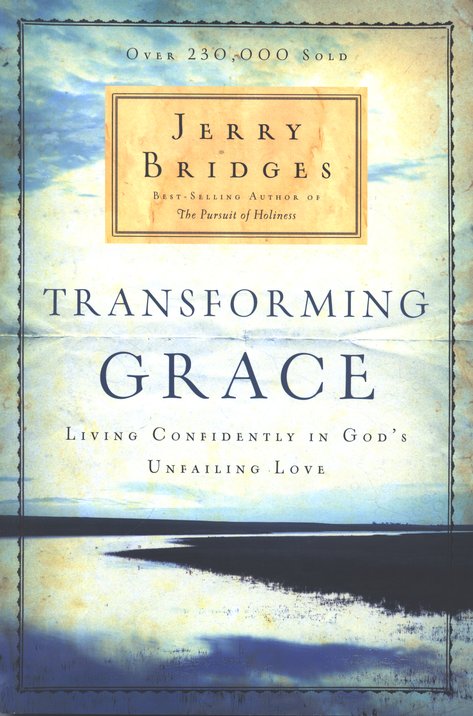



 Craig T. Owens