


Listen to the podcast of this post by clicking on the player below, and you can also subscribe on Apple, Spotify, or Audible.
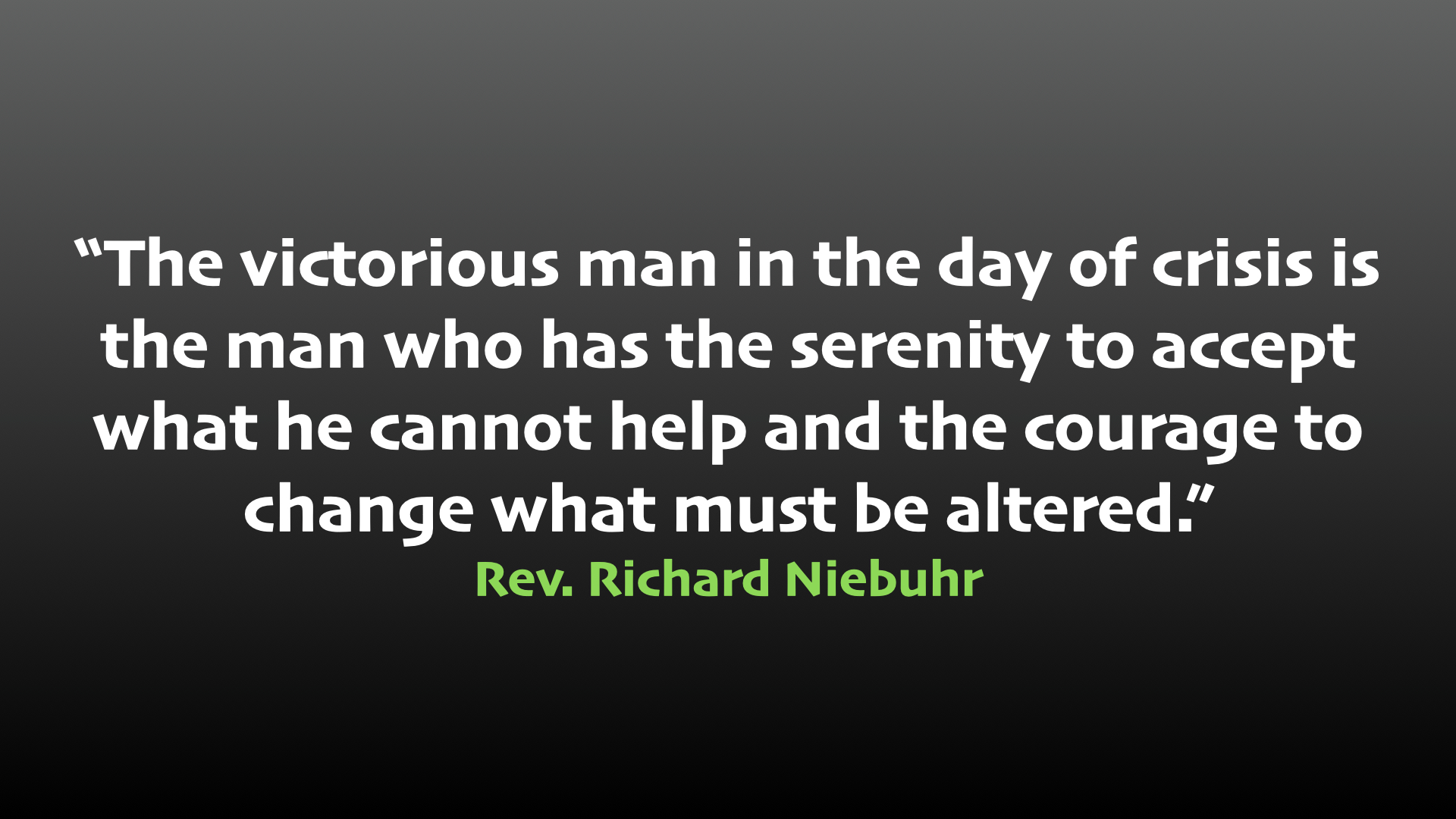 I am a big fan of Alcoholics Anonymous (AA). They are founded on biblical principles. I would paraphrase two of the most important ones as: (1) We need a Savior to set us free and (2) We need friends to lean on. James 5:16 says this as succinctly as any verse: “Therefore confess your sins to each other and pray for each other so that you may be healed. The prayer of a righteous person is powerful and effective.”
(Check out all of the Scriptures in this blog post by clicking here.)
AA says: “Often times, a person with substance use disorder may have a need for control that can prevent them from achieving peace of mind. They may feel frustrated that they cannot control the actions of other people and turn to substances like alcohol to control their feelings, even though the control that alcohol provides is a farce. The Serenity Prayer is a gentle reminder that letting go and accepting a loss of control can help put an end to the substance abuse cycle.”
In light of our series called Is That in the Bible? let’s ask, is the serenity prayer in the Bible.
No, it’s not, but still there are some very important principles we shouldn’t miss from this prayer.
The full prayer is—
God grant me the serenity to accept the things I cannot change; courage to change the things I can; and wisdom to know the difference.
Living one day at a time; enjoying one moment at a time; accepting hardships as the pathway to peace;
Taking, as He did, this sinful world as it is, not as I would have it; trusting that He will make all things right if I surrender to His will;
That I may be reasonably happy in this life and supremely happy with Him forever and ever in the next. Amen.
Should Christians pray a prayer like this? Biblically, there is nothing wrong with Christians praying prayers that have been written by men or women, provided that they don’t contradict the words God has spoken to us.
Remember James 5:16 that we looked at earlier? The Personalized Promise Bible has a prayer for that verse:
If I have stumbled in any way, I do not need to fret over it—I can rest in full confidence that the Lord loves me and forgives all of my shortcomings. I also know that sin is a hindrance to my healing. Therefore, if there is any sin in my life I repent of it. I confess my sins to trusted brothers and sisters in Christ, gaining strength and praying in agreement with them so that I will be healed.
And then they cross-reference about 10 more biblical passages that support this prayer—Psalm 103:1-5; Isaiah 53:4-5; 1 Peter 2:24; Matthew 9:22, 29; 18:19, 20; Mark 11:22-26; 16:18; Hebrews 12:1-3; Galatians 6:1-2.
In a similar fashion, I see several passages of Scripture that are woven into the serenity prayer.
“God grant me the serenity to accept the things I cannot change; courage to change the things I can; and wisdom to know the difference.” Proverbs 1:2-3 describes the help God’s wisdom gives us for daily living.
“Living one day at a time; enjoying one moment at a time.” Jesus taught us to pray each day for our daily bread (Matthew 6:8, 11).
 “Accepting hardships as the pathway to peace.” Jesus also taught us to pray, “Your will be done on earth as it is in Heaven” (Matthew 6:10), and He also prayed a very similar prayer Himself when He was in the Garden of Gethsemane, “Yet not as I will, but as You will” (Matthew 26:39).
“Taking, as He did, this sinful world as it is, not as I would have it; trusting that He will make all things right if I surrender to His will.” Jesus promised us both trouble in this world and His overcoming power to stand strong in that trouble (John 16:33).
“That I may be reasonably happy in this life and supremely happy with Him forever and ever in the next. Amen.” Jesus promises eternal rewards that vastly outweigh the trouble we may face in this life (Luke 12:32; Matthew 25:21, 34).
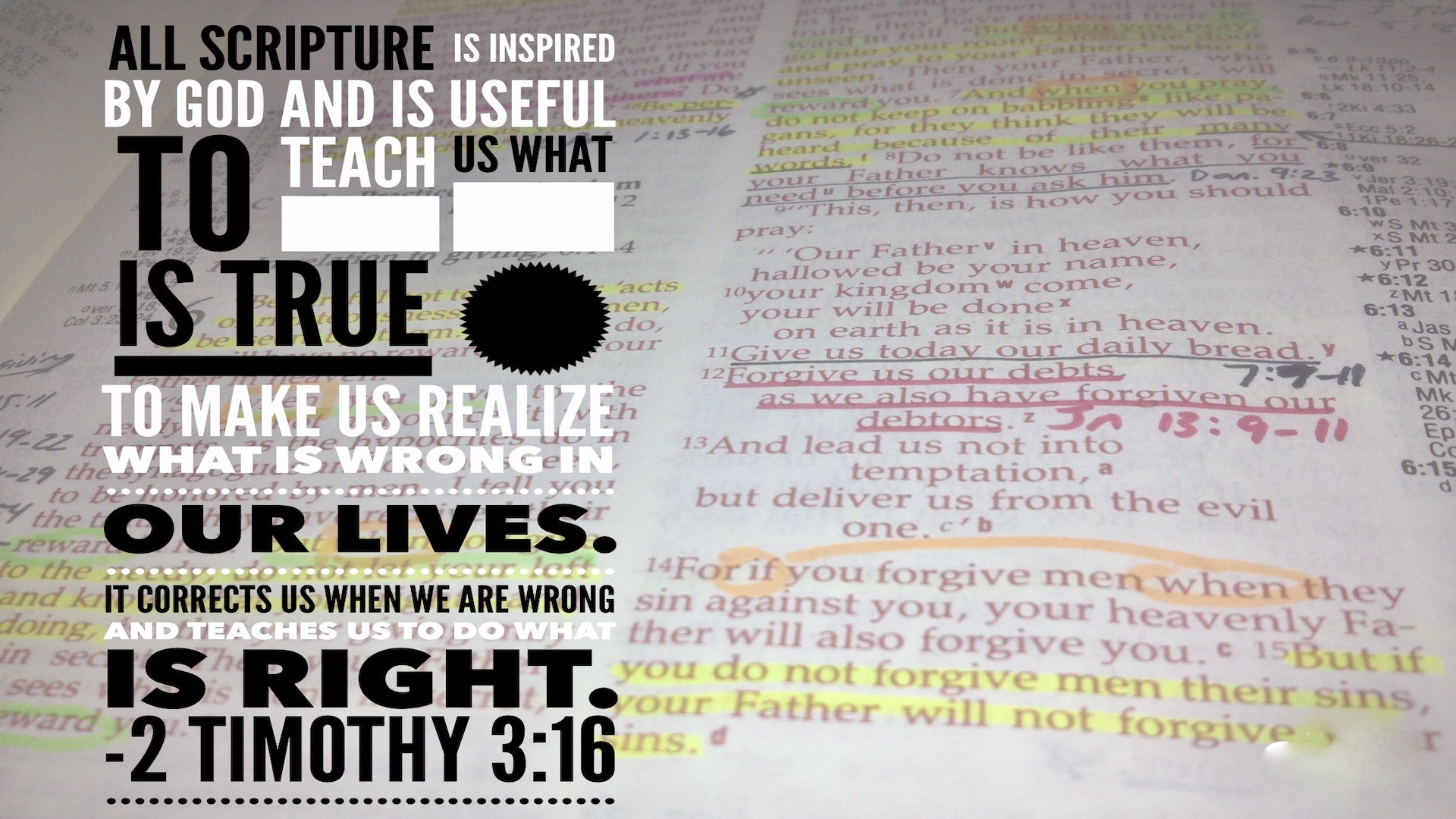
The bottom line: The Bible is not just a Book to read through but a Book to pray through. ALL Scripture is for ALL servants of God. ALL Scripture is applicable to ALL the circumstances we will ever face in life.
If something like the serenity prayer—or any other man-made prayer—is based on Scripture and helps give voice to your prayers, use them! But use them as guides to help you begin to form your own prayers from biblical passages you are reading for yourself.
Check out some of the other topics we have covered in this Is That in the Bible? series here.
►► Would you please prayerfully consider supporting this ministry? My Patreon supporters get behind-the-scenes access to exclusive materials. ◀︎◀︎


 Craig T. Owens