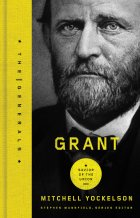
 Grant: Savior Of The Union was a very eye-opening biography to read (you can read my full review by clicking here). Here are nine passages that especially caught my attention:
“This I don’t want you to read to others for I very much dislike speaking of myself.” —Grant, in a letter to his father about the accomplishments of his soldiers
“The first day out the regiment made it five miles. However, the next morning at six o’clock when Grant resumed the March, his men were unprepared to move. He allowed them time to rise and eat breakfast this time, but the following morning when the men were again not ready to march, Grant left without them. It must have been a sight to see half-dressed soldiers running after their commander. The remainder of the trip to Quincy was conducted in relatively good order. Grant boasted to his father that ‘my men behaved admirably and the lesson has been a good one for them. They can now go into camp and after a day’s March and with as much promptness as veteran troops; they can strike their tents and be on the march with equal celerity.” —Mitchell Yockelson
At one battle some officers advised retreat. Grant replied, “Retreat? No. I propose to attack at daylight and whip them.”
When some in Washington, D.C., wanted to replace Grant with someone more experienced, President Abraham Lincoln said, “I can’t spare this man; he fights.”
A friend observed that at a banquet where toasts and speeches were made to honor Grant, “his face never changed its unmoved expression. It never lit up with excitement. …His silence was a native endowment, nothing studied, nothing acquired. … His greatest enjoyment was manifestly with [his wife and children]. Their presence and happiness made his face beam as nothing else would.”
When Grant was given the rank of Lt. General—a rank no one had held since George Washington—Grant’s acceptance speech was very gracious:
“I accept the commission with gratitude for the high honor conferred. With the aid of the noble armies that have fought on so many fields for our common country, it will be my earnest endeavor not to disappoint your expectations. I feel the full weight of the responsibilities now devolving on me and know that if they are net it will be due to those armies. And above all to the favor of that Providence which leads both Nations and men.”
After Robert E. Lee signed the surrender agreement for the armies of the South, word spread to the Union forces, and celebration erupted. “Grant ordered the cheering to stop. He did not want the Union army to gloat and in any way insult the defeated Confederates. ‘The war is over,’ Grant told a staff member. ‘The Rebels are our countrymen again.’”
“It will be a thousand years before Grant’s character is fully appreciated. Grant is the greatest soldier of our time if not all time… he fixes in his mind what is the true objective and abandons all minor ones. He dismisses all possibility of defeat. He believes in himself and in victory. If his plans go wrong he is never disconcerted but promptly devises a new one and is sure to win in the end. Grant more nearly impersonated the American character of 1861-65 than any other living man. Therefore he will stand as the typical hero of the great Civil War in America.” —William T. Sherman
“Of all the American generals of the nineteenth century, it seems to me that Ulysses S. Grant better understood the role of the military in democracy than any other.” —John S.D. Eisenhower, historian and son of Dwight D. Eisenhower



 Here is a list of the books I read in 2012. Click on any title to read the review I posted.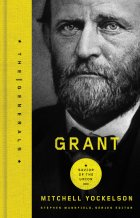


 Craig T. Owens