We know the law is good if one uses it properly. (1 Timothy 1:8)
Whether laws are labeled spiritual or civil, the IF in that verse is very important. Law is intended to restrain unbecoming or immoral activities. Laws are aimed at lawbreakers. But in order for any law to carry weight, it has to be backed up by something more solid than a man’s opinion of what is “right” or “wrong.”
According to Scripture, a law must…
- …be supported by sound doctrine (1 Timothy 1:10). What defines “sound doctrine” is the word of God, not man-made opinion. Jesus said about the Pharisees, “They worship Me in vain; their teachings are but rules taught by men” (Matthew 15:9). The New Living Translation renders this verse: “Their worship is a farce, for they teach man-made ideas as the commands of God.”
- …conform to the gospel (1 Timothy 1:11). Literally this means filtered through Scripture. Any law that does not have its foundation set on a biblical principle is, by definition, an immoral, man-made law.
So what is the Christian’s role in the legislative process? I see four responsibilities for Christians:
1. Pray for our elected officials that they would have a God-fearing, biblically-sound perspective in their legislative activities (see 1 Timothy 2:1-2).
2. Stay informed on the law-making activities on both the local, state, and national levels (see Acts 17:11; 1 Chronicles 12:32).
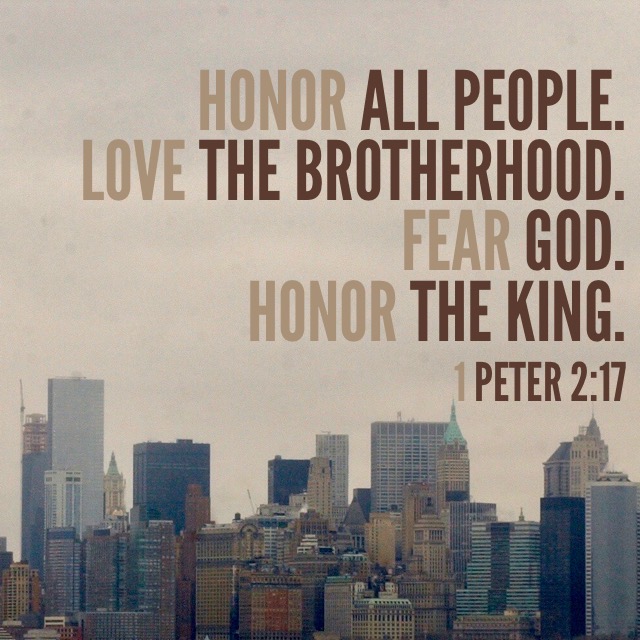
3. Speak out against unbiblical, immoral laws (see Esther 4; 1 Peter 2:17).
4. Disobey immoral laws. The Bible commands us to “give to Caesar what is Caesar’s, and to God what is God’s” (Luke 20:25). We must never give to Caesar what is God’s (see Acts 5:29)!
I love Martin Luther King Jr’s Letter From Birmingham Jail where he addresses Christian pastors about the rightness of peacefully disobeying immoral laws. If you haven’t read this masterpiece, please take time to do so. In this letter, Dr. King wrote:
Over the last few years I have consistently preached that nonviolence demands that the means we use must be as pure as the ends we seek. So I have tried to make it clear that it is wrong to use immoral means to attain moral ends. But now I must affirm that it is just as wrong, or even more, to use moral means to preserve immoral ends.
Christian, you have a responsibility. Pray, be informed, respectfully speak out against immoral laws, and then peacefully disobey when it is necessary.