Nothing in life stays the same. Nothing. Things are either getting better or deteriorating.
According to the law of entropy, a system will constantly move from order to disorder, unless sufficient energy is used to keep the system in order. More simply put: you and I can’t coast.
If you’re married, put energy into finding new ways to cherish your spouse.
If you’re a parent, put energy into better parenting skills.
If you’re a friend, put energy into deepening that friendship.
If you’re an employee, put energy into doing your job better.
If you’re a leader, put energy into leading better.
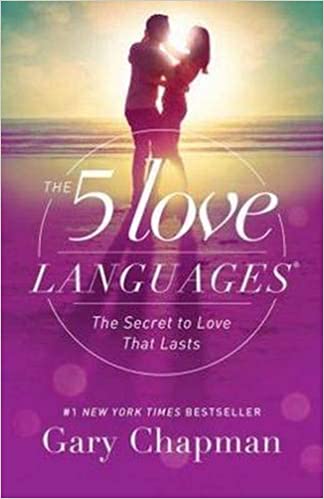
I love this article 5 Love Languages, 7 Days, 1 Couple in WebMD (you can read it here) about a couple skeptical of how Gary Chapman’s book on love languages could improve their marriage. But they decided to try it for one week. They put in the energy and got something better out. You can also read my thoughts about Dr. Chapman’s book by clicking here.
Are you willing to invest a week of energy into your marriage, family, job, or friendships? If you will keep applying energy, you will keep improving. And that’s a lot better than deteriorating!
If you have heard about Dr. Gary Chapman’s book The Five Love Languages, then the love language of “words of affirmation” will be familiar to you. This is the primary way that some people both express their love and want to receive their love. My youngest son definitely has this as one of his primary love languages.
He is at the age now where he has started writing more notes. They are intended as love notes, but they are actually powerful epistles. Short messages with weighty impact…
On my homemade Father’s Day card he wrote, “Best Dad in the world. Don’t stop loving.”
On my oldest son’s birthday card he challenged him, “Thanks for being my brother, and always remember Christ.”
On top of my Christmas present was this encouragement, “I love you Dad. Don’t stop preaching the Word.”
Simple. Profound. Encouraging. I’m challenged to be a better Dad and a better pastor today because of these heartfelt, Holy Spirit-inspired notes.
Listen to the podcast of this post by clicking on the player below, and you can also subscribe on Apple, Spotify, or Audible.
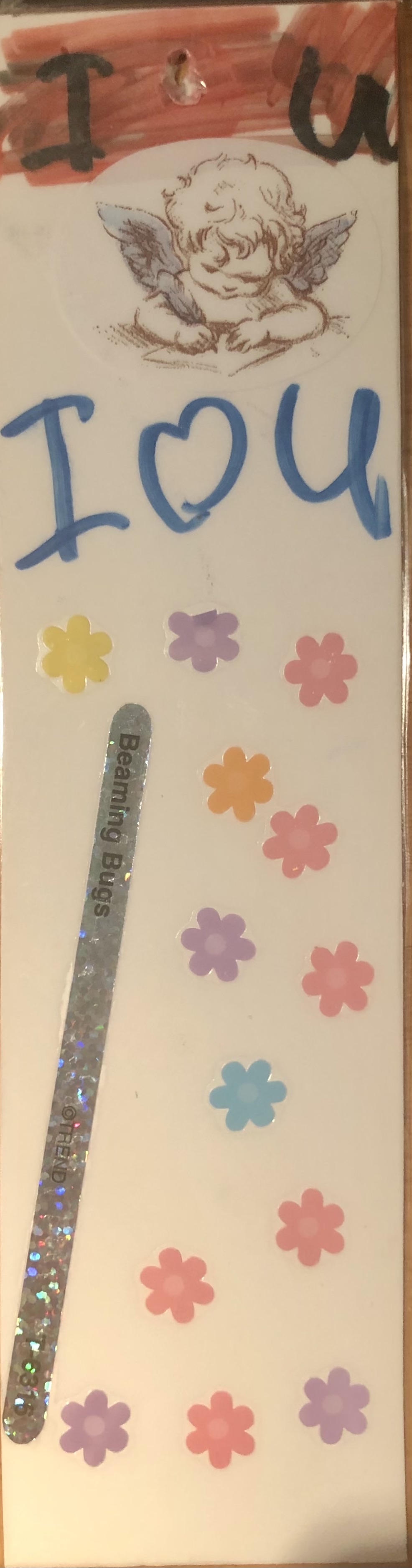
My workspace in my office and even the portable office of my backpack is filled with special reminders. I have gifts from missionaries, mementos from coworkers, and souvenirs from friends. But my most precious treasures are those handmade expressions of love from my kids. They might be simple bookmarks or more elaborate statues, but they are from my kids just for me. I wouldn’t trade the world for them.
These gifts remind me how blessed I am to be loved as Daddy, and “love reminders” are good for anyone at any age.
What would happen, though, if my 15-year-old was still giving me gifts that looked like the gifts he gave me when he was a budding 5-year-old artist? What if my daughter’s gifts looked the same when she was 21-years-old as they did when she was a preschooler? Wouldn’t we say that there might be a developmental problem?
The great love chapter of the Bible contains this line:
When I was a child, I talked like a child, I thought like a child, I reasoned like a child. When I became a man, I put childish ways behind me. (1 Corinthians 13:11)
Love is supposed to grow up.
In other words, my expressions of my love toward others should be maturing. So here are some questions I am asking myself:
Do I express love to God the same way I did as a “baby” Christian? Or are my expressions maturing?
Do I tell my wife I love her the same way I said it all those years ago when we first got married? Or am I finding new ways to say it?
Do I express my love to all of my kids the same way? Or am I learning each of their unique love languages?
Let me ask you a question too: Is your love—and the expression of your love to others—growing up?
Take some time to ponder that question, and then make any grown-up changes that need to be made so that your love continues to mature.
Last night I went to a surprise party for a great guy in our church. His sons initiated the idea on Sunday evening, and we all went into action to figure out when, where, and (most importantly) what food we were going to bring. After just a few minutes of discussion, everything was in place, and it all came together pretty smoothly.
I think the birthday boy was genuinely surprised. And pleased. And everyone had a fun evening.
But I got to thinking, “Should it really be a surprise that we want to express our appreciation, love, and respect to someone?” Hmmm.
Perhaps today—and every day—we could find a way to “surprise” someone we love or appreciate. You know, just find an unexpected way to let someone know they’re special.
A surprise note/text/email
A surprise gift
A surprise hug
A surprise phone call
A surprise lunch invitation
A surprise cup of coffee or favorite treat
It’s amazing what happens inside people’s hearts when we go out of our way to express our love. Try it, and see what happens.
Make today a surprise day for the people you love and appreciate.
The other day a friend of mine wrote on Facebook that he was shopping with his daughter. He half-jokingly added, “I think that is her love language!” I say half-jokingly because I think the time with Daddy was speaking volumes to his daughter.
Spending time shopping with Dad was filling her love tank!
Have you ever felt like one of your relationships was in a rut? Or maybe even in a rut with ends in it (also known as a grave!)? Do you ever feel like the other person just doesn’t get you? Have you ever been frustrated that the other person doesn’t understand all that you are doing for him/her?
My guess is that you are speaking different love languages.
Dr. Gary Chapman wrote an amazing book called The Five Love Languages. In his book, he lays out five “languages” that we use to communicate our love to one another:
Words of affirmation
Quality time
Gifts
Acts of service
Physical touch
When you and I communicate, we naturally communicate in a way that is most comfortable to us. We communicate in our primary love language. But if the other person in the relationship has a different love language, no matter how much you love them, you are simply not getting through effectively. You are leaving the other person with a near-empty love tank.
I would suggest you start by taking a brief love language assessment (download the free PDF here → 5 Love Languages assessment) to determine YOUR OWN love language first. This is the language you will feel most comfortable using. Second, you need to learn the love languages of OTHERS CLOSE TO YOU so you can change your love dialect.
In the great love chapter in the Bible, the apostle Paul says this, “When I was a child, I spoke and thought and reasoned as a child. But when I grew up, I put away childish things” (v. 11, New Living Translation). Our love—and the way we express it to others—should always be growing up. If you are trying to communicate your love to someone special in the same ways (the same “languages”) you’ve always used, there’s a good chance your love is being viewed as childish.
As you mature in your expressions of love — as you speak the other person’s love language — you will begin to fill their love tank. Guess what happens next? Out of a full love tank, the other person is motivated to begin to speak your love language, to fill your tank. It can become so much fun to love with a full tank! Because when the other person’s love tank is full, almost any love language will work for them—wow, what a blast!
UPDATE… my friend Greg Heeres and I host a leadership podcast on YouTube. Recently, we discussed the value of leaders learning and speaking the love languages of their teammates.



 Nothing in life stays the same. Nothing. Things are either getting better or deteriorating.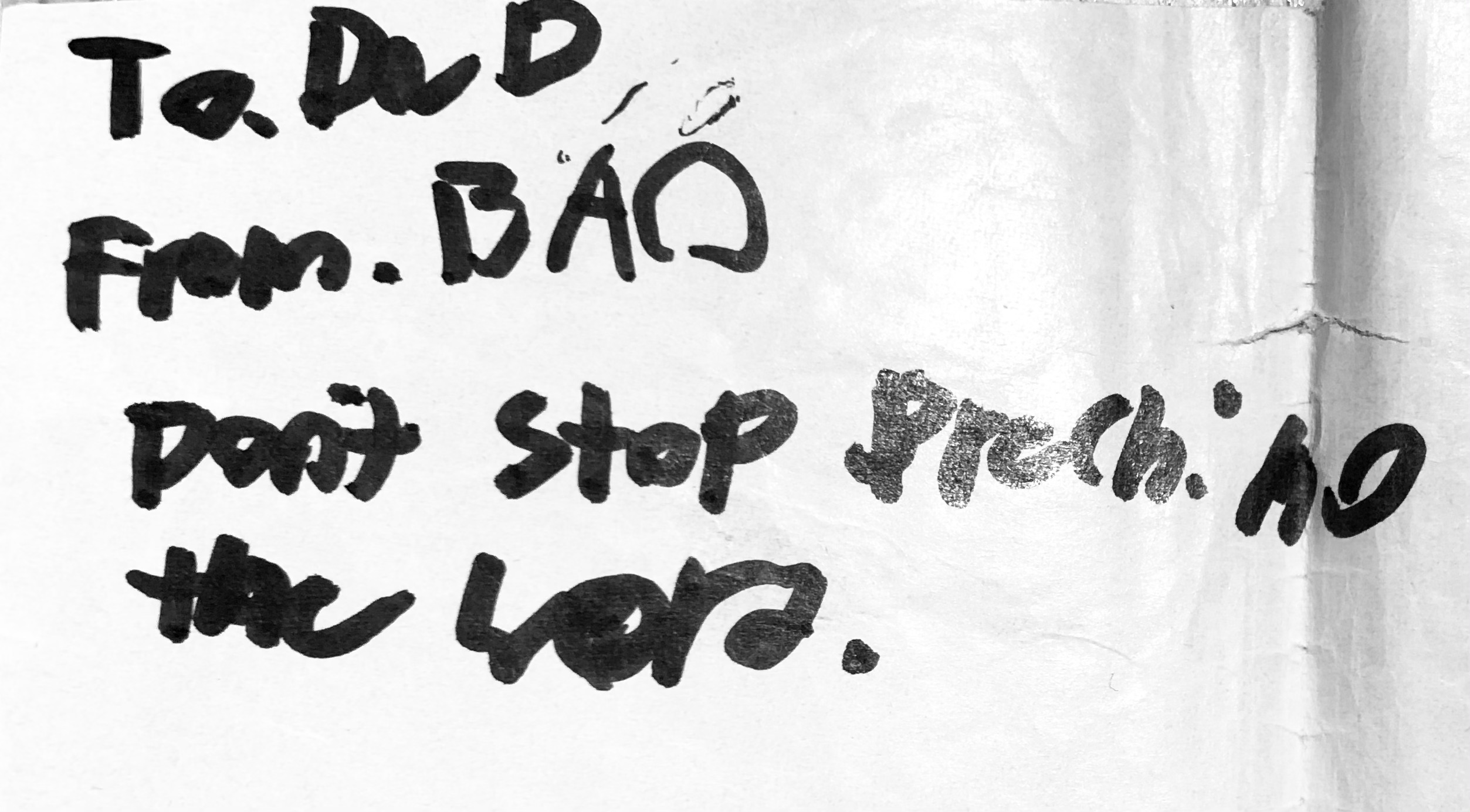


 Craig T. Owens