


Listen to the podcast of this post by clicking on the player below, and you can also subscribe on Apple, Spotify, or Audible.
 In the first six chapters of the book of Zechariah, question marks appear 18 times.
Question marks invite a conversation; whereas, periods or exclamation points tend to end the conversation. Clearly, God enjoys dialogue.
God sometimes asks questions to get Zechariah to evaluate his surroundings or the prevailing culture. Sometimes God asks Zechariah a question to get him to clarify what he is seeing or thinking.
But without a doubt, most of the questions are posed by Zechariah to either God or to the angelic messenger who sometimes serves as Zechariah’s guide. Not once does God nor the angel tell Zechariah to hold his tongue. Zechariah’s questions are never belittled nor treated as though they were a bother. Nor are his questions ignored.
Rather, every single question is answered.
God enjoyed talking with Adam and Eve in the garden of Eden, He walked and talked with Enoch, He listened to the questions asked by Job and the psalmists, and here He engages Zechariah in conversation too.
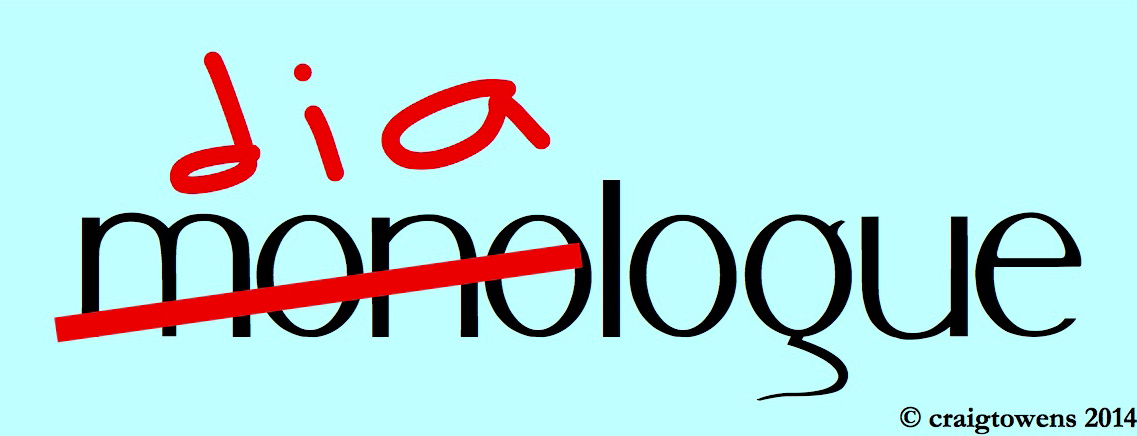
Prayer is never designed to be a monologue—with us just speaking to God—nor is Bible reading designed to be a monologue—with just God speaking to us. Both prayer and Bible reading are used by the Holy Spirit to keep a dialogue active and engaging. You and I should never be afraid to approach God with our questions, nor should we be afraid to listen to the questions God asks us.
The dialogue between us and God builds an intimacy that cannot be developed in any other way. So keep asking those questions!
►► Would you please prayerfully consider supporting this ministry? My Patreon supporters get behind-the-scenes access to exclusive materials. ◀︎◀︎


 Craig T. Owens