 Special Guest Blogger: Dick Brogden
Over two weeks ago some very good friends and colleagues were arrested by security police. Two men representing two families, and there has been minimal contact. Their wives are still unable to see their husbands after two long weeks. Events like these help us remember and pray through our priorities. We must approach these situations with the long term view in mind.
Emotionally this is very hard to do. When we are in the middle of the situation our priority naturally shifts to the welfare (and in our minds this means the release) of our loved one. I am not so sure God’s priority ever shifts. There are several things more important than the health and comfort and release of the incarcerated. Let me list some of them:
1) THE GLORY OF GOD
It is informative how central prison is to the plan of God. Joseph, Jeremiah, John the Baptist, James, Peter, Paul, and many others in Scripture and history all testify to God being glorified in confinement. We remind ourselves with Joseph that it is not about us, and that what “man intended
for evil, God intended for good.” We encourage ourselves in the Pauline Epistles and forget that many of them were written from prison repose.
2) THE CREDIBILITY OF THE GOSPEL
When followers of Jesus go to prison, it puts the gospel on display. Do we live what we preach? Do we believe what we say? Is God enough? Is Jesus our strong tower? Is the Holy Spirit a comfort? Are these platitudes of the insulated or are they truths burned into our souls by trial? When missionaries suffer well, it sends a message to indigenous believers (who suffer much more than we do) that Jesus is indeed worth suffering for and that we are in solidarity with their difficulty. Suffering well also is a witness to our tormentors. Athanasius insisted that one of the proofs of the resurrection was the joy with which women and children faced physical abuse and death.
3) THE CHARACTER OF THE PRISONER AND HIS FAMILY
God works in us when we are stripped down, confined, abused, and mistreated. There is a joy in the fellowship of His sufferings. The seldom-experienced (for we fear the process) reward of prison and persecution is unimaginable intimacy with Jesus, which delights our soul. Tales from the released surprise us as they pine for the good old days of the cement cell because Jesus’ presence was unmitigated and pristine. God also works in the hearts of spouses and children in these admittedly painful times, if we let Him.
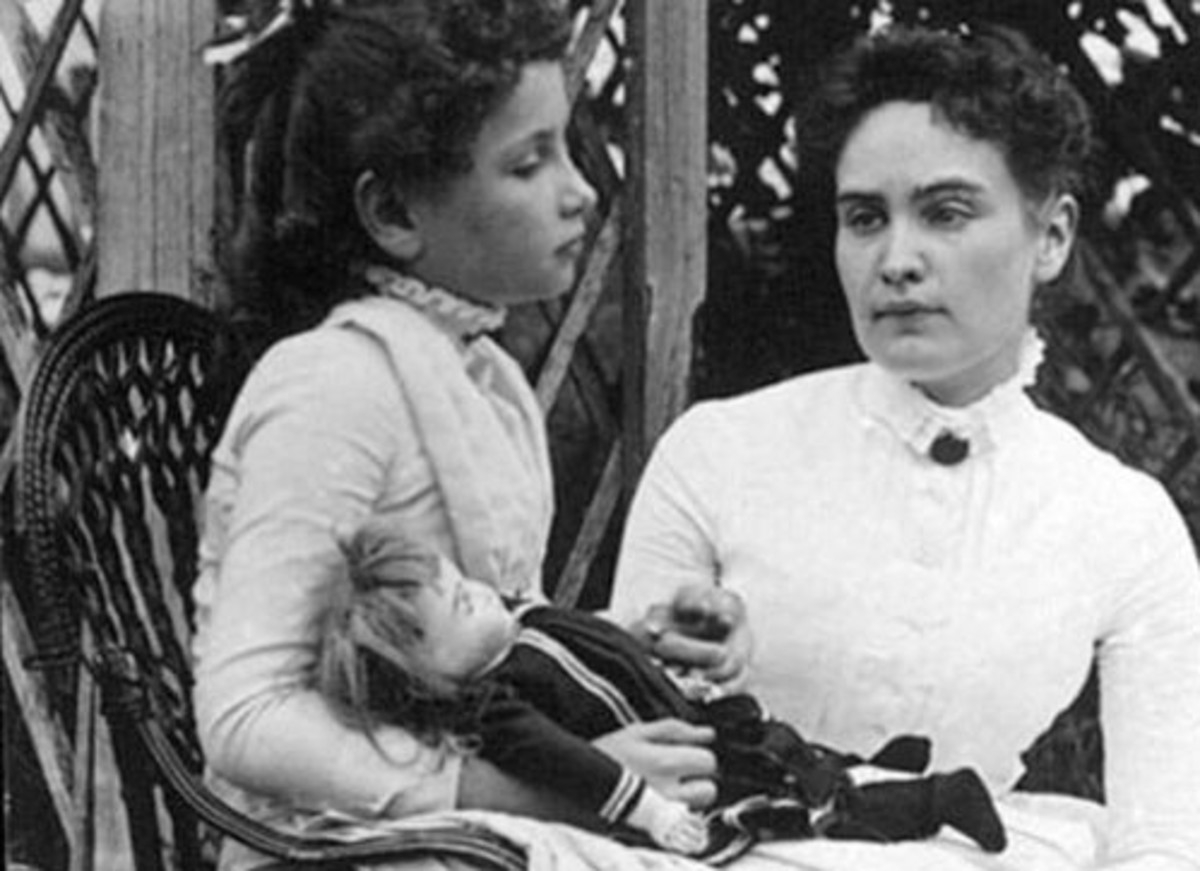
All the above are more important than the health and release of the captive. This is not callous, this is Christ. It is not about us and it is not about our security. Helen Keller—who knew much about being confined—said,
Security is mostly a superstition. It does not exist in nature, nor do children of men as a whole experience it. Avoiding danger is no safer in the long run that outright exposure. Life is either a daring adventure, or nothing.
If we take the short view, we move heaven and earth to see our loved one released. In one sense this is admirable. In another sense, it can be self-serving. When I was arrested some years ago, I appreciated the efforts of those working to free me, but I would have been livid if they pursued my freedom in such a way that affected my longevity in the land (and among the people) I have been called to serve—and die for if necessary. The long term view undergirds the prisoner in his lonely cell. He does not want a frantic, panicked effort to release him. He wants to stay in the country after his release. He does not want external voices to shame the local authorities or force his expulsion … that can be a fate more cruel than lonely prison days.
Those who speak to us from prison say, “We are fine. Jesus is real. We are being upheld by the Holy Spirit and are in sweet communion with the Father. Don’t worry about us. Don’t panic. Don’t rush the process. We are improving our language skills, we have plenty of time to pray, we are witnessing to our captors. We appreciate your efforts, but we beg of you: proceed slowly and respectfully, for our greatest desire is for Jesus to be glorified in the process and to continue exalting Him in this beloved land (if at all possible) even after our release. So if we have to sit here a few extra weeks or months, so be it.”
Time is on the side of the righteous. Let’s remember who really is in prison after all, and let’s take the long term view, let’s endure what we must that THEY may be set free.
And what of the children of the imprisoned? If you are interested, read the letter I wrote to the children of our dear imprisoned friend—children we love as much as we love our own. It is what I want someone to tell my boys if I ever go back to prison or if we ever are asked to lay down our lives for Jesus.







 Craig T. Owens