
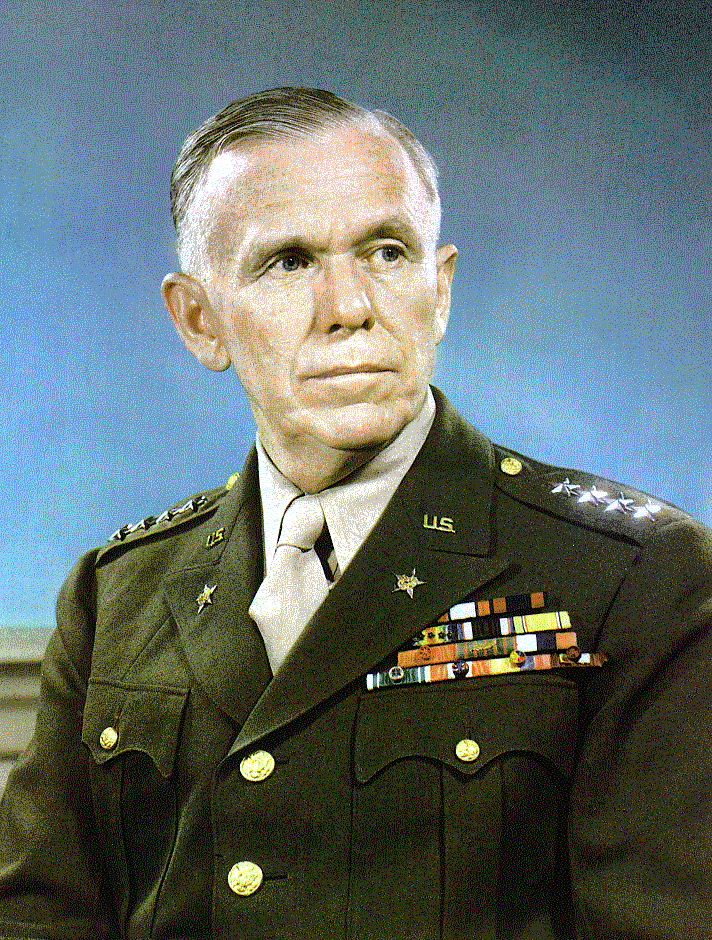
4 Essential Qualities To Be An Effective Leader

November 5, 1920

General John S. Mallory
15 University Place
Lexington, Virginia

My Dear General Mallory,

Last summer during one of our delightful rides I commented on the advice I would give a young officer going to war, based on my observation of what had constituted the success of the outstanding figures in the American Expeditionary Forces, and you asked me to write out what I had said. A discussion with Fox Conner this morning reminded me of my promise to do this, so here it is.

To be a highly successful leader in war four things are essential, assuming that you possess good common sense, have studied your profession and are physically strong.

When conditions are difficult, the command is depressed and everyone seems critical and pessimistic, you must be especially cheerful and optimistic.

When evening comes and all are exhausted, hungry and possibly dispirited, particularly in unfavorable weather at the end of a march or in battle, you must put aside any thought of personal fatigue and display marked energy in looking after the comfort of your organization, inspecting your lines and preparing for tomorrow.

Make a point of extreme loyalty, in thought and deed, to your chiefs personally; and in your efforts to carry out their plans or policies, the less you approve the more energy you must direct to their accomplishment.

The more alarming and disquieting the reports received or the conditions viewed in battle, the more determined must be your attitude. Never ask for the relief of your unit and never hesitate to attack.

I’m certain in the belief that the average man who scrupulously follows this course of action is bound to win great success. Few seemed equal to it in this war, but I believe this was due to their failure to realize the importance of so governing their course.

Faithfully yours,
George C. Marshall
Major, General Staff
Aide-de-Camp [emphasis mine]

Sharper Thoughts

John Maxwell said, “Some of my best thinking has been done by others.” I believe that what Dr. Maxwell was saying is that our creative thoughts can become even better when someone else helps sharpen them.

King Solomon, a pretty fair thinker himself, said the same thing when he wrote, “As iron sharpens iron, so one man sharpens another” (Proverbs 27:17). In other words, you need some pretty sharp people to help you think better thoughts, sharper thoughts.

Check out what John Stuart Mill wrote in On Liberty

“Nor is it enough that he should hear the arguments of adversaries from his own teachers, presented as they state them, and accompanied by what they offer as refutations. That is not the way to do justice to the arguments, or bring them into real contact with his own mind. He must be able to hear them from persons who actually believe them; who defend them in earnest, and do their very utmost for them. He must know them in their most plausible and persuasive form; he must feel the whole force of the difficulty which the true view of the subject has to encounter and dispose of; else he will never really possess himself of the portion of truth which meets and removes that difficulty. Ninety-nine in a hundred of what are called educated men are in this condition; even of those who can argue fluently for their opinions. Their conclusion may be true, but it might be false for anything they know: they have never thrown themselves into the mental position of those who think differently from them, and considered what such persons may have to say; and consequently they do not, in any proper sense of the word, know the doctrine which they themselves profess.”

General George C. Marshall, chief of staff of the Army during World War II, created the largest army the world had ever seen (13 million soldiers) in the shortest time possible. General Omar Bradley tells of being called into Marshall’s office in 1939, a week after the outbreak of war in Europe. Marshall was disappointed in Bradley, “You haven’t disagreed with a single thing I have done all week!” Marshall wanted to make sure he was doing his very best so he was calling on another sharp comrade to challenge his thinking.

Do you have some sharp people around you? Do you listen to those who disagree with you? If you do, your creative thoughts can become even sharper.